Department of Biomedical Engineering, Viterbi School of Engineering, University of Southern California, Los Angeles, CA 90089, United States.
Department of Biomedical Engineering, Viterbi School of Engineering, University of Southern California, Los Angeles, CA 90089, United States; Norris Comprehensive Cancer Center, Keck School of Medicine, University of Southern California, Los Angeles, CA, 90033, United States; USC Stem Cell, Keck School of Medicine, University of Southern California, Los Angeles, CA 90033, United States.
Acta Biomater. 2021 Sep 15;132:345-359. doi: 10.1016/j.actbio.2021.03.076. Epub 2021 Apr 20.
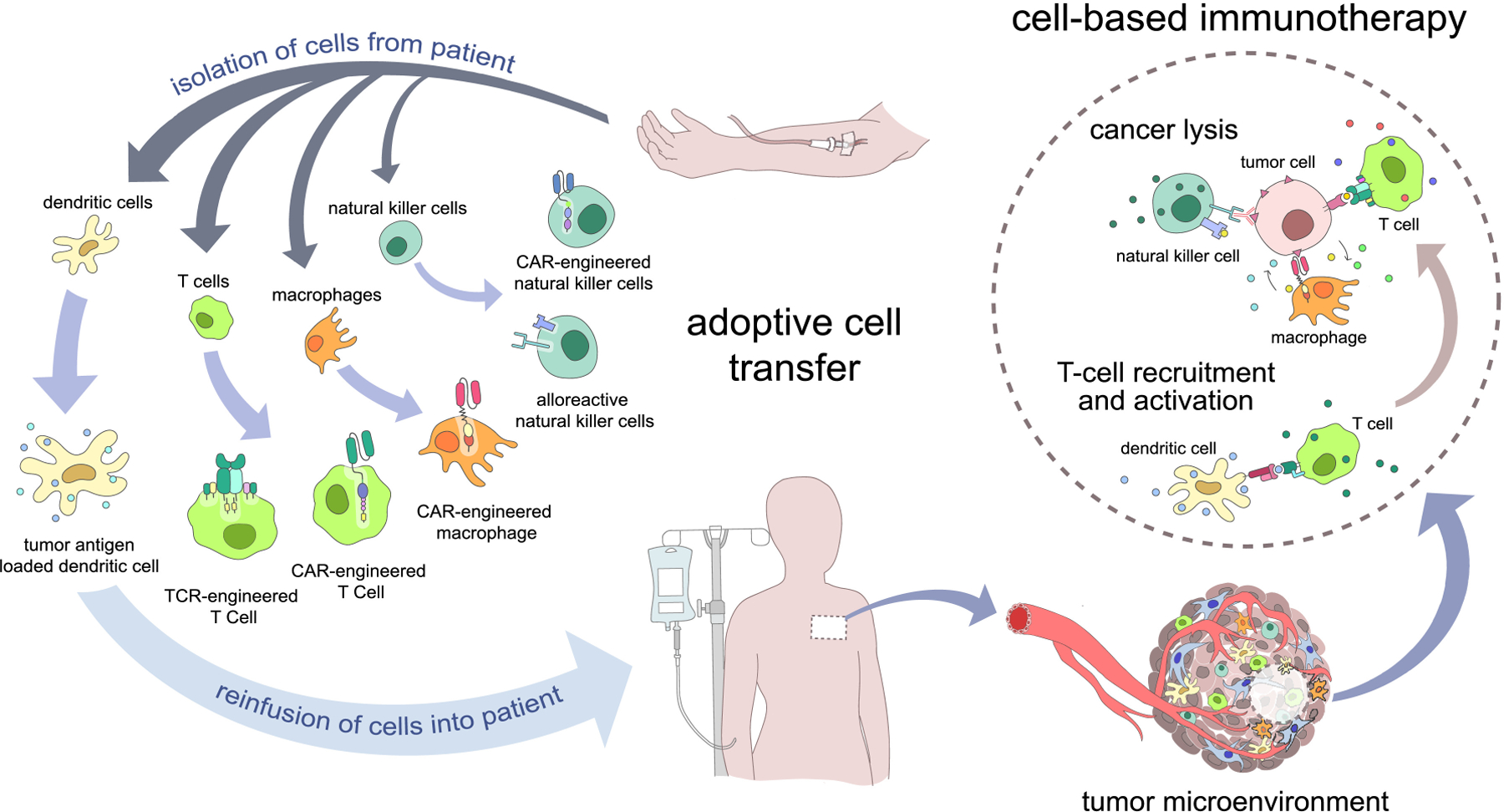
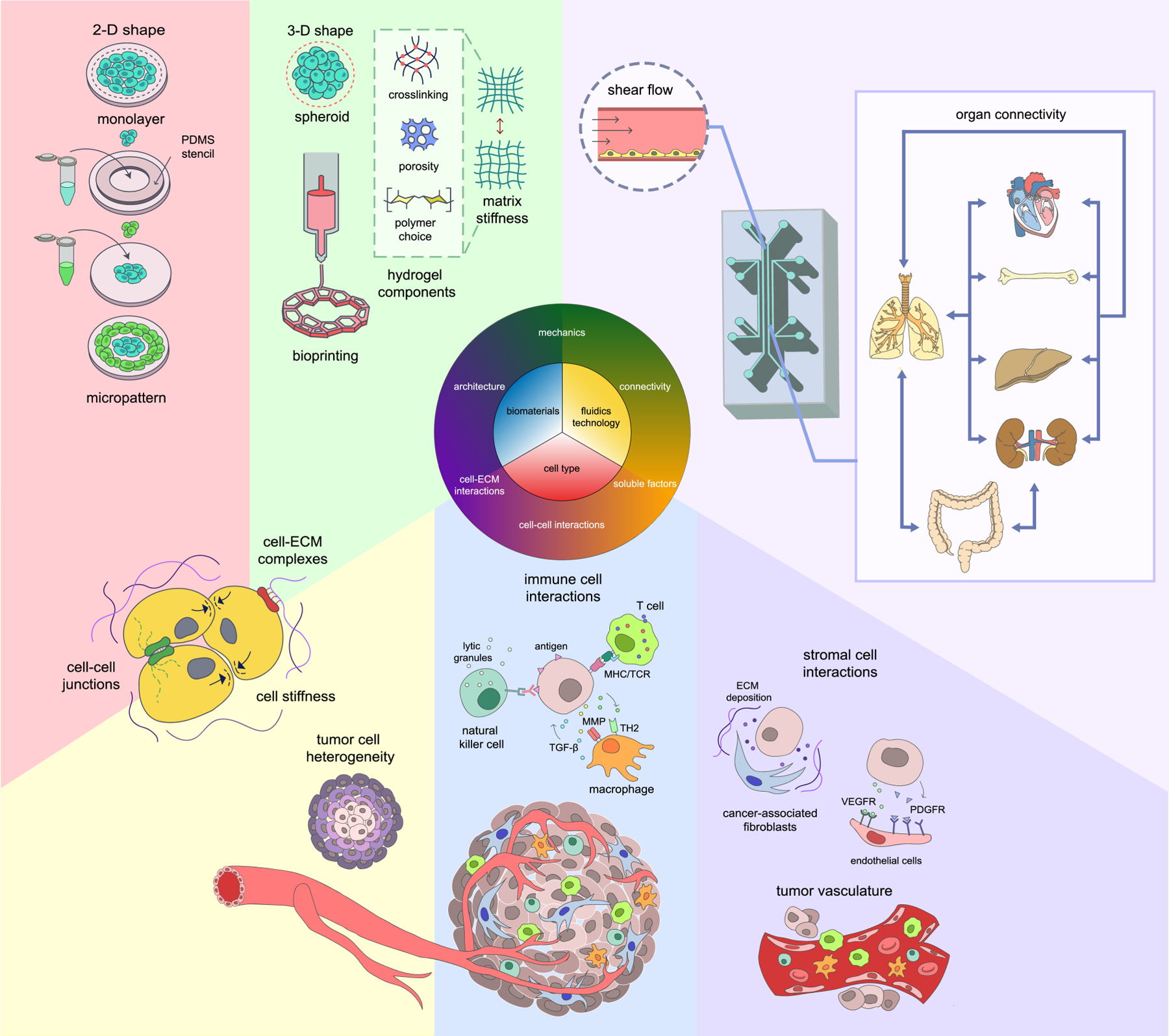
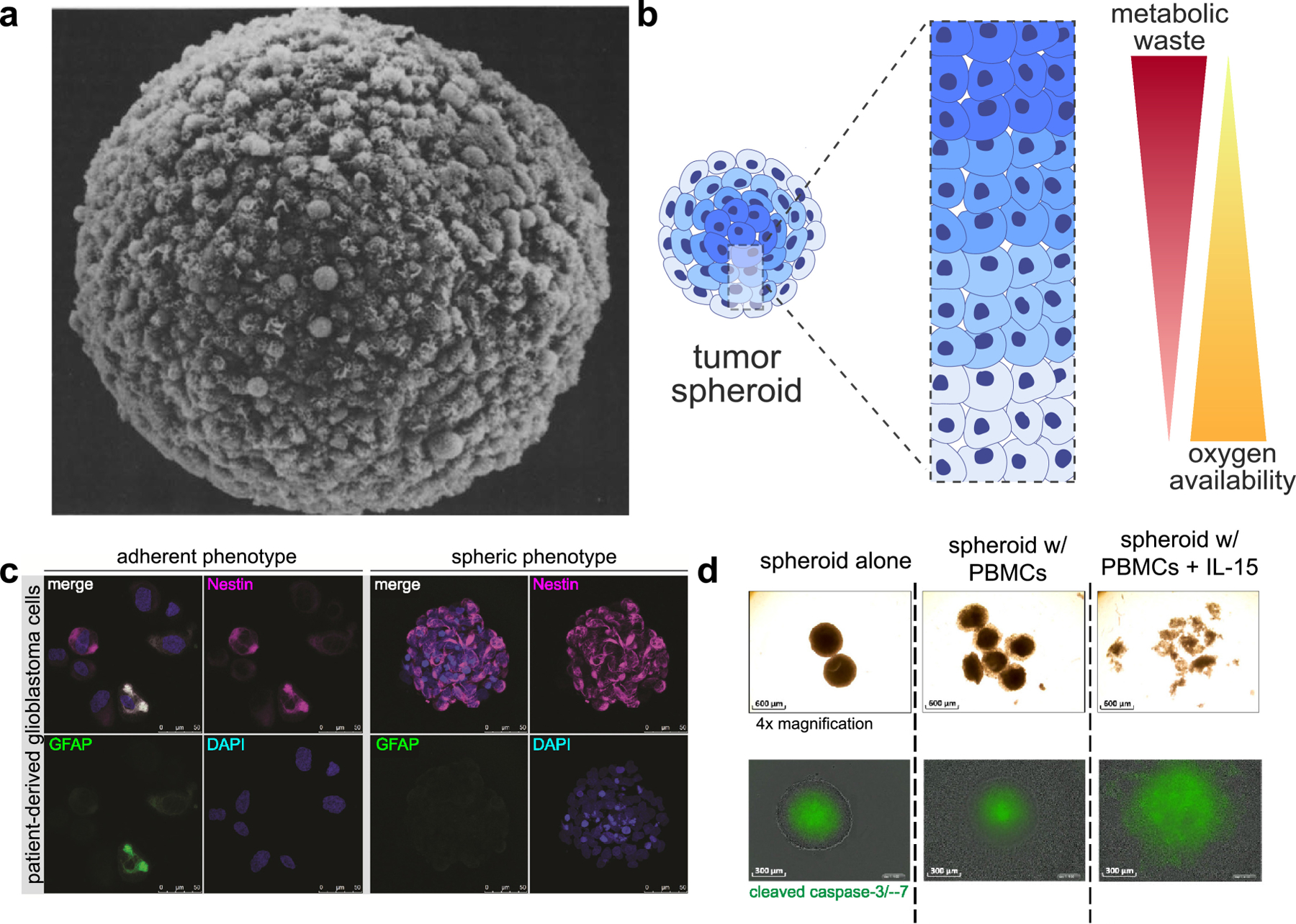
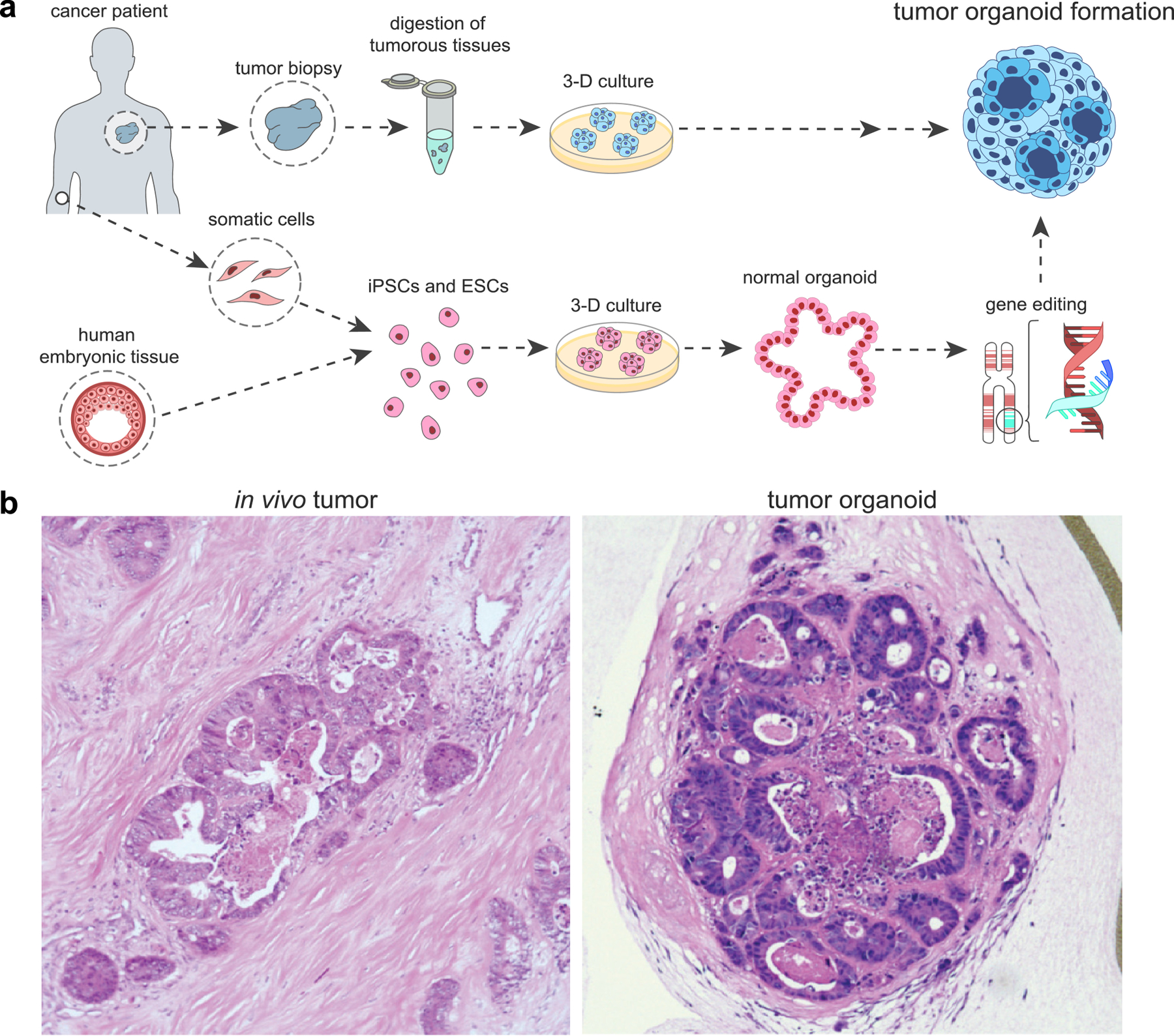
Tumor immunotherapy is rapidly evolving as one of the major pillars of cancer treatment. Cell-based immunotherapies, which utilize patient's own immune cells to eliminate cancer cells, have shown great promise in treating a range of malignancies, especially those of hematopoietic origins. However, their performance on a broader spectrum of solid tumor types still fall short of expectations in the clinical stage despite promising preclinical assessments. In this review, we briefly introduce cell-based immunotherapies and the inhibitory mechanisms in tumor microenvironments that may have contributed to this discrepancy. Specifically, a major obstacle to the clinical translation of cell-based immunotherapies is in the lack of preclinical models that can accurately assess the efficacies and mechanisms of these therapies in a (patho-)physiologically relevant manner. Lately, tissue engineering and organ-on-a-chip tools and microphysiological models have allowed for more faithful recapitulation of the tumor microenvironments, by incorporating crucial tumor tissue features such as cellular phenotypes, tissue architecture, extracellular matrix, physical parameters, and their dynamic interactions. This review summarizes the existing engineered tumor models with a focus on tumor immunology and cell-based immunotherapy. We also discuss some key considerations for the future development of engineered tumor models for immunotherapeutics. STATEMENT OF SIGNIFICANCE: Cell-based immunotherapies have shown great promise in treating hematological malignancies and some epithelial tumors. However, their performance on a broader spectrum of solid tumor types still fall short of expectations. Major obstacles include the inhibitory mechanisms in tumor microenvironments (TME) and the lack of preclinical models that can accurately assess the efficacies and mechanisms of cellular therapies in a (patho-)physiologically relevant manner. In this review, we introduce recent progress in tissue engineering and microphysiological models for more faithful recapitulation of TME for cell-based immunotherapies, and some key considerations for the future development of engineered tumor models. This overview will provide a better understanding on the role of engineered models in accelerating immunotherapeutic discoveries and clinical translations.
肿瘤免疫疗法作为癌症治疗的主要支柱之一正在迅速发展。基于细胞的免疫疗法利用患者自身的免疫细胞来消除癌细胞,在治疗一系列恶性肿瘤方面显示出巨大的潜力,尤其是那些起源于血液的恶性肿瘤。然而,尽管在临床前评估中表现出了很大的希望,但在更广泛的实体肿瘤类型中,它们的表现仍未达到预期。在这篇综述中,我们简要介绍了基于细胞的免疫疗法和肿瘤微环境中的抑制机制,这些机制可能导致了这种差异。具体来说,基于细胞的免疫疗法在临床转化中面临的一个主要障碍是缺乏能够以(病理)生理相关的方式准确评估这些疗法的疗效和机制的临床前模型。最近,组织工程和器官芯片工具以及微生理模型通过纳入关键的肿瘤组织特征,如细胞表型、组织架构、细胞外基质、物理参数及其动态相互作用,使得更准确地再现肿瘤微环境成为可能。本综述总结了现有的工程化肿瘤模型,重点介绍了肿瘤免疫学和基于细胞的免疫疗法。我们还讨论了未来为免疫治疗开发工程化肿瘤模型的一些关键考虑因素。
基于细胞的免疫疗法在治疗血液恶性肿瘤和一些上皮肿瘤方面显示出巨大的潜力。然而,它们在更广泛的实体肿瘤类型中的表现仍未达到预期。主要障碍包括肿瘤微环境(TME)中的抑制机制和缺乏能够以(病理)生理相关的方式准确评估细胞疗法的疗效和机制的临床前模型。在这篇综述中,我们介绍了组织工程和微生理模型的最新进展,这些模型可以更真实地再现 TME,用于基于细胞的免疫疗法,并讨论了未来工程化肿瘤模型发展的一些关键考虑因素。这篇综述将更好地理解工程化模型在加速免疫治疗发现和临床转化中的作用。