Vardhan Seshu, Sahoo Suban K
Department of Chemistry, Sardar Vallabhbhai National Institute of Technology (SVNIT), Surat, 395007, Gujarat, India.
J Tradit Complement Med. 2022 Jan;12(1):6-15. doi: 10.1016/j.jtcme.2021.04.001. Epub 2021 Apr 12.
The year 2020 begins with the outbreak of severe acute respiratory syndrome coronavirus 2 (SARS-CoV-2) that cause the disease COVID-19, and continue till today. As of March 23, 2021, the outbreak has infected 124,313,054 worldwide with a total death of 2,735,707. The use of traditional medicines as an adjuvant therapy with western drugs can lower the fatality rate due to the COVID-19. Therefore, molecular docking study was performed to search potential phytochemicals and drugs that can block the entry of SARS-CoV-2 into host cells by inhibiting the proteolytic cleavage activity of furin and TMPRSS2.
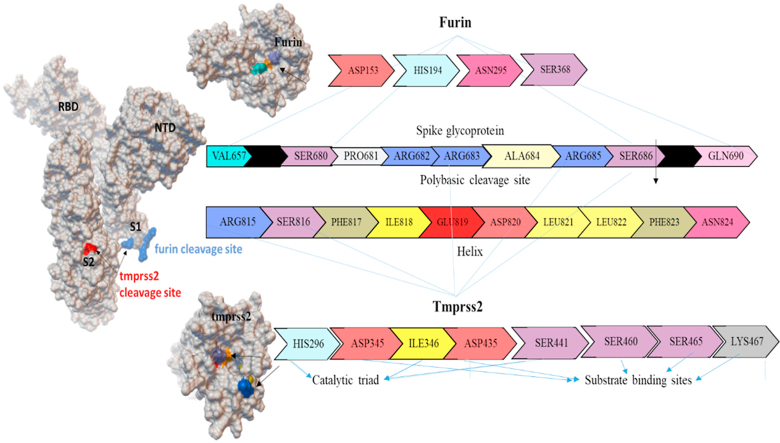
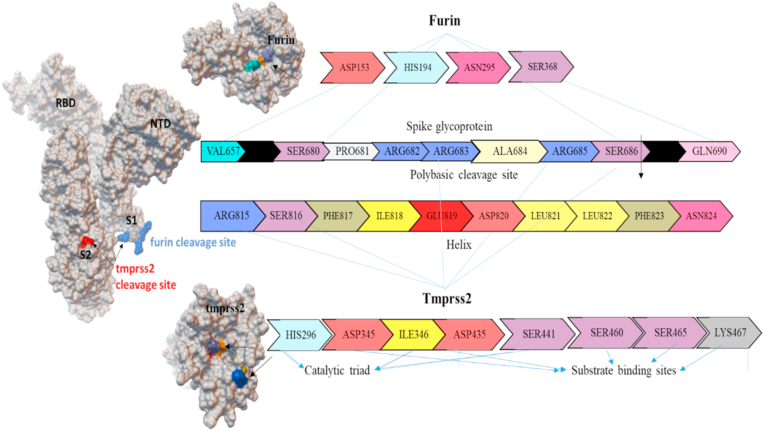
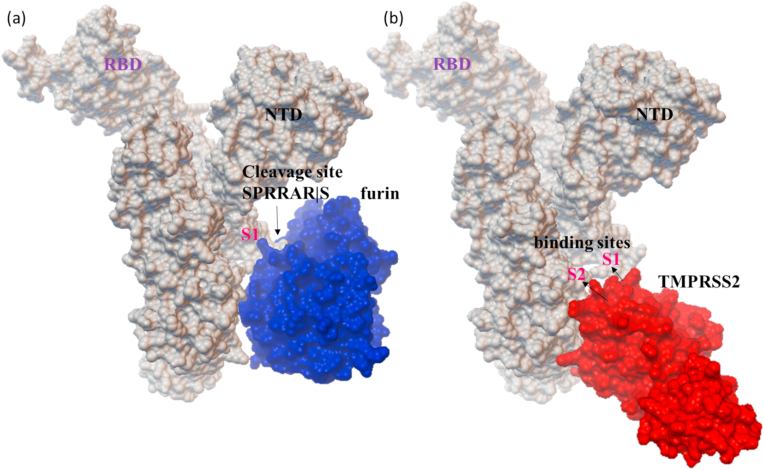
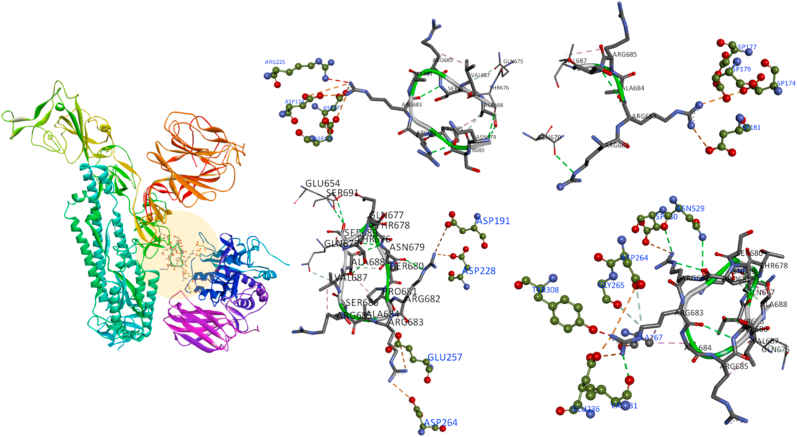
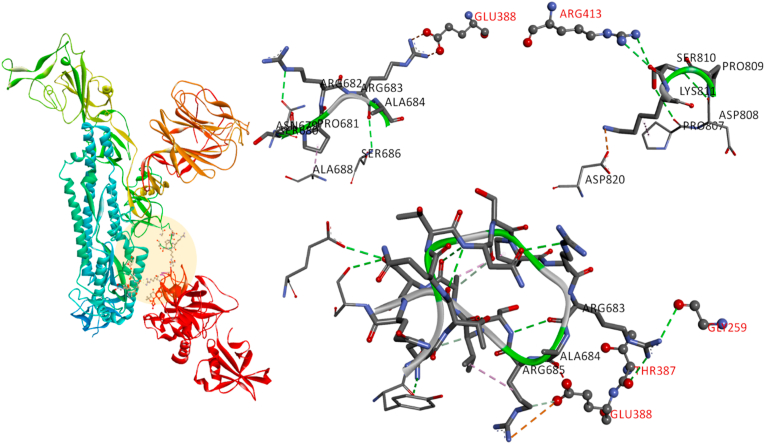
The protein-protein docking of the host proteases furin and TMPRSS2 was carried out with the virus spike (S) protein to examine the conformational details and residues involved in the complex formation. Subsequently, a library of 163 ligands containing phytochemicals and drugs was virtually screened to propose potential hits that can inhibit the proteolytic cleavage activity of furin and TMPRSS2.
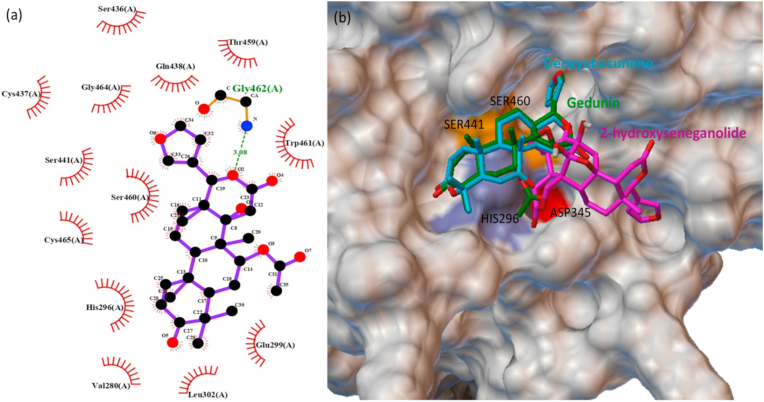
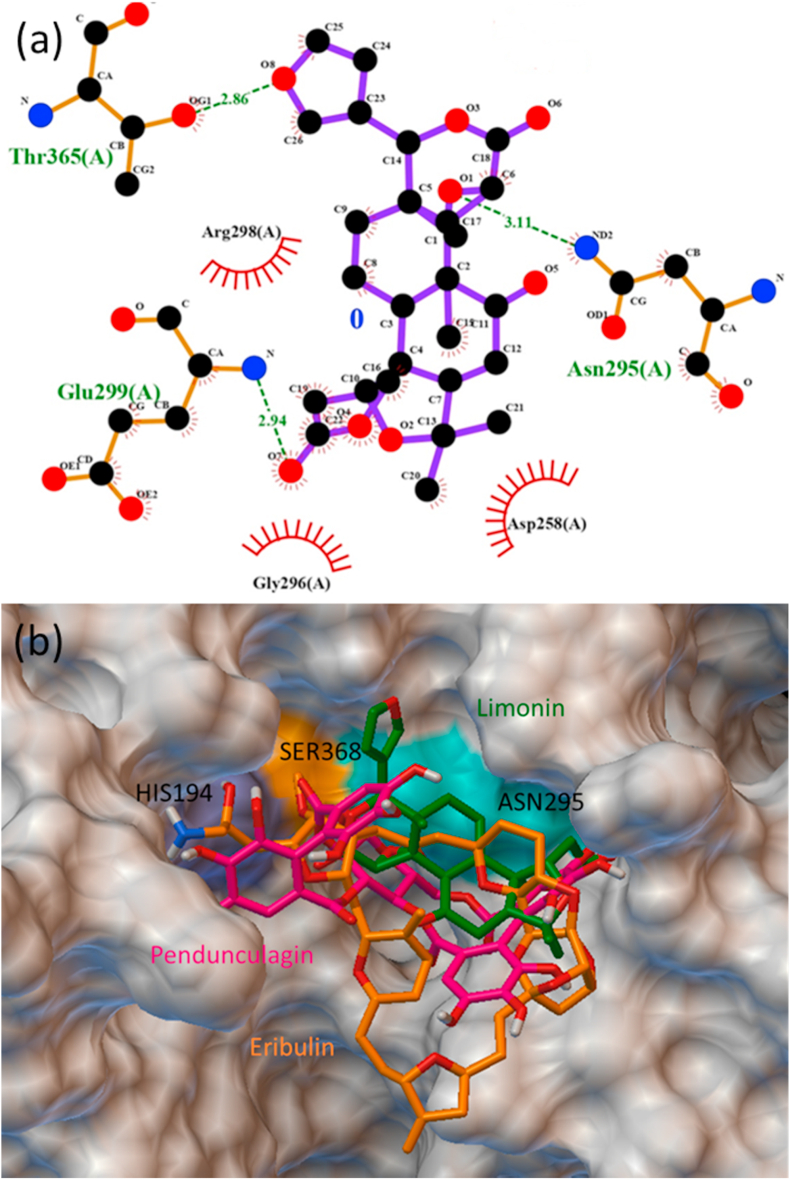
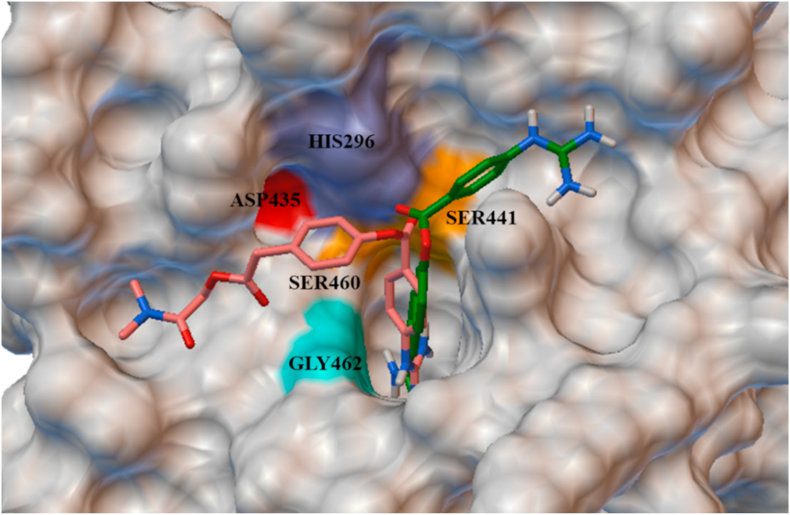
The phytochemicals like limonin, gedunin, eribulin, pedunculagin, limonin glycoside and betunilic acid bind at the active site of both furin and TMPRSS2. Limonin and gedunin found mainly in the citrus fruits and neem showed the highest binding energy at the active site of furin and TMPRSS2, respectively. The polyphenols found in green tea can also be useful in suppressing the furin activity. Among the drugs, the drug nafamostat may be more beneficial than the camostat in suppressing the activity of TMPRSS2.
2020年始于严重急性呼吸综合征冠状病毒2(SARS-CoV-2)爆发,该病毒引发了COVID-19疾病,且持续至今。截至2021年3月23日,全球疫情已感染124,313,054人,总计死亡2,735,707人。使用传统药物作为西药的辅助疗法可降低COVID-19的死亡率。因此,进行了分子对接研究,以寻找能够通过抑制弗林蛋白酶和跨膜丝氨酸蛋白酶2(TMPRSS2)的蛋白水解切割活性来阻止SARS-CoV-2进入宿主细胞的潜在植物化学物质和药物。
将宿主蛋白酶弗林蛋白酶和TMPRSS2与病毒刺突(S)蛋白进行蛋白质-蛋白质对接,以检查复合物形成过程中的构象细节和相关残基。随后,对包含植物化学物质和药物的163种配体库进行虚拟筛选,以提出能够抑制弗林蛋白酶和TMPRSS2蛋白水解切割活性的潜在命中物。
柠檬苦素、格杜宁、艾瑞布林、诃子鞣质、柠檬苦素糖苷和桦木酸等植物化学物质在弗林蛋白酶和TMPRSS2的活性位点均有结合。主要存在于柑橘类水果和印楝中的柠檬苦素和格杜宁分别在弗林蛋白酶和TMPRSS2的活性位点显示出最高结合能。绿茶中的多酚类物质也可能有助于抑制弗林蛋白酶活性。在药物中,那法莫司他在抑制TMPRSS2活性方面可能比卡莫司他更有益。