Gillespie Andrea H, Doctor Allan
Division of Pediatric Hematology and Oncology, Oregon Health and Sciences University, Portland, OR, United States.
Division of Pediatric Critical Care Medicine, The Center for Blood Oxygen Transport and Hemostasis, University of Maryland School of Medicine, Baltimore, MD, United States.
Front Pediatr. 2021 Apr 1;9:629824. doi: 10.3389/fped.2021.629824. eCollection 2021.
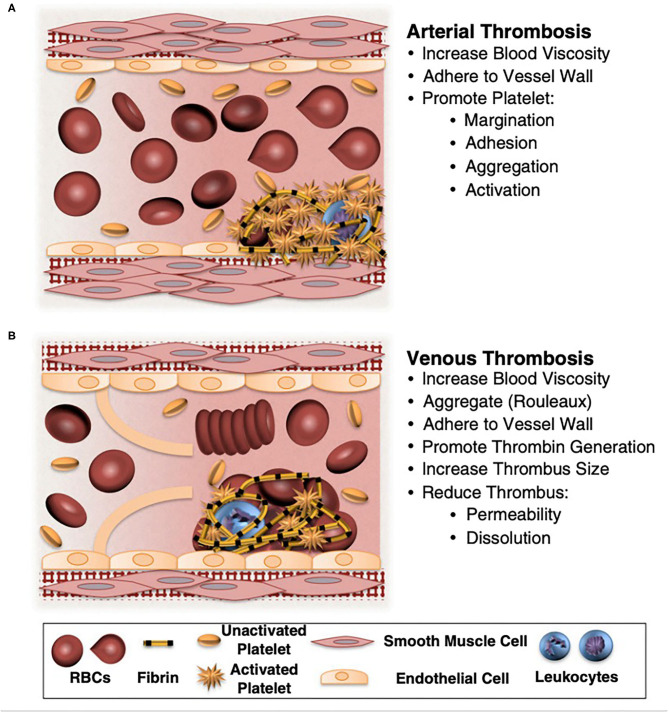
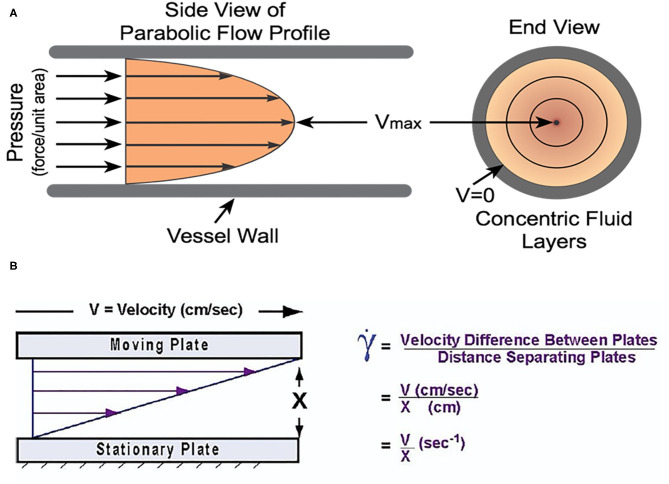
Red Blood Cells (RBCs) have been increasingly recognized to play important roles in hemostasis and the mechanisms by which they do so continue to be elucidated. First and foremost, RBC biomechanics are the principal determinant of viscosity and flow dynamics of blood, which strongly influence all features of hemostasis. Of note, morphologic pathology, such as that found in sickle cell disease, leads to increased risk of thrombotic disease. RBC surface interactions govern signaling between platelets and RBCs and also aid in the conversion of prothrombin to thrombin. Additionally, RBCs generate microparticles which have been shown to reduce clotting time. Finally, blood clot structure and maturation are dependent on the inclusion of RBCs in forming thrombi. Here, we review the above mechanisms of RBC contribution to hemostasis.
红细胞(RBCs)在止血过程中发挥的重要作用已得到越来越多的认可,其作用机制也在不断被阐明。首先也是最重要的一点,红细胞生物力学是血液粘度和流动动力学的主要决定因素,这对止血的所有特征都有强烈影响。值得注意的是,形态学病理状况,如镰状细胞病中发现的情况,会导致血栓形成疾病风险增加。红细胞表面相互作用控制着血小板与红细胞之间的信号传导,也有助于凝血酶原转化为凝血酶。此外,红细胞会产生微粒,这些微粒已被证明可缩短凝血时间。最后,血凝块的结构和成熟依赖于红细胞参与形成血栓。在此,我们综述红细胞对止血作用的上述机制。