German Institute on Addiction and Prevention Research (DISuP), Catholic University of Applied Sciences of North Rhine-Westphalia, Cologne, Germany.
Front Public Health. 2021 Mar 31;9:557431. doi: 10.3389/fpubh.2021.557431. eCollection 2021.
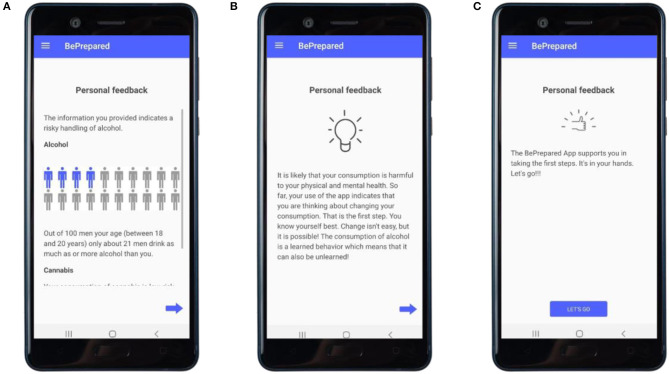
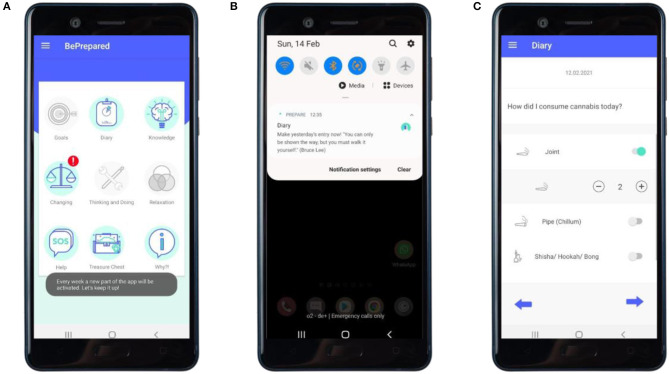
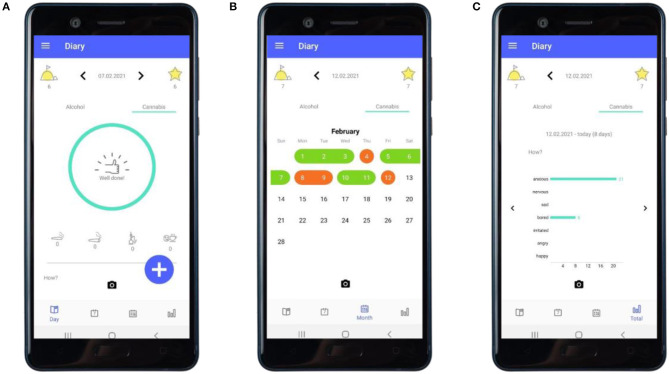
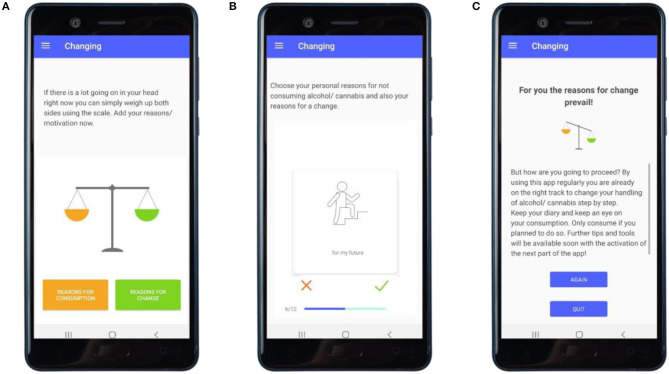
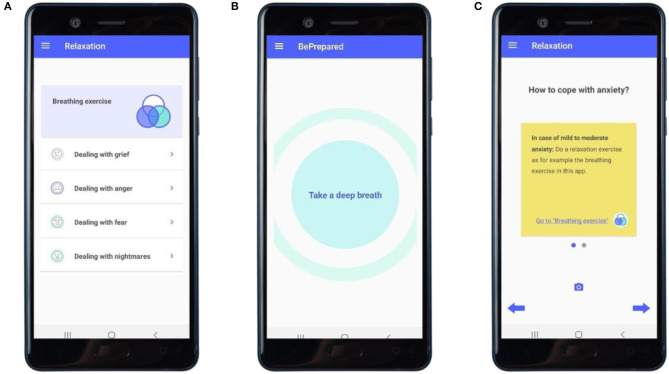
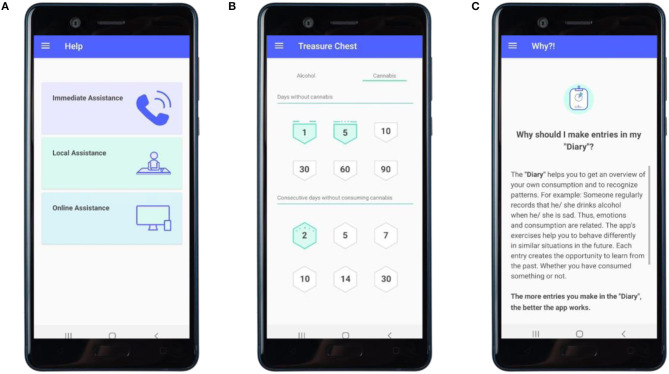
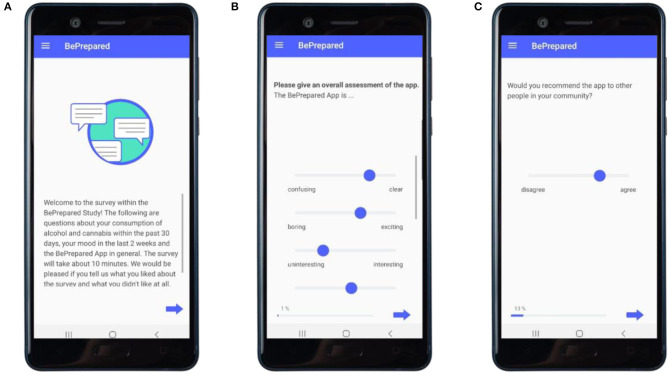
Refugee populations are at substantial risk of developing substance use disorder (SUD) and other mental health disorders. At the same time, refugee populations face numerous barriers to accessing mental health services. Digital interventions can address some of these issues, as emerging evidence indicates that digital interventions offer an effective, low-cost alternative with high accessibility and similar efficacy as standard SUD prevention programs. As an add-on to traditional services, they further present a viable approach to the lack of personnel available for foreign language communication in preventive and therapeutic settings. In the present study, we thus aim to develop and evaluate a digital health intervention (DHI) for the reduction of substance use for young refugees with problematic use of alcohol and/or cannabis. The intervention will be implemented in a smartphone app, translated into Arabic, English, Farsi, German, and Pashto, and is to be used stand-alone. It is based on methods from cognitive behavioral therapy, contains culturally adapted elements, provides practical information on how to deal safely with alcohol and cannabis, and motivates behavior change through increased self-reflection and behavioral, cognitive, and emotional skills-training in interactive exercises. We conduct a single-armed feasibility trial among 150 young refugees with problematic use of alcohol and/or cannabis. Participants will receive a digital screening and digital health intervention (DHI) for the reduction of problematic substance use, carried out over a 4-week time frame. The primary outcomes are the intervention's feasibility and the target population's acceptance of the intervention. The secondary outcome is a change in substance use post-intervention from baseline. Measurements are taken pre-intervention (baseline), post-intervention (after 4 weeks), and at 3- and 6-month follow-ups. We expect the intervention to be feasible and accepted by the target group. The present study will establish to what degree the digital intervention (the "BePrepared App") is feasible and accepted by the target group. The evaluation of an easily accessible, feasible, and accepted intervention may impact refugees' mental health and health-related consequences. It aims at overcoming barriers to preventive health care in the substance use field for underserved refugee populations as a tool within a larger set of urgently needed interventions. DRKS00021095 at the "German Clinical Trials Register" (30.03.2020).
难民群体面临着患上物质使用障碍(SUD)和其他心理健康障碍的巨大风险。与此同时,难民群体在获得心理健康服务方面面临着诸多障碍。数字干预措施可以解决其中的一些问题,因为新出现的证据表明,数字干预措施提供了一种有效、低成本的替代方案,具有高可及性和与标准 SUD 预防计划相似的疗效。作为对传统服务的补充,它们进一步为预防和治疗环境中缺乏外语交流人员提供了一种可行的方法。在本研究中,我们旨在为有问题地使用酒精和/或大麻的年轻难民开发和评估一种用于减少物质使用的数字健康干预措施(DHI)。该干预措施将以智能手机应用程序的形式实施,翻译成阿拉伯语、英语、波斯语、德语和普什图语,并将独立使用。它基于认知行为疗法的方法,包含文化适应性元素,提供关于如何安全处理酒精和大麻的实用信息,并通过在互动练习中增加自我反思和行为、认知和情感技能培训来激励行为改变。
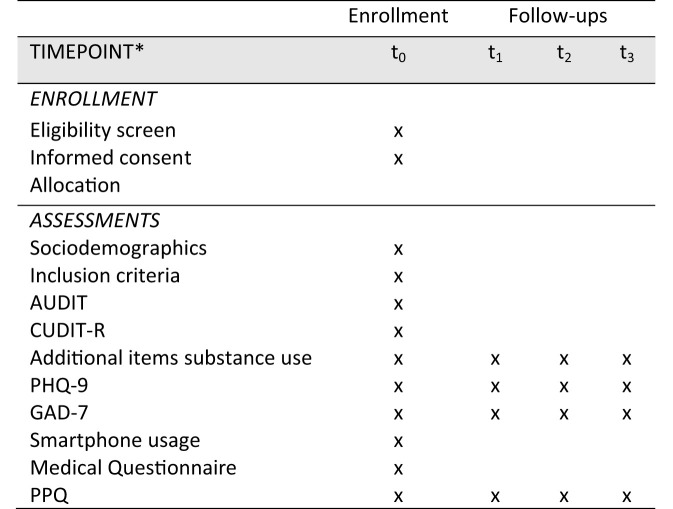
我们在 150 名有问题地使用酒精和/或大麻的年轻难民中进行了一项单臂可行性试验。参与者将在 4 周的时间内接受数字筛查和数字健康干预(DHI),以减少问题物质的使用。主要结果是干预措施的可行性和目标人群对干预措施的接受程度。次要结果是干预后物质使用的变化。在干预前(基线)、干预后(4 周后)和 3 个月和 6 个月随访时进行测量。我们预计干预措施将是可行的,并且被目标人群接受。
本研究将确定数字干预措施(“BePrepared App”)在多大程度上被目标人群所接受。评估一种易于获取、可行且被接受的干预措施可能会对难民的心理健康和相关健康后果产生影响。它旨在克服服务不足的难民群体在物质使用领域获得预防保健的障碍,作为更广泛的急需干预措施之一。DRKS00021095 在“德国临床试验注册处”(2020 年 3 月 30 日)。