Liu Zhonghui, Sun Dan, Zhu Qing, Liu Xinmin
Department of Geriatrics, Peking University First Hospital, Beijing, China.
Institutes of Biomedical Sciences, Shanghai Medical College of Fudan University, Shanghai, China.
Bioengineered. 2021 Dec;12(1):1273-1285. doi: 10.1080/21655979.2021.1911211.
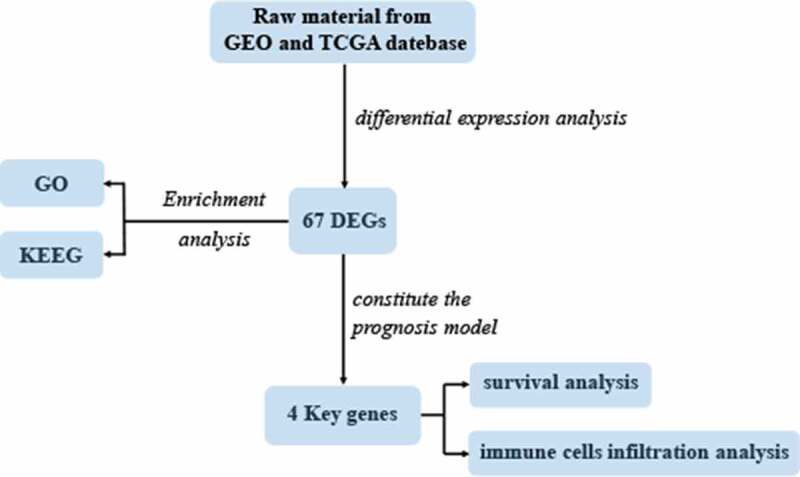
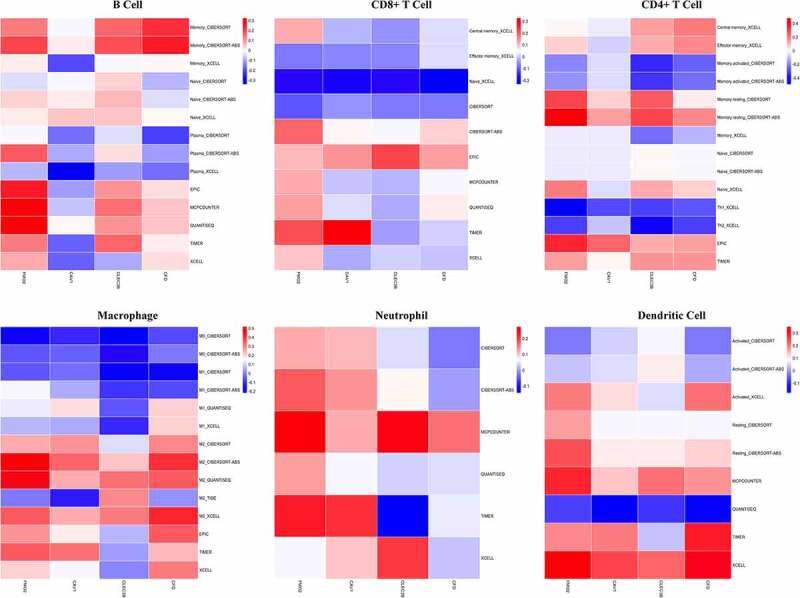
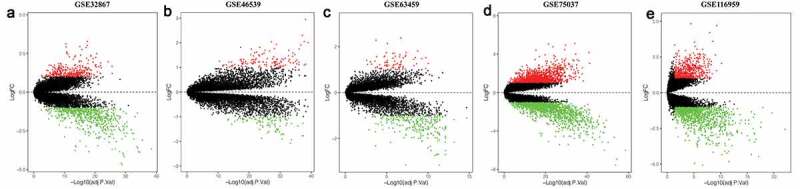
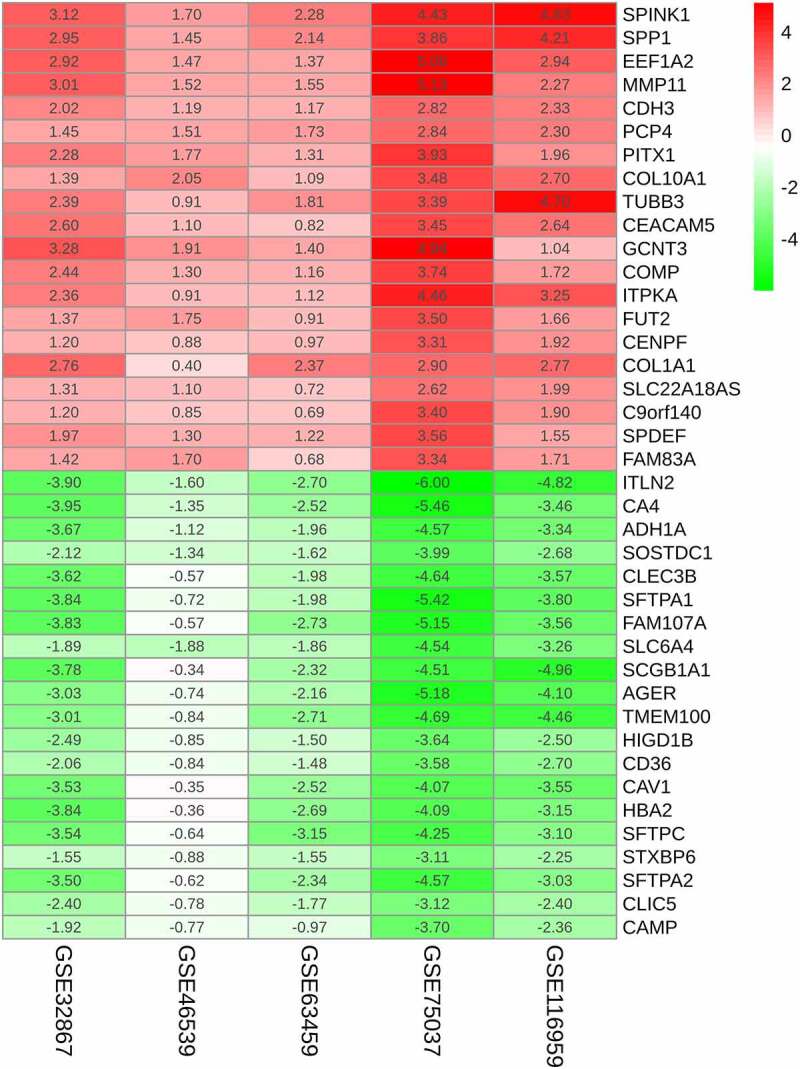
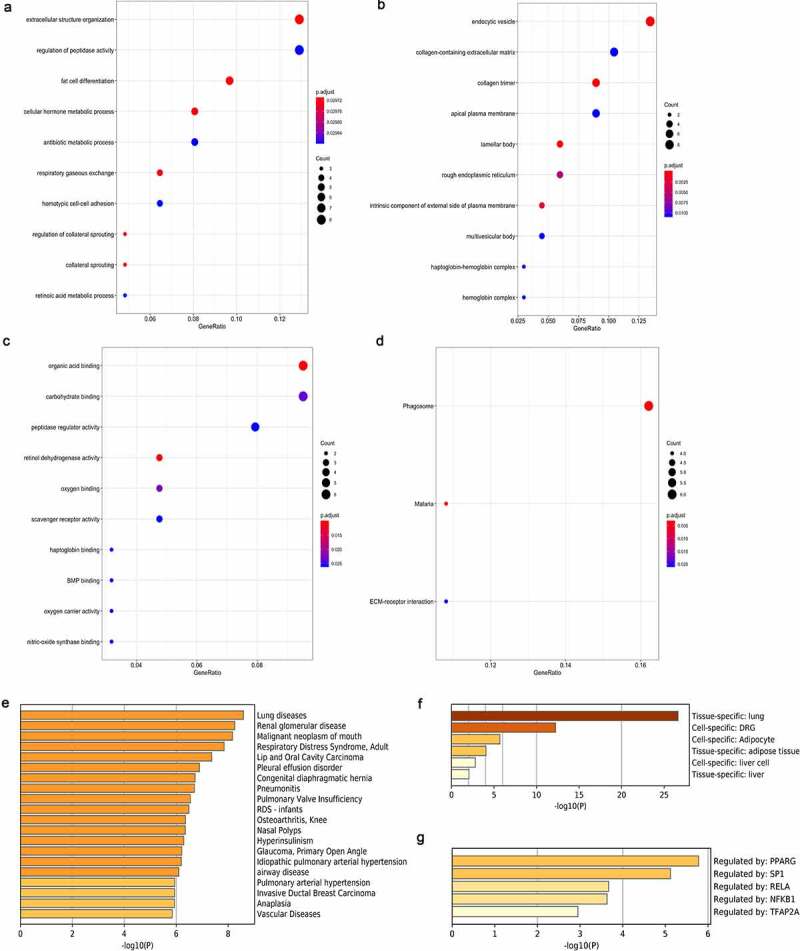
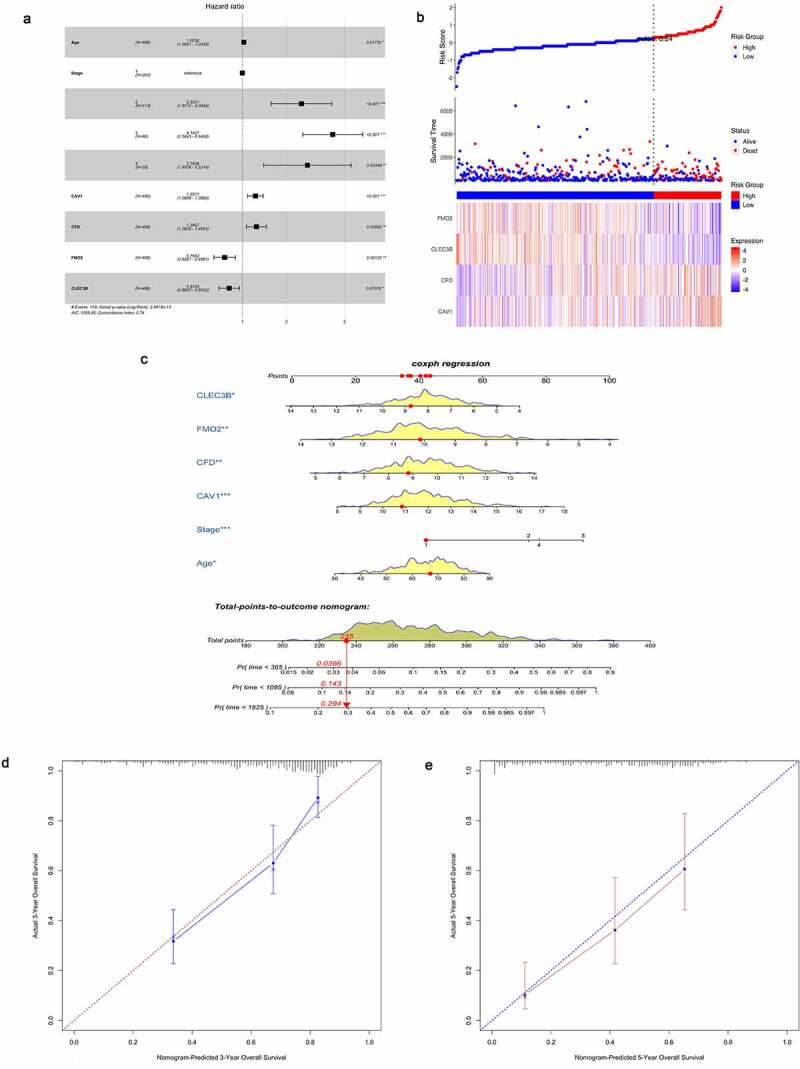
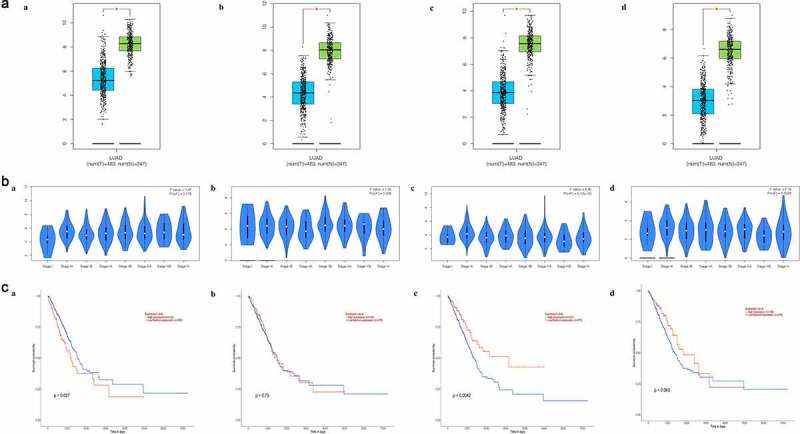
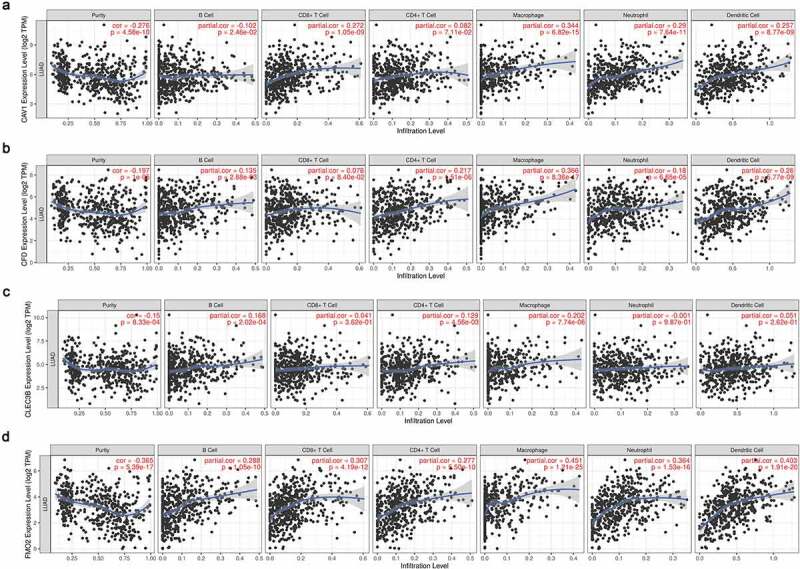
Lung adenocarcinoma (LUAD) accounts for a frequently seen non-small cell lung cancer (NSCLC) histological subtype, and it is associated with dismal prognostic outcome. However, the benefits of traditional treatment are still limited, and the efficacies of immunotherapy are quite different. Therefore, it is of great significance to identify novel immune-related therapeutic targets in lung adenocarcinoma. In this study, we identified a set of immune-related biomarkers for prognosis of lung adenocarcinoma, which could provide new ideas for immunotherapy of lung adenocarcinoma. Datasets related to LUAD were filtered from the GEO database. The appropriate packages were used to identify differentially expressed genes (DEGs) and to carry out enrichment analysis, followed by the construction of prognostic biomarkers. The Kaplan-Meier (K-M) curves were plotted to analyze patient survival based on hub genes. Associations between the expression of selected biomarkers and six types of tumor-infiltrating immune cells were evaluated based on the online tool TIMER. After analyzing five GEO datasets(GSE32867, GSE46539, GSE63459, GSE75037 and GSE116959), we discovered altogether 67 DEGs, among which, 15 showed up-regulation while 52 showed down-regulation. Enrichments of integrated DEGs were identified in the ontology categories. CAV1, CFD, FMO2 and CLEC3B were eventually selected as independent prognostic biomarkers, they were correlated with clinical outcomes of LUAD patients. Moreover, a positive correlation was observed between biomarker expression and all different types of immune infiltration, and the expression level of the four biomarkers was all positively related to macrophage.
肺腺癌(LUAD)是常见的非小细胞肺癌(NSCLC)组织学亚型,其预后较差。然而,传统治疗的益处仍然有限,免疫治疗的疗效也存在很大差异。因此,识别肺腺癌新的免疫相关治疗靶点具有重要意义。在本研究中,我们鉴定了一组用于肺腺癌预后的免疫相关生物标志物,可为肺腺癌的免疫治疗提供新思路。从GEO数据库中筛选出与LUAD相关的数据集。使用合适的软件包来识别差异表达基因(DEG)并进行富集分析,随后构建预后生物标志物。绘制Kaplan-Meier(K-M)曲线以分析基于枢纽基因的患者生存率。基于在线工具TIMER评估所选生物标志物的表达与六种肿瘤浸润免疫细胞类型之间的关联。在分析了五个GEO数据集(GSE32867、GSE46539、GSE63459、GSE75037和GSE116959)后,我们共发现67个DEG,其中15个上调,52个下调。在本体类别中鉴定了整合DEG的富集情况。最终选择CAV1、CFD、FMO2和CLEC3B作为独立的预后生物标志物,它们与LUAD患者的临床结局相关。此外,观察到生物标志物表达与所有不同类型的免疫浸润之间呈正相关,并且这四种生物标志物的表达水平均与巨噬细胞呈正相关。