Department of Public Health Sciences, Graduate School of Public Health, Seoul National University, Seoul, Republic of Korea.
The Institute for Social Data Science, Pohang University of Science and Technology, Pohang, Republic of Korea.
Sci Rep. 2021 Apr 21;11(1):8581. doi: 10.1038/s41598-021-87837-0.
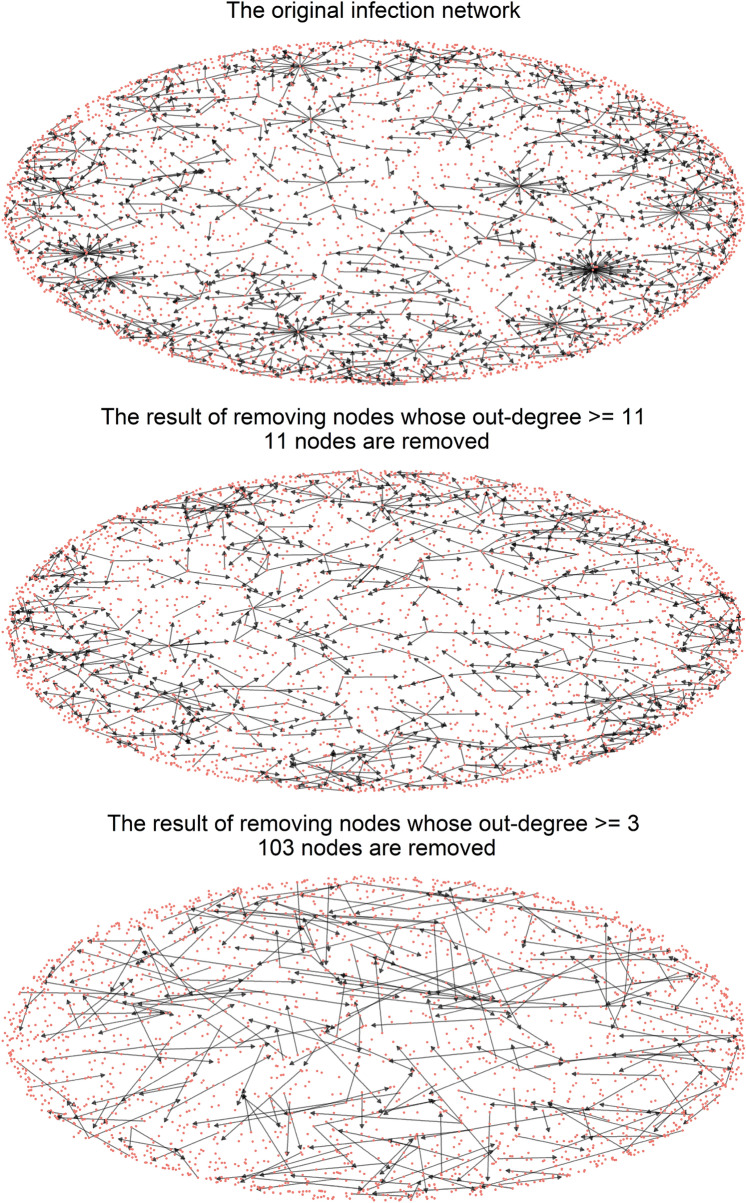
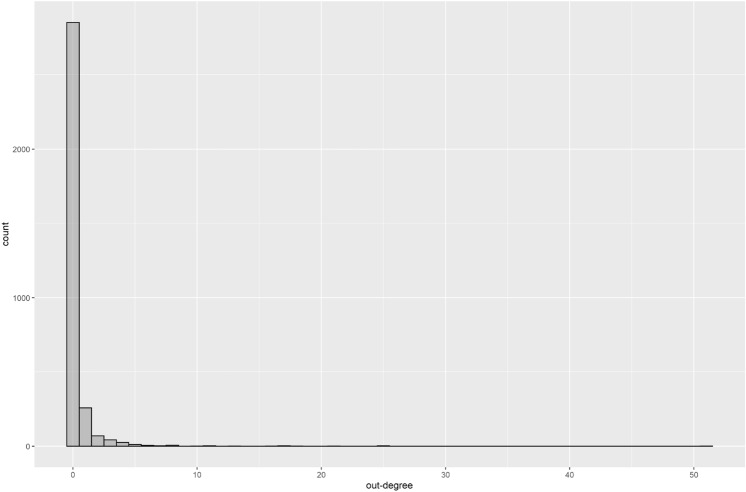
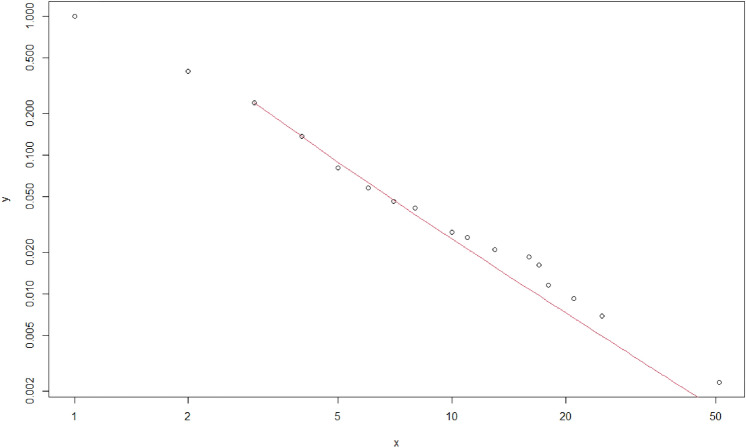
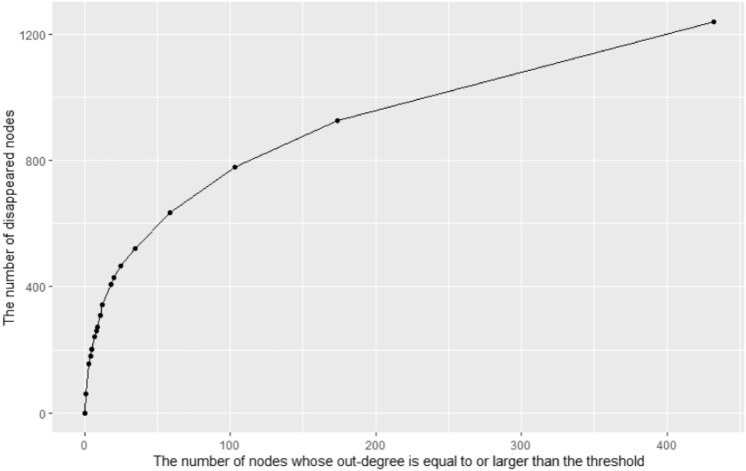
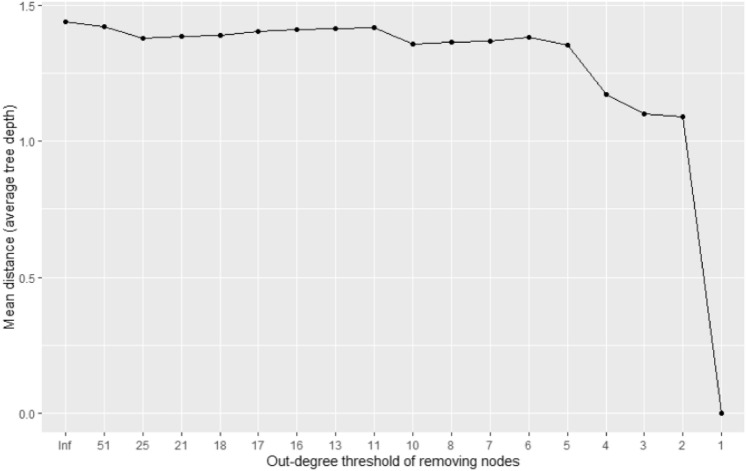
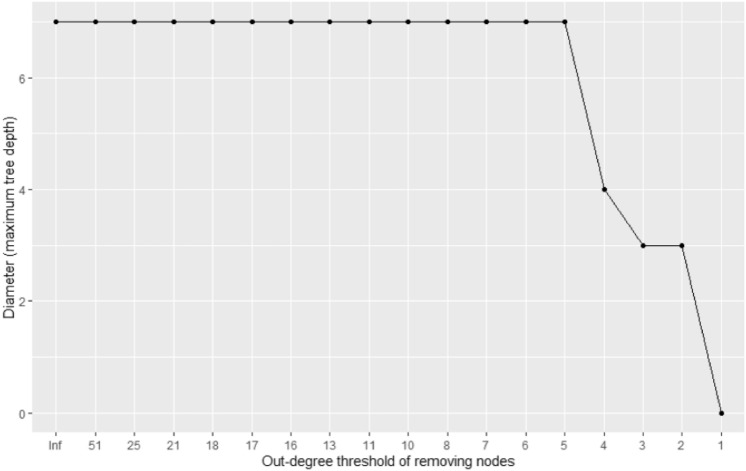
This study estimates the COVID-19 infection network from actual data and draws on implications for policy and research. Using contact tracing information of 3283 confirmed patients in Seoul metropolitan areas from January 20, 2020 to July 19, 2020, this study created an infection network and analyzed its structural characteristics. The main results are as follows: (i) out-degrees follow an extremely positively skewed distribution; (ii) removing the top nodes on the out-degree significantly decreases the size of the infection network, and (iii) the indicators that express the infectious power of the network change according to governmental measures. Efforts to collect network data and analyze network structures are urgently required for the efficiency of governmental responses to COVID-19. Implications for better use of a metric such as R0 to estimate infection spread are also discussed.
本研究从实际数据中估计 COVID-19 感染网络,并从中得出对政策和研究的启示。本研究利用 2020 年 1 月 20 日至 2020 年 7 月 19 日首尔大都市地区 3283 名确诊患者的接触者追踪信息,构建了一个感染网络,并分析了其结构特征。主要结果如下:(i)出度分布呈极端正偏;(ii)去除出度最高的节点会显著减小感染网络的规模;(iii)表示网络传染性的指标会根据政府措施而变化。为了提高政府对 COVID-19 的应对效率,迫切需要收集网络数据并分析网络结构。本文还讨论了更好地利用 R0 等指标来估计感染传播的意义。