Zečević Mila, Mijatović Dejan, Kos Koklič Mateja, Žabkar Vesna, Gidaković Petar
School of Economics and Business, University of Ljubljana, Ljubljana, Slovenia.
Zuehlke Engineering, Schlieren, Switzerland.
J Med Internet Res. 2021 Apr 22;23(4):e25160. doi: 10.2196/25160.
The availability and use of mobile apps in health and nutrition management are increasing. Ease of access and user friendliness make diet-tracking apps an important ally in their users' efforts to lose and manage weight. To foster motivation for long-term use and to achieve goals, it is necessary to better understand users' opinions and needs for dietary self-monitoring.
The aim of this study was to identify the key topics and issues that users highlight in their reviews of diet-tracking apps on Google Play Store. Identifying the topics that users frequently mention in their reviews of these apps, along with the user ratings for each of these apps, allowed us to identify areas where further improvement of the apps could facilitate app use, and support users' weight loss and intake management efforts.
We collected 72,084 user reviews from Google Play Store for 15 diet-tracking apps that allow users to track and count calories. After a series of text processing operations, two text-mining techniques (topic modeling and topical n-grams) were applied to the corpus of user reviews of diet-tracking apps.
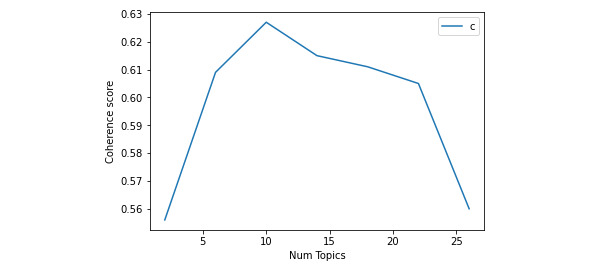
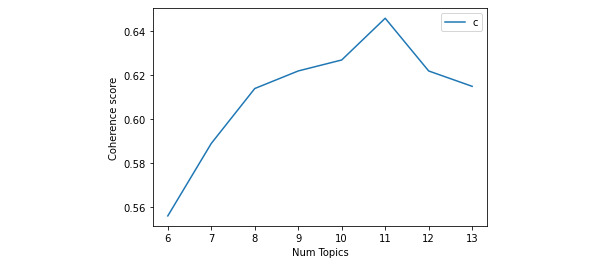
Using the topic modeling technique, 11 separate topics were extracted from the pool of user reviews. Most of the users providing feedback were generally satisfied with the apps they use (average rating of 4.4 out of 5 for the 15 apps). Most topics referred to the positive evaluation of the apps and their functions. Negatively rated topics mostly referred to app charges and technical difficulties encountered. We identified the positive and negative topic trigrams (3-word combinations) among the most frequently mentioned topics. Usability and functionality (tracking options) of apps were rated positively on average. Negative ratings were associated with trigrams related to adding new foods, technical issues, and app charges.
Motivating users to use an app over time could help them better achieve their nutrition goals. Although user reviews generally showed positive opinions and ratings of the apps, developers should pay more attention to users' technical problems and inform users about expected payments, along with their refund and cancellation policies, to increase user loyalty.
健康与营养管理领域中移动应用程序的可用性和使用正在增加。易于访问和用户友好性使饮食追踪应用程序成为用户减肥和管理体重努力中的重要帮手。为了促进长期使用的动机并实现目标,有必要更好地了解用户对饮食自我监测的意见和需求。
本研究的目的是确定用户在谷歌应用商店对饮食追踪应用程序的评论中突出强调的关键主题和问题。识别用户在这些应用程序评论中经常提及的主题,以及每个应用程序的用户评分,使我们能够确定应用程序的哪些方面进一步改进可以促进应用程序的使用,并支持用户的减肥和摄入量管理努力。
我们从谷歌应用商店收集了针对15款允许用户追踪和计算卡路里的饮食追踪应用程序的72084条用户评论。经过一系列文本处理操作后,将两种文本挖掘技术(主题建模和主题n元语法)应用于饮食追踪应用程序的用户评论语料库。
使用主题建模技术,从用户评论库中提取了11个不同的主题。大多数提供反馈的用户总体上对他们使用的应用程序感到满意(15款应用程序的平均评分为4.4分(满分5分))。大多数主题涉及对应用程序及其功能的积极评价。负面评价的主题大多涉及应用程序收费和遇到的技术困难。我们在最常提及的主题中确定了积极和消极的主题三元组(三字组合)。应用程序的可用性和功能(追踪选项)平均得到正面评价。负面评价与与添加新食物、技术问题和应用程序收费相关的三元组有关。
激励用户长期使用应用程序可以帮助他们更好地实现营养目标。尽管用户评论总体上对应用程序显示出积极的意见和评分,但开发者应更加关注用户的技术问题,并告知用户预期的付款情况以及退款和取消政策,以提高用户忠诚度。