Uncovska Marie, Freitag Bettina, Meister Sven, Fehring Leonard
Faculty of Health, School of Medicine, Witten/Herdecke University, Witten, Germany.
Health Care Informatics, Faculty of Health, School of Medicine, Witten/Herdecke University, Witten, Germany.
NPJ Digit Med. 2023 Jun 21;6(1):115. doi: 10.1038/s41746-023-00862-3.
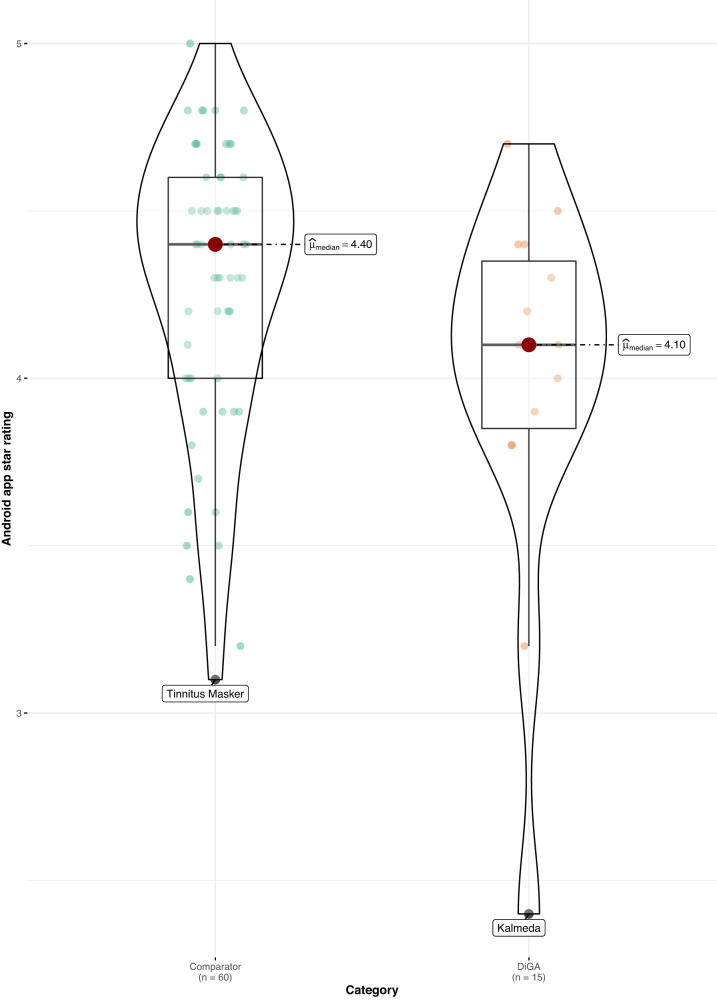
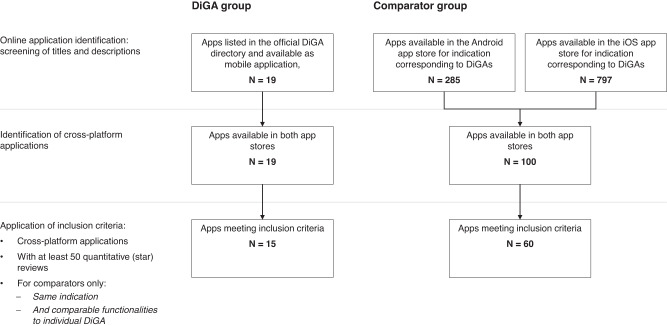
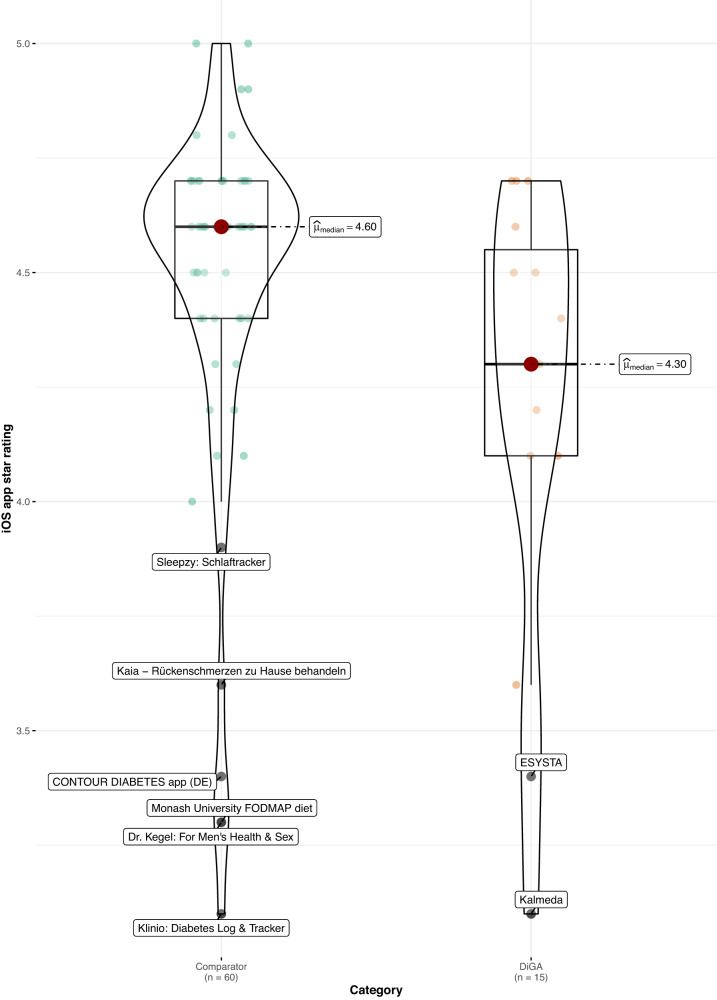
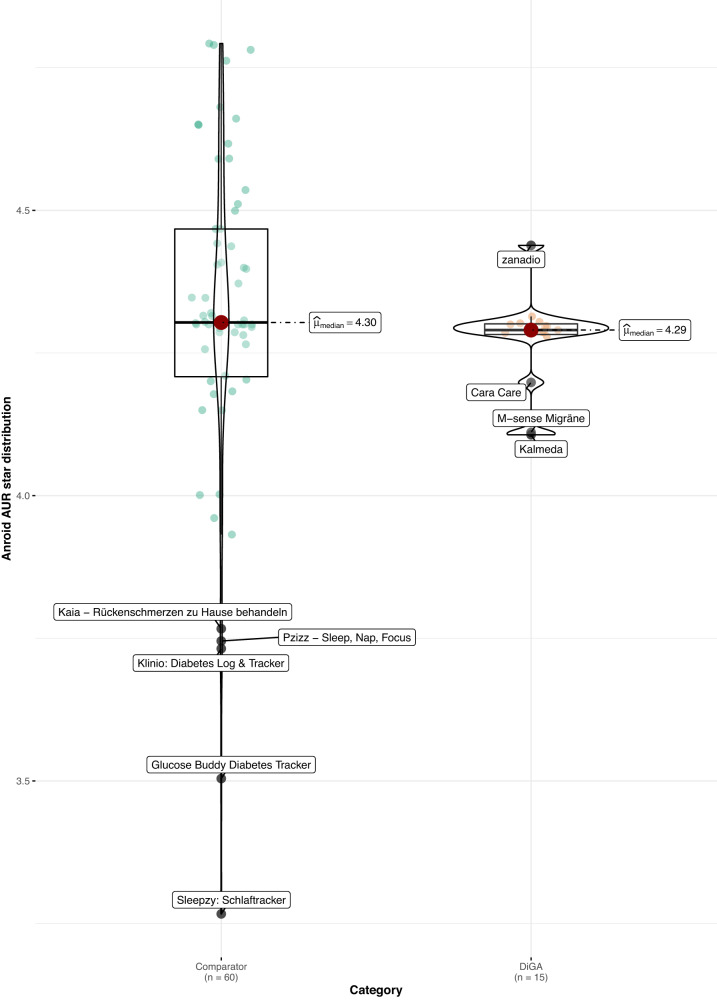
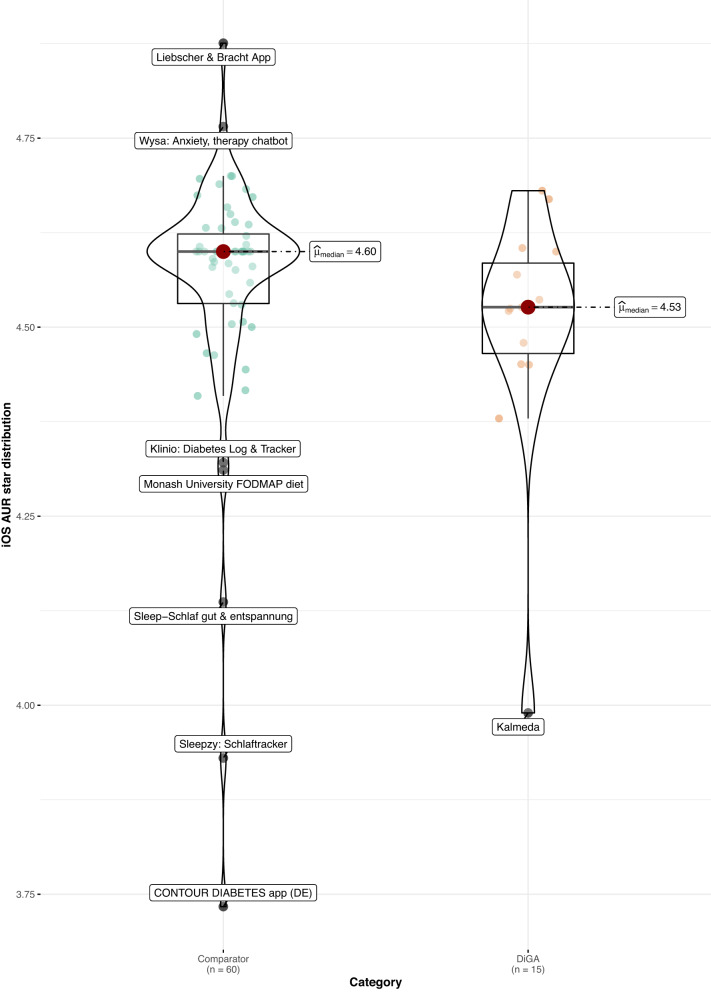
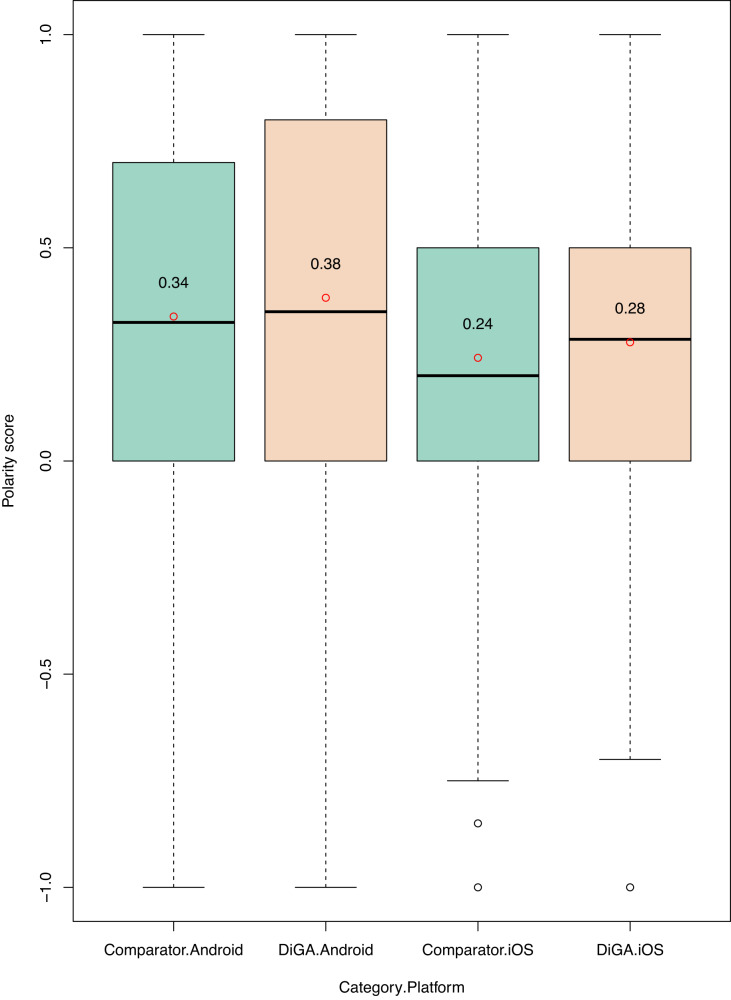
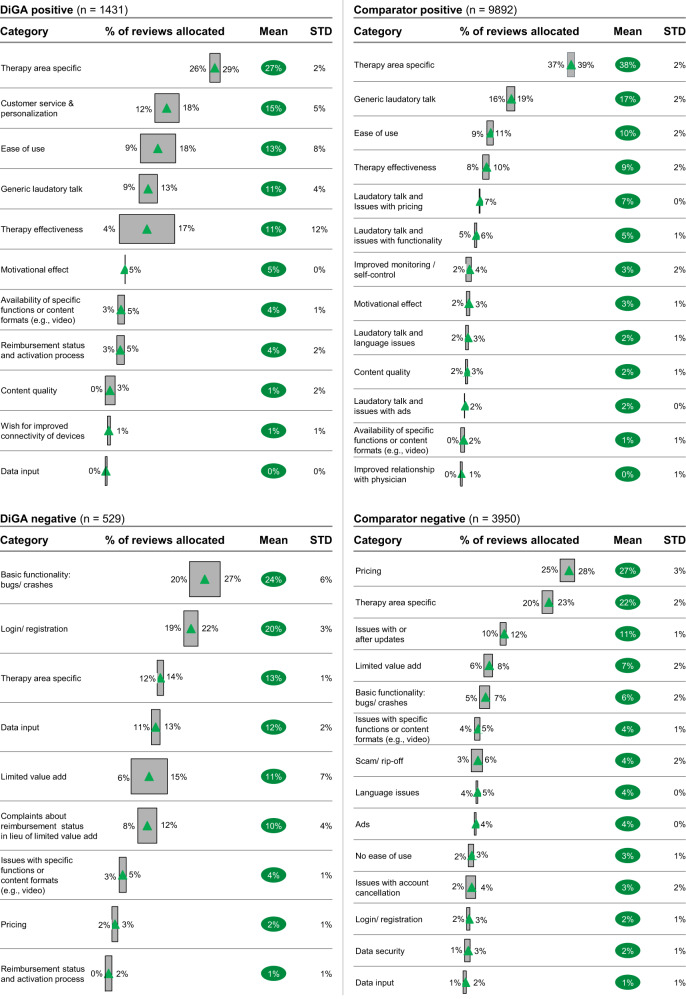
Germany introduced prescription-based mobile health (mHealth) apps in October 2020, becoming the first country to offer them fully reimbursed by health insurance. These regulated apps, known as DiGAs, undergo a rigorous approval process similar to pharmaceuticals, including data protection measures and sometimes clinical trials. This study compares the user experience of DiGAs with non-prescription mHealth apps in Germany, analyzing both average app store ratings and written reviews. Our study pioneers the use of BERTopic for sentiment analysis and topic modeling in the mHealth research domain. The dataset comprises 15 DiGAs and 50 comparable apps, totaling 17,588 German-language reviews. Results reveal that DiGAs receive higher contemporary ratings than non-regulated apps (Android: 3.82 vs. 3.77; iOS: 3.78 vs. 3.53; p < 0.01; non-parametric Mann-Whitney-Wilcoxon test). Key factors contributing to positive user experience with DiGAs are customer service and personalization (15%) and ease of use (13%). However, challenges for DiGAs include software bugs (24%) and a cumbersome registration process (20%). Negative user reviews highlight concerns about therapy effectiveness (11%). Excessive pricing is the main concern for the non-regulated group (27%). Data privacy and security receive limited attention from users (DiGAs: 0.5%; comparators: 2%). In conclusion, DiGAs are generally perceived positively based on ratings and sentiment analysis of reviews. However, addressing pricing concerns in the non-regulated mHealth sector is crucial. Integrating user experience evaluation into the review process could improve adherence and health outcomes.
德国于2020年10月推出了基于处方的移动健康(mHealth)应用程序,成为首个提供由医疗保险全额报销的此类应用程序的国家。这些受监管的应用程序被称为数字健康应用程序(DiGAs),要经过类似于药品的严格审批流程,包括数据保护措施,有时还包括临床试验。本研究比较了德国数字健康应用程序与非处方移动健康应用程序的用户体验,分析了应用商店的平均评分和书面评论。我们的研究率先在移动健康研究领域使用BERTopic进行情感分析和主题建模。数据集包括15个数字健康应用程序和50个可比应用程序,共有17588条德语评论。结果显示,数字健康应用程序的当代评分高于非受监管应用程序(安卓系统:3.82对3.77;iOS:3.78对3.53;p<0.01;非参数曼-惠特尼-威尔科克森检验)。数字健康应用程序带来积极用户体验的关键因素是客户服务和个性化(15%)以及易用性(13%)。然而,数字健康应用程序面临的挑战包括软件漏洞(24%)和繁琐的注册流程(20%)。负面用户评论突出了对治疗效果的担忧(11%)。价格过高是非受监管组的主要担忧(27%)。数据隐私和安全受到用户的关注有限(数字健康应用程序:0.5%;比较对象:2%)。总之,基于评分和评论的情感分析,数字健康应用程序总体上得到了积极评价。然而,解决非受监管移动健康领域的价格担忧至关重要。将用户体验评估纳入审查过程可以提高依从性和健康结果。