Barcelona Supercomputing Center (BSC), Barcelona, Spain.
Regulatory Genomics and Diabetes, Centre for Genomic Regulation, The Barcelona Institute of Science and Technology, Barcelona, Spain.
Nat Commun. 2021 Apr 23;12(1):2436. doi: 10.1038/s41467-021-21952-4.
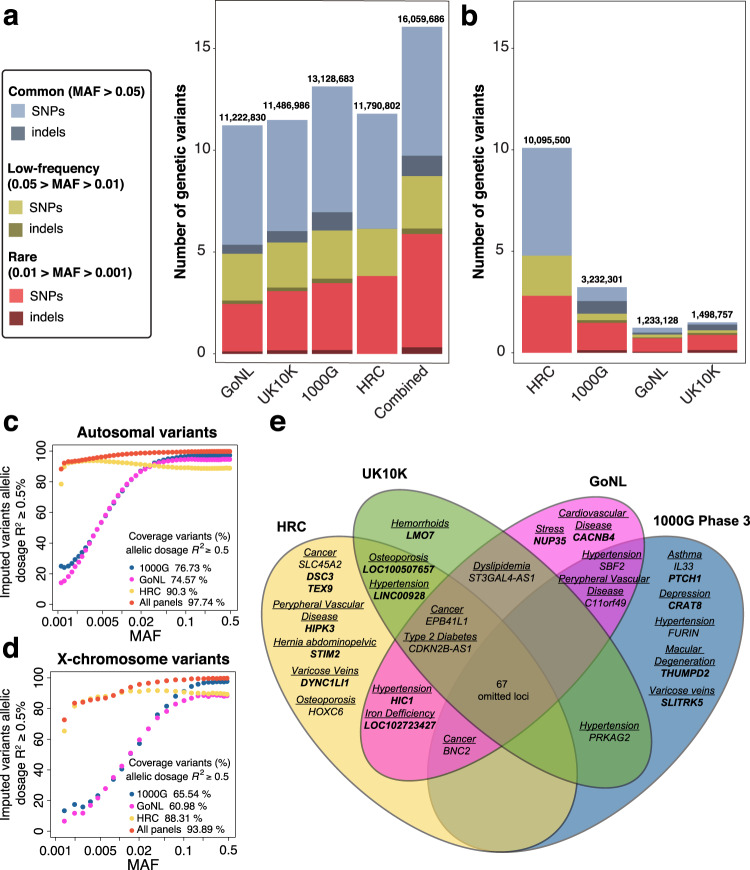
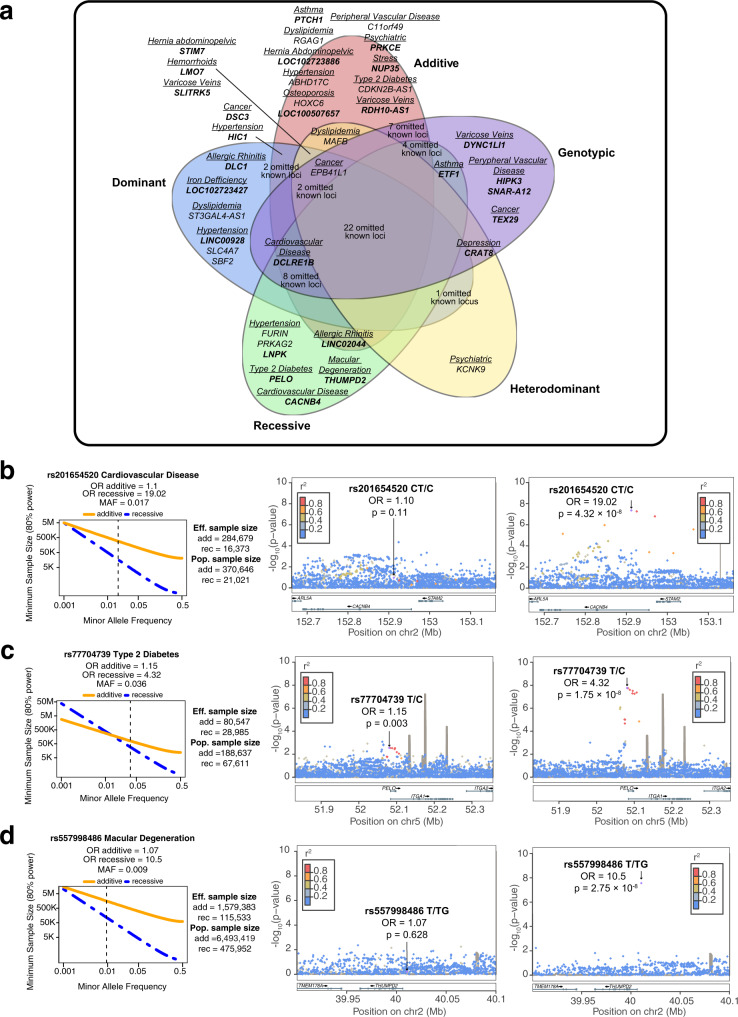
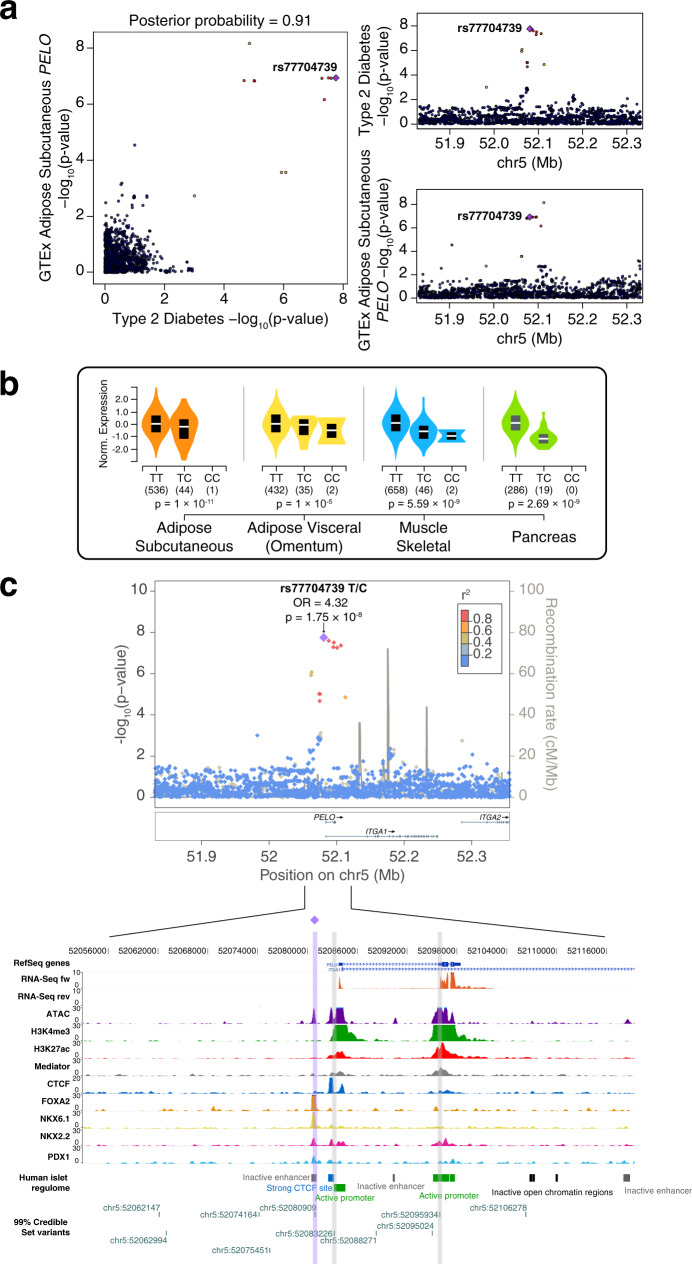
Genome-wide association studies (GWAS) are not fully comprehensive, as current strategies typically test only the additive model, exclude the X chromosome, and use only one reference panel for genotype imputation. We implement an extensive GWAS strategy, GUIDANCE, which improves genotype imputation by using multiple reference panels and includes the analysis of the X chromosome and non-additive models to test for association. We apply this methodology to 62,281 subjects across 22 age-related diseases and identify 94 genome-wide associated loci, including 26 previously unreported. Moreover, we observe that 27.7% of the 94 loci are missed if we use standard imputation strategies with a single reference panel, such as HRC, and only test the additive model. Among the new findings, we identify three novel low-frequency recessive variants with odds ratios larger than 4, which need at least a three-fold larger sample size to be detected under the additive model. This study highlights the benefits of applying innovative strategies to better uncover the genetic architecture of complex diseases.
全基因组关联研究(GWAS)并不完全全面,因为目前的策略通常仅测试加性模型,排除 X 染色体,并且仅使用一个参考面板进行基因型推断。我们实施了一种广泛的 GWAS 策略 GUIDANCE,该策略通过使用多个参考面板来改进基因型推断,并包括 X 染色体和非加性模型的分析,以测试关联。我们将这种方法应用于 22 种与年龄相关的疾病中的 62281 名受试者,确定了 94 个全基因组关联位点,其中包括 26 个以前未报道的位点。此外,如果我们使用单参考面板(如 HRC)进行标准的基因型推断,并仅测试加性模型,那么我们会错过 94 个位点中的 27.7%。在新发现中,我们确定了三个具有大于 4 的优势比的新型低频隐性变异,在加性模型下需要至少三倍的更大样本量才能检测到。这项研究强调了应用创新策略的好处,以更好地揭示复杂疾病的遗传结构。