Sorbonne Université, Inserm, Centre d'Immunologie et des Maladies Infectieuses, CIMI-Paris, Paris, France.
Department of Environmental Medicine, Faculty of Medicine, University Hospital of Augsburg, Augsburg, Germany; Institute of Environmental Medicine (IEM), Technical University of Munich and Helmholtz Zentrum München, Augsburg, Germany.
J Allergy Clin Immunol. 2021 Jun;147(6):2098-2107. doi: 10.1016/j.jaci.2021.03.047. Epub 2021 Apr 22.
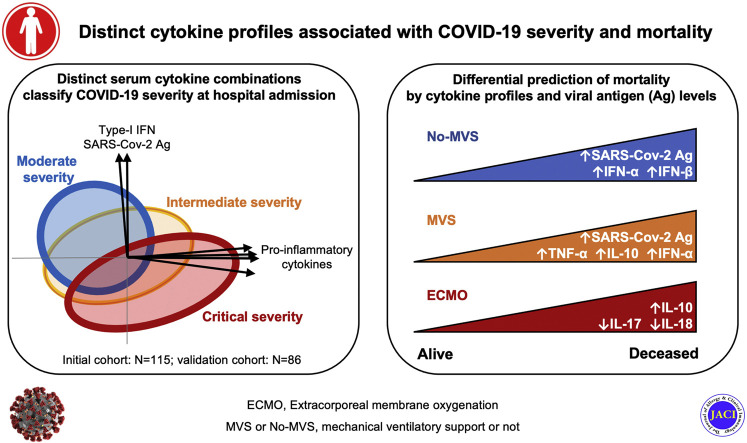
Markedly elevated levels of proinflammatory cytokines and defective type-I interferon responses were reported in patients with coronavirus disease 2019 (COVID-19).
We sought to determine whether particular cytokine profiles are associated with COVID-19 severity and mortality.
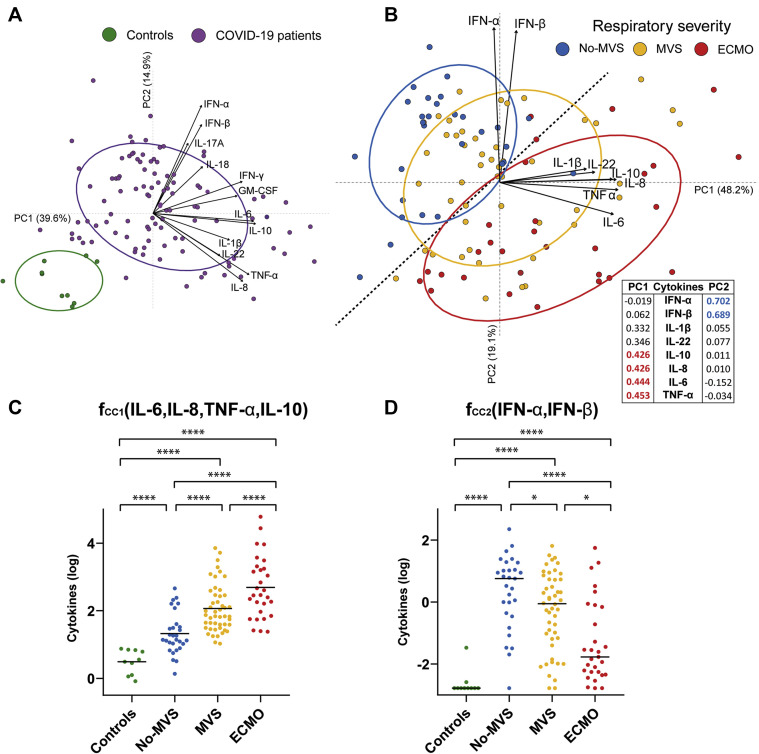
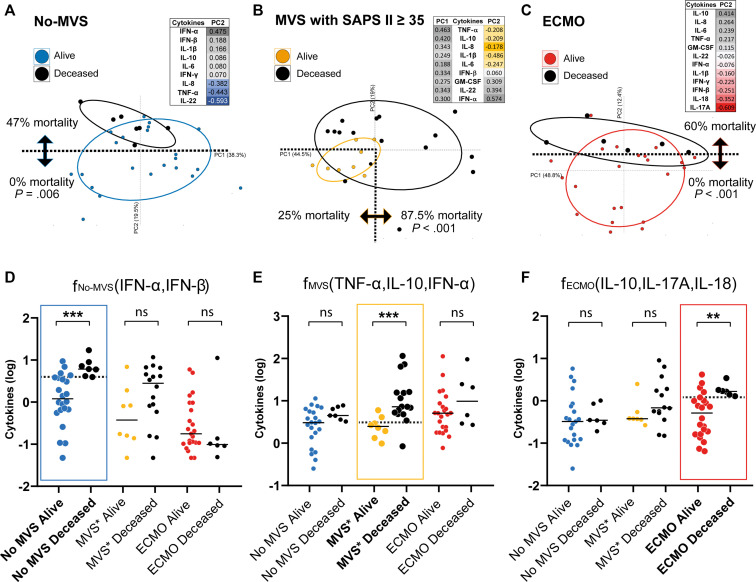
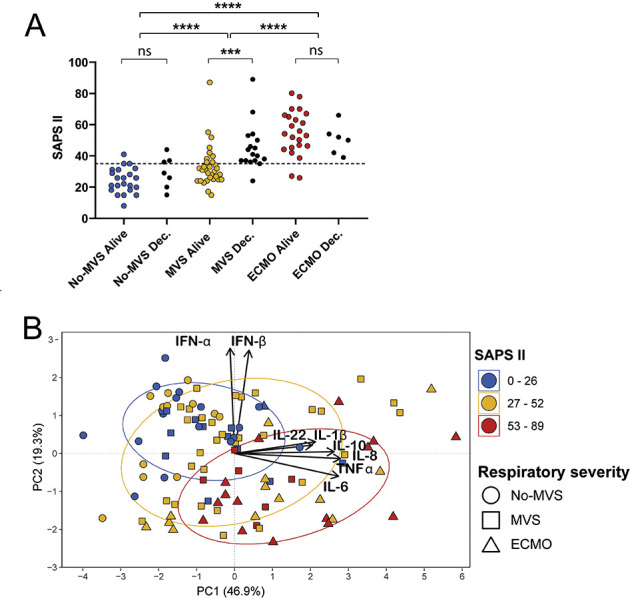
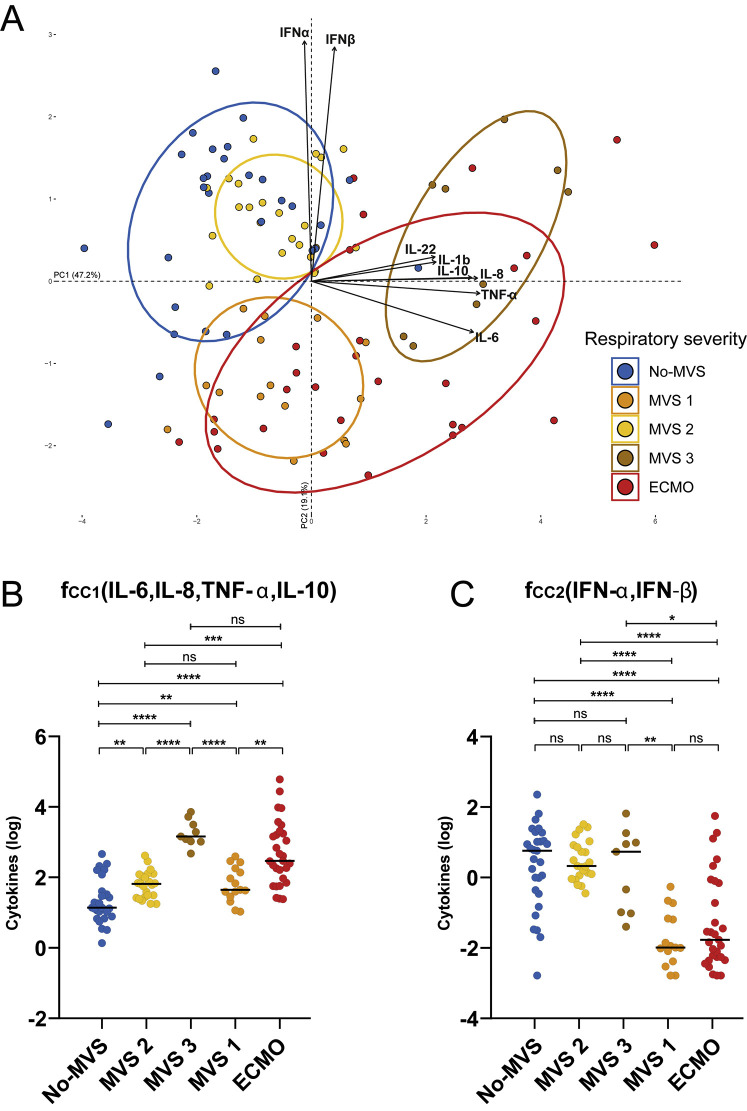
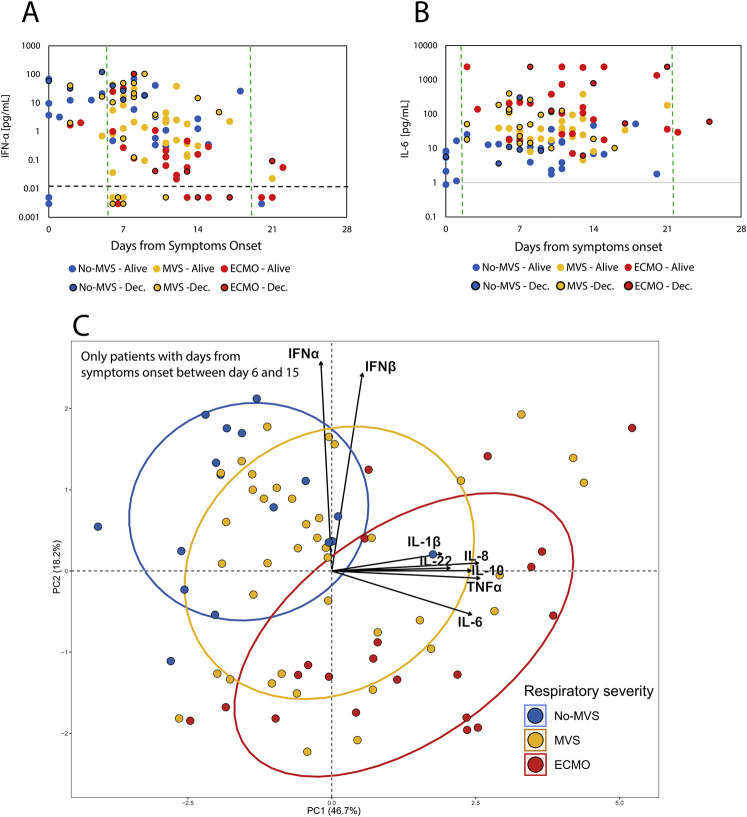
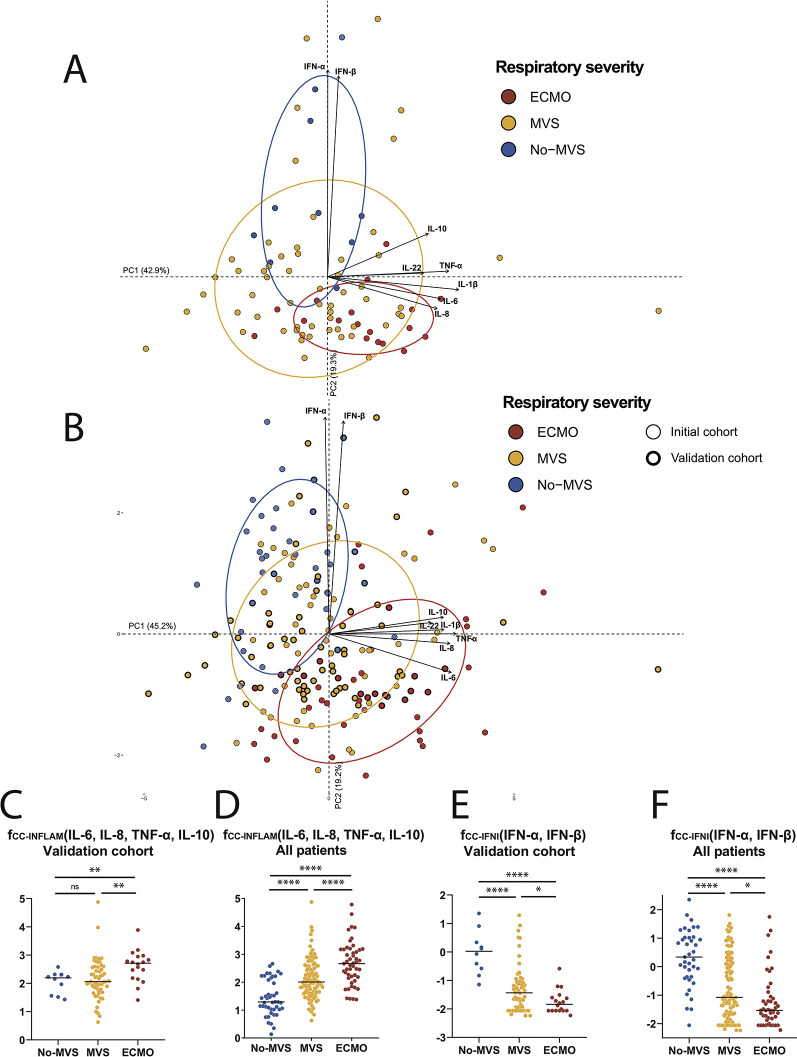
Cytokine concentrations and severe acute respiratory syndrome coronavirus 2 antigen were measured at hospital admission in serum of symptomatic patients with COVID-19 (N = 115), classified at hospitalization into 3 respiratory severity groups: no need for mechanical ventilatory support (No-MVS), intermediate severity requiring mechanical ventilatory support (MVS), and critical severity requiring extracorporeal membrane oxygenation (ECMO). Principal-component analysis was used to characterize cytokine profiles associated with severity and mortality. The results were thereafter confirmed in an independent validation cohort (N = 86).
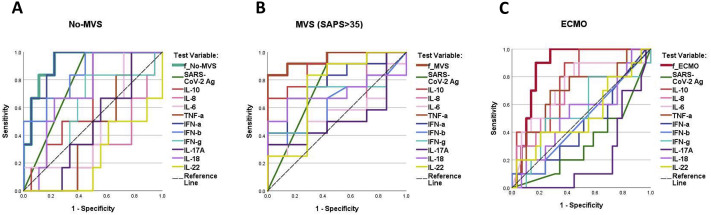
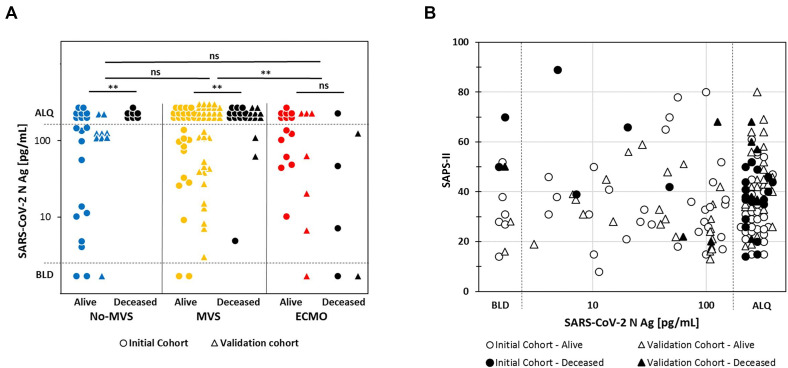
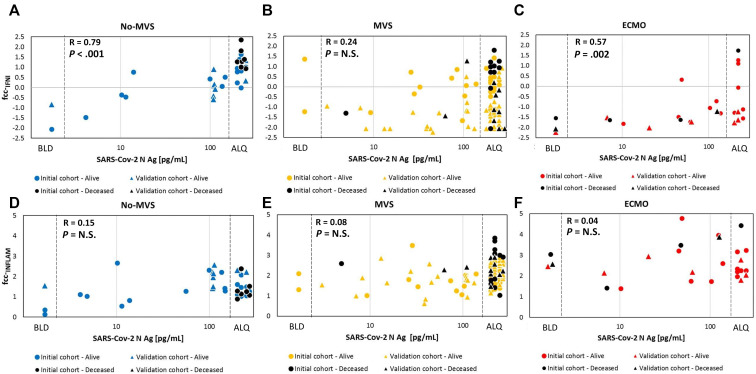
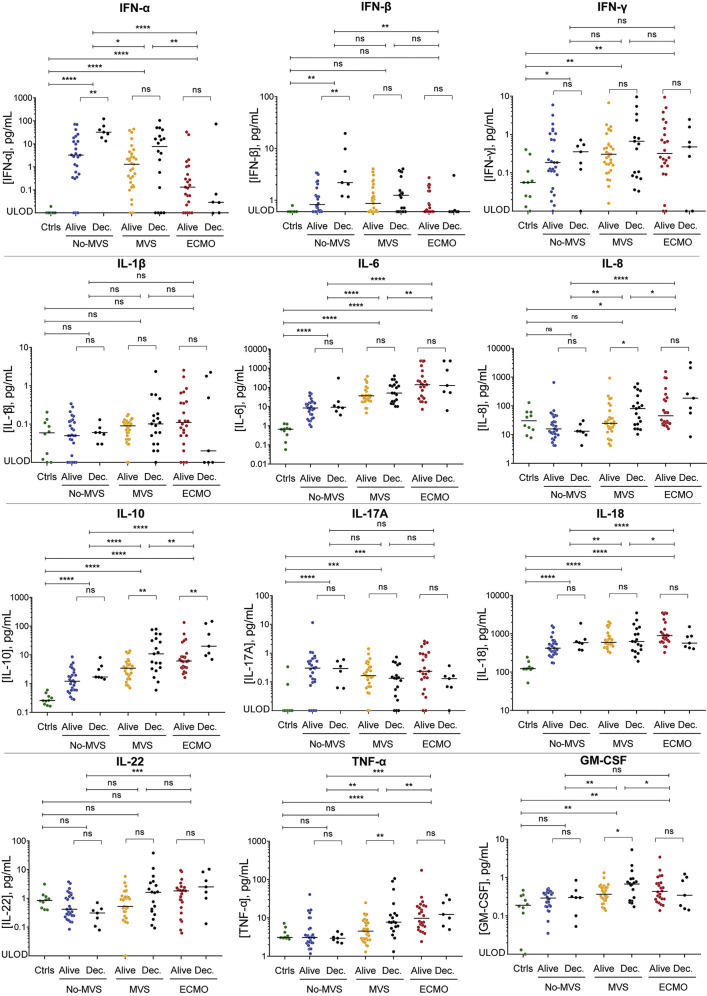
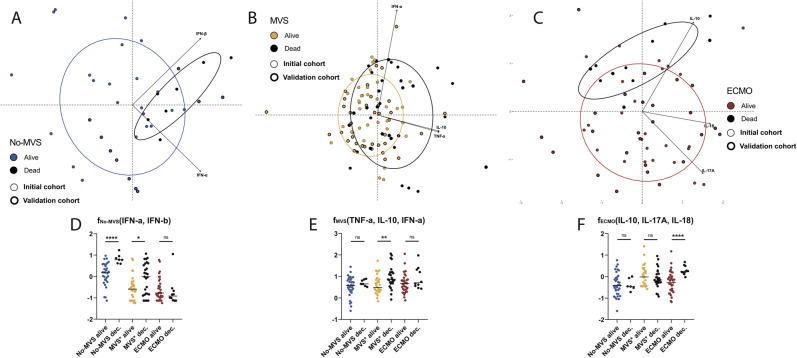
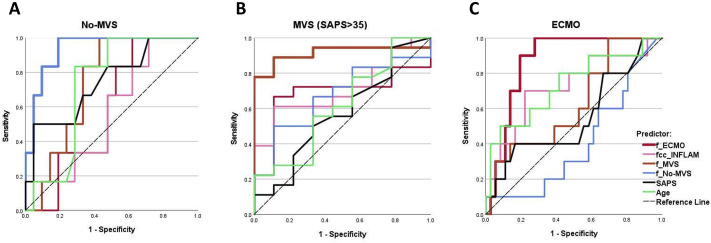
At time of hospitalization, ECMO patients presented a dominant proinflammatory response with elevated levels of TNF-α, IL-6, IL-8, and IL-10. In contrast, an elevated type-I interferon response involving IFN-α and IFN-β was characteristic of No-MVS patients, whereas MVS patients exhibited both profiles. Mortality at 1 month was associated with higher levels of proinflammatory cytokines in ECMO patients, higher levels of type-I interferons in No-MVS patients, and their combination in MVS patients, resulting in a combined mortality prediction accuracy of 88.5% (risk ratio, 24.3; P < .0001). Severe acute respiratory syndrome coronavirus 2 antigen levels correlated with type-I interferon levels and were associated with mortality, but not with proinflammatory response or severity.
Distinct cytokine profiles are observed in association with COVID-19 severity and are differentially predictive of mortality according to oxygen support modalities. These results warrant personalized treatment of COVID-19 patients based on cytokine profiling.
据报道,2019 年冠状病毒病(COVID-19)患者的促炎细胞因子水平显著升高,且Ⅰ型干扰素反应缺陷。
我们旨在确定特定的细胞因子谱是否与 COVID-19 的严重程度和死亡率相关。
对 COVID-19 症状患者入院时血清中的细胞因子浓度和严重急性呼吸综合征冠状病毒 2 抗原进行检测(N=115),根据入院时的呼吸严重程度将患者分为 3 个组:无需机械通气支持(No-MVS)、需要机械通气支持的中度严重程度(MVS)和需要体外膜氧合(ECMO)的危急严重程度。采用主成分分析方法来描述与严重程度和死亡率相关的细胞因子谱。然后在独立的验证队列(N=86)中对结果进行了验证。
入院时,ECMO 患者表现出以 TNF-α、IL-6、IL-8 和 IL-10 为主的促炎反应。相反,No-MVS 患者以升高的Ⅰ型干扰素反应为特征,涉及 IFN-α和 IFN-β,而 MVS 患者则表现出两种反应。1 个月时的死亡率与 ECMO 患者中促炎细胞因子水平升高、No-MVS 患者中Ⅰ型干扰素水平升高及其在 MVS 患者中的组合有关,导致联合死亡率预测准确性为 88.5%(风险比,24.3;P<.0001)。严重急性呼吸综合征冠状病毒 2 抗原水平与Ⅰ型干扰素水平相关,与死亡率相关,但与促炎反应或严重程度无关。
根据氧气支持方式的不同,与 COVID-19 严重程度相关的细胞因子谱存在差异,并且对死亡率的预测具有差异。这些结果表明,基于细胞因子谱对 COVID-19 患者进行个体化治疗是合理的。