Biological Sciences Division, Pacific Northwest National Laboratory, P.O. Box 999, MSIN: K8-98, Richland, Washington 99352, United States.
Rush Alzheimer's Disease Center, Rush University Medical Center, Chicago, Illinois 60612, United States.
J Proteome Res. 2021 May 7;20(5):2266-2282. doi: 10.1021/acs.jproteome.0c00747. Epub 2021 Apr 26.
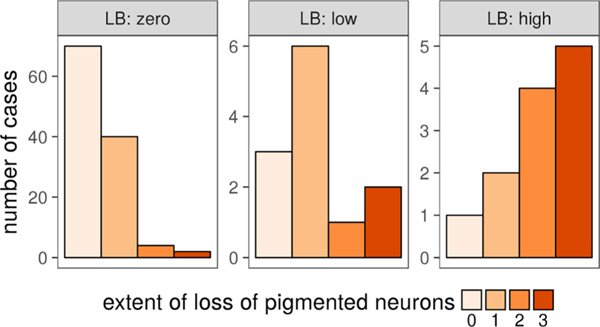
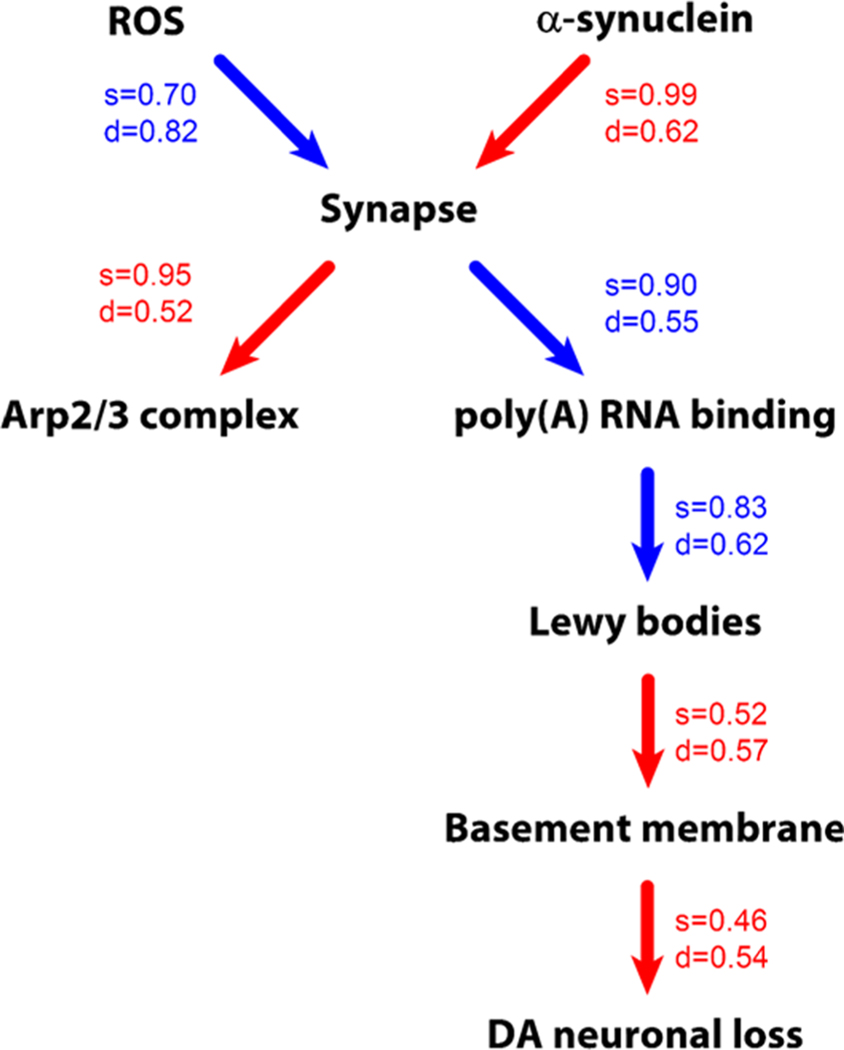
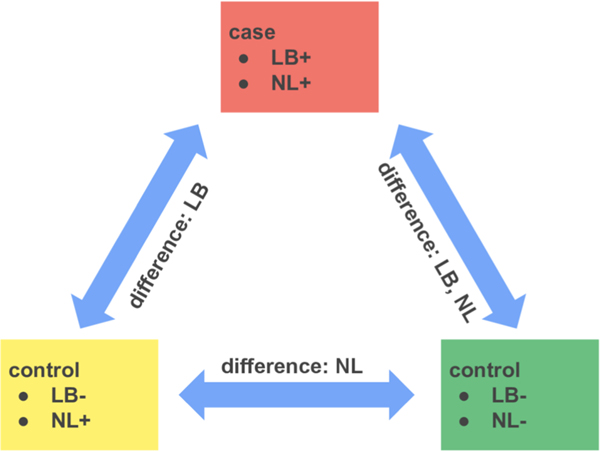
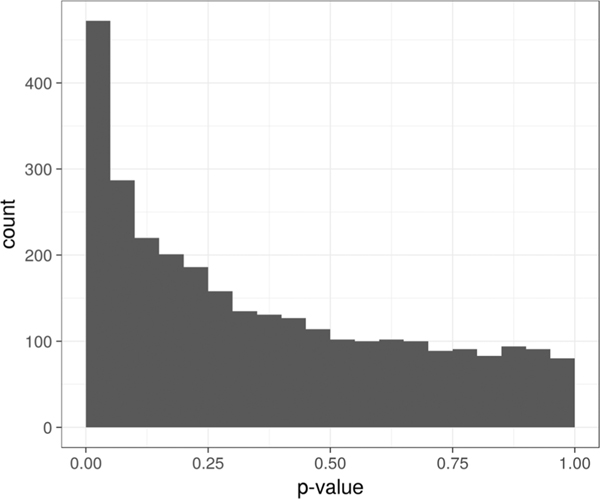
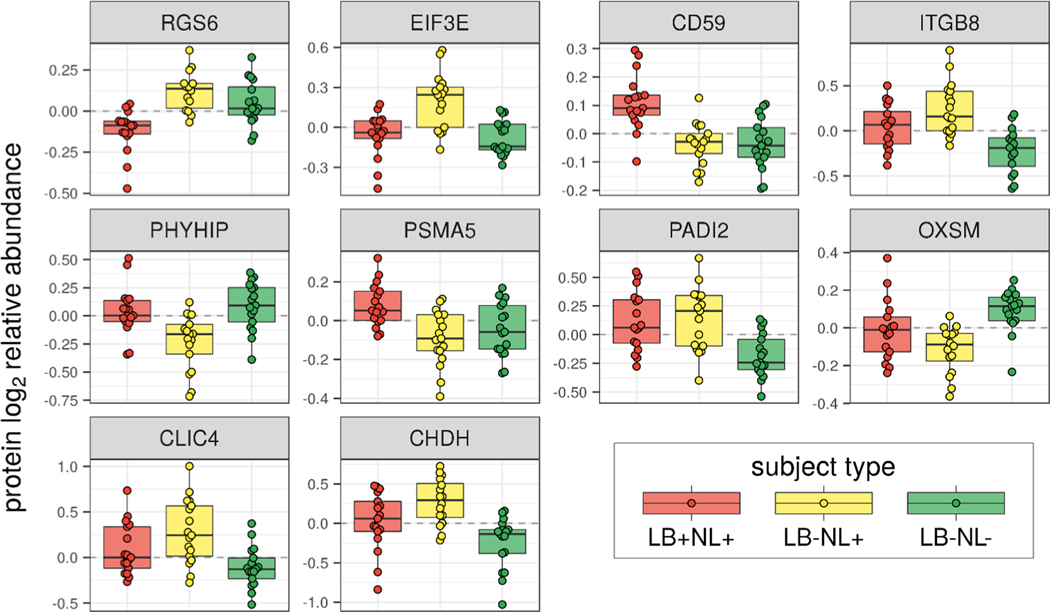
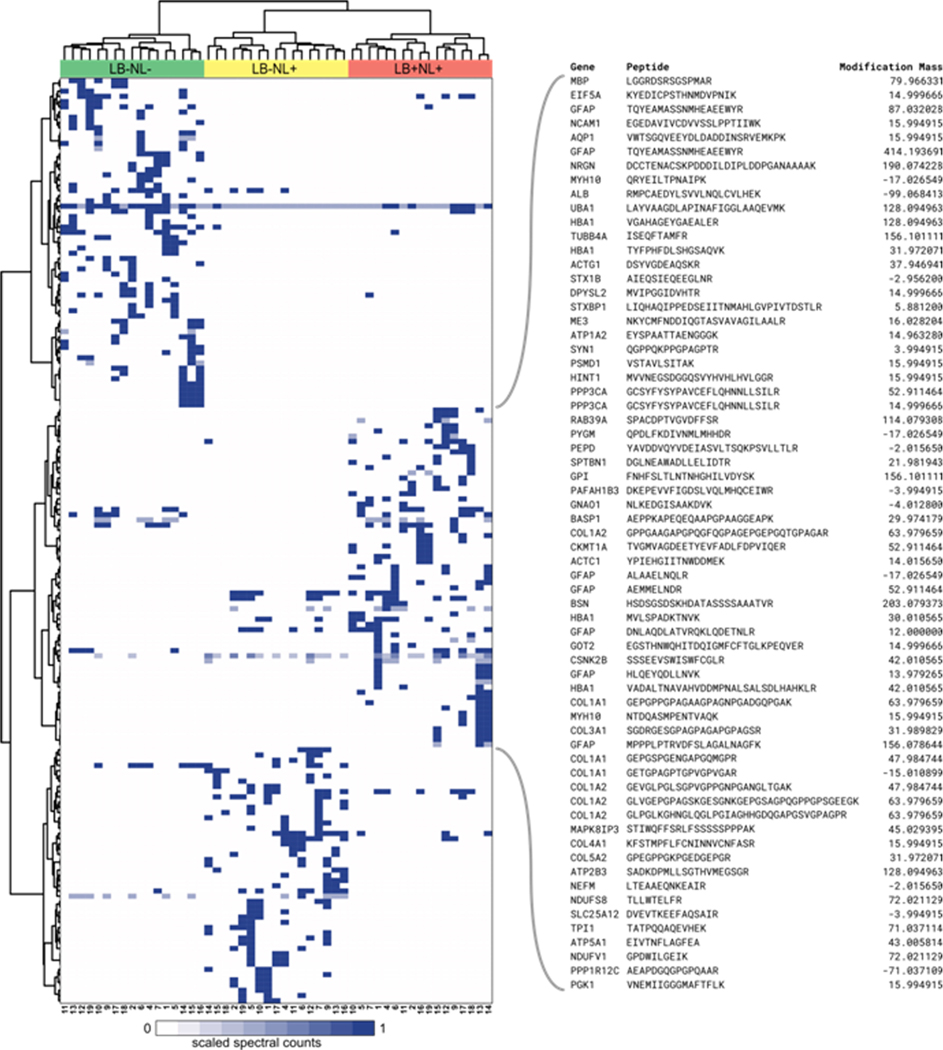
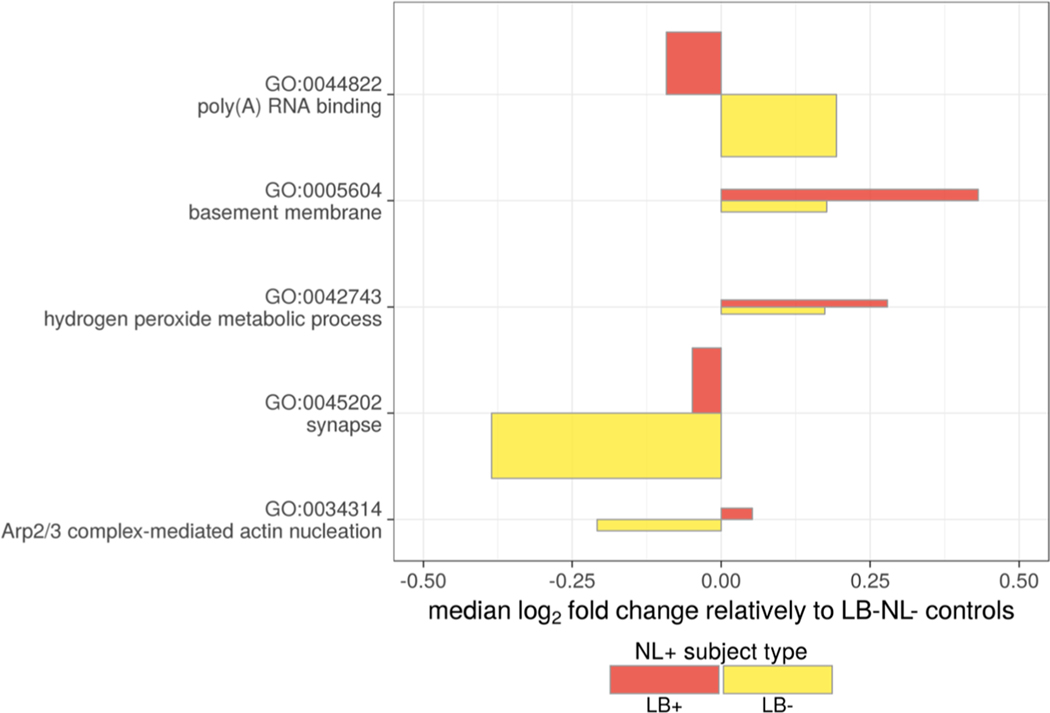
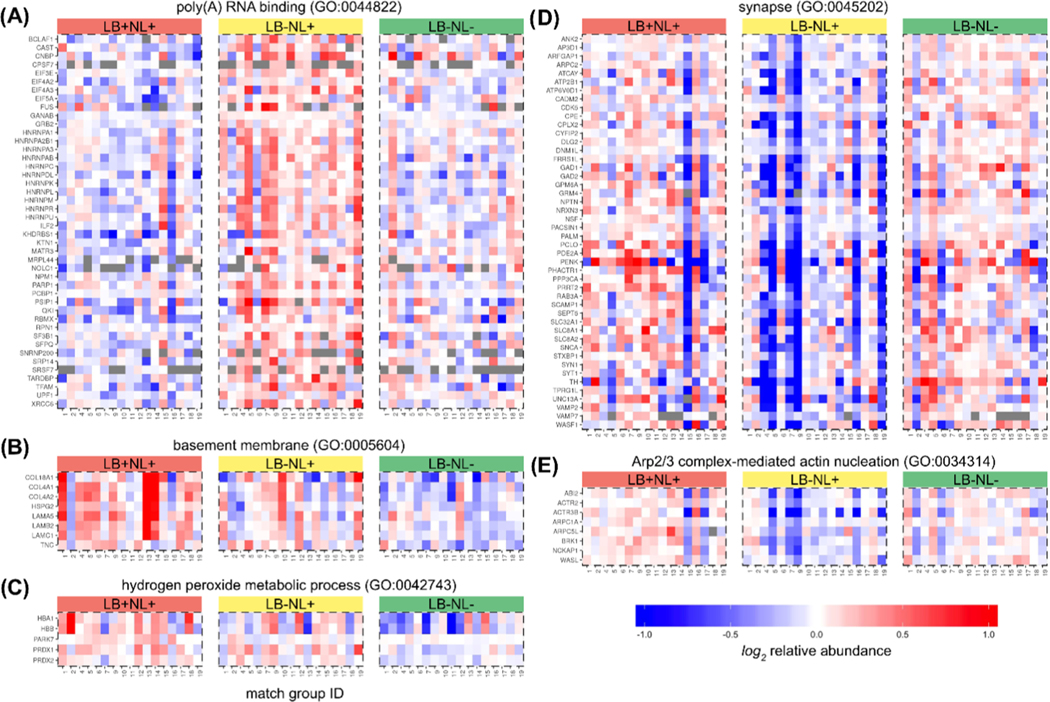
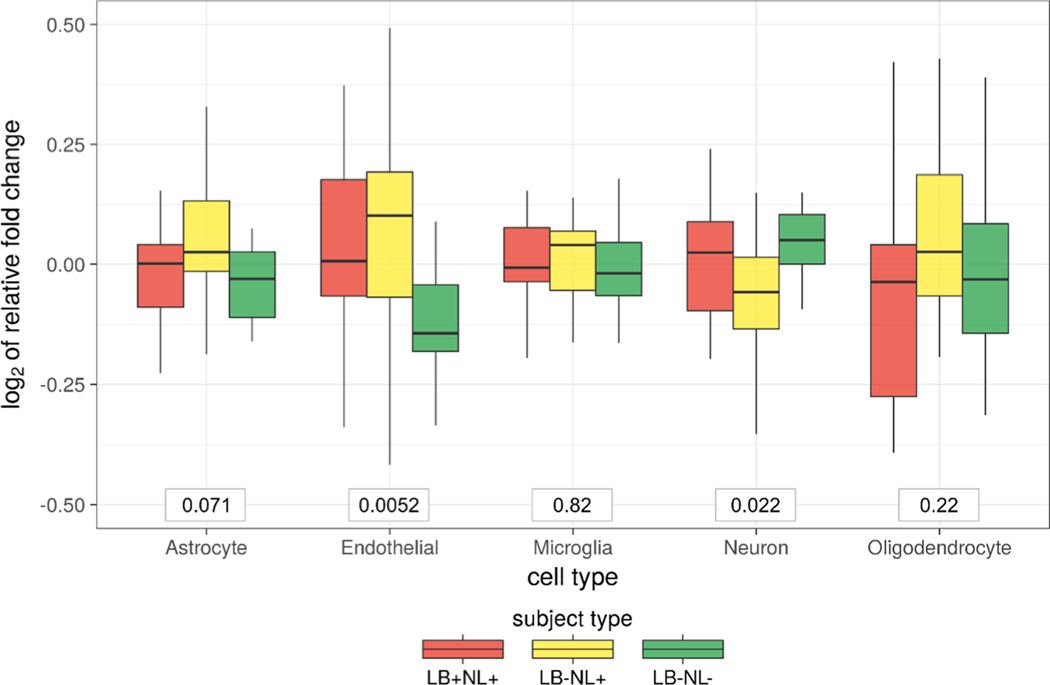
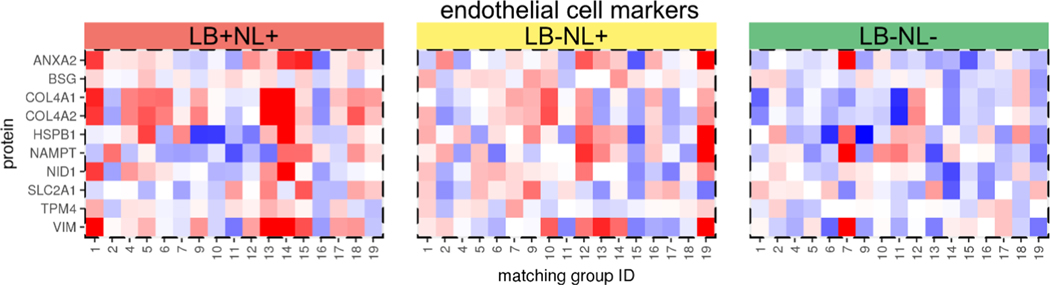
Proteinaceous aggregates containing α-synuclein protein called Lewy bodies in the substantia nigra is a hallmark of Parkinson's disease. The molecular mechanisms of Lewy body formation and associated neuronal loss remain largely unknown. To gain insights into proteins and pathways associated with Lewy body pathology, we performed quantitative profiling of the proteome. We analyzed substantia nigra tissue from 51 subjects arranged into three groups: cases with Lewy body pathology, Lewy body-negative controls with matching neuronal loss, and controls with no neuronal loss. Using a label-free liquid chromatography-tandem mass spectrometry (LC-MS/MS) approach, we characterized the proteome both in terms of protein abundances and peptide modifications. Statistical testing for differential abundance of the most abundant 2963 proteins, followed by pathway enrichment and Bayesian learning of the causal network structure, was performed to identify likely drivers of Lewy body formation and dopaminergic neuronal loss. The identified pathways include (1) Arp2/3 complex-mediated actin nucleation; (2) synaptic function; (3) poly(A) RNA binding; (4) basement membrane and endothelium; and (5) hydrogen peroxide metabolic process. According to the data, the endothelial/basement membrane pathway is tightly connected with both pathologies and likely to be one of the drivers of neuronal loss. The poly(A) RNA-binding proteins, including the ones relevant to other neurodegenerative disorders (e.g., TDP-43 and FUS), have a strong inverse correlation with Lewy bodies and may reflect an alternative mechanism of nigral neurodegeneration.
含有α-突触核蛋白的蛋白质聚集体,称为路易体,是帕金森病的一个标志。路易体形成和相关神经元丢失的分子机制在很大程度上仍然未知。为了深入了解与路易体病理学相关的蛋白质和途径,我们对蛋白质组进行了定量分析。我们分析了 51 名受试者的黑质组织,这些受试者分为三组:具有路易体病理学的病例、具有匹配神经元丢失的路易体阴性对照和没有神经元丢失的对照。我们使用无标记的液相色谱-串联质谱(LC-MS/MS)方法,从蛋白质丰度和肽修饰两个方面对蛋白质组进行了特征描述。对最丰富的 2963 种蛋白质的丰度进行了差异丰度的统计检验,然后进行了途径富集和因果网络结构的贝叶斯学习,以确定路易体形成和多巴胺能神经元丢失的可能驱动因素。鉴定出的途径包括:(1)Arp2/3 复合物介导的肌动蛋白成核;(2)突触功能;(3)多(A)RNA 结合;(4)基底膜和内皮;(5)过氧化氢代谢过程。根据这些数据,内皮/基底膜途径与两种病理学紧密相连,可能是神经元丢失的驱动因素之一。多(A)RNA 结合蛋白,包括与其他神经退行性疾病相关的蛋白(如 TDP-43 和 FUS),与路易体呈强烈的负相关,可能反映了黑质神经退行性变的另一种机制。