School of Life Sciences, Co-innovation Center of Neuroregeneration, Key Laboratory of Neuroregeneration of Jiangsu and Ministry of Education, Nantong University, Nantong, 226019, Jiangsu Province, China; Medical School of Nantong University, Nantong, 226001, Jiangsu Province, China.
School of Life Sciences, Co-innovation Center of Neuroregeneration, Key Laboratory of Neuroregeneration of Jiangsu and Ministry of Education, Nantong University, Nantong, 226019, Jiangsu Province, China.
Chin J Traumatol. 2021 Nov;24(6):374-382. doi: 10.1016/j.cjtee.2021.04.004. Epub 2021 Apr 20.
Wallerian degeneration (WD) is an antegrade degenerative process distal to peripheral nerve injury. Numerous genes are differentially regulated in response to the process. However, the underlying mechanism is unclear, especially the early response. We aimed at investigating the effects of sciatic nerve injury on WD via CLDN 14/15 interactions in vivo and in vitro.
Using the methods of molecular biology and bioinformatics analysis, we investigated the molecular mechanism by which claudin 14/15 participate in WD. Our previous study showed that claudins 14 and 15 trigger the early signal flow and pathway in damaged sciatic nerves. Here, we report the effects of the interaction between claudin 14 and claudin 15 on nerve degeneration and regeneration during early WD.
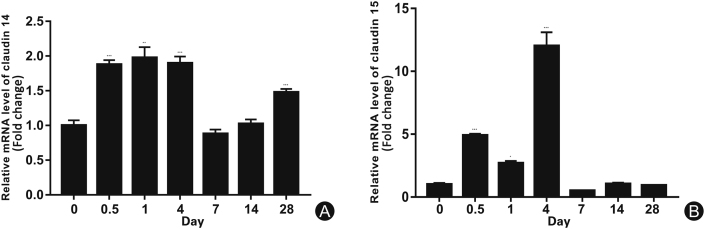
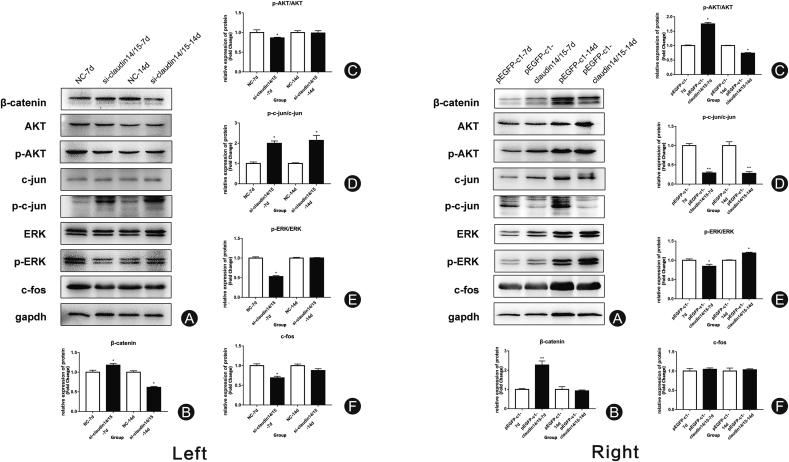
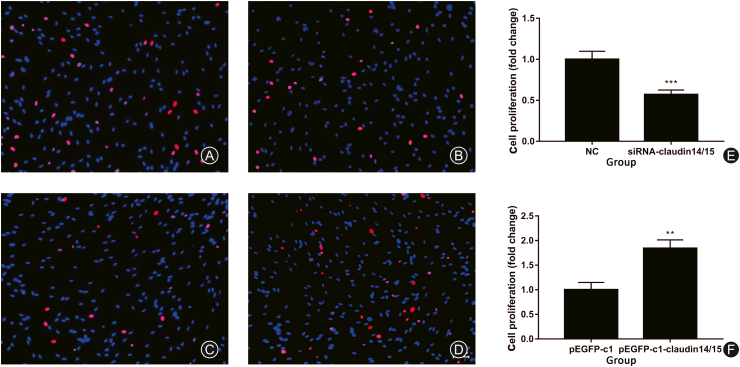
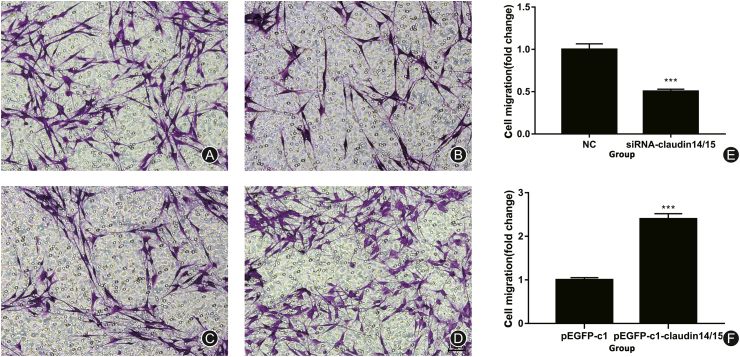
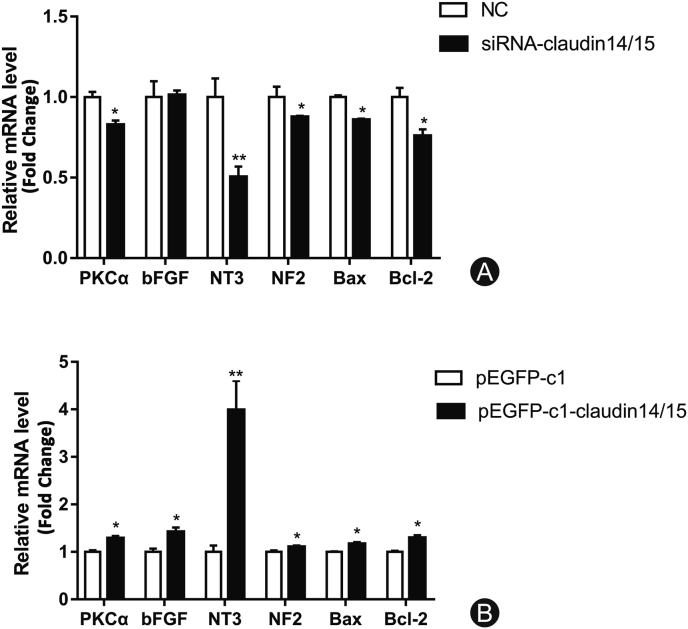
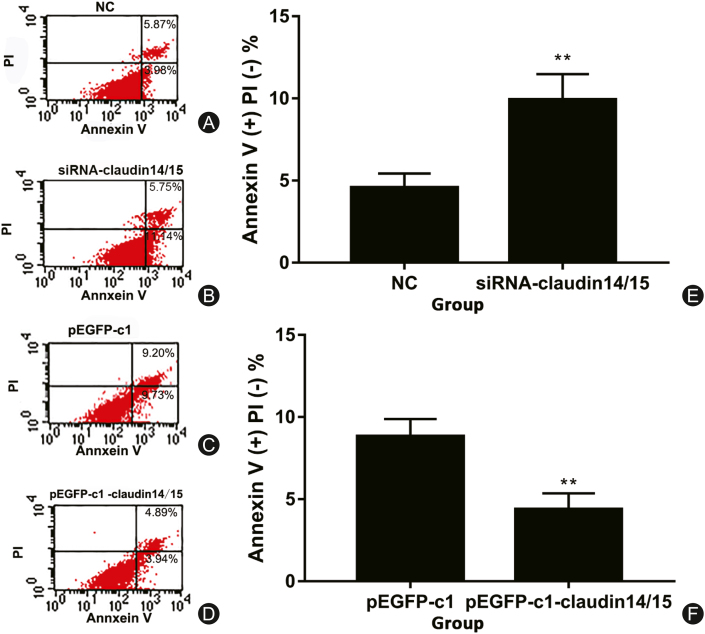
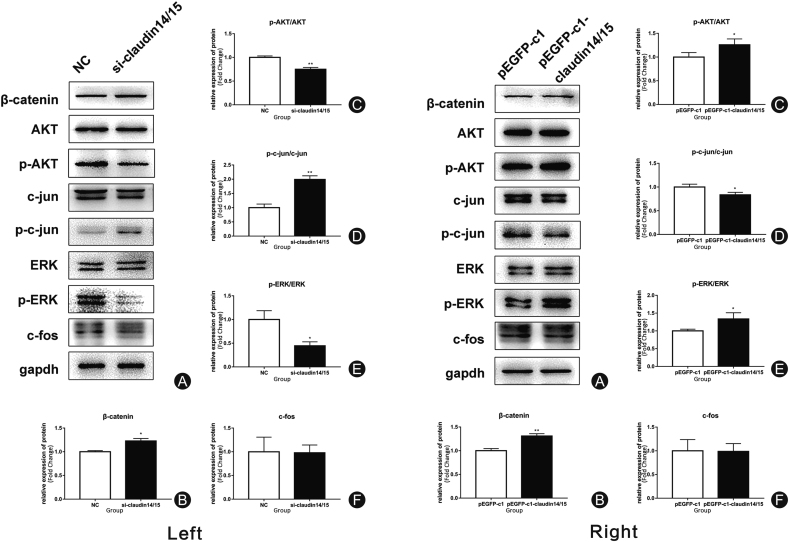
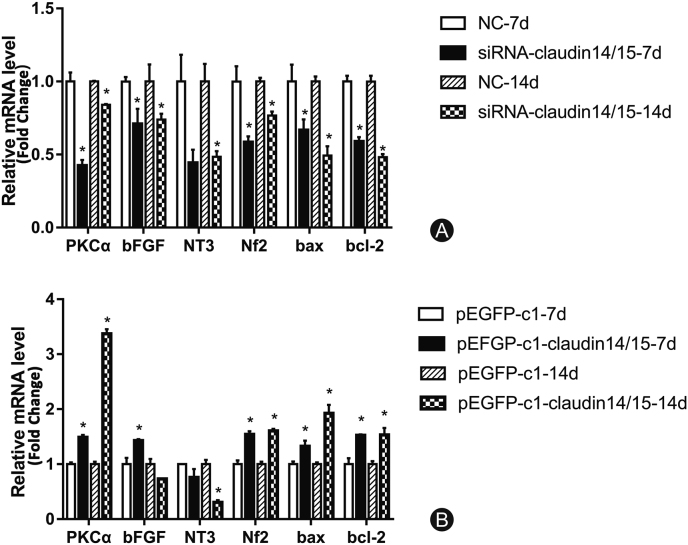
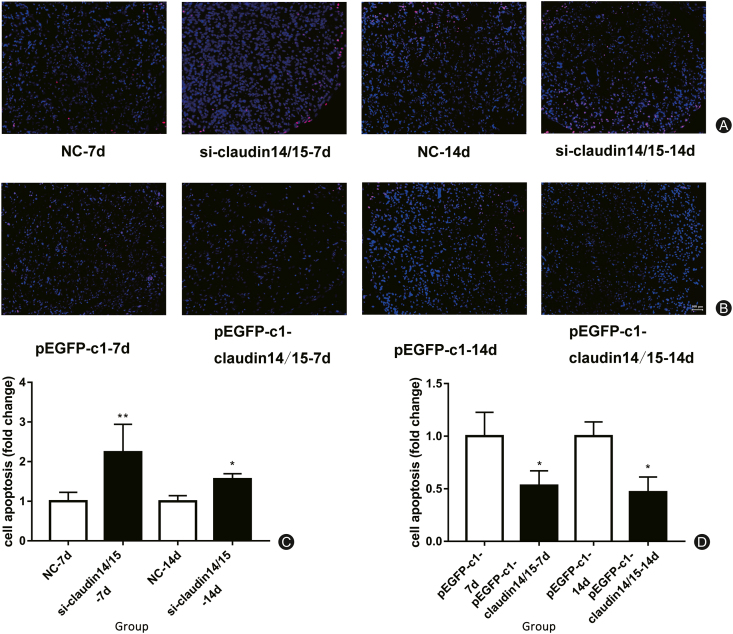
It was found that claudin 14/15 were upregulated in the sciatic nerve in WD. Claudin 14/15 promoted Schwann cell proliferation, migration and anti-apoptosis in vitro. PKCα, NT3, NF2, and bFGF were significantly upregulated in transfected Schwann cells. Moreover, the expression levels of the β-catenin, p-AKT/AKT, p-c-jun/c-jun, and p-ERK/ERK signaling pathways were also significantly altered.
Claudin 14/15 affect Schwann cell proliferation, migration, and anti-apoptosis via the β-catenin, p-AKT/AKT, p-c-jun/c-jun, and p-ERK/ERK pathways in vitro and in vivo. The results of this study may help elucidate the molecular mechanisms of the tight junction signaling pathway underlying peripheral nerve degeneration.
Wallerian 变性(WD)是一种发生在外周神经损伤远端的顺行退行性过程。许多基因在应对这一过程时会发生差异调节。然而,其潜在机制尚不清楚,尤其是早期反应。我们旨在通过体内和体外研究 Claudin14/15 相互作用对 WD 的影响。
使用分子生物学和生物信息学分析方法,研究 Claudin14/15 参与 WD 的分子机制。我们之前的研究表明 Claudin14 和 Claudin15 触发受损坐骨神经中的早期信号流和途径。在这里,我们报告了 Claudin14 和 Claudin15 之间的相互作用对早期 WD 中神经变性和再生的影响。
发现 Claudin14/15 在 WD 中的坐骨神经中上调。 Claudin14/15 在体外促进施万细胞增殖、迁移和抗凋亡。转染施万细胞中 PKCα、NT3、NF2 和 bFGF 显著上调。此外,β-连环蛋白、p-AKT/AKT、p-c-jun/c-jun 和 p-ERK/ERK 信号通路的表达水平也发生了显著改变。
Claudin14/15 通过体外和体内的β-连环蛋白、p-AKT/AKT、p-c-jun/c-jun 和 p-ERK/ERK 通路影响施万细胞增殖、迁移和抗凋亡。本研究的结果可能有助于阐明周围神经变性中紧密连接信号通路的分子机制。