Department of Psychology, University of Illinois, Urbana-Champaign, IL, USA.
School of Information Sciences and Department of Educational Psychology, University of Illinois, Urbana-Champaign, IL, USA.
Addiction. 2021 Oct;116(10):2912-2920. doi: 10.1111/add.15523. Epub 2021 May 11.
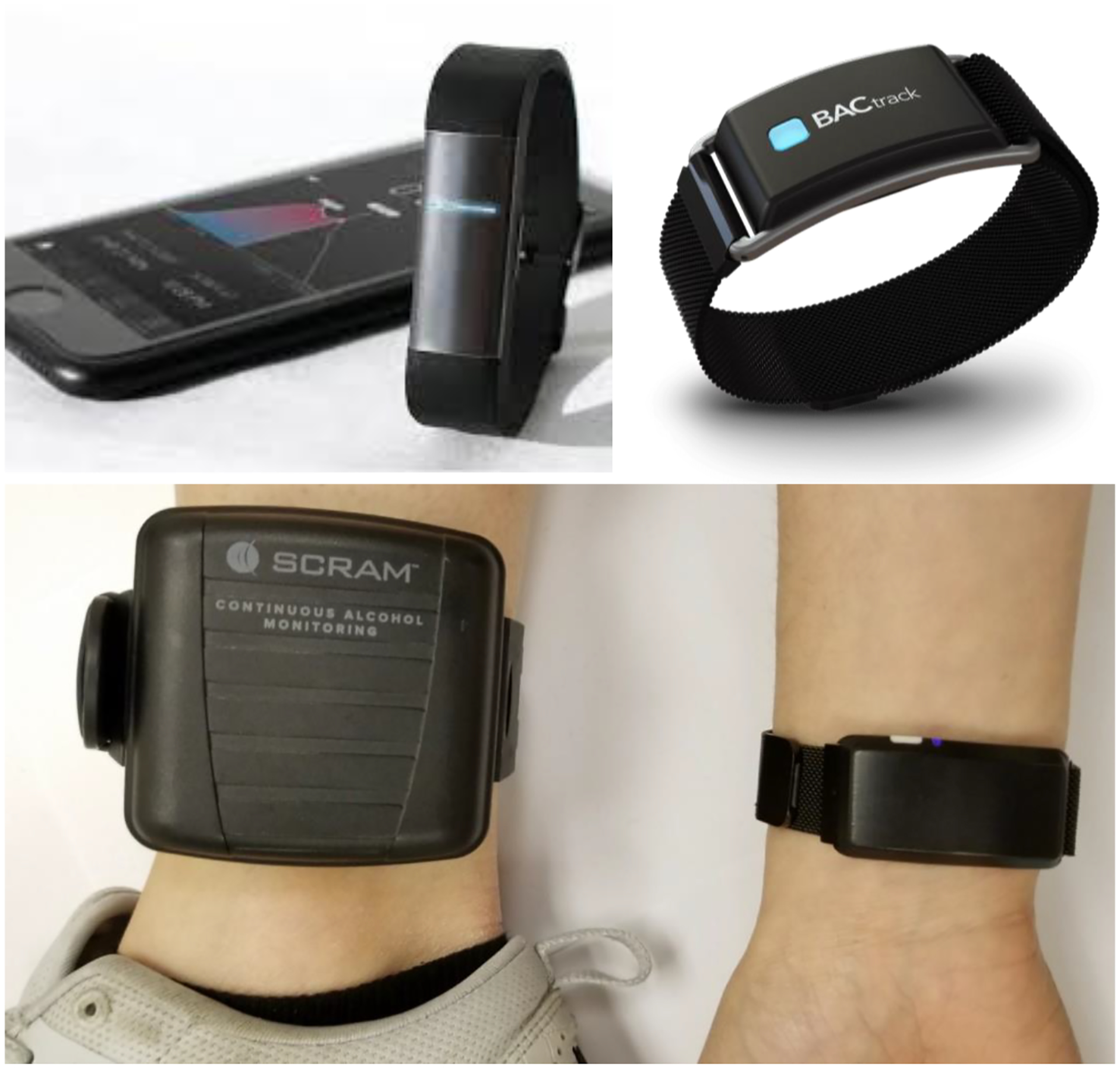
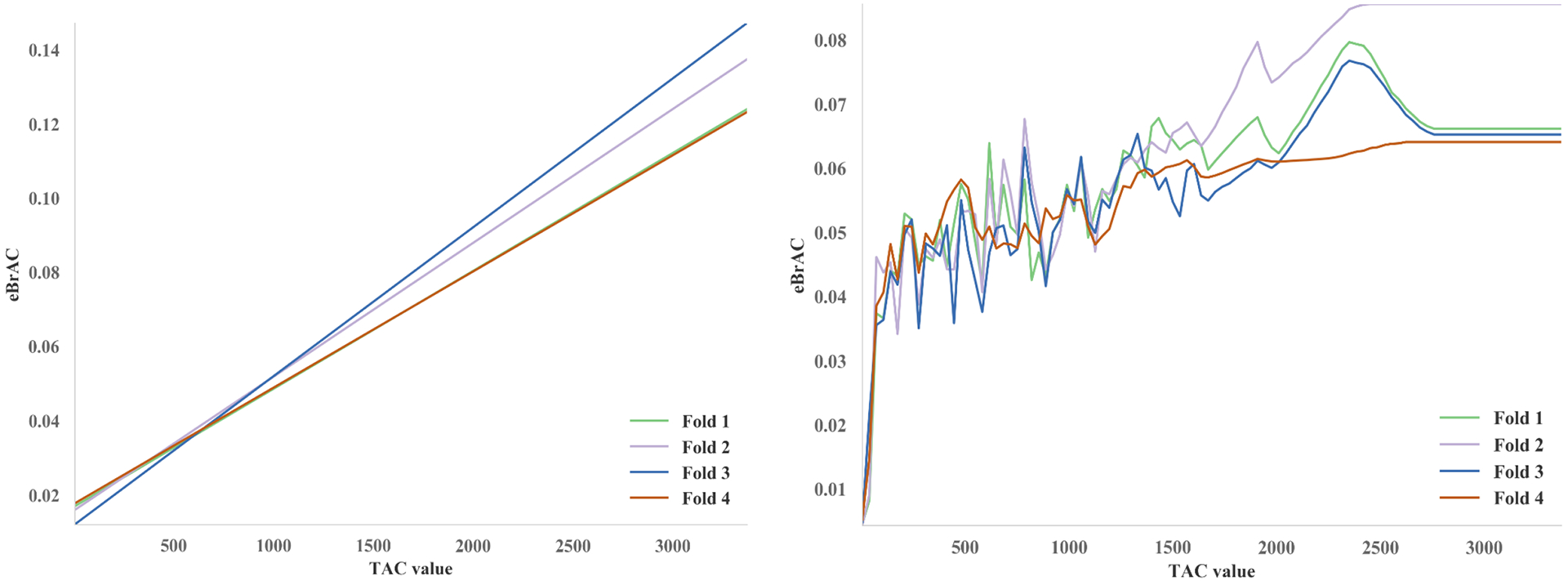
The use of transdermal alcohol monitors has burgeoned in recent years, now encompassing hundreds of thousands of individuals globally. A new generation of sensors promises to expand the range of applications for transdermal technology exponentially, and advances in machine-learning modeling approaches offer new methods for translating the data produced by transdermal devices. This article provides (1) a review of transdermal sensor research conducted to date, including an analysis of methodological features of past studies potentially key in driving reported sensor performance; (2) updates on methodological developments likely to be transformative for the field of transdermal sensing, including the development of new-generation sensors featuring smartphone integration and rapid sampling capabilities as well as developments in machine-learning analytics suited to data produced by these novel sensors and; (3) an analysis of the expanded range of applications for this new generation of sensor, together with corresponding requirements for sensor accuracy and temporal specificity. We also note questions as yet unanswered and key directions for future research.
近年来,经皮酒精监测仪的应用迅速发展,目前已覆盖全球数十万人。新一代传感器有望使经皮技术的应用范围呈指数级扩大,机器学习建模方法的进步也为经皮设备产生的数据提供了新的翻译方法。本文提供了(1)对迄今为止进行的经皮传感器研究的综述,包括对过去研究中可能对报告的传感器性能起关键作用的方法学特征的分析;(2)对可能对经皮传感领域产生变革性影响的方法学发展的更新,包括具有智能手机集成和快速采样功能的新一代传感器的开发,以及适合这些新型传感器产生的数据的机器学习分析的发展;(3)对这新一代传感器的更广泛应用的分析,以及对传感器准确性和时间特异性的相应要求。我们还注意到了尚未解决的问题和未来研究的关键方向。