Lechner Johann, Schmidt Marlene, von Baehr Volker, Schick Fabian
Head of the Clinic for Integrative Dentistry, Munich, Germany.
Data Scientist at STEYR Motorenwerke, Steyr, Austria.
J Inflamm Res. 2021 Apr 21;14:1603-1612. doi: 10.2147/JIR.S307635. eCollection 2021.
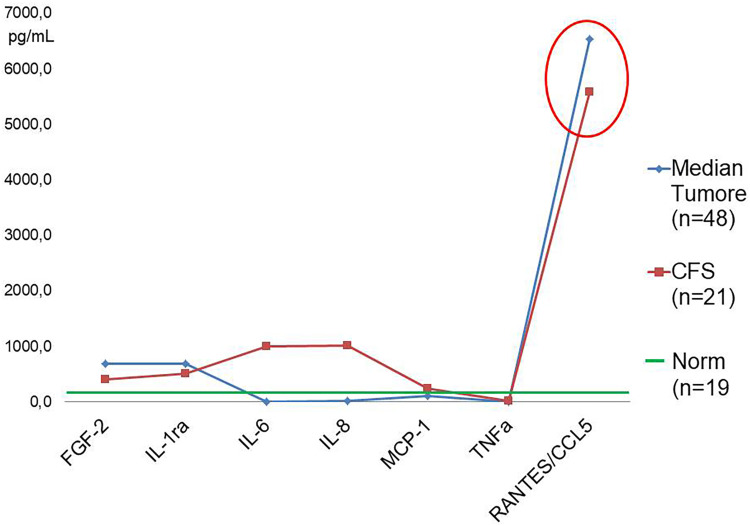
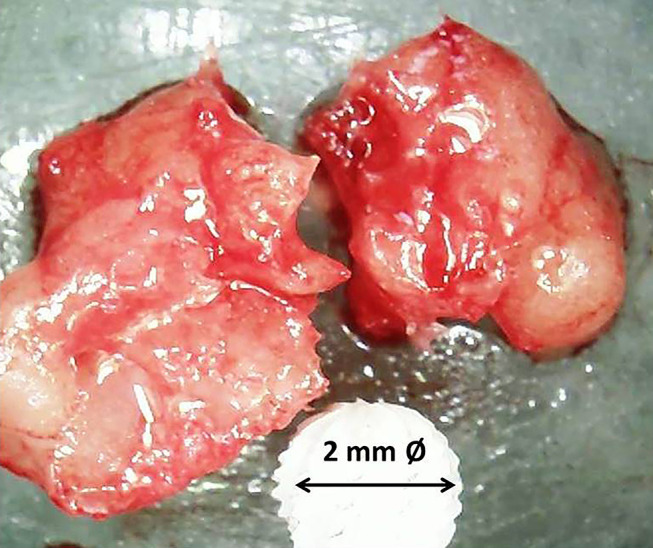
Cytokines, especially chemokines, are of increasing interest in immunology. This study characterizes the little-known phenomenon of "bone marrow defects of the jawbone" (BMDJ) with known overexpression of the chemokine RANTES/CCL5 (R/C).
Our investigation clarifies why BMDJ and the intensity of local R/C overexpression are challenging to detect, as examined in patients with seven different systemic immunological diseases. Specifically, we investigate whether R/C overexpression is specific to certain disease groups or if it represents a type of signal disruption found in all systemic immunological diseases.
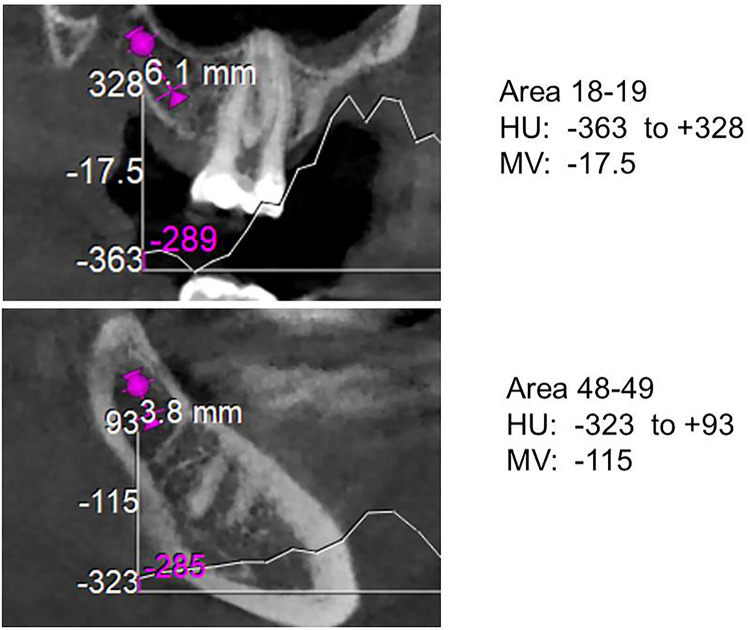
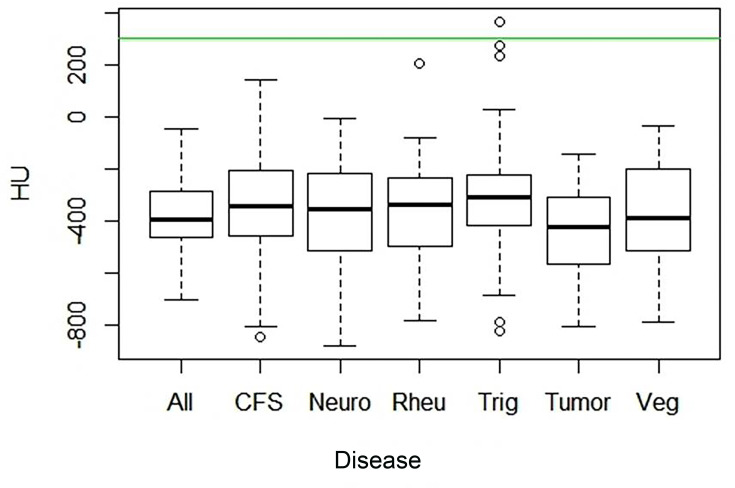
In a total of 301 patients, BMDJ was surgically repaired during clinical practice to reduce "silent inflammation" associated with the presence of jaw-related pathologies. In each case of BMDJ, bone density was measured preoperatively (in Hounsfield units [HU]), while R/C expression was measured postoperatively. Each of the 301 patients suffered from allergies, atypical facial and trigeminal pain, or were diagnosed with neurodegenerative diseases, tumors, rheumatism, chronic fatigue syndrome, or parasympathetic disorders.
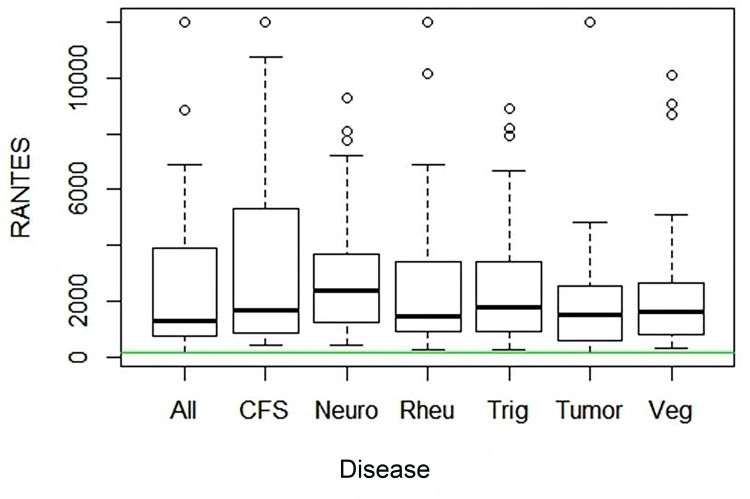
In all BMDJ cases, strongly negative HU values indicated decreased bone density or osteolysis. Consistently, all cases of BMDJ showed elevated R/C expression. These findings were consistently observed in every disease group.
BMDJ was confirmed in all patients, as verified by the HU measurements and laboratory results related to R/C expression. The hypothesis that a specific subset of the seven disease groups could be distinguished either based on the increased presence of BMDJ and by the overexpression of R/C could not be confirmed. A brief literature review confirms the importance of R/C in the etiology of each of the seven disease groups.
In this research, the crucial role played by BMDJ and the chemokine R/C in inflammatory and immune diseases is discussed for seven groups of patients. Each specific immune disease can be influenced or propelled by BMDJ-derived R/C inflammatory signaling pathways.
细胞因子,尤其是趋化因子,在免疫学中的关注度日益增加。本研究对鲜为人知的“颌骨骨髓缺陷”(BMDJ)现象进行了特征描述,已知该现象中趋化因子RANTES/CCL5(R/C)存在过表达。
我们的研究阐明了为何BMDJ以及局部R/C过表达的强度难以检测,这是在患有七种不同系统性免疫疾病的患者中进行的检查。具体而言,我们研究R/C过表达是否特定于某些疾病组,或者它是否代表在所有系统性免疫疾病中发现的一种信号破坏类型。
在总共301例患者中,在临床实践中通过手术修复BMDJ以减少与颌骨相关病变存在相关的“隐性炎症”。在每例BMDJ病例中,术前测量骨密度(以亨氏单位[HU]表示),术后测量R/C表达。301例患者中的每一位都患有过敏、非典型面部和三叉神经痛,或被诊断患有神经退行性疾病、肿瘤、风湿病、慢性疲劳综合征或副交感神经紊乱。
在所有BMDJ病例中,强烈的负HU值表明骨密度降低或骨质溶解。一致地,所有BMDJ病例均显示R/C表达升高。这些发现在每个疾病组中均持续观察到。
通过HU测量和与R/C表达相关的实验室结果证实,所有患者均存在BMDJ。关于可以根据BMDJ的增加存在和R/C的过表达来区分七个疾病组中的特定子集的假设未得到证实。简短的文献综述证实了R/C在七个疾病组中每种疾病的病因学中的重要性。
在本研究中,针对七组患者讨论了BMDJ和趋化因子R/C在炎症和免疫疾病中所起的关键作用。每种特定的免疫疾病都可能受到BMDJ衍生的R/C炎症信号通路的影响或推动。