Nie Han, Luo Cancan, Liao Kaili, Xu Jiasheng, Cheng Xue-Xin, Wang Xiaozhong
Department of Vascular Surgery, The Second Affiliated Hospital of Nanchang University, Nanchang, China.
Department of Hematology, The Second Affiliated Hospital of Nanchang University, Nanchang, China.
Front Cell Dev Biol. 2021 Apr 1;9:647106. doi: 10.3389/fcell.2021.647106. eCollection 2021.
To identify the key glycolysis-related genes (GRGs) in the occurrence and development of pancreatic ductal carcinoma (PDAC), and to construct a glycolysis-related gene model for predicting the prognosis of PDAC patients.
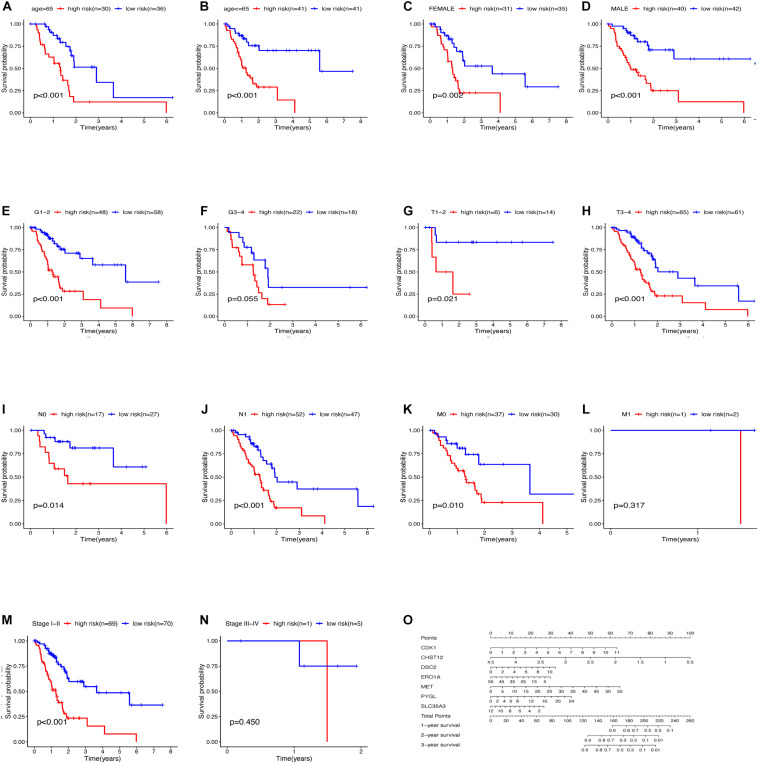
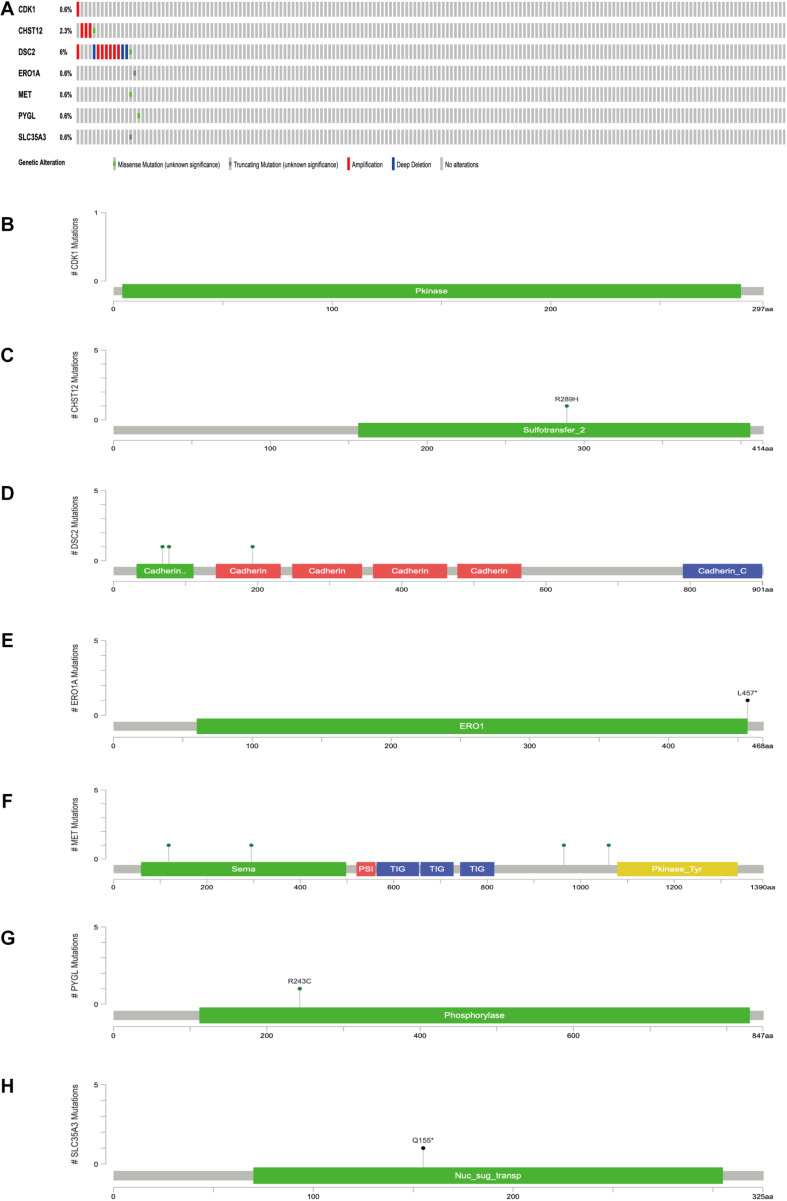
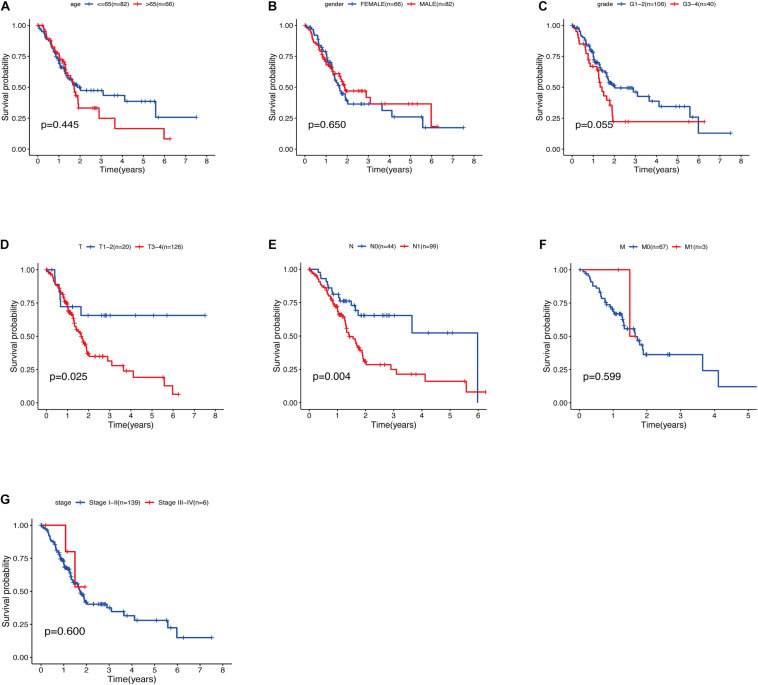
Pancreatic ductal carcinoma (PDAC) data and that of normal individuals were downloaded from the TCGA database and Genotype-Tissue Expression database, respectively. GSEA analysis of glycolysis-related pathways was then performed on PDAC data to identify significantly enriched GRGs. The genes were combined with other patient's clinical information and used to construct a glycolysis-related gene model using cox regression analysis. The model was further evaluated using data from the validation group. Mutations in the model genes were subsequently identified using the cBioPortal. In the same line, the expression levels of glycolysis related model genes in PDAC were analyzed and verified using immunohistochemical images. Model prediction for PDAC patients with different clinical characteristics was then done and the relationship between gene expression level, clinical stage and prognosis further discussed. Finally, a nomogram map of the predictive model was constructed to evaluate the prognosis of patients with PDAC.
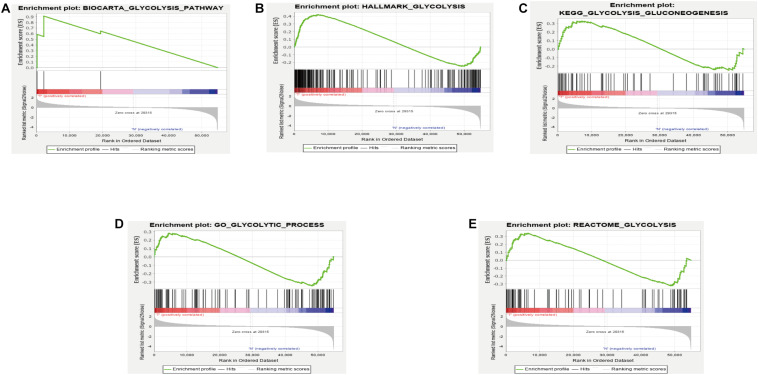
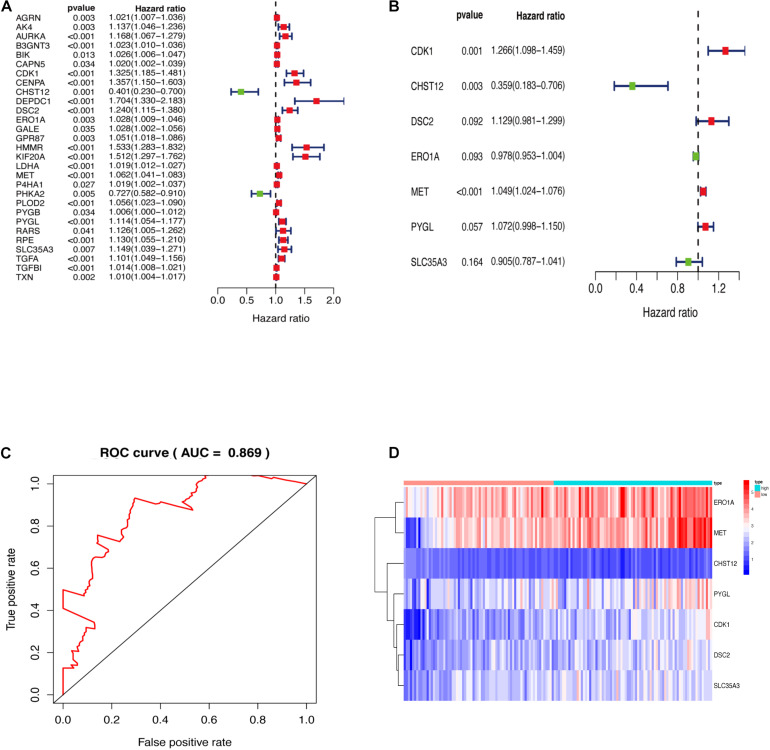
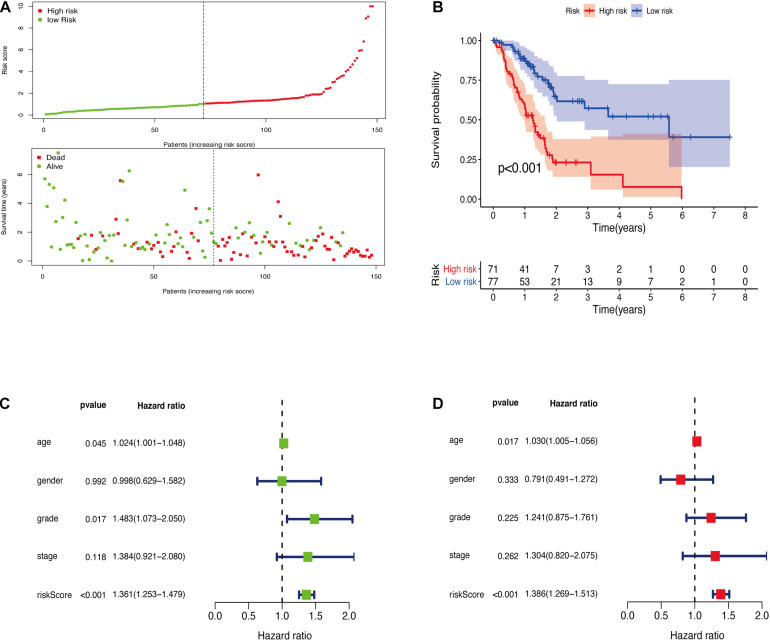
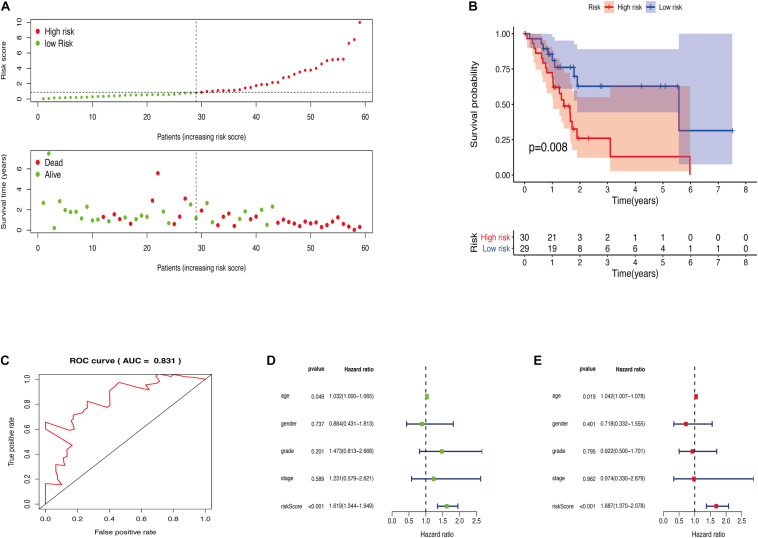
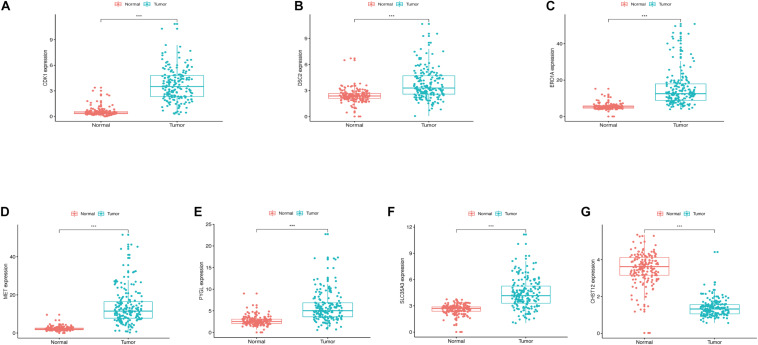
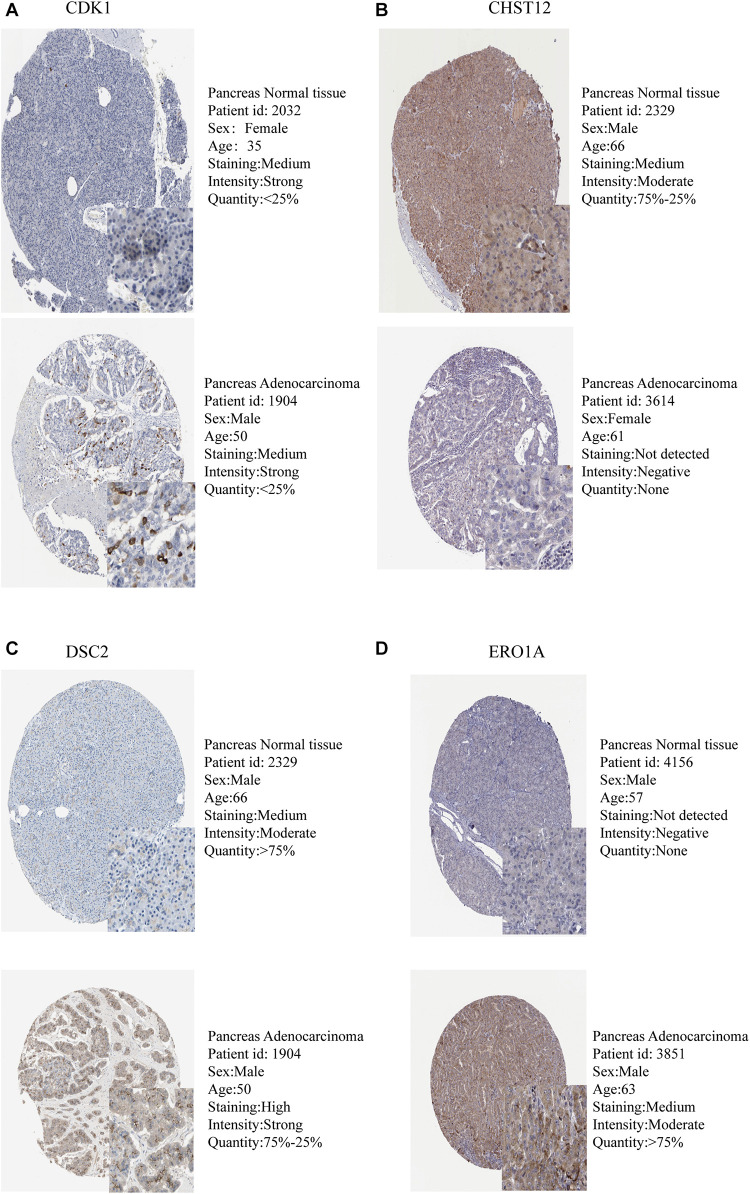
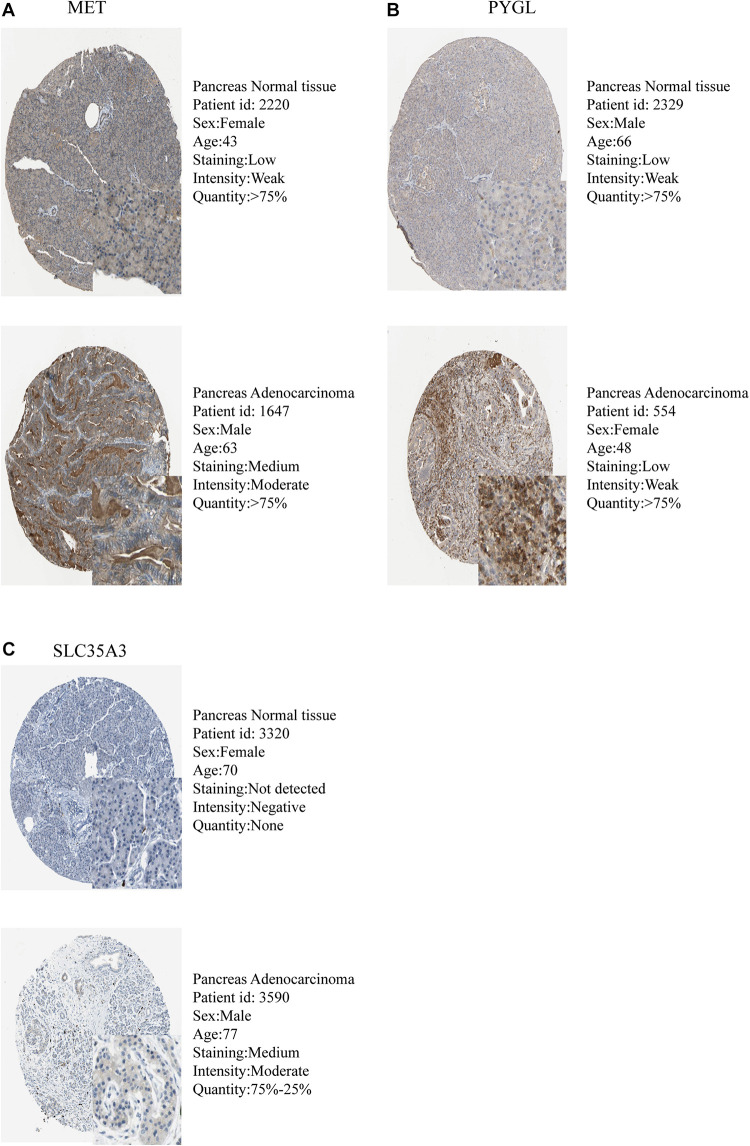
GSEA results of the training set revealed that genes in the training set were significantly related to glycolysis pathway and iconic glycolysis pathway. There were 108 differentially expressed GRGs. Among them, 29 GRGs were closely related to prognosis based on clinical survival time. Risk regression analysis further revealed that there were seven significantly expressed glycolysis related genes. The genes were subsequently used to construct a predictive model. The model had an AUC value of more than 0.85. It was also significantly correlated with survival time. Further expression analysis revealed that CDK1, DSC2, ERO1A, MET, PYGL, and SLC35A3 were highly expressed in PDAC and CHST12 was highly expressed in normal pancreatic tissues. These results were confirmed using immunohistochemistry images of normal and diseases cells. The model could effectively evaluate the prognosis of PDAC patients with different clinical characteristics.
The constructed glycolysis-related gene model effectively predicts the occurrence and development of PDAC. As such, it can be used as a prognostic marker to diagnose patients with PDAC.
确定胰腺导管腺癌(PDAC)发生发展过程中的关键糖酵解相关基因(GRGs),并构建一个用于预测PDAC患者预后的糖酵解相关基因模型。
分别从TCGA数据库和基因型-组织表达数据库下载胰腺导管腺癌(PDAC)数据和正常个体数据。然后对PDAC数据进行糖酵解相关通路的基因集富集分析(GSEA),以确定显著富集的GRGs。将这些基因与其他患者的临床信息相结合,并使用cox回归分析构建糖酵解相关基因模型。使用验证组的数据对该模型进行进一步评估。随后使用cBioPortal鉴定模型基因中的突变。同样,使用免疫组化图像分析并验证PDAC中糖酵解相关模型基因的表达水平。然后对具有不同临床特征的PDAC患者进行模型预测,并进一步讨论基因表达水平、临床分期与预后之间的关系。最后,构建预测模型的列线图,以评估PDAC患者的预后。
训练集的GSEA结果显示,训练集中的基因与糖酵解途径和标志性糖酵解途径显著相关。有108个差异表达的GRGs。其中,基于临床生存时间,有29个GRGs与预后密切相关。风险回归分析进一步显示,有7个显著表达的糖酵解相关基因。随后使用这些基因构建了一个预测模型。该模型的AUC值大于0.85。它也与生存时间显著相关。进一步的表达分析显示,CDK1、DSC2、ERO1A、MET、PYGL和SLC35A3在PDAC中高表达,而CHST12在正常胰腺组织中高表达。这些结果通过正常和疾病细胞的免疫组化图像得到证实。该模型可以有效地评估具有不同临床特征的PDAC患者的预后。
构建的糖酵解相关基因模型有效地预测了PDAC的发生发展。因此,它可以作为一种预后标志物用于诊断PDAC患者。