• 文献检索
  • 文档翻译
  • 深度研究
  • 学术资讯
  • Suppr Zotero 插件Zotero 插件
  • 邀请有礼
  • 套餐&价格
  • 历史记录
应用&插件
Suppr Zotero 插件Zotero 插件浏览器插件Mac 客户端Windows 客户端微信小程序
定价
高级版会员购买积分包购买API积分包
服务
文献检索文档翻译深度研究API 文档MCP 服务
关于我们
关于 Suppr公司介绍联系我们用户协议隐私条款
关注我们

Suppr 超能文献

核心技术专利:CN118964589B侵权必究
粤ICP备2023148730 号-1Suppr @ 2026

文献检索

告别复杂PubMed语法,用中文像聊天一样搜索,搜遍4000万医学文献。AI智能推荐,让科研检索更轻松。

立即免费搜索

文件翻译

保留排版,准确专业,支持PDF/Word/PPT等文件格式,支持 12+语言互译。

免费翻译文档

深度研究

AI帮你快速写综述,25分钟生成高质量综述,智能提取关键信息,辅助科研写作。

立即免费体验

一种使用二维和三维患者来源的体外模型进行胶质母细胞瘤临床前治疗反应分析的药物筛选管道。

A Drug Screening Pipeline Using 2D and 3D Patient-Derived In Vitro Models for Pre-Clinical Analysis of Therapy Response in Glioblastoma.

机构信息

Centre for Cancer Biology, SA Pathology and the University of South of Australia, Adelaide, SA 5000, Australia.

Adelaide Medical School, University of Adelaide, Adelaide, SA 5000, Australia.

出版信息

Int J Mol Sci. 2021 Apr 21;22(9):4322. doi: 10.3390/ijms22094322.

DOI:10.3390/ijms22094322
PMID:33919246
原文链接:https://pmc.ncbi.nlm.nih.gov/articles/PMC8122466/
Abstract

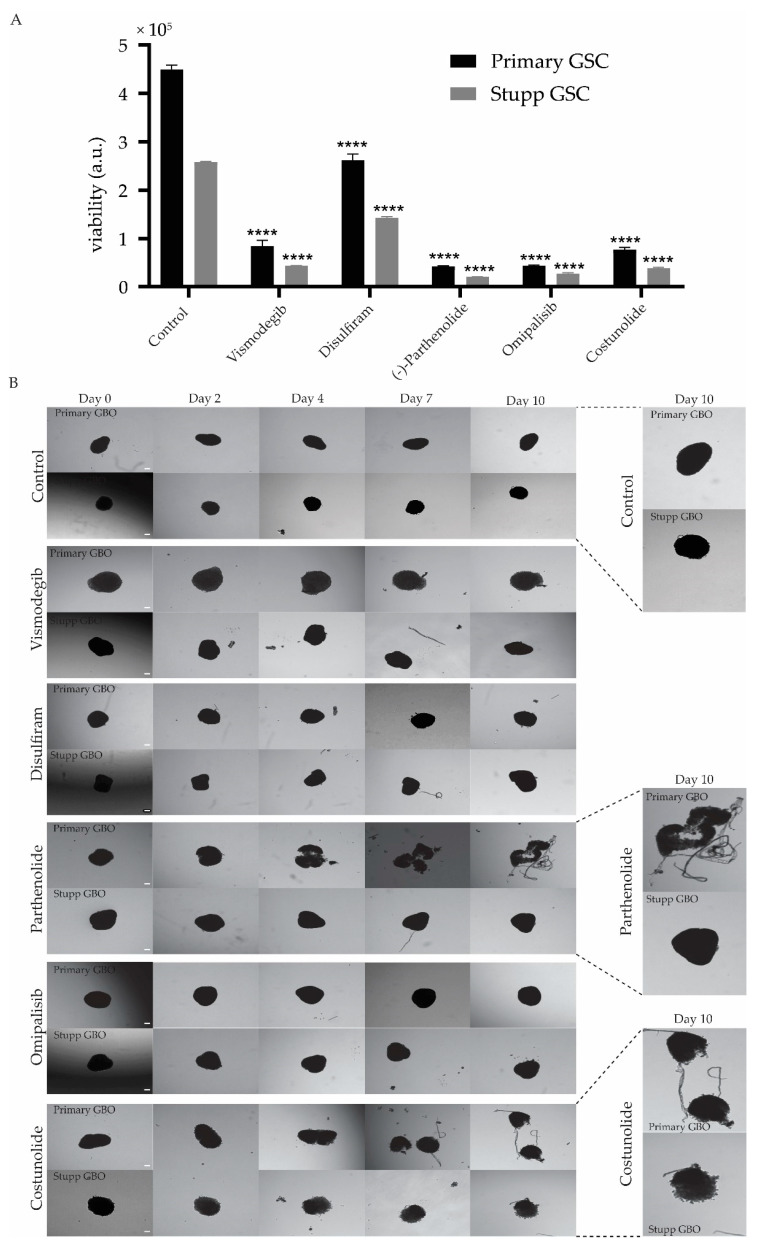
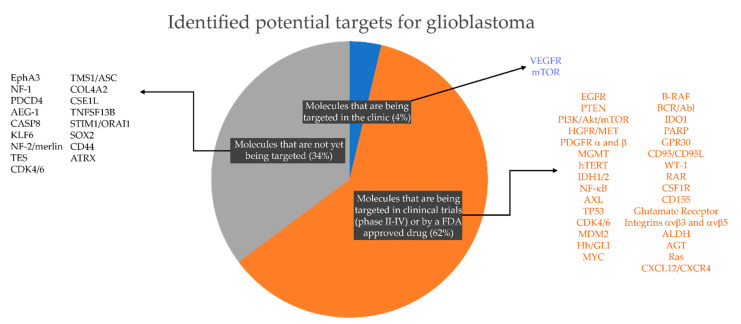
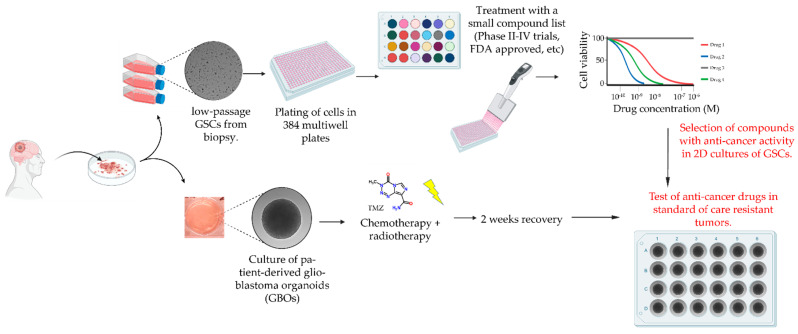
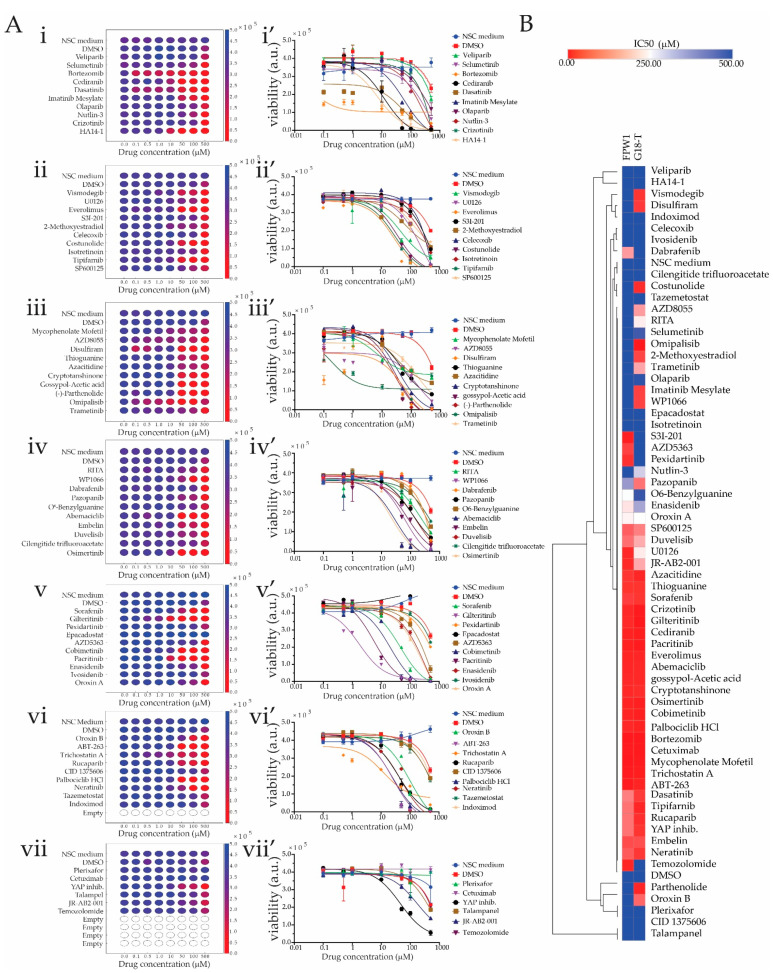
Glioblastoma is one of the most common and lethal types of primary brain tumor. Despite aggressive treatment with chemotherapy and radiotherapy, tumor recurrence within 6-9 months is common. To overcome this, more effective therapies targeting cancer cell stemness, invasion, metabolism, cell death resistance and the interactions of tumor cells with their surrounding microenvironment are required. In this study, we performed a systematic review of the molecular mechanisms that drive glioblastoma progression, which led to the identification of 65 drugs/inhibitors that we screened for their efficacy to kill patient-derived glioma stem cells in two dimensional (2D) cultures and patient-derived three dimensional (3D) glioblastoma explant organoids (GBOs). From the screening, we found a group of drugs that presented different selectivity on different patient-derived in vitro models. Moreover, we found that Costunolide, a TERT inhibitor, was effective in reducing the cell viability in vitro of both primary tumor models as well as tumor models pre-treated with chemotherapy and radiotherapy. These results present a novel workflow for screening a relatively large groups of drugs, whose results could lead to the identification of more personalized and effective treatment for recurrent glioblastoma.

摘要

胶质母细胞瘤是最常见和最致命的原发性脑肿瘤之一。尽管采用化疗和放疗等积极治疗,但肿瘤在 6-9 个月内复发是很常见的。为了克服这一问题,需要更有效的治疗方法来针对癌细胞干性、侵袭、代谢、细胞死亡抵抗以及肿瘤细胞与周围微环境的相互作用。在这项研究中,我们对驱动胶质母细胞瘤进展的分子机制进行了系统综述,这导致我们鉴定了 65 种药物/抑制剂,并在二维(2D)培养物和患者来源的三维(3D)胶质母细胞瘤类器官(GBO)中筛选它们杀死患者来源的神经胶质瘤干细胞的功效。通过筛选,我们发现了一组在不同患者来源的体外模型上具有不同选择性的药物。此外,我们发现,TERT 抑制剂 Costunolide 可有效降低两种原发性肿瘤模型以及经化疗和放疗预处理的肿瘤模型的体外细胞活力。这些结果提出了一种筛选相对大量药物的新工作流程,其结果可能导致为复发性胶质母细胞瘤确定更个性化和有效的治疗方法。
https://cdn.ncbi.nlm.nih.gov/pmc/blobs/25a1/8122466/9bc91cc08dcb/ijms-22-04322-g006.jpg
https://cdn.ncbi.nlm.nih.gov/pmc/blobs/25a1/8122466/6a55da1fbd56/ijms-22-04322-g001.jpg
https://cdn.ncbi.nlm.nih.gov/pmc/blobs/25a1/8122466/374d4d2619d2/ijms-22-04322-g002.jpg
https://cdn.ncbi.nlm.nih.gov/pmc/blobs/25a1/8122466/af44ea31627e/ijms-22-04322-g003.jpg
https://cdn.ncbi.nlm.nih.gov/pmc/blobs/25a1/8122466/0dcde1a45ae1/ijms-22-04322-g004.jpg
https://cdn.ncbi.nlm.nih.gov/pmc/blobs/25a1/8122466/4062355c5aab/ijms-22-04322-g005.jpg
https://cdn.ncbi.nlm.nih.gov/pmc/blobs/25a1/8122466/9bc91cc08dcb/ijms-22-04322-g006.jpg
https://cdn.ncbi.nlm.nih.gov/pmc/blobs/25a1/8122466/6a55da1fbd56/ijms-22-04322-g001.jpg
https://cdn.ncbi.nlm.nih.gov/pmc/blobs/25a1/8122466/374d4d2619d2/ijms-22-04322-g002.jpg
https://cdn.ncbi.nlm.nih.gov/pmc/blobs/25a1/8122466/af44ea31627e/ijms-22-04322-g003.jpg
https://cdn.ncbi.nlm.nih.gov/pmc/blobs/25a1/8122466/0dcde1a45ae1/ijms-22-04322-g004.jpg
https://cdn.ncbi.nlm.nih.gov/pmc/blobs/25a1/8122466/4062355c5aab/ijms-22-04322-g005.jpg
https://cdn.ncbi.nlm.nih.gov/pmc/blobs/25a1/8122466/9bc91cc08dcb/ijms-22-04322-g006.jpg

相似文献

1
A Drug Screening Pipeline Using 2D and 3D Patient-Derived In Vitro Models for Pre-Clinical Analysis of Therapy Response in Glioblastoma.一种使用二维和三维患者来源的体外模型进行胶质母细胞瘤临床前治疗反应分析的药物筛选管道。
Int J Mol Sci. 2021 Apr 21;22(9):4322. doi: 10.3390/ijms22094322.
2
Biobanked Glioblastoma Patient-Derived Organoids as a Precision Medicine Model to Study Inhibition of Invasion.生物银行胶质母细胞瘤患者来源的类器官作为一种精准医学模型来研究侵袭抑制。
Int J Mol Sci. 2021 Oct 3;22(19):10720. doi: 10.3390/ijms221910720.
3
Collagen and derivatives-based materials as substrates for the establishment of glioblastoma organoids.基于胶原和衍生物的材料作为建立胶质母细胞瘤类器官的基质。
Int J Biol Macromol. 2024 Jan;254(Pt 1):128018. doi: 10.1016/j.ijbiomac.2023.128018. Epub 2023 Nov 13.
4
Development of glioblastoma organoids and their applications in personalized therapy.胶质母细胞瘤类器官的发展及其在个性化治疗中的应用。
Cancer Biol Med. 2023 Jun 5;20(5):353-68. doi: 10.20892/j.issn.2095-3941.2023.0061.
5
In vitro biomimetic models for glioblastoma-a promising tool for drug response studies.用于胶质母细胞瘤的体外仿生模型——用于药物反应研究的有前途的工具。
Drug Resist Updat. 2021 Mar;55:100753. doi: 10.1016/j.drup.2021.100753. Epub 2021 Feb 20.
6
Tumor Organoids: The Era of Personalized Medicine.肿瘤类器官:个性化医疗的时代。
Biochemistry (Mosc). 2024 Jan;89(Suppl 1):S127-S147. doi: 10.1134/S0006297924140086.
7
Transcriptomic Profiling of 3D Glioblastoma Tumoroids for the Identification of Mechanisms Involved in Anticancer Drug Resistance.三维脑胶质瘤类器官的转录组学分析鉴定抗肿瘤药物耐药相关机制。
In Vivo. 2020 Jan-Feb;34(1):199-211. doi: 10.21873/invivo.11762.
8
Patient-derived organoids and orthotopic xenografts of primary and recurrent gliomas represent relevant patient avatars for precision oncology.患者来源的类器官和原发及复发性脑胶质瘤的原位异种移植为精准肿瘤学提供了相关的患者替身。
Acta Neuropathol. 2020 Dec;140(6):919-949. doi: 10.1007/s00401-020-02226-7. Epub 2020 Oct 3.
9
A novel 3D human glioblastoma cell culture system for modeling drug and radiation responses.一种用于模拟药物和辐射反应的新型三维人胶质母细胞瘤细胞培养系统。
Neuro Oncol. 2017 Feb 1;19(2):229-241. doi: 10.1093/neuonc/now164.
10
Utility of the Cerebral Organoid Glioma 'GLICO' Model for Screening Applications.类器官脑胶质瘤“GLICO”模型在筛选应用中的效用。
Cells. 2022 Dec 30;12(1):153. doi: 10.3390/cells12010153.

引用本文的文献

1
Harnessing Organoid Platforms for Nanoparticle Drug Development.利用类器官平台进行纳米颗粒药物开发。
Drug Des Devel Ther. 2025 Jul 18;19:6125-6143. doi: 10.2147/DDDT.S530999. eCollection 2025.
2
Personalising glioblastoma medicine: explant organoid applications, challenges and future perspectives.胶质母细胞瘤治疗的个性化:外植体类器官的应用、挑战及未来展望
Acta Neuropathol Commun. 2025 Jan 11;13(1):6. doi: 10.1186/s40478-025-01928-x.
3
Cell-Based Glioma Models for Anticancer Drug Screening: From Conventional Adherent Cell Cultures to Tumor-Specific Three-Dimensional Constructs.

本文引用的文献

1
A patient-designed tissue-engineered model of the infiltrative glioblastoma microenvironment.一种由患者设计的浸润性胶质母细胞瘤微环境的组织工程模型。
NPJ Precis Oncol. 2022 Jul 29;6(1):54. doi: 10.1038/s41698-022-00290-8.
2
New approaches to model glioblastoma using brain organoids: implications for precision oncology.利用脑类器官对胶质母细胞瘤进行建模的新方法:对精准肿瘤学的启示。
Transl Cancer Res. 2019 Dec;8(Suppl 6):S606-S611. doi: 10.21037/tcr.2019.09.08.
3
A Systematic Review of Glioblastoma-Targeted Therapies in Phases II, III, IV Clinical Trials.
用于抗癌药物筛选的基于细胞的胶质瘤模型:从传统贴壁细胞培养到肿瘤特异性三维构建体
Cells. 2024 Dec 17;13(24):2085. doi: 10.3390/cells13242085.
4
A High-Throughput Neurosphere-Based Colony Formation Assay to Test Drug and Radiation Sensitivity of Different Patient-Derived Glioblastoma Lines.一种基于高通量神经球的集落形成试验,用于检测不同患者来源的胶质母细胞瘤细胞系的药物和辐射敏感性。
Cells. 2024 Dec 3;13(23):1995. doi: 10.3390/cells13231995.
5
Recent Developments in Glioblastoma-On-A-Chip for Advanced Drug Screening Applications.用于先进药物筛选应用的胶质母细胞瘤芯片的最新进展
Small. 2025 Jan;21(1):e2405511. doi: 10.1002/smll.202405511. Epub 2024 Nov 13.
6
Novel bioassays based on 3D-printed device for sensing of hypoxia and p53 pathway in 3D cell models.基于 3D 打印设备的新型生物测定法,用于检测 3D 细胞模型中的缺氧和 p53 通路。
Anal Bioanal Chem. 2024 Dec;416(29):6819-6826. doi: 10.1007/s00216-024-05606-0. Epub 2024 Oct 19.
7
Glioblastoma modeling with 3D organoids: progress and challenges.利用三维类器官进行胶质母细胞瘤建模:进展与挑战
Oxf Open Neurosci. 2023 Jul 6;2:kvad008. doi: 10.1093/oons/kvad008. eCollection 2023.
8
Biomaterial-based 3D modeling of glioblastoma multiforme.基于生物材料的多形性胶质母细胞瘤3D建模。
Cancer Pathog Ther. 2023 Jan 9;1(3):177-194. doi: 10.1016/j.cpt.2023.01.002. eCollection 2023 Jul.
9
A comprehensive review on 3D tissue models: Biofabrication technologies and preclinical applications.3D 组织模型综述:生物制造技术与临床前应用。
Biomaterials. 2024 Jan;304:122408. doi: 10.1016/j.biomaterials.2023.122408. Epub 2023 Nov 27.
10
Non-animal glioblastoma models for personalized treatment.用于个性化治疗的非动物胶质母细胞瘤模型
Heliyon. 2023 Oct 16;9(10):e21070. doi: 10.1016/j.heliyon.2023.e21070. eCollection 2023 Oct.
对胶质母细胞瘤靶向疗法在II、III、IV期临床试验中的系统评价。
Cancers (Basel). 2021 Apr 9;13(8):1795. doi: 10.3390/cancers13081795.
4
Generation and biobanking of patient-derived glioblastoma organoids and their application in CAR T cell testing.患者来源胶质母细胞瘤类器官的生成和建库及其在 CAR T 细胞检测中的应用。
Nat Protoc. 2020 Dec;15(12):4000-4033. doi: 10.1038/s41596-020-0402-9. Epub 2020 Nov 9.
5
Endothelial, pericyte and tumor cell expression in glioblastoma identifies fibroblast activation protein (FAP) as an excellent target for immunotherapy.胶质母细胞瘤中内皮细胞、周细胞和肿瘤细胞的表达确定成纤维细胞活化蛋白(FAP)是免疫治疗的理想靶点。
Clin Transl Immunology. 2020 Oct 14;9(10):e1191. doi: 10.1002/cti2.1191. eCollection 2020.
6
Gaps and Doubts in Search to Recognize Glioblastoma Cellular Origin and Tumor Initiating Cells.识别胶质母细胞瘤细胞起源和肿瘤起始细胞研究中的差距与疑问
J Oncol. 2020 Jul 22;2020:6783627. doi: 10.1155/2020/6783627. eCollection 2020.
7
Current clinical management of patients with glioblastoma.胶质母细胞瘤患者的当前临床管理。
Cancer Rep (Hoboken). 2019 Dec;2(6):e1216. doi: 10.1002/cnr2.1216. Epub 2019 Sep 4.
8
A Patient-Derived Cell Atlas Informs Precision Targeting of Glioblastoma.患者衍生细胞图谱为脑胶质瘤的精准靶向提供信息。
Cell Rep. 2020 Jul 14;32(2):107897. doi: 10.1016/j.celrep.2020.107897.
9
Pexidartinib, a Novel Small Molecule CSF-1R Inhibitor in Use for Tenosynovial Giant Cell Tumor: A Systematic Review of Pre-Clinical and Clinical Development.培昔替尼,一种新型小分子 CSF-1R 抑制剂,用于治疗腱鞘巨细胞瘤:临床前和临床开发的系统评价。
Drug Des Devel Ther. 2020 May 4;14:1693-1704. doi: 10.2147/DDDT.S253232. eCollection 2020.
10
Organoid Models of Glioblastoma to Study Brain Tumor Stem Cells.用于研究脑肿瘤干细胞的胶质母细胞瘤类器官模型
Front Cell Dev Biol. 2020 Apr 16;8:220. doi: 10.3389/fcell.2020.00220. eCollection 2020.