Huang Yichao, Yu Lichen
Department of Industrial Management, National Pingtung University of Science and Technology, Pingtung 91201, Taiwan.
Healthcare (Basel). 2021 Apr 14;9(4):462. doi: 10.3390/healthcare9040462.
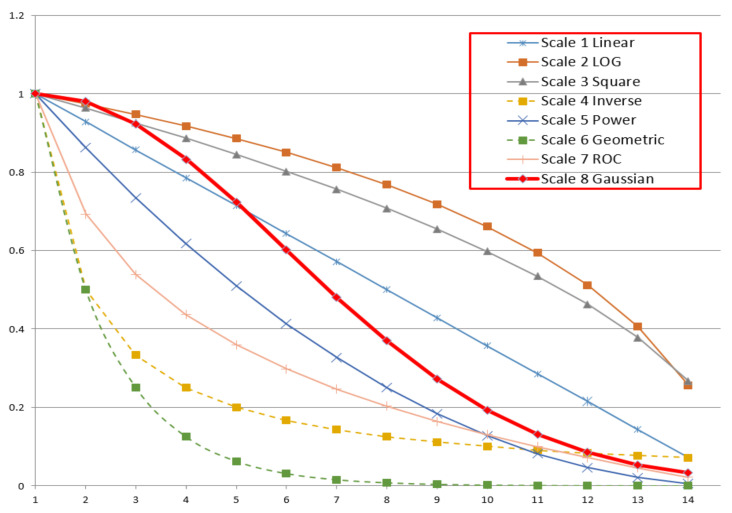
(1) Background: The COVID-19 epidemic had caused more than 100 million confirmed cases worldwide by the end of January 2021. The focus of this study was to explore which stress was felt the most by nursing staff in isolation wards in the face of dangerous infectious diseases. (2) Methods: Nursing staff in negative pressure isolation wards were taken as the research objects. The sources of stress were divided into 14 items in three categories, namely, patient care, infection protection, and support system, and the questionnaire results were ranked by a Gaussian curve. (3) Results: Even during the COVID-19 epidemic, nurses in isolation wards still consider that the clinical symptoms of patients in isolation wards cannot be closely tracked as the primary consideration. (4) Conclusions: During the epidemic period, the ability and confidence of nursing staff were strengthened through education and training, and their chances of infection were reduced through comprehensive vaccination and the improvement of protective equipment. In the face of the unstable mood of patients and their families due to isolation, more protective measures should be prepared for nursing staff. In order to relieve the stress, supervisors can adjust the nursing manpower timely according to the difficulty and risk of patient care to reduce the care stress.
(1) 背景:截至2021年1月底,新冠疫情已在全球造成超过1亿例确诊病例。本研究的重点是探讨面对危险传染病时,隔离病房的护理人员感受到的最大压力是什么。(2) 方法:以负压隔离病房的护理人员为研究对象。压力来源分为患者护理、感染防护和支持系统三类共14项,并通过高斯曲线对问卷结果进行排序。(3) 结果:即使在新冠疫情期间,隔离病房的护士仍认为无法密切跟踪隔离病房患者的临床症状是首要考虑因素。(4) 结论:疫情期间,通过教育培训增强护理人员的能力和信心,通过全面接种疫苗和改进防护设备降低其感染几率。面对患者及其家属因隔离产生的不稳定情绪,应为护理人员准备更多防护措施。为缓解压力,主管人员可根据患者护理的难度和风险适时调整护理人力,以减轻护理压力。