Massafra Raffaella, Bove Samantha, Lorusso Vito, Biafora Albino, Comes Maria Colomba, Didonna Vittorio, Diotaiuti Sergio, Fanizzi Annarita, Nardone Annalisa, Nolasco Angelo, Ressa Cosmo Maurizio, Tamborra Pasquale, Terenzio Antonella, La Forgia Daniele
Struttura Semplice Dipartimentale di Fisica Sanitaria, I.R.C.C.S. Istituto Tumori "Giovanni Paolo II", Viale Orazio Flacco 65, 70124 Bari, Italy.
Dipartimento di Matematica, Università degli Studi di Bari, 70121 Bari, Italy.
Diagnostics (Basel). 2021 Apr 10;11(4):684. doi: 10.3390/diagnostics11040684.
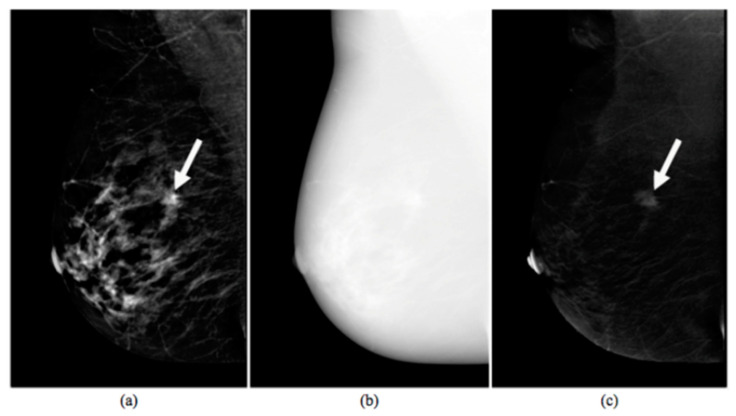
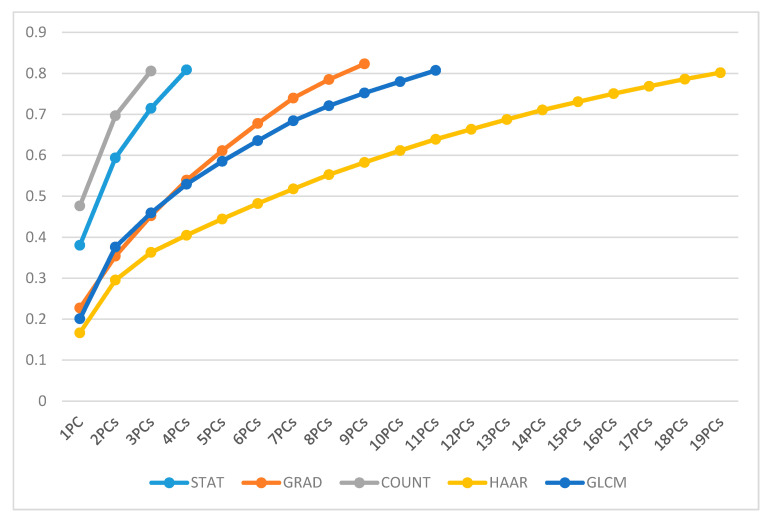
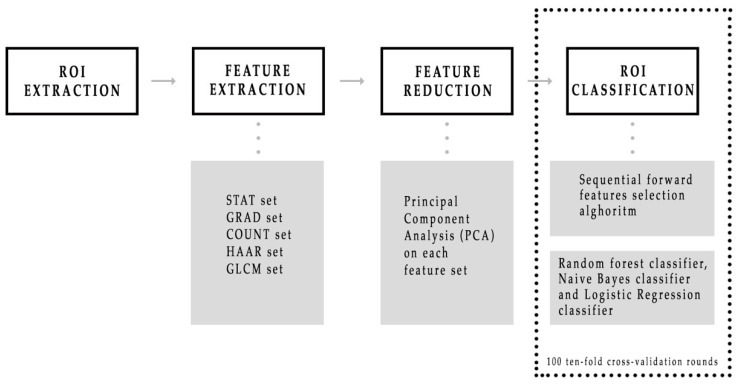
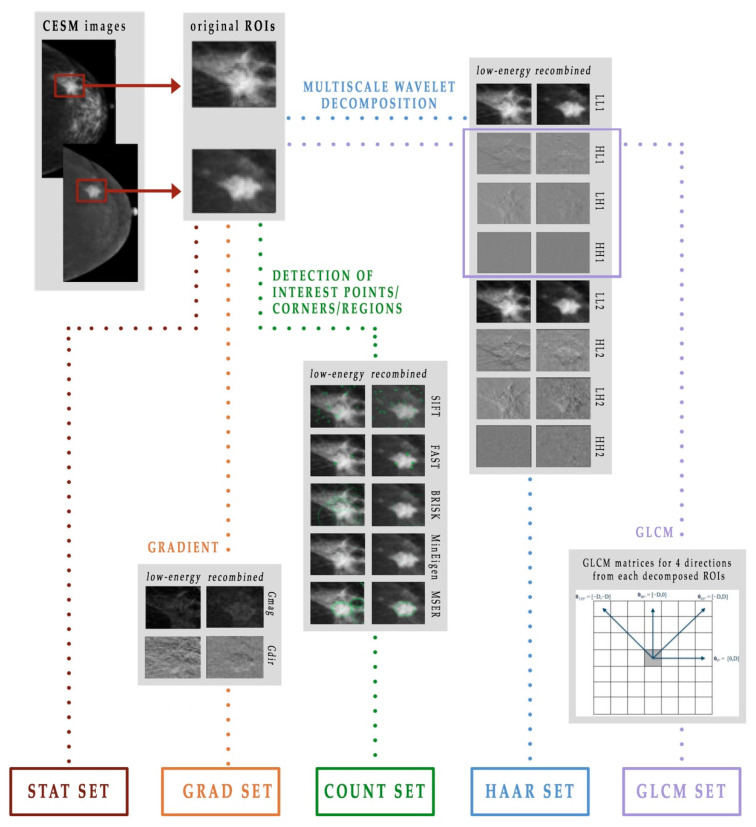
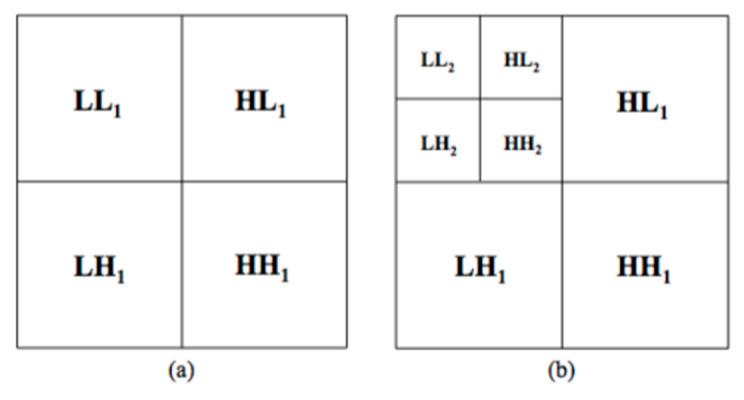
Contrast-enhanced spectral mammography (CESM) is an advanced instrument for breast care that is still operator dependent. The aim of this paper is the proposal of an automated system able to discriminate benign and malignant breast lesions based on radiomic analysis. We selected a set of 58 regions of interest (ROIs) extracted from 53 patients referred to Istituto Tumori "Giovanni Paolo II" of Bari (Italy) for the breast cancer screening phase between March 2017 and June 2018. We extracted 464 features of different kinds, such as points and corners of interest, textural and statistical features from both the original ROIs and the ones obtained by a Haar decomposition and a gradient image implementation. The features data had a large dimension that can affect the process and accuracy of cancer classification. Therefore, a classification scheme for dimension reduction was needed. Specifically, a principal component analysis (PCA) dimension reduction technique that includes the calculation of variance proportion for eigenvector selection was used. For the classification method, we trained three different classifiers, that is a random forest, a naïve Bayes and a logistic regression, on each sub-set of principal components (PC) selected by a sequential forward algorithm. Moreover, we focused on the starting features that contributed most to the calculation of the related PCs, which returned the best classification models. The method obtained with the aid of the random forest classifier resulted in the best prediction of benign/malignant ROIs with median values for sensitivity and specificity of 88.37% and 100%, respectively, by using only three PCs. The features that had shown the greatest contribution to the definition of the same were almost all extracted from the LE images. Our system could represent a valid support tool for radiologists for interpreting CESM images.
对比增强光谱乳腺摄影(CESM)是一种用于乳腺护理的先进仪器,但仍依赖操作人员。本文旨在提出一种基于放射组学分析能够区分乳腺良恶性病变的自动化系统。我们从2017年3月至2018年6月期间因乳腺癌筛查阶段转诊至意大利巴里“乔瓦尼·保罗二世”肿瘤研究所的53名患者中提取了一组58个感兴趣区域(ROI)。我们从原始ROI以及通过哈尔分解和梯度图像实现获得的ROI中提取了464种不同类型的特征,如兴趣点和角点、纹理和统计特征。特征数据维度很大,这可能会影响癌症分类的过程和准确性。因此,需要一种降维分类方案。具体而言,使用了一种主成分分析(PCA)降维技术,该技术包括计算用于特征向量选择的方差比例。对于分类方法,我们在通过顺序前向算法选择的每个主成分(PC)子集上训练了三种不同的分类器,即随机森林、朴素贝叶斯和逻辑回归。此外,我们关注对相关PC计算贡献最大的起始特征,这些特征返回了最佳分类模型。借助随机森林分类器获得的方法在仅使用三个PC的情况下,对良性/恶性ROI的预测效果最佳,灵敏度和特异性的中位数分别为88.37%和100%。对相同定义贡献最大的特征几乎都从LE图像中提取。我们的系统可以为放射科医生解释CESM图像提供有效的支持工具。