Neurosciences and Signalling Group, Department of Medical Sciences, Institute of Biomedicine (iBiMED), University of Aveiro (UA), 3810-193 Aveiro, Portugal.
Center for Interdisciplinary Research in Health (CIIS), Faculdade de Medicina Dentária, Universidade Católica Portuguesa, Estrada da Circunvalação, 3504-505 Viseu, Portugal.
Int J Mol Sci. 2021 Apr 11;22(8):3933. doi: 10.3390/ijms22083933.
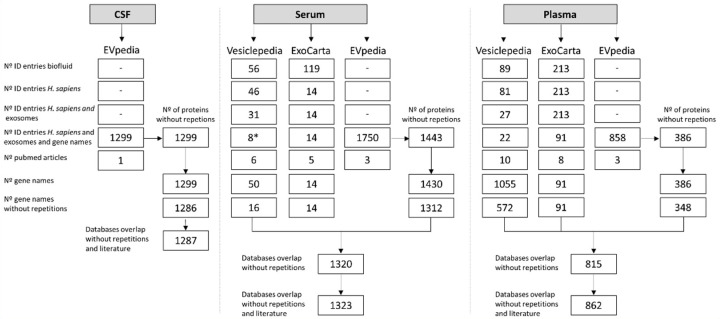
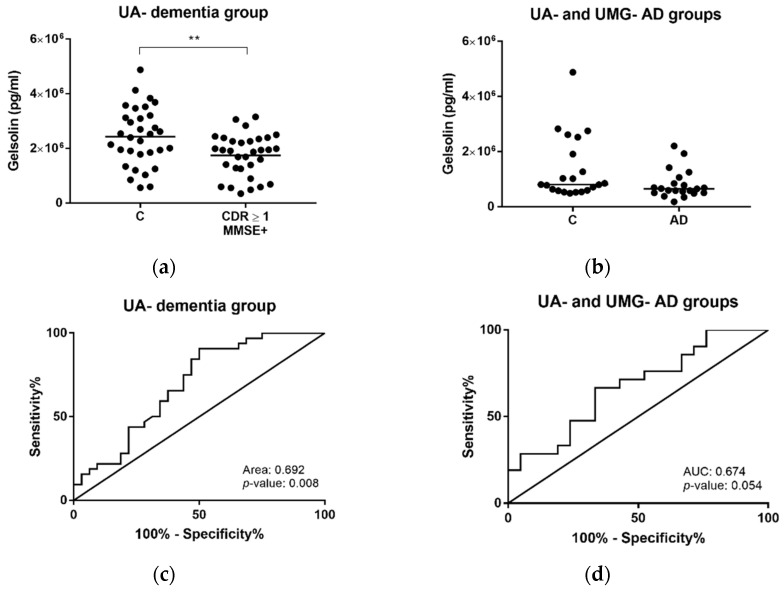
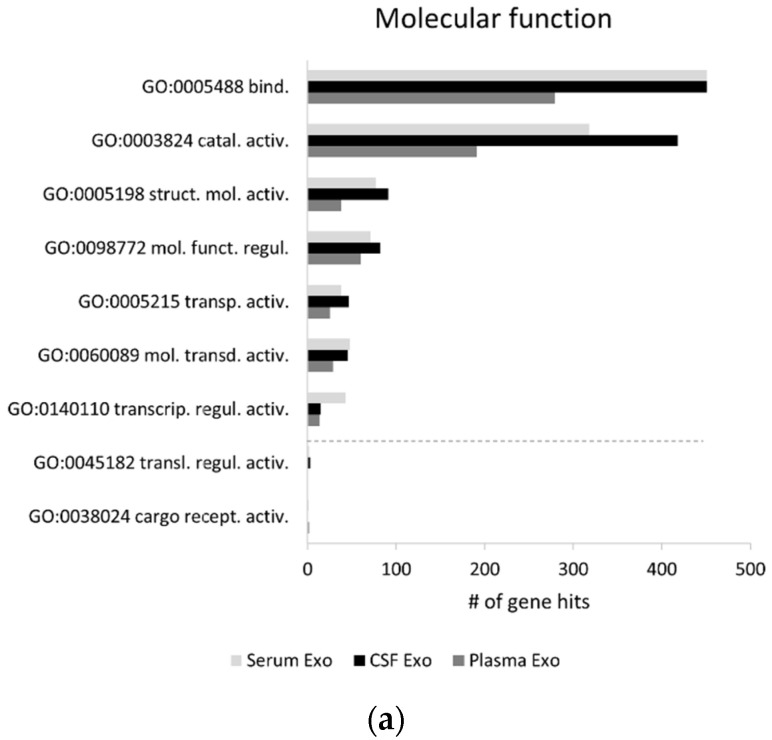
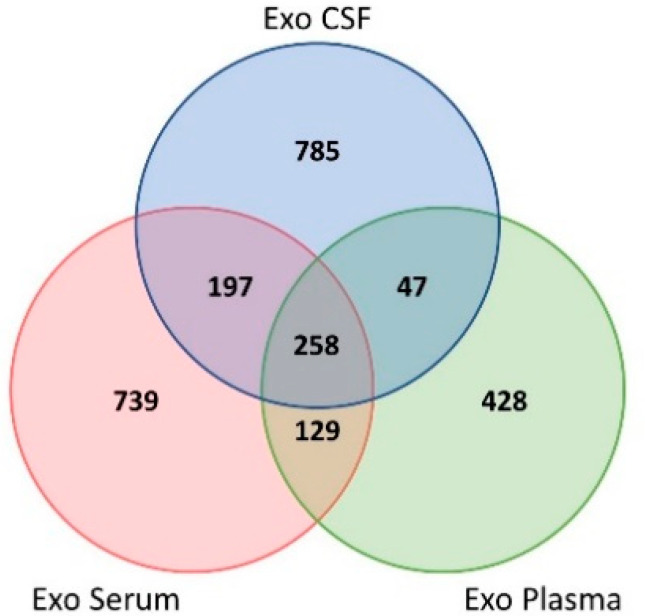
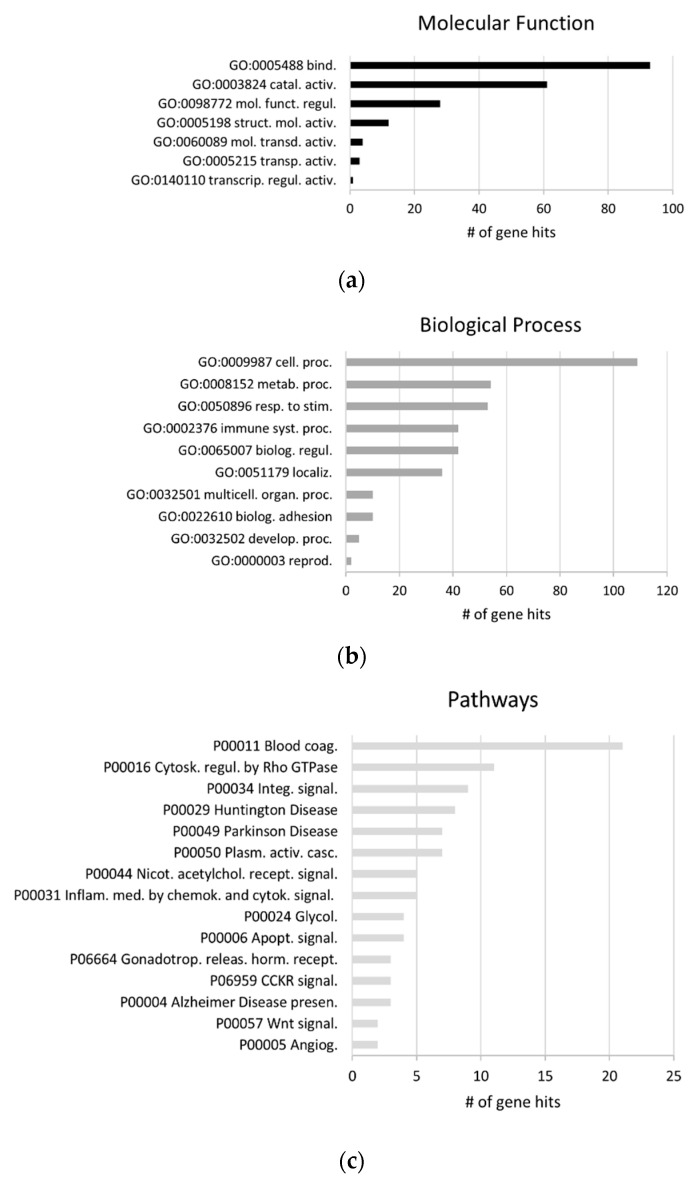
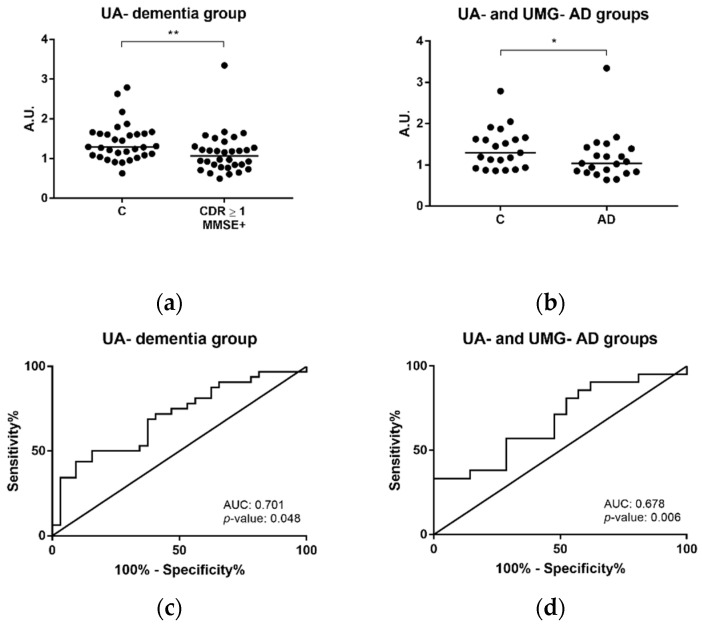
The potential of exosomes as biomarker resources for diagnostics and even for therapeutics has intensified research in the field, including in the context of Alzheimer´s disease (AD). The search for disease biomarkers in peripheral biofluids is advancing mainly due to the easy access it offers. In the study presented here, emphasis was given to the bioinformatic identification of putative exosomal candidates for AD. The exosomal proteomes of cerebrospinal fluid (CSF), serum and plasma, were obtained from three databases (ExoCarta, EVpedia and Vesiclepedia), and complemented with additional exosomal proteins already associated with AD but not found in the databases. The final biofluids' proteomes were submitted to gene ontology (GO) enrichment analysis and the exosomal Aβ-binding proteins that can constitute putative candidates were identified. Among these candidates, gelsolin, a protein known to be involved in inhibiting Abeta fibril formation, was identified, and it was tested in human samples. The levels of this Aβ-binding protein, with anti-amyloidogenic properties, were assessed in serum-derived exosomes isolated from controls and individuals with dementia, including AD cases, and revealed altered expression patterns. Identification of potential peripheral biomarker candidates for AD may be useful, not only for early disease diagnosis but also in drug trials and to monitor disease progression, allowing for a timely therapeutic intervention, which will positively impact the patient's quality of life.
外泌体作为诊断标志物甚至治疗靶点的潜力,使得该领域的研究,包括阿尔茨海默病(AD)相关研究,变得更加深入。由于外周生物体液具有易于获取的特点,因此其在疾病生物标志物的研究中得到了广泛应用。在本研究中,我们主要侧重于通过生物信息学方法鉴定 AD 相关的外泌体候选标志物。从三个数据库(ExoCarta、EVpedia 和 Vesiclepedia)中获得了脑脊液(CSF)、血清和血浆的外泌体蛋白质组学数据,并补充了数据库中未包含但与 AD 相关的其他外泌体蛋白。最终的生物流体蛋白质组学数据提交给基因本体(GO)富集分析,以鉴定可能的外泌体 Aβ结合蛋白候选物。在这些候选物中,鉴定出了一种已知参与抑制 Abeta 纤维形成的外泌体结合蛋白——胶凝蛋白,并在人类样本中进行了测试。从对照组和痴呆患者(包括 AD 患者)的血清衍生外泌体中提取的这种具有抗淀粉样蛋白特性的 Aβ结合蛋白的水平,其表达模式发生了改变。AD 的潜在外周生物标志物候选物的鉴定,不仅对早期疾病诊断有用,而且对药物试验和监测疾病进展也有用,可以及时进行治疗干预,从而提高患者的生活质量。