Departament de Nutrició, Ciències de l'Alimentació i Gastronomia, Facultat de Farmàcia i Ciències de l'Alimentació, Campus de l'Alimentació de Torribera, Universitat de Barcelona, Av. Prat de la Riba 171, 08921 Santa Coloma de Gramenet, Spain.
Federación Española de Dietistas-Nutricionistas Universitarios (FEDNU), C/Doctor Fleming, 53-PTA. 8. 46470 Albal, Spain.
Nutrients. 2021 Apr 28;13(5):1494. doi: 10.3390/nu13051494.
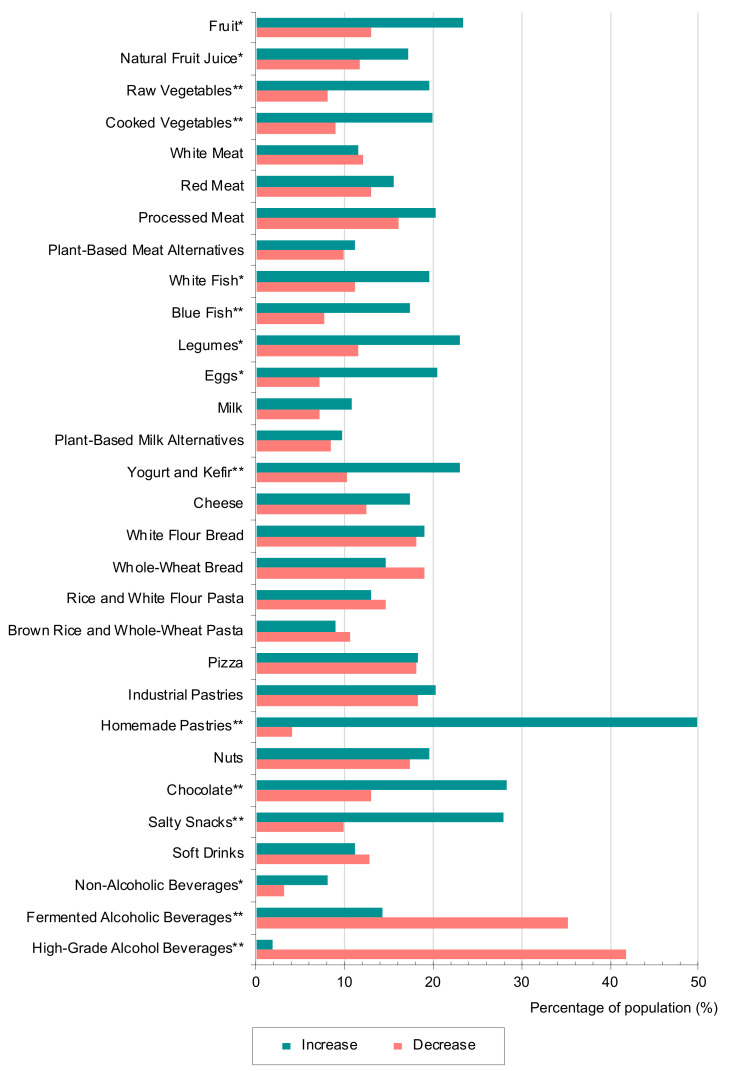
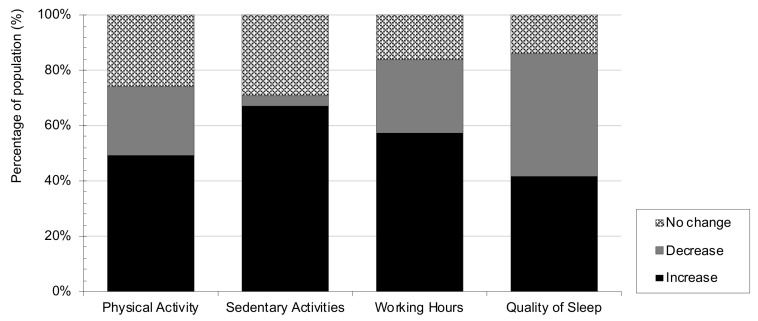
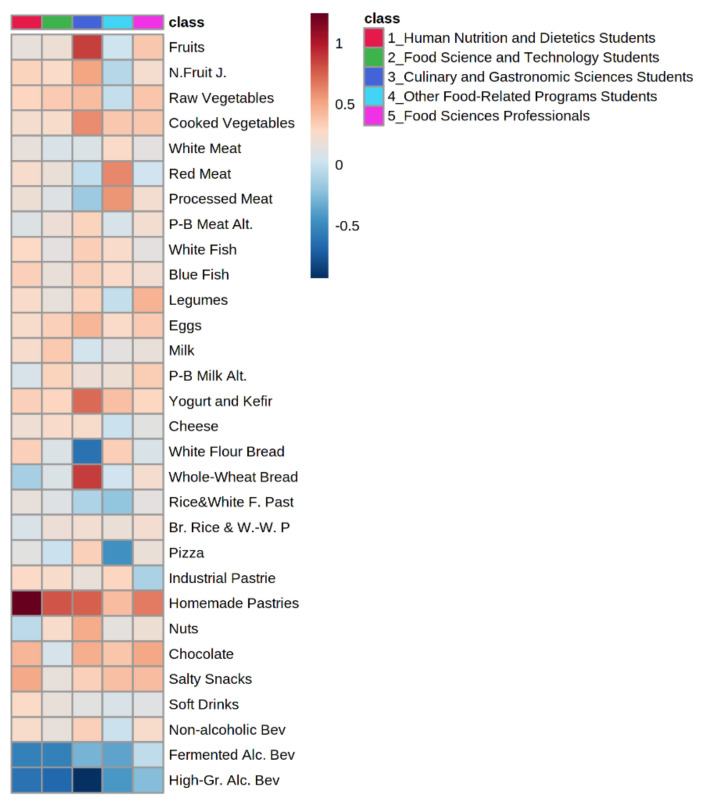
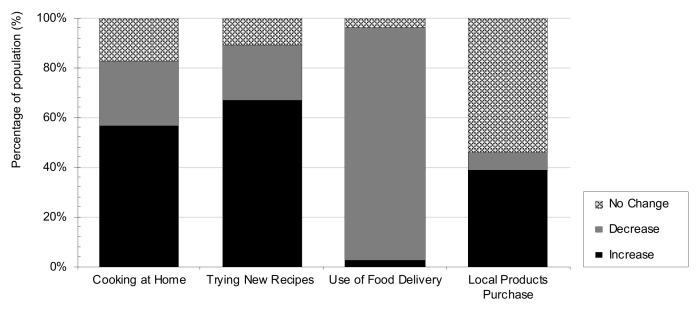
On 11 March 2020, the World Health Organization (WHO) declared COVID-19 a global pandemic, forcing countries around the world to confine their population to halt the rapid spread of the virus. This study aimed to evaluate the changes in dietary habits and lifestyle during the COVID-19 lockdown a specific population with academic and professional knowledge in food sciences from Spain. An online questionnaire, based on 41 items, including sociodemographic data, dietary habits, food-related behaviors, and lifestyle were distributed using academic and institutional mailing lists and social media. Results showed a higher intake of fruit and vegetables, legumes, eggs, fish, and yogurt together with a decrease in consumption of alcoholic beverages between before and during the lockdown period. Nevertheless, an increase in consumption of some fruitive foods and an increase in self-reported weight were also observed, although in lower percentages than in other populations. A worse sleep quality and an increase in working hours and sitting time were also reported. Overall, trends towards healthier dietary habits were observed within the study sample during COVID-19 confinement period.
2020 年 3 月 11 日,世界卫生组织(WHO)宣布 COVID-19 为全球大流行,迫使世界各国限制其人口流动,以阻止病毒的快速传播。本研究旨在评估在 COVID-19 封锁期间,具有食品科学学术和专业知识的特定人群的饮食习惯和生活方式的变化。采用基于 41 个项目的在线问卷,包括社会人口统计学数据、饮食习惯、与食物相关的行为和生活方式,通过学术和机构邮件列表以及社交媒体进行分发。结果显示,与封锁前相比,在封锁期间,水果和蔬菜、豆类、鸡蛋、鱼类和酸奶的摄入量增加,而酒精饮料的摄入量减少。然而,也观察到一些水果食品的消费增加和自我报告体重增加,尽管其百分比低于其他人群。睡眠质量变差、工作时间和久坐时间增加也有报道。总的来说,在 COVID-19 隔离期间,研究样本中观察到了朝着更健康饮食习惯的趋势。