Department of Genetics and Cell Physiology, University of Wroclaw, 50-328 Wroclaw, Poland.
Int J Mol Sci. 2021 Apr 26;22(9):4510. doi: 10.3390/ijms22094510.
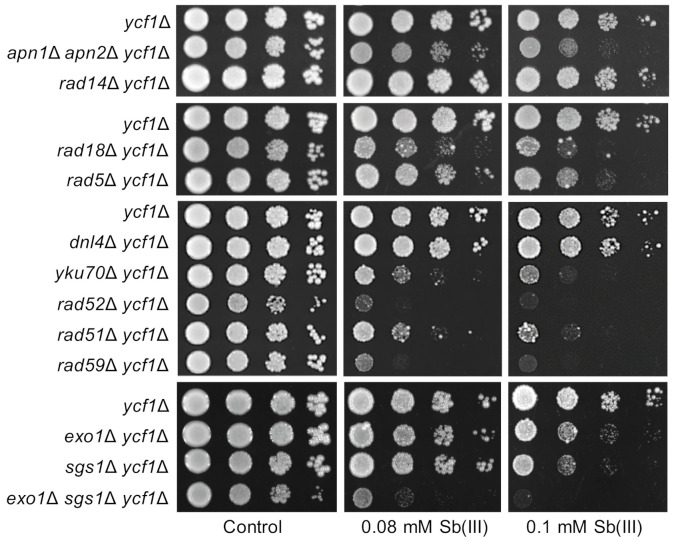
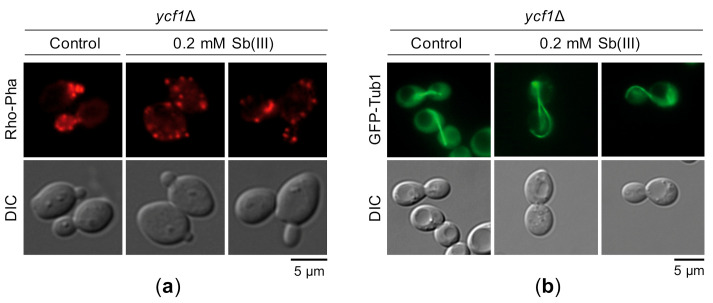
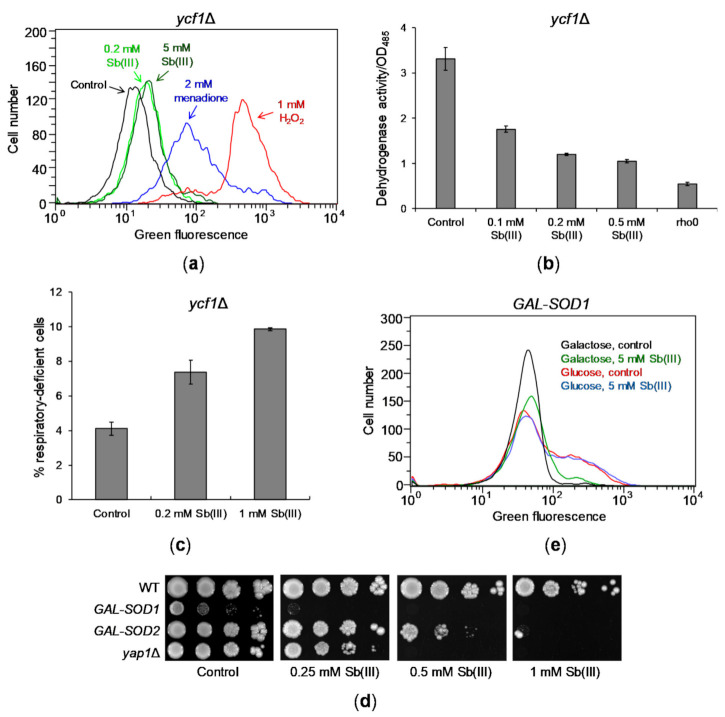
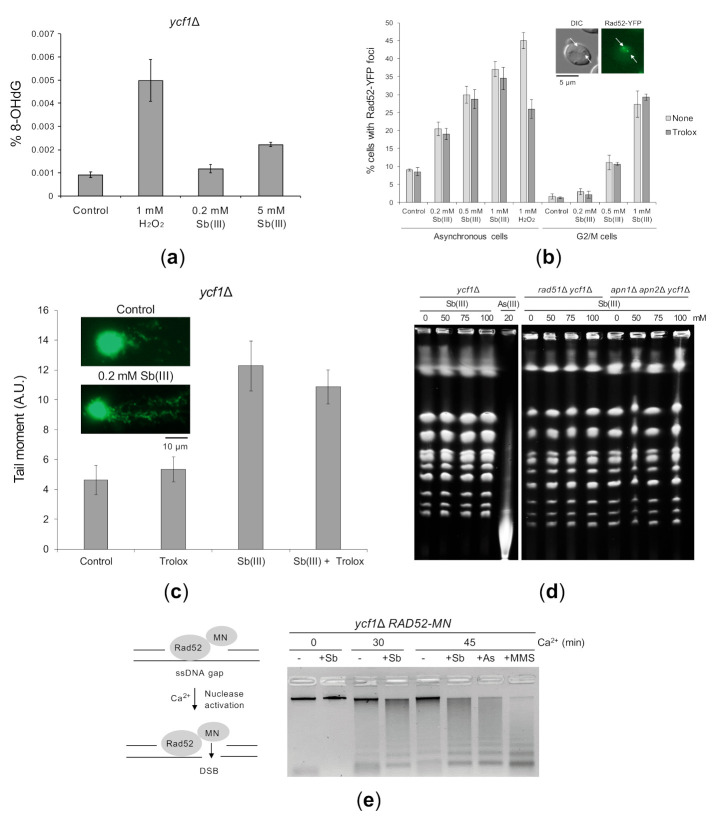
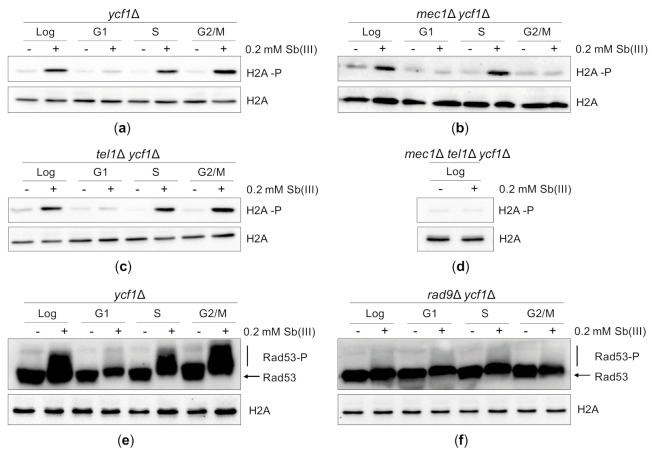
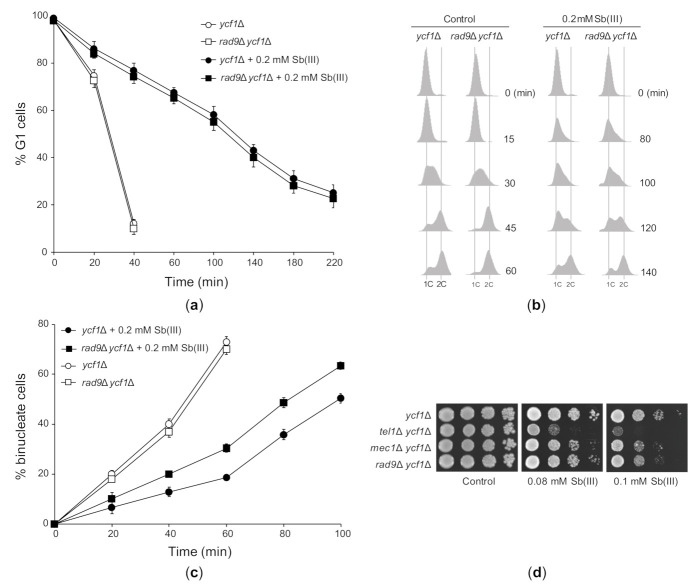
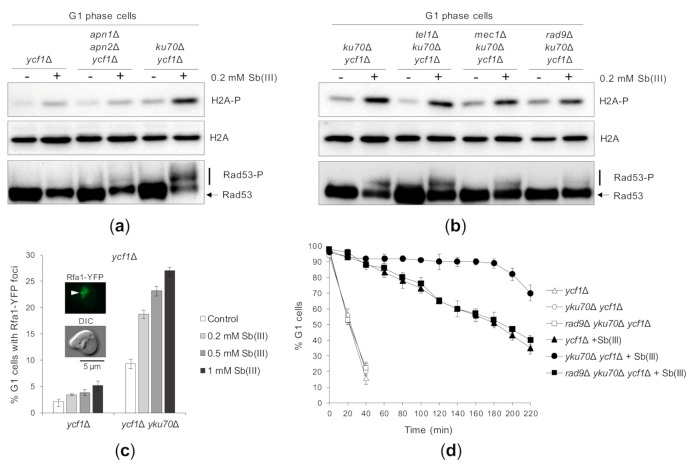
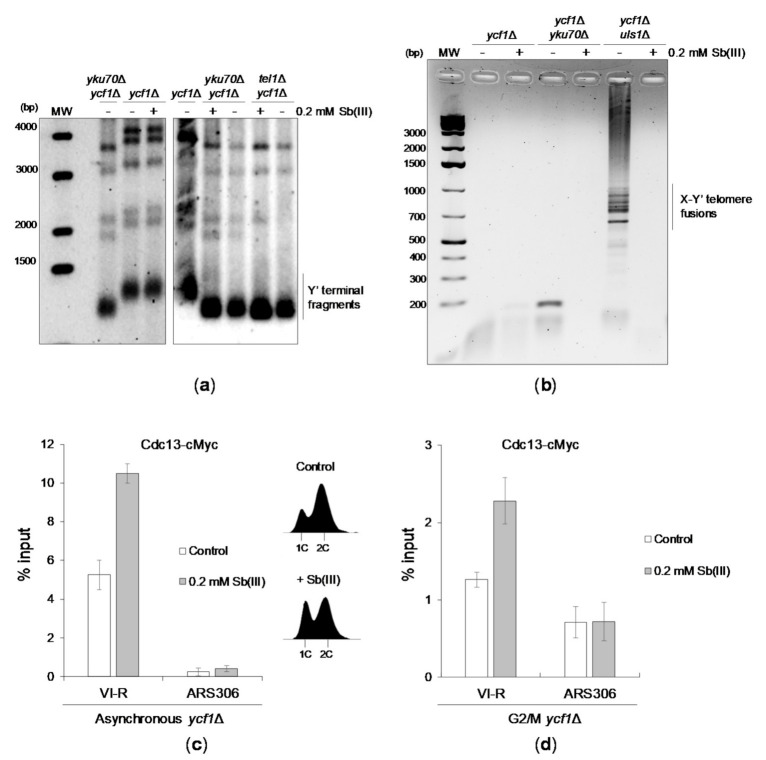
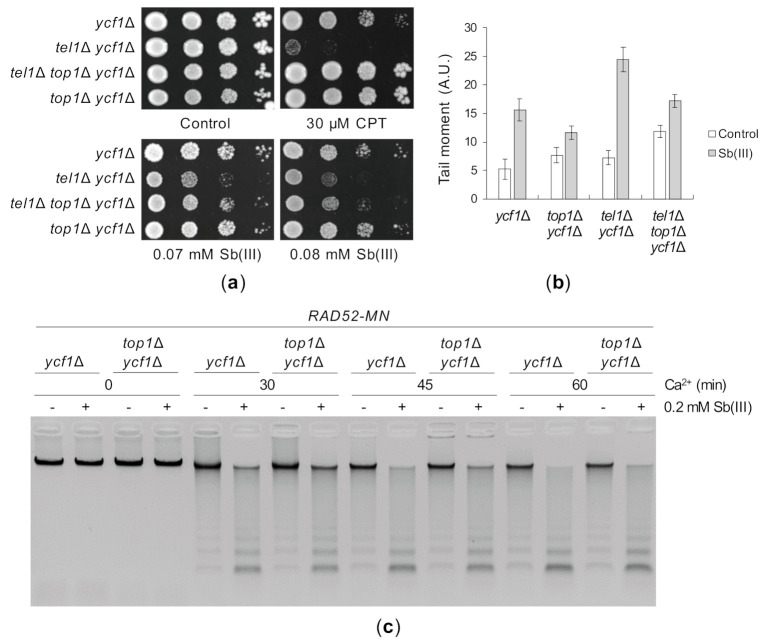
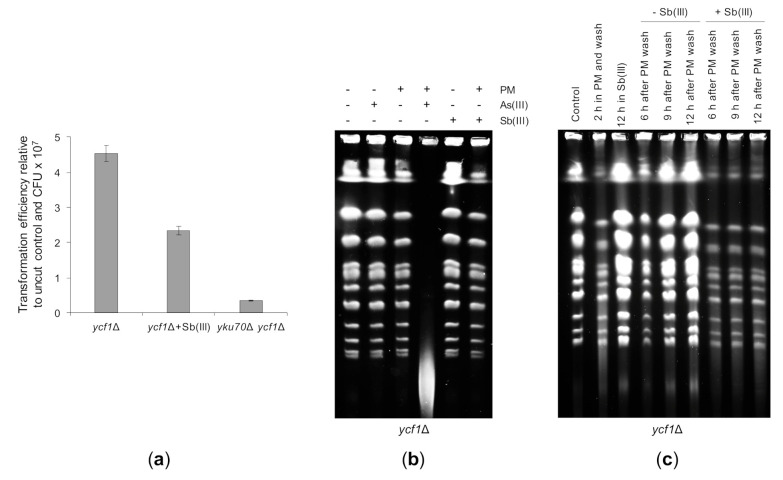
Antimony is a toxic metalloid with poorly understood mechanisms of toxicity and uncertain carcinogenic properties. By using a combination of genetic, biochemical and DNA damage assays, we investigated the genotoxic potential of trivalent antimony in the model organism . We found that low doses of Sb(III) generate various forms of DNA damage including replication and topoisomerase I-dependent DNA lesions as well as oxidative stress and replication-independent DNA breaks accompanied by activation of DNA damage checkpoints and formation of recombination repair centers. At higher concentrations of Sb(III), moderately increased oxidative DNA damage is also observed. Consistently, base excision, DNA damage tolerance and homologous recombination repair pathways contribute to Sb(III) tolerance. In addition, we provided evidence suggesting that Sb(III) causes telomere dysfunction. Finally, we showed that Sb(III) negatively effects repair of double-strand DNA breaks and distorts actin and microtubule cytoskeleton. In sum, our results indicate that Sb(III) exhibits a significant genotoxic activity in budding yeast.
锑是一种有毒的类金属,其毒性机制尚未被充分了解,致癌性质也不确定。本研究采用遗传、生化和 DNA 损伤检测方法,结合使用模式生物研究了三价锑的遗传毒性。结果表明,低浓度 Sb(III) 可导致多种形式的 DNA 损伤,包括复制和拓扑异构酶 I 依赖性 DNA 损伤,以及氧化应激和与复制无关的 DNA 断裂,同时激活 DNA 损伤检查点并形成重组修复中心。在较高浓度的 Sb(III)下,也观察到中度增加的氧化 DNA 损伤。一致地,碱基切除、DNA 损伤容忍和同源重组修复途径有助于 Sb(III)的耐受。此外,我们提供的证据表明 Sb(III)会导致端粒功能障碍。最后,我们表明 Sb(III)会对双链 DNA 断裂的修复产生负面影响,并使肌动蛋白和微管细胞骨架发生扭曲。总之,我们的研究结果表明,Sb(III)在酿酒酵母中具有显著的遗传毒性活性。