Clinical Research Development Unit, Ayatollah Kashani Hospital, Shahrekord University of Medical Sciences, Shahrekord, Iran.
Department of Community Nutrition, School of Nutrition and Food Science, Isfahan University of Medical Sciences, Isfahan, Iran.
BMC Nephrol. 2021 May 1;22(1):160. doi: 10.1186/s12882-021-02351-9.
Omega-3 fatty acids (FAs) have been suggested as a beneficial supplement in chronic kidney disease (CKD) patients, but the results of randomized clinical trials (RCTs) are controversial. We conducted a systematic review and meta-analysis to evaluate all the RCTs about the impact of omega-3 FAs supplementation on cardiometabolic outcomes and oxidative stress parameters in patients with CKD.
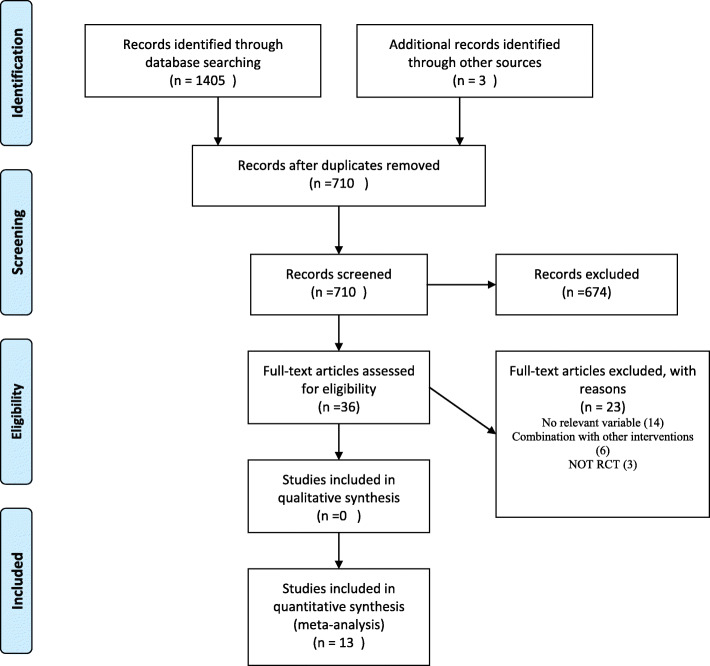
We performed a systematic database search in PubMed/MEDLINE, EMBASE, Scopus, Web of Science, and Cochrane Central, up to May 2020. We included all placebo-controlled randomized trials that assessed the effect of omega-3 FAs supplementation on any cardiometabolic outcomes: blood pressure, total cholesterol (TC), low-density lipoprotein (LDL) and high-density lipoprotein (HDL) or triglycerides (TG) and oxidative stress parameters. Data were pooled using DerSimonian-Laird's random-effects model.
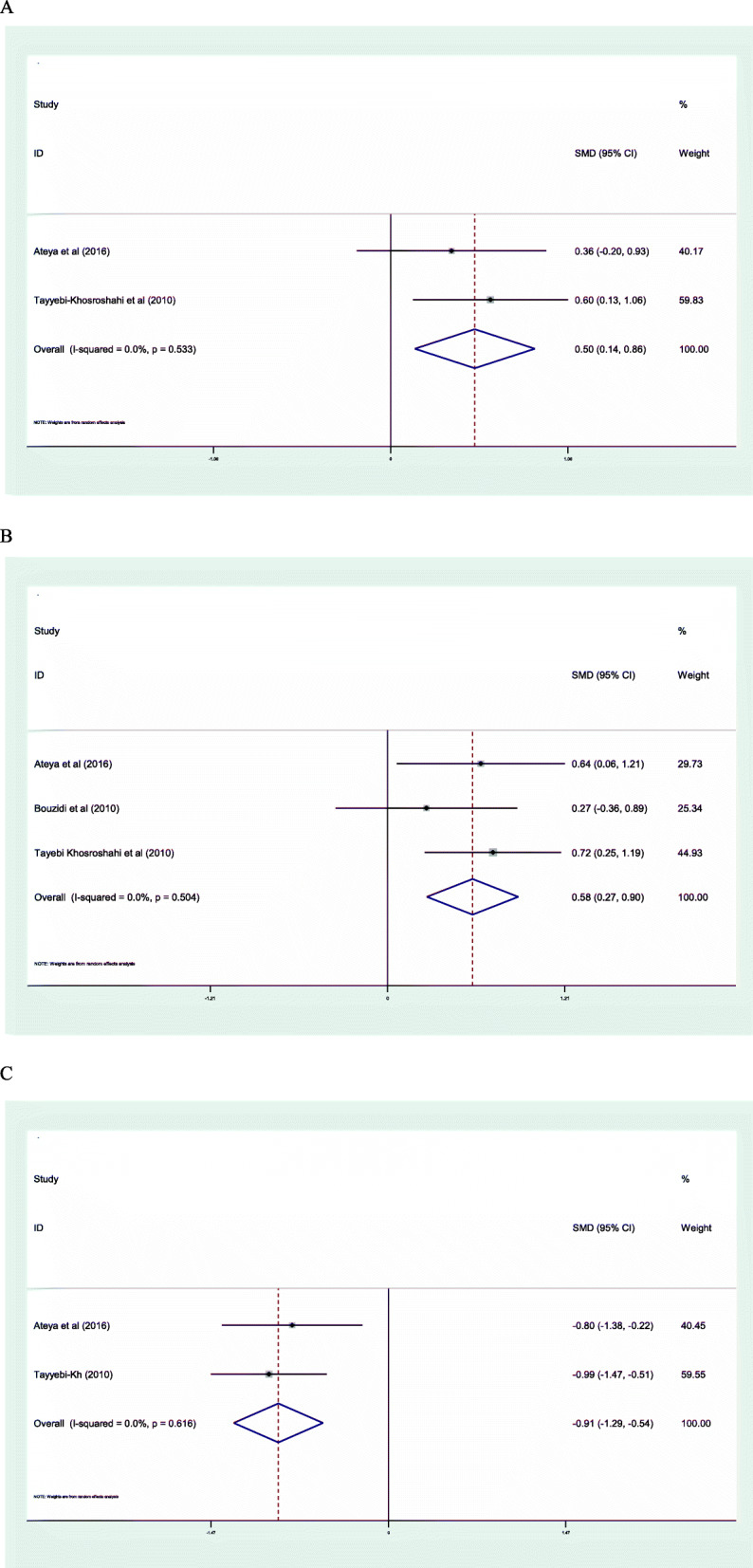
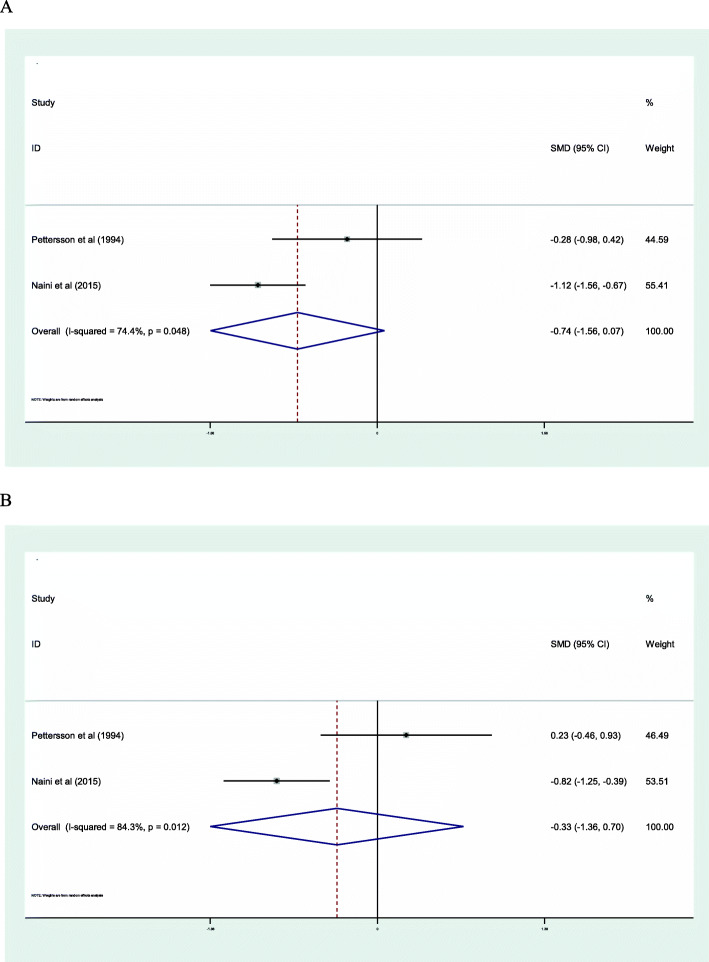
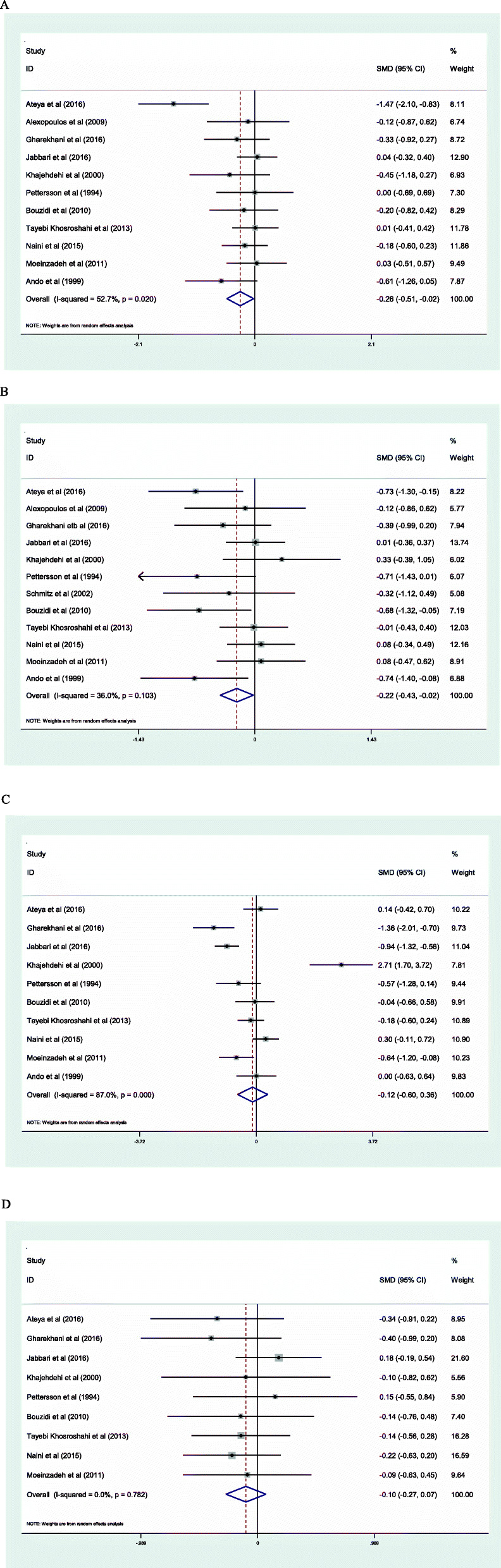
Finally, thirteen articles met the inclusion criteria for this review omega-3 FAs supplementation significantly decrease TC (SMD: -0.26; 95% CI: - 0.51, - 0.02; I = 52.7%), TG (SMD: -0.22; 95% CI: - 0.43, - 0.02; I = 36.0%) and Malondialdehyde (MDA) levels (SMD: -0.91; 95% CI: - 1.29, - 0.54; I = 00.0%) and also significantly increase superoxide dismutase (SOD) (SMD: 0.58; 95% CI: 0.27, 0.90; I = 00.0%) and Glutathione peroxidase (GPx) (SMD: 0.50; 95% CI: 0.14, 0.86; I = 00.0%) activities. However our results show that omega-3 FAs supplementation have no significant effects on HDL, LDL and blood pressure. Conclusion This systematic review and meta-analysis supports current evidence for the clinical benefit of omega-3 FAs intake to improve cardiometabolic parameters in CKD patients. However, well-designed RCTs still needed to provide a conclusive picture in this field.
ω-3 脂肪酸 (FAs) 已被认为是慢性肾脏病 (CKD) 患者有益的补充剂,但随机临床试验 (RCT) 的结果存在争议。我们进行了系统评价和荟萃分析,以评估所有关于 ω-3 FAs 补充剂对 CKD 患者心脏代谢结局和氧化应激参数影响的 RCT。
我们在 PubMed/MEDLINE、EMBASE、Scopus、Web of Science 和 Cochrane Central 进行了系统的数据库搜索,截至 2020 年 5 月。我们纳入了所有评估 ω-3 FAs 补充剂对任何心脏代谢结局(血压、总胆固醇 (TC)、低密度脂蛋白 (LDL)和高密度脂蛋白 (HDL)或甘油三酯 (TG))和氧化应激参数影响的安慰剂对照随机试验。使用 DerSimonian-Laird 的随机效应模型汇总数据。
最终,有 13 篇文章符合本综述的纳入标准,ω-3 FAs 补充剂显著降低 TC(SMD:-0.26;95%CI:-0.51,-0.02;I=52.7%)、TG(SMD:-0.22;95%CI:-0.43,-0.02;I=36.0%)和丙二醛 (MDA) 水平(SMD:-0.91;95%CI:-1.29,-0.54;I=00.0%),并显著增加超氧化物歧化酶 (SOD)(SMD:0.58;95%CI:0.27,0.90;I=00.0%)和谷胱甘肽过氧化物酶 (GPx)(SMD:0.50;95%CI:0.14,0.86;I=00.0%)活性。然而,我们的结果表明,ω-3 FAs 补充剂对 HDL、LDL 和血压没有显著影响。结论:本系统评价和荟萃分析支持当前的证据表明,ω-3 FAs 的摄入对改善 CKD 患者的心脏代谢参数有临床益处。然而,仍需要精心设计的 RCT 来提供该领域的明确结论。