Hui Tiankun, Jing Hongyang, Lai Xinsheng
School of Life Science, Nanchang University, Nanchang, Jiangxi, China.
Laboratory of Synaptic Development and Plasticity, Institute of Life Science, Nanchang University, Nanchang, Jiangxi, China.
Cell Biosci. 2021 May 1;11(1):81. doi: 10.1186/s13578-021-00590-9.
Neuromuscular junctions (NMJs) are chemical synapses formed between motor neurons and skeletal muscle fibers and are essential for controlling muscle contraction. NMJ dysfunction causes motor disorders, muscle wasting, and even breathing difficulties. Increasing evidence suggests that many NMJ disorders are closely related to alterations in specific gene products that are highly concentrated in the synaptic region of the muscle. However, many of these proteins are still undiscovered. Thus, screening for NMJ-specific proteins is essential for studying NMJ and the pathogenesis of NMJ diseases.
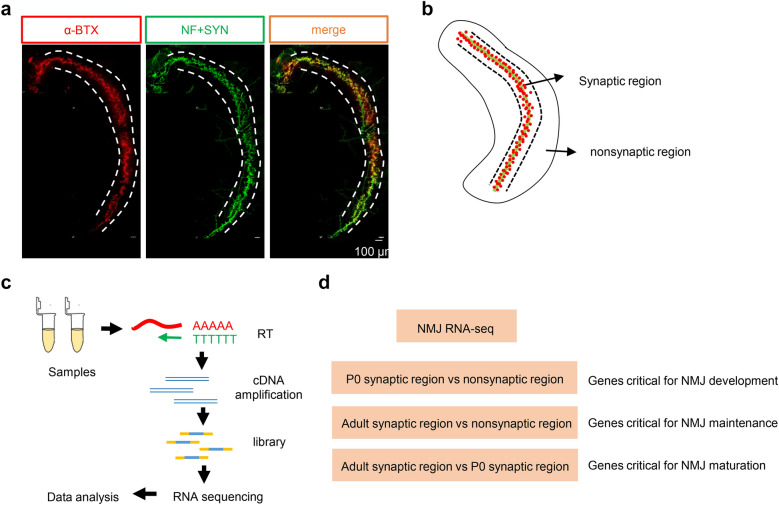
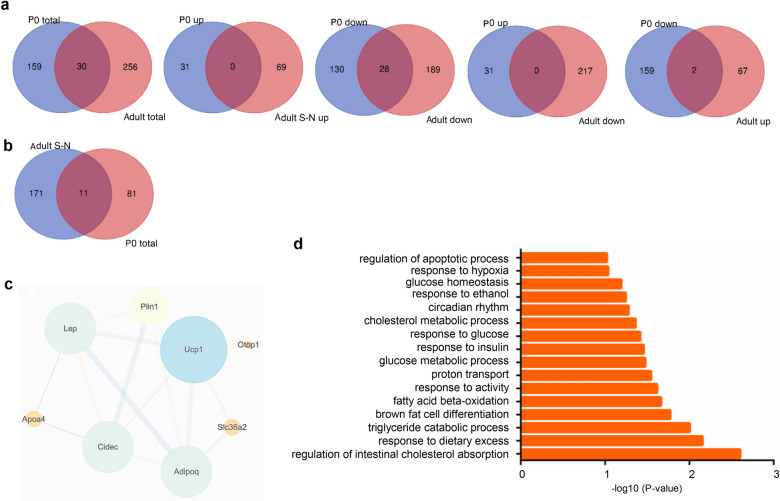
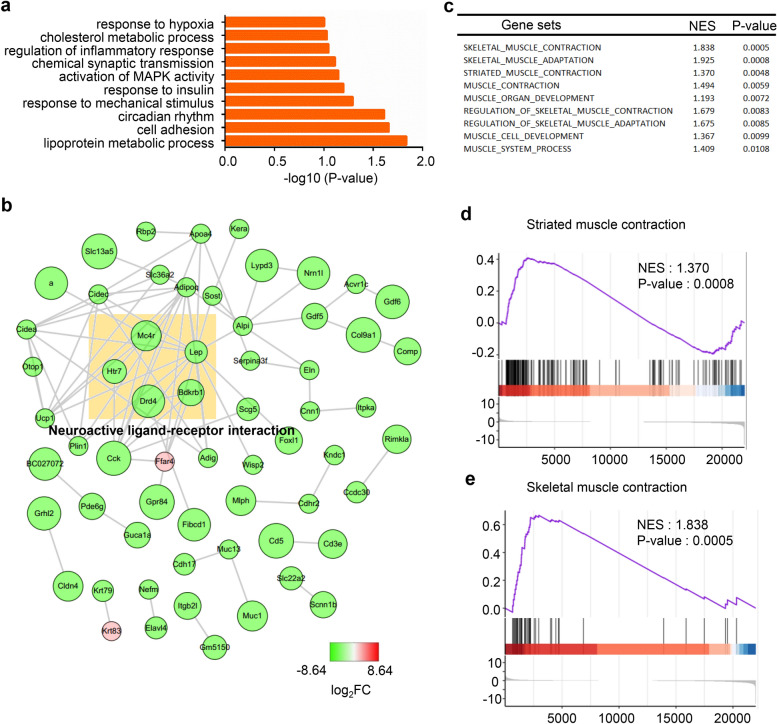
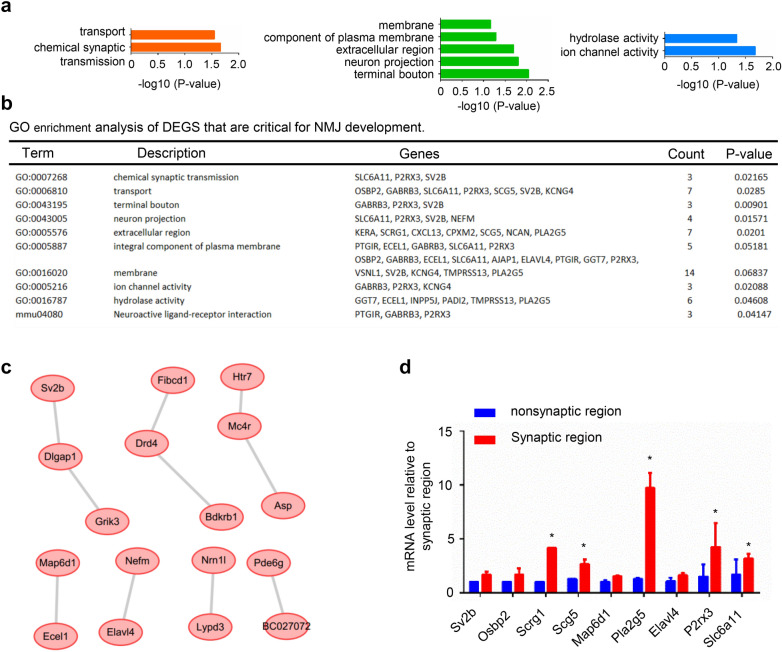
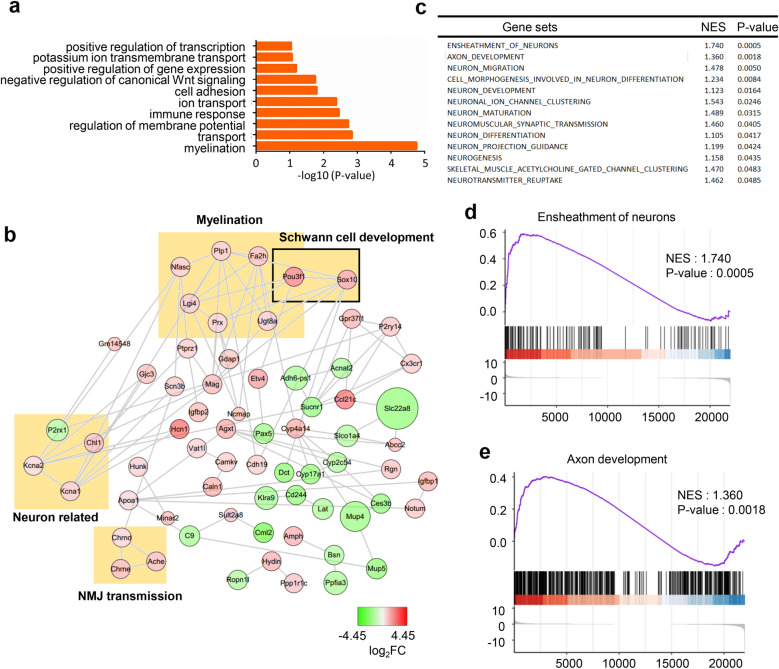
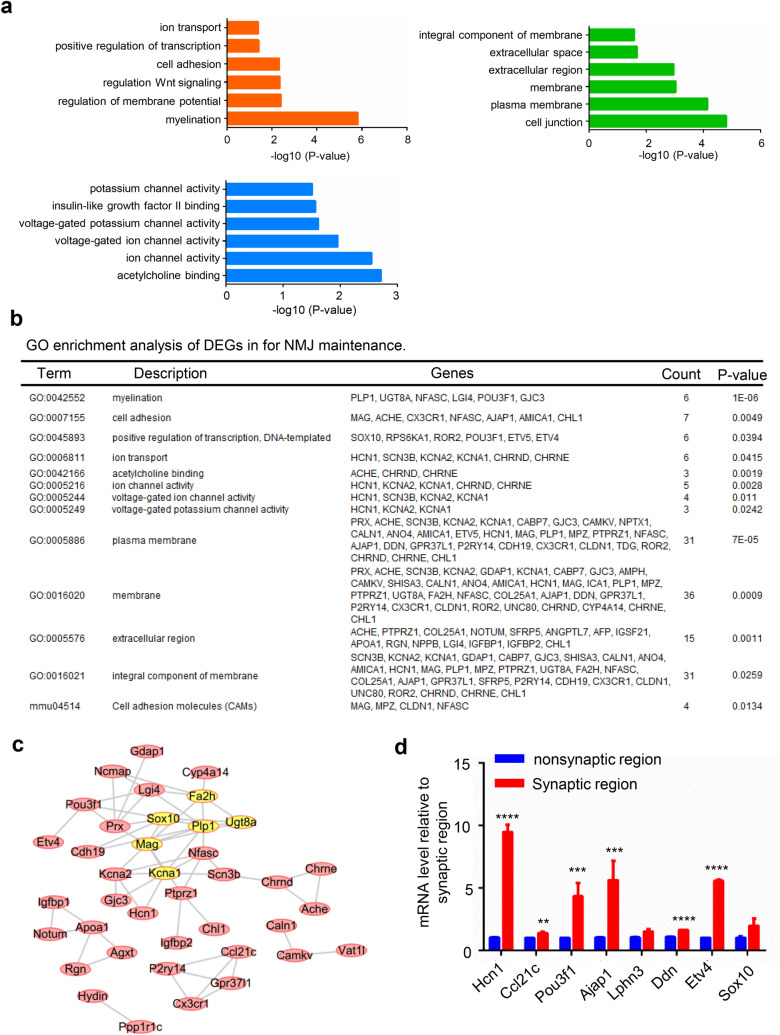
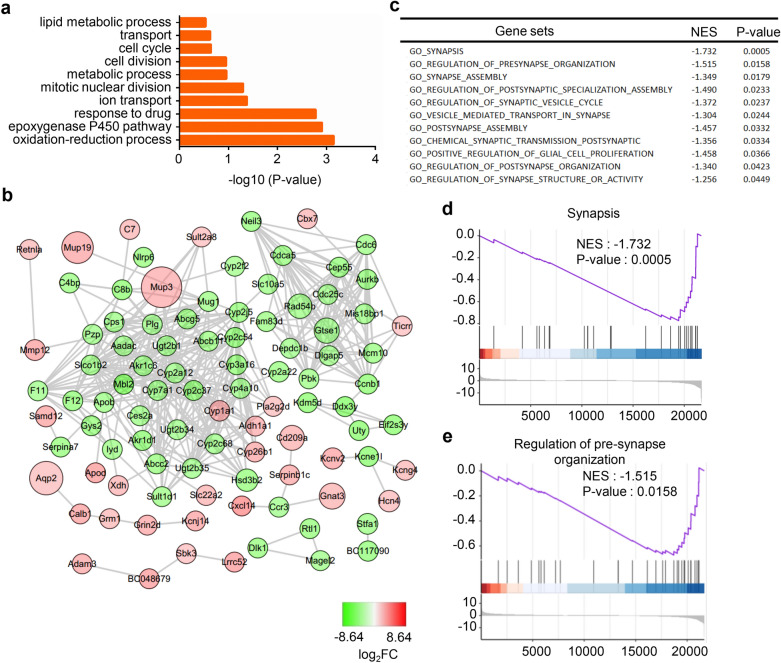
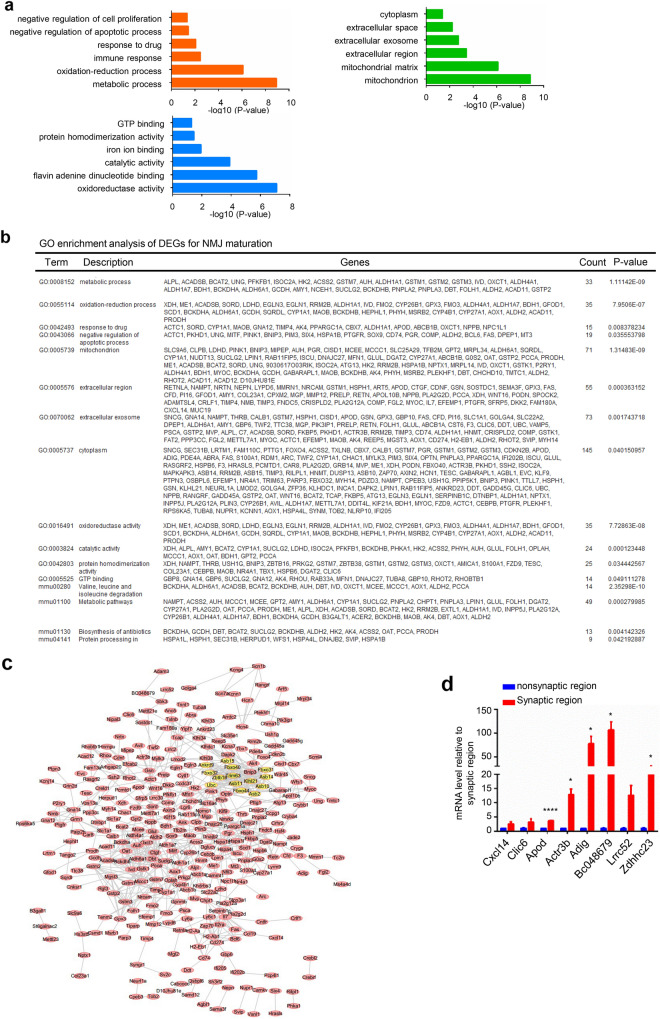
In this study, synaptic regions (SRs) and nonsynaptic regions (NSRs) of diaphragm samples from newborn (P0) and adult (3-month-old) mice were used for RNA-seq. A total of 92 and 182 genes were identified as differentially expressed between the SR and NSR in newborn and adult mice, respectively. Meanwhile, a total of 1563 genes were identified as differentially expressed between the newborn SR and adult SR. Gene Ontology (GO) enrichment analyses, Kyoto Encyclopedia of Genes and Genomes (KEGG) analysis and gene set enrichment analysis (GSEA) of the DEGs were performed. Protein-protein interaction (PPI) networks were constructed using STRING and Cytoscape. Further analysis identified some novel proteins and pathways that may be important for NMJ development, maintenance and maturation. Specifically, Sv2b, Ptgir, Gabrb3, P2rx3, Dlgap1 and Rims1 may play roles in NMJ development. Hcn1 may localize to the muscle membrane to regulate NMJ maintenance. Trim63, Fbxo32 and several Asb family proteins may regulate muscle developmental-related processes.
Here, we present a complete dataset describing the spatiotemporal transcriptome changes in synaptic genes and important synaptic pathways. The neuronal projection-related pathway, ion channel activity and neuroactive ligand-receptor interaction pathway are important for NMJ development. The myelination and voltage-gated ion channel activity pathway may be important for NMJ maintenance. These data will facilitate the understanding of the molecular mechanisms underlying the development and maintenance of NMJ and the pathogenesis of NMJ disorders.
神经肌肉接头(NMJ)是运动神经元与骨骼肌纤维之间形成的化学突触,对控制肌肉收缩至关重要。NMJ功能障碍会导致运动障碍、肌肉萎缩,甚至呼吸困难。越来越多的证据表明,许多NMJ疾病与特定基因产物的改变密切相关,这些基因产物高度集中在肌肉的突触区域。然而,其中许多蛋白质仍未被发现。因此,筛选NMJ特异性蛋白质对于研究NMJ及其疾病的发病机制至关重要。
在本研究中,使用新生(P0)和成年(3个月大)小鼠膈肌样本的突触区域(SR)和非突触区域(NSR)进行RNA测序。分别在新生小鼠和成年小鼠的SR与NSR之间鉴定出92个和182个差异表达基因。同时,在新生SR和成年SR之间共鉴定出1563个差异表达基因。对差异表达基因进行了基因本体(GO)富集分析、京都基因与基因组百科全书(KEGG)分析和基因集富集分析(GSEA)。使用STRING和Cytoscape构建蛋白质-蛋白质相互作用(PPI)网络。进一步分析确定了一些可能对NMJ发育、维持和成熟重要的新蛋白质和途径。具体而言,Sv2b、Ptgir、Gabrb3、P2rx3、Dlgap1和Rims1可能在NMJ发育中发挥作用。Hcn1可能定位于肌膜以调节NMJ维持。Trim63、Fbxo32和几个Asb家族蛋白可能调节肌肉发育相关过程。
在此,我们展示了一个完整的数据集,描述了突触基因和重要突触途径的时空转录组变化。神经元投射相关途径、离子通道活性和神经活性配体-受体相互作用途径对NMJ发育很重要。髓鞘形成和电压门控离子通道活性途径可能对NMJ维持很重要。这些数据将有助于理解NMJ发育和维持的分子机制以及NMJ疾病的发病机制。