Center for Brain/Mind Medicine, Department of Neurology, Brigham and Women's Hospital, Harvard Medical School, Hale Building for Transformative Medicine, Boston, MA, USA.
J Alzheimers Dis. 2021;81(3):871-920. doi: 10.3233/JAD-201462.
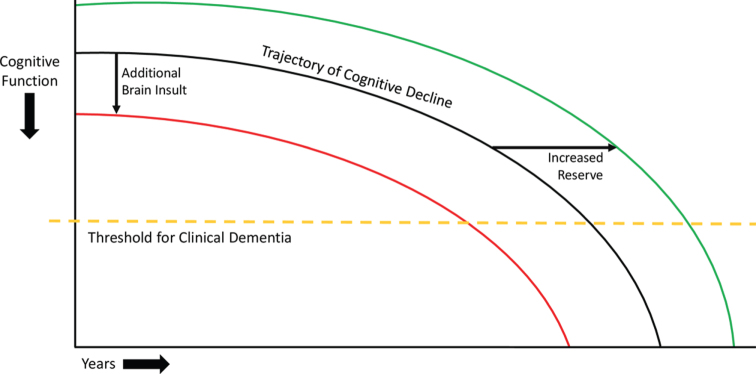
A decade has passed since we published a comprehensive review in this journal addressing the topic of promoting successful cognitive aging, making this a good time to take stock of the field. Because there have been limited large-scale, randomized controlled trials, especially following individuals from middle age to late life, some experts have questioned whether recommendations can be legitimately offered about reducing the risk of cognitive decline and dementia. Despite uncertainties, clinicians often need to at least make provisional recommendations to patients based on the highest quality data available. Converging lines of evidence from epidemiological/cohort studies, animal/basic science studies, human proof-of-concept studies, and human intervention studies can provide guidance, highlighting strategies for enhancing cognitive reserve and preventing loss of cognitive capacity. Many of the suggestions made in 2010 have been supported by additional research. Importantly, there is a growing consensus among major health organizations about recommendations to mitigate cognitive decline and promote healthy cognitive aging. Regular physical activity and treatment of cardiovascular risk factors have been supported by all of these organizations. Most organizations have also embraced cognitively stimulating activities, a heart-healthy diet, smoking cessation, and countering metabolic syndrome. Other behaviors like regular social engagement, limiting alcohol use, stress management, getting adequate sleep, avoiding anticholinergic medications, addressing sensory deficits, and protecting the brain against physical and toxic damage also have been endorsed, although less consistently. In this update, we review the evidence for each of these recommendations and offer practical advice about behavior-change techniques to help patients adopt brain-healthy behaviors.
自我们在本期刊物上发表了一篇全面的综述,探讨促进成功认知老化的主题以来,已经过去了十年,现在是评估该领域的好时机。由于缺乏大规模、随机对照试验,尤其是对从中年到老年的个体进行的试验,一些专家质疑是否可以合理地提出降低认知能力下降和痴呆风险的建议。尽管存在不确定性,但临床医生通常需要根据现有最高质量的数据,至少向患者提供临时建议。来自流行病学/队列研究、动物/基础科学研究、人体概念验证研究和人体干预研究的一系列证据可以提供指导,强调增强认知储备和防止认知能力丧失的策略。2010 年提出的许多建议得到了更多研究的支持。重要的是,各大健康组织之间在减轻认知衰退和促进健康认知老化的建议上越来越达成共识。这些组织都支持定期的身体活动和心血管危险因素的治疗。大多数组织还支持认知刺激活动、心脏健康的饮食、戒烟和对抗代谢综合征。其他行为,如经常社交、限制饮酒、压力管理、获得充足的睡眠、避免使用抗胆碱能药物、解决感觉缺陷以及保护大脑免受身体和有毒物质的损害,也得到了认可,尽管一致性较低。在本次更新中,我们回顾了这些建议的证据,并提供了关于行为改变技术的实用建议,以帮助患者养成大脑健康的行为。