Jangjoo Maryam, Goodman Sarah J, Choufani Sanaa, Trost Brett, Scherer Stephen W, Kelley Elizabeth, Ayub Muhammad, Nicolson Rob, Georgiades Stelios, Crosbie Jennifer, Schachar Russell, Anagnostou Evdokia, Grunebaum Eyal, Weksberg Rosanna
Genetics and Genome Biology, The Hospital for Sick Children, Toronto, ON, Canada.
The Centre for Applied Genomics, The Hospital for Sick Children, Toronto, ON, Canada.
Front Neurol. 2021 Apr 16;12:612817. doi: 10.3389/fneur.2021.612817. eCollection 2021.
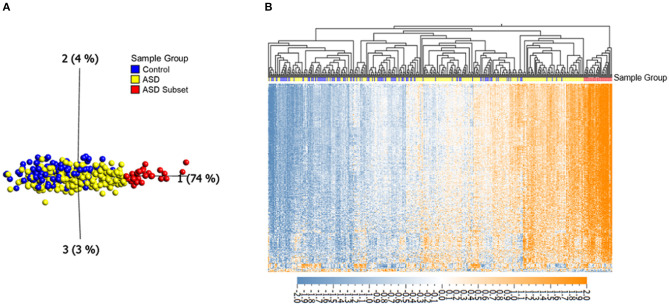
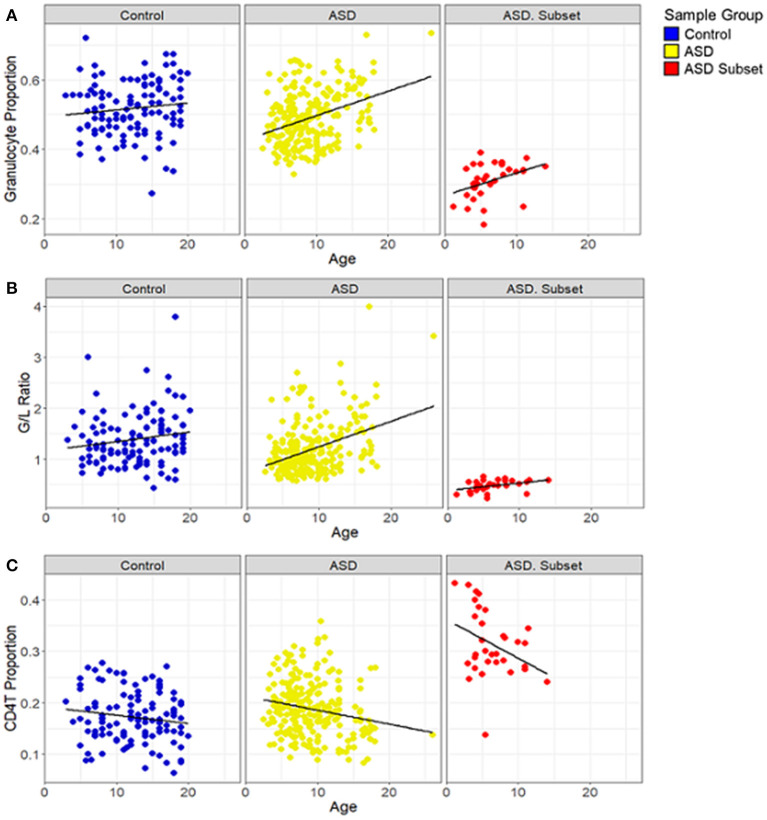
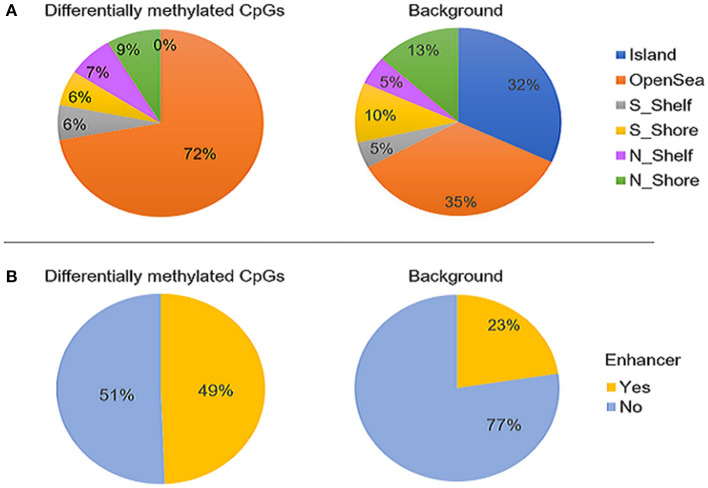
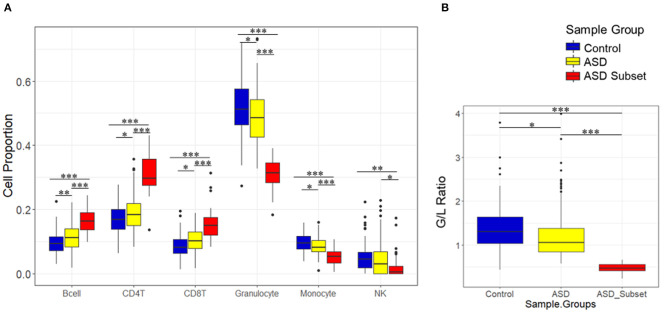
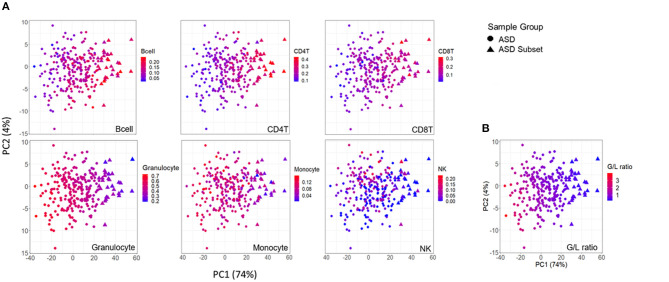
Autism spectrum disorder (ASD) is a complex neurodevelopmental disorder that often involves impaired cognition, communication difficulties and restrictive, repetitive behaviors. ASD is extremely heterogeneous both clinically and etiologically, which represents one of the greatest challenges in studying the molecular underpinnings of ASD. While hundreds of ASD-associated genes have been identified that confer varying degrees of risk, no single gene variant accounts for >1% of ASD cases. Notably, a large number of ASD-risk genes function as epigenetic regulators, indicating potential epigenetic dysregulation in ASD. As such, we compared genome-wide DNA methylation (DNAm) in the blood of children with ASD ( = 265) to samples from age- and sex-matched, neurotypical controls ( = 122) using the Illumina Infinium HumanMethylation450 arrays. While DNAm patterns did not distinctly separate ASD cases from controls, our analysis identified an epigenetically unique subset of ASD cases ( = 32); these individuals exhibited significant differential methylation from both controls than the remaining ASD cases. The CpG sites at which this subset was differentially methylated mapped to known ASD risk genes that encode proteins of the nervous and immune systems. Moreover, the observed DNAm differences were attributable to altered blood cell composition, i.e., lower granulocyte proportion and granulocyte-to-lymphocyte ratio in the ASD subset, as compared to the remaining ASD cases and controls. This ASD subset did not differ from the rest of the ASD cases in the frequency or type of high-risk genomic variants. Within our ASD cohort, we identified a subset of individuals that exhibit differential methylation from both controls and the remaining ASD group tightly associated with shifts in immune cell type proportions. This is an important feature that should be assessed in all epigenetic studies of blood cells in ASD. This finding also builds on past reports of changes in the immune systems of children with ASD, supporting the potential role of altered immunological mechanisms in the complex pathophysiology of ASD. The discovery of significant molecular and immunological features in subgroups of individuals with ASD may allow clinicians to better stratify patients, facilitating personalized interventions and improved outcomes.
自闭症谱系障碍(ASD)是一种复杂的神经发育障碍,常涉及认知受损、沟通困难以及局限的、重复的行为。ASD在临床和病因学上都极为异质,这是研究ASD分子基础面临的最大挑战之一。虽然已鉴定出数百个与ASD相关的基因,它们赋予不同程度的风险,但没有单个基因变异能解释超过1%的ASD病例。值得注意的是,大量ASD风险基因作为表观遗传调节因子发挥作用,表明ASD中存在潜在的表观遗传失调。因此,我们使用Illumina Infinium HumanMethylation450芯片,将265名ASD儿童血液中的全基因组DNA甲基化(DNAm)与年龄和性别匹配的神经典型对照(122名)的样本进行比较。虽然DNAm模式并未将ASD病例与对照明显区分开,但我们的分析确定了一个表观遗传上独特的ASD病例亚组(32名);这些个体与其余ASD病例相比,与对照均表现出显著的差异甲基化。该亚组差异甲基化的CpG位点映射到已知的ASD风险基因,这些基因编码神经和免疫系统的蛋白质。此外,观察到的DNAm差异归因于血细胞组成的改变,即与其余ASD病例和对照相比,ASD亚组中粒细胞比例和粒细胞与淋巴细胞比率较低。该ASD亚组在高风险基因组变异的频率或类型上与其余ASD病例没有差异。在我们的ASD队列中,我们鉴定出一个个体亚组,其与对照和其余ASD组均表现出差异甲基化,且与免疫细胞类型比例的变化紧密相关。这是一个重要特征,在所有关于ASD血细胞的表观遗传研究中都应予以评估。这一发现也基于过去关于ASD儿童免疫系统变化的报道,支持了免疫机制改变在ASD复杂病理生理学中的潜在作用。在ASD个体亚组中发现显著的分子和免疫特征,可能使临床医生能够更好地对患者进行分层,促进个性化干预并改善治疗结果。