Department of Pulmonary Medicine and Oncology, Graduate School of Medicine, Nippon Medical School, Tokyo, Japan.
Thorac Cancer. 2021 Jun;12(11):1690-1698. doi: 10.1111/1759-7714.13943. Epub 2021 May 3.
Osimertinib is a third-generation epidermal growth factor receptor-tyrosine kinase inhibitor (EGFR-TKI) approved for the treatment of patients with EGFR-mutant non-small cell lung cancer (NSCLC). However, the mechanisms of acquired drug resistance to osimertinib have not as yet been clarified. Exosomes and microRNAs (miRNAs) are involved in carcinogenesis and drug resistance in human cancers.
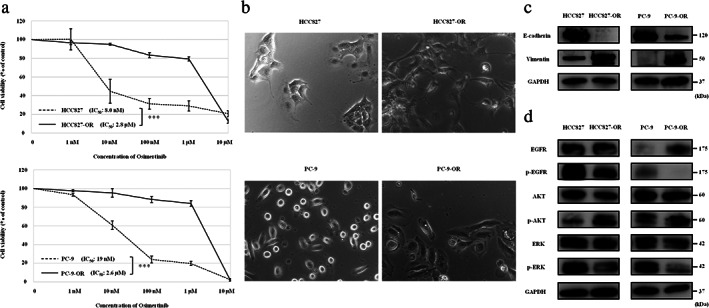
We used previously established osimertinib-resistant HCC827 (HCC827-OR) and PC-9 (PC-9-OR) cells. We evaluated the profiles of exosomal miRNA associated with resistance to osimertinib in EGFR-mutant NSCLC cells.
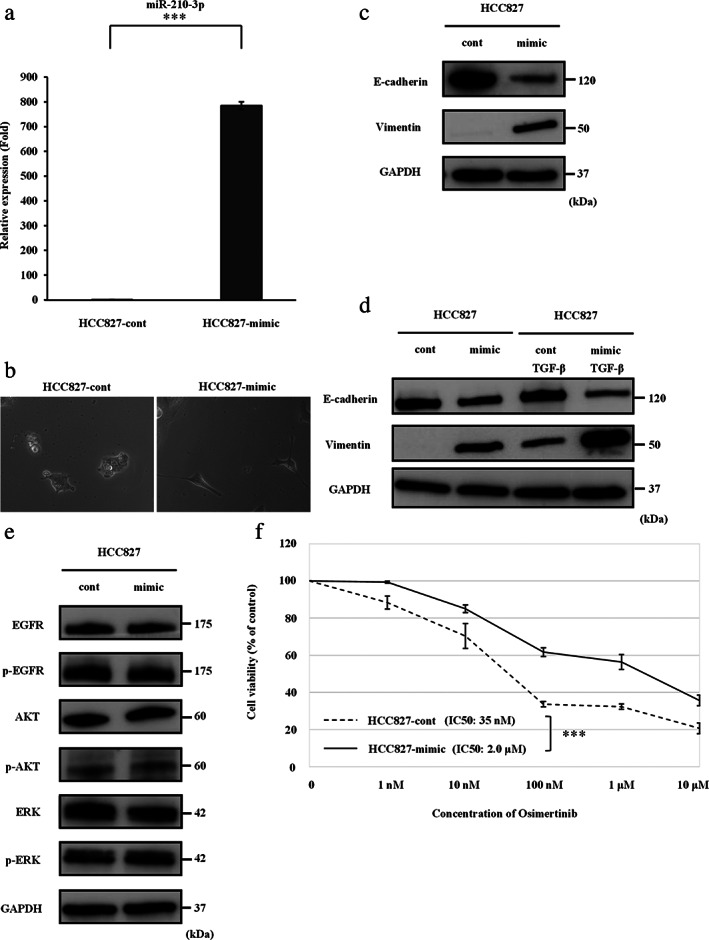
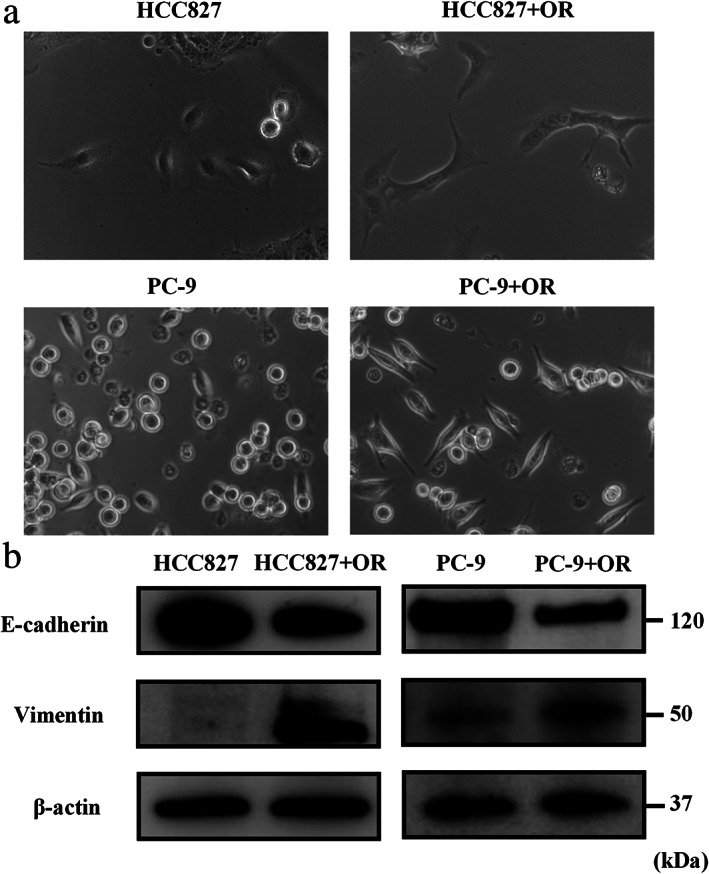
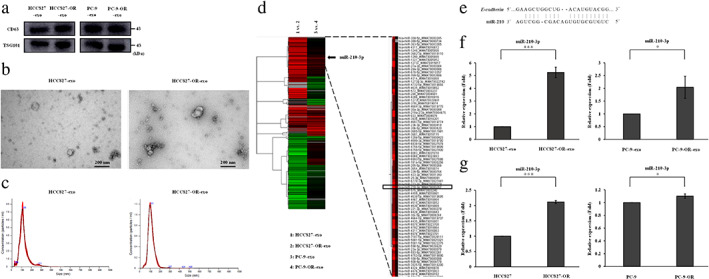
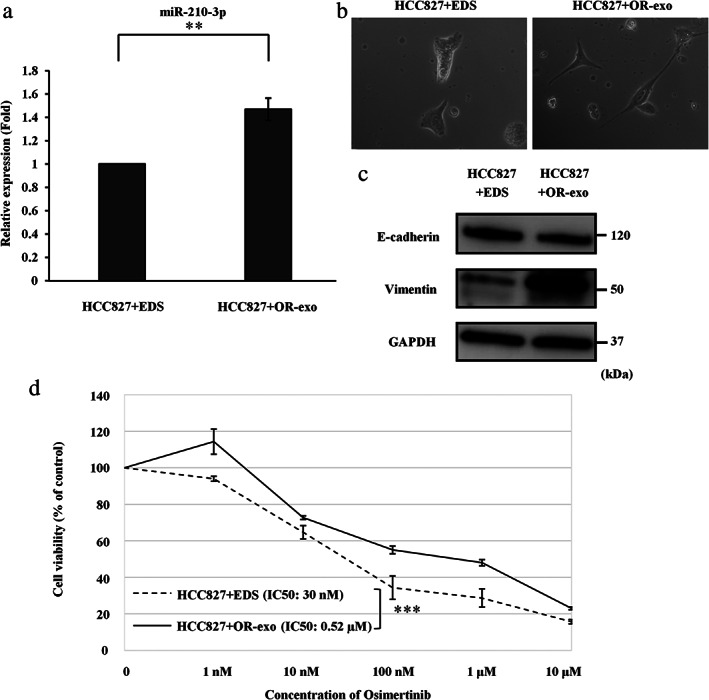
Epithelial-mesenchymal transition (EMT) phenomenon was observed in HCC827-OR and PC-9-OR cells. Microarray and quantitative reverse transcription-polymerase chain reaction analysis revealed that miR-210-3p was co-upregulated in exosomes isolated from HCC827-OR and PC-9-OR cells compared with those isolated from parental HCC827 and PC-9 cells. HCC827-OR cell-derived exosomes induced EMT changes and resistance to osimertinib in HCC827 cells. Subsequently, the induction of miR-210-3p directly promoted the EMT phenomenon and resistance to osimertinib in HCC827 cells.
Exosomal miR-210-3p may play a crucial role in resistance to osimertinib in the tumor microenvironment of EGFR-mutant NSCLC.
奥希替尼是一种第三代表皮生长因子受体酪氨酸激酶抑制剂(EGFR-TKI),获批用于治疗 EGFR 突变型非小细胞肺癌(NSCLC)患者。然而,奥希替尼获得性耐药的机制尚未阐明。外泌体和 microRNAs(miRNAs)参与人类癌症的发生和耐药性。
我们使用先前建立的奥希替尼耐药 HCC827(HCC827-OR)和 PC-9(PC-9-OR)细胞。我们评估了与 EGFR 突变型 NSCLC 细胞对奥希替尼耐药相关的外泌体 miRNA 谱。
在 HCC827-OR 和 PC-9-OR 细胞中观察到上皮-间充质转化(EMT)现象。微阵列和定量逆转录聚合酶链反应分析显示,与亲本 HCC827 和 PC-9 细胞分离的外泌体相比,HCC827-OR 和 PC-9-OR 细胞分离的外泌体中 miR-210-3p 共同上调。HCC827-OR 细胞衍生的外泌体诱导 HCC827 细胞发生 EMT 变化和对奥希替尼的耐药性。随后,miR-210-3p 的诱导直接促进了 HCC827 细胞的 EMT 现象和对奥希替尼的耐药性。
外泌体 miR-210-3p 可能在 EGFR 突变型 NSCLC 的肿瘤微环境中对奥希替尼耐药起关键作用。