Department of Bioengineering, Stanford University, Stanford, United States.
European Molecular Biology Laboratory, Developmental Biology Unit, Heidelberg, Germany.
Elife. 2021 May 4;10:e66747. doi: 10.7554/eLife.66747.
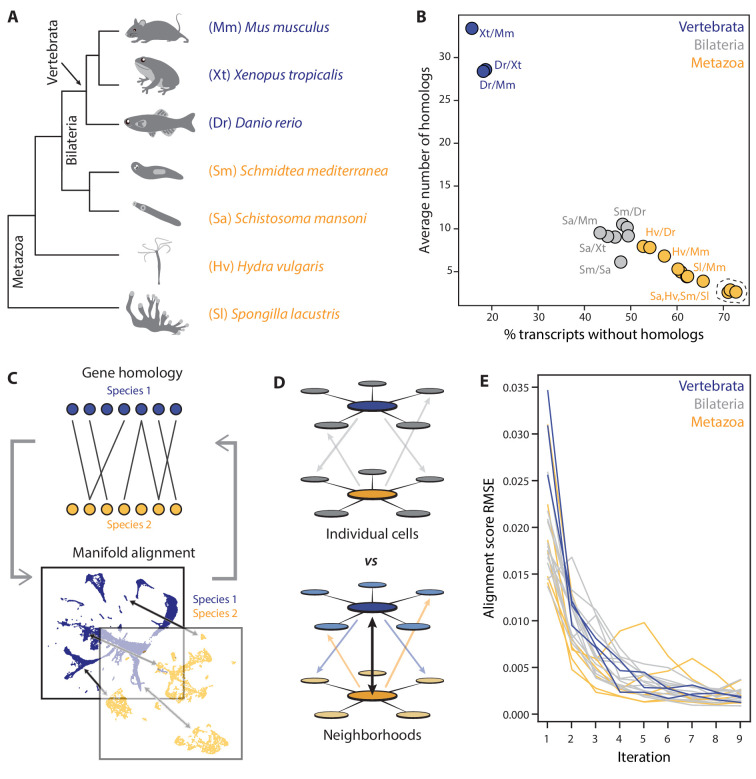
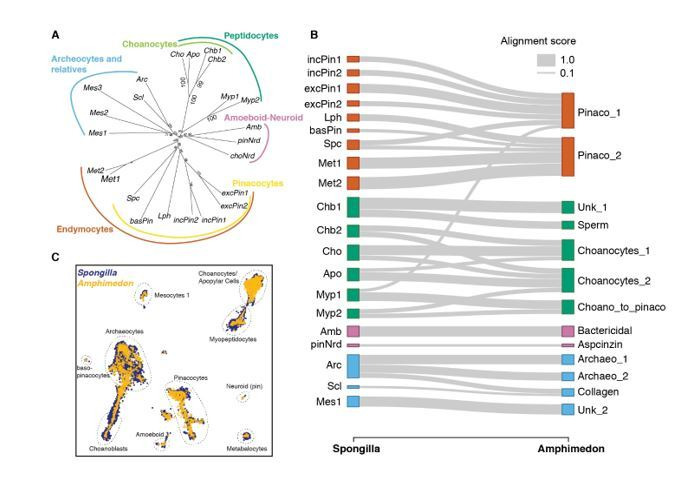
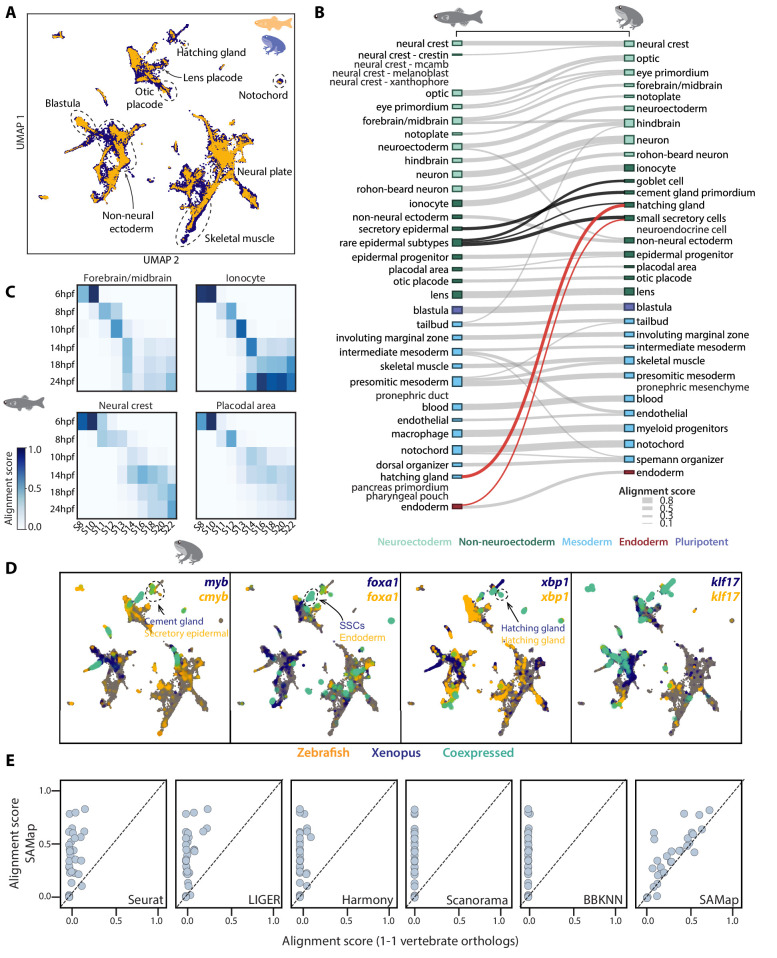
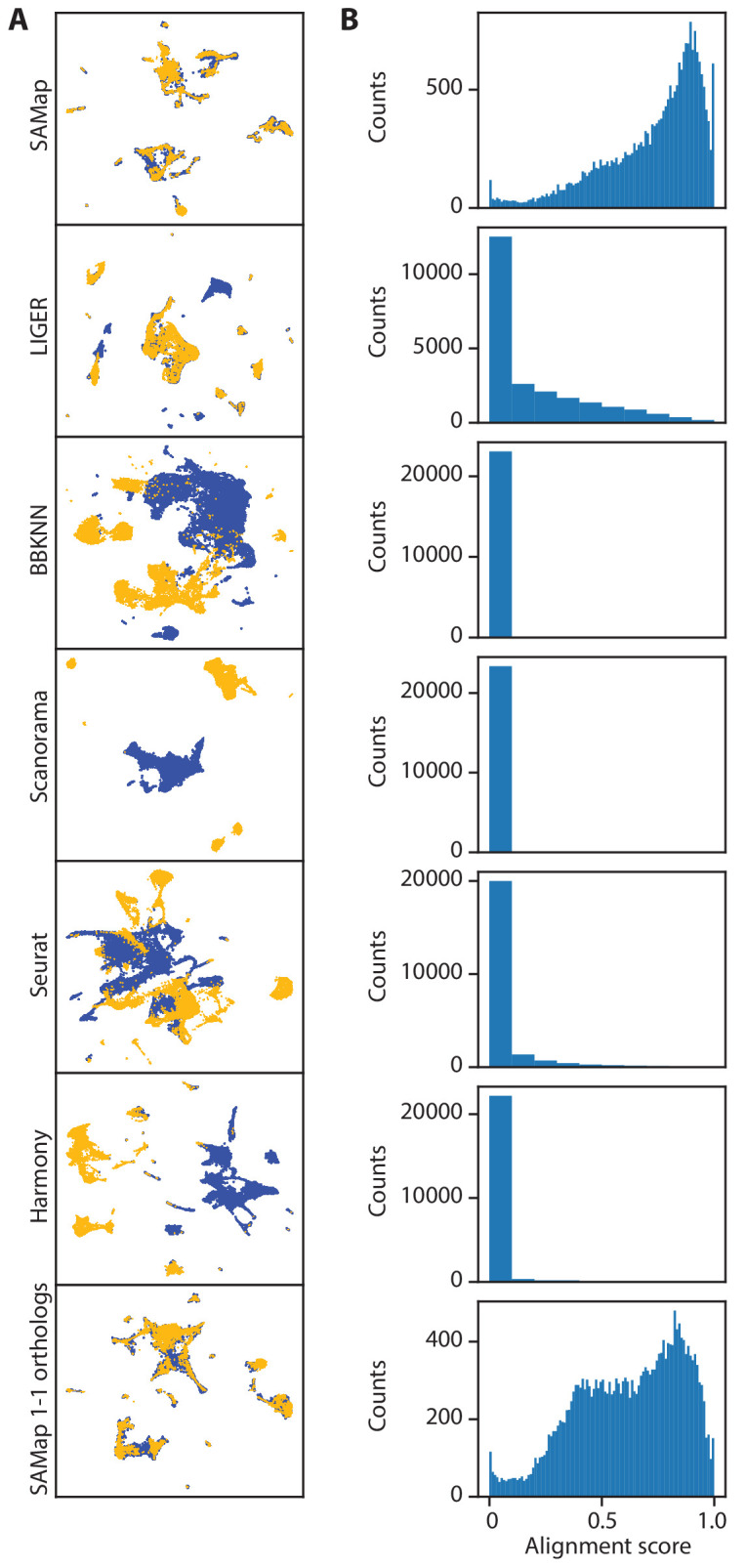
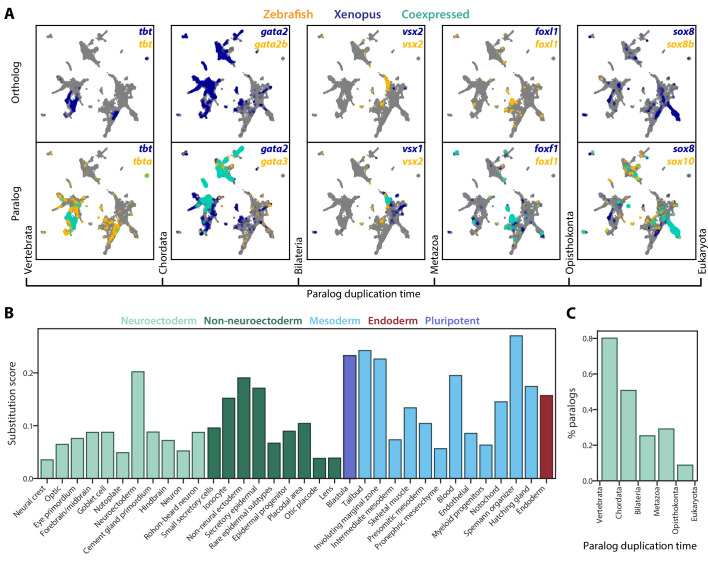
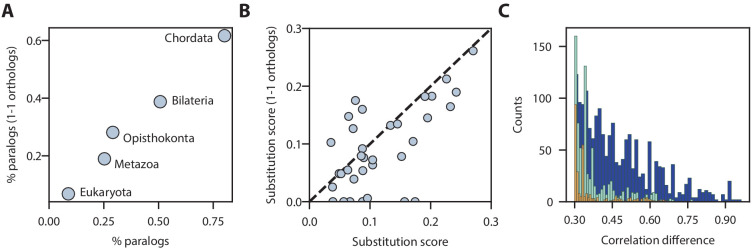
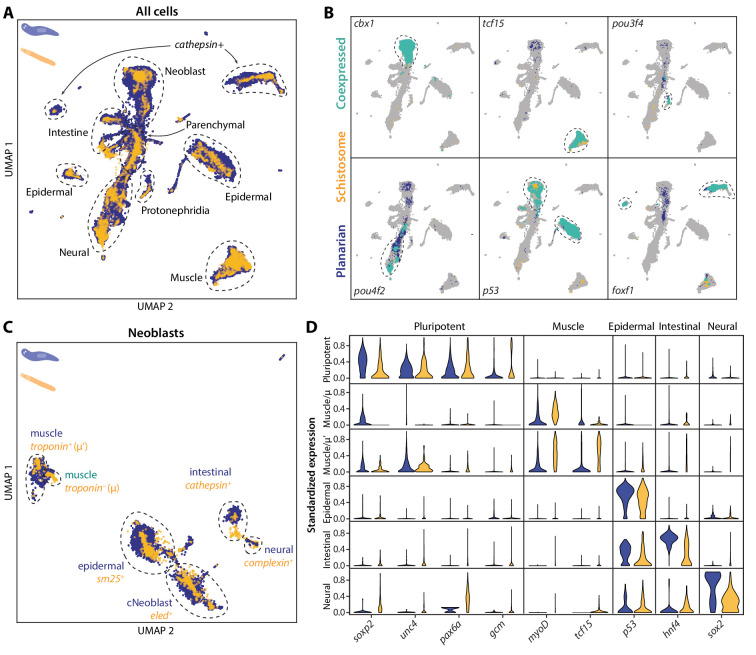
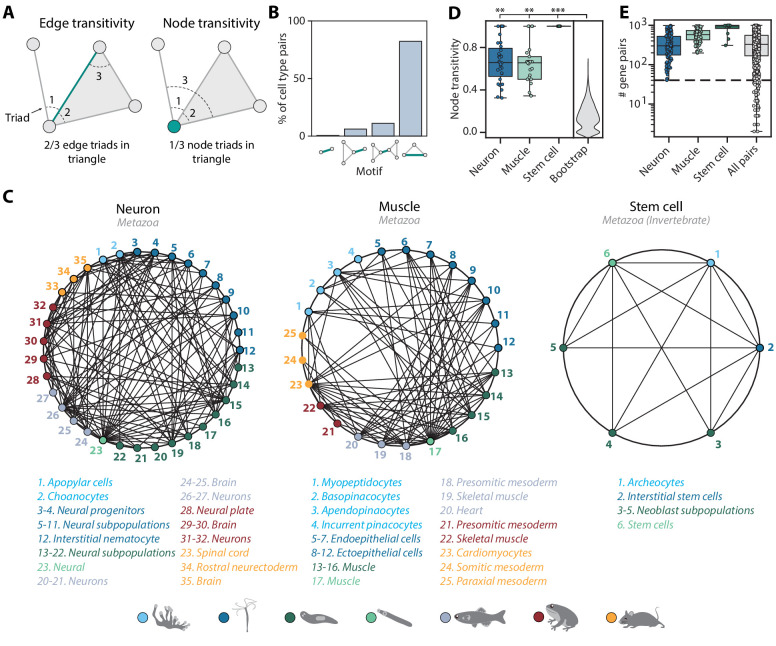
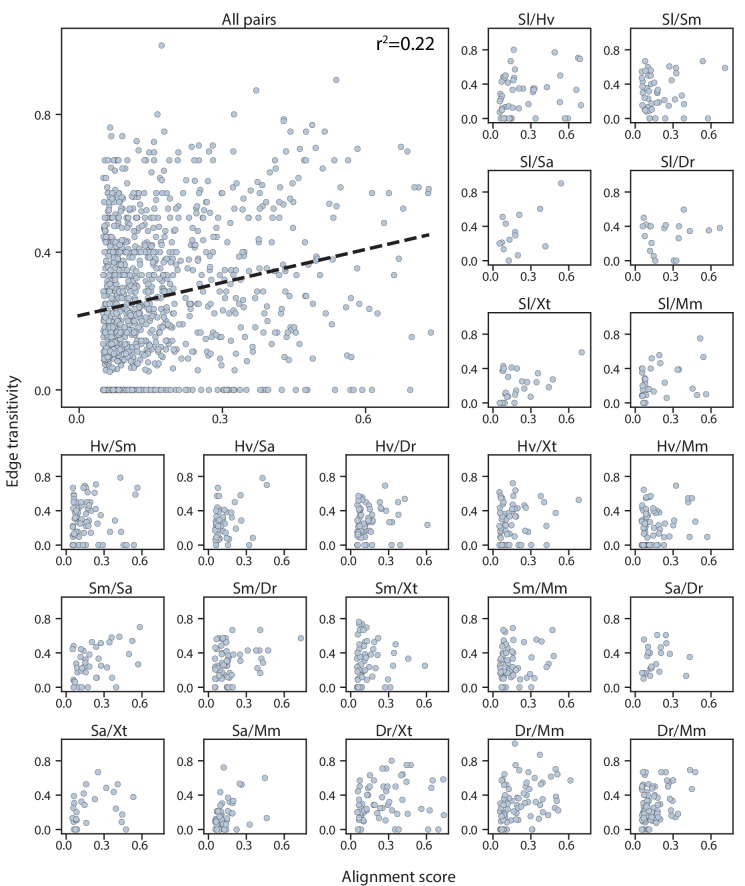
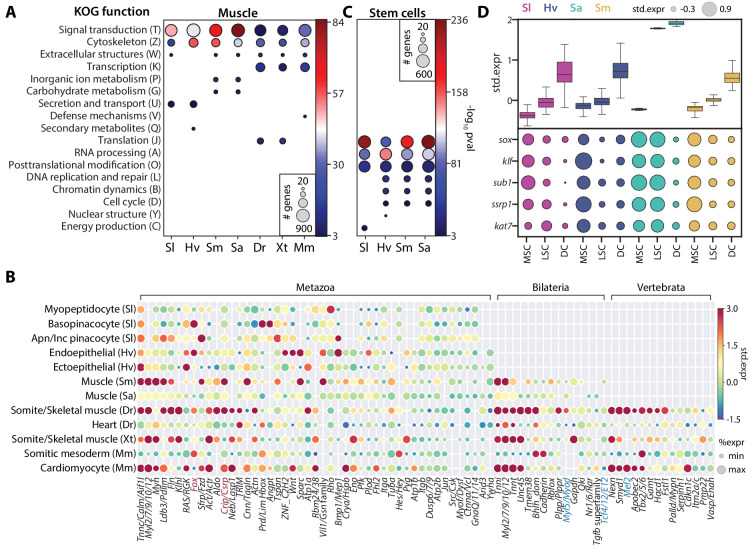
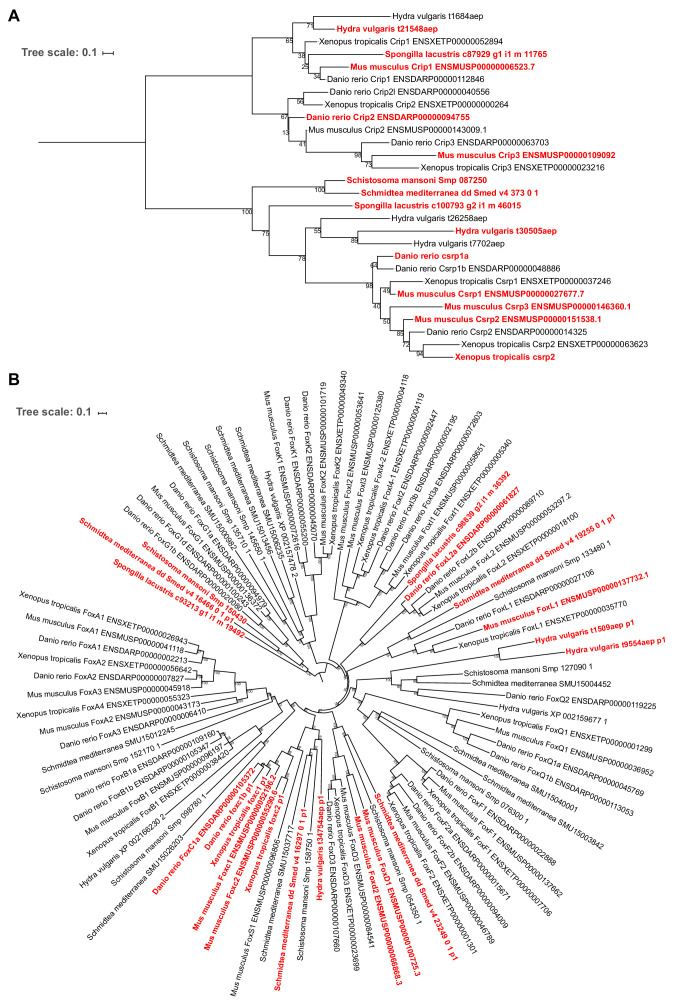
Comparing single-cell transcriptomic atlases from diverse organisms can elucidate the origins of cellular diversity and assist the annotation of new cell atlases. Yet, comparison between distant relatives is hindered by complex gene histories and diversifications in expression programs. Previously, we introduced the self-assembling manifold (SAM) algorithm to robustly reconstruct manifolds from single-cell data (Tarashansky et al., 2019). Here, we build on SAM to map cell atlas manifolds across species. This new method, SAMap, identifies homologous cell types with shared expression programs across distant species within phyla, even in complex examples where homologous tissues emerge from distinct germ layers. SAMap also finds many genes with more similar expression to their paralogs than their orthologs, suggesting paralog substitution may be more common in evolution than previously appreciated. Lastly, comparing species across animal phyla, spanning sponge to mouse, reveals ancient contractile and stem cell families, which may have arisen early in animal evolution.
比较来自不同生物体的单细胞转录组图谱可以阐明细胞多样性的起源,并有助于注释新的细胞图谱。然而,由于基因历史的复杂性和表达程序的多样化,对远缘亲属的比较受到了阻碍。此前,我们引入了自组装流形(SAM)算法,从单细胞数据中稳健地重建流形(Tarashansky 等人,2019)。在这里,我们基于 SAM 来绘制跨物种的细胞图谱流形。这种新方法,SAMap,在门内的远缘物种中识别出具有共享表达程序的同源细胞类型,即使在同源组织来自不同胚层的复杂例子中也是如此。SAMap 还发现了许多基因,它们与其旁系同源基因的表达比与其直系同源基因的表达更相似,这表明旁系同源基因的替代在进化中可能比以前认为的更为普遍。最后,比较动物门的物种,从海绵到老鼠,揭示了古老的收缩和干细胞家族,这些家族可能在动物进化的早期就出现了。