Nanes Sarfati Dania, Li Pengyang, Tarashansky Alexander J, Wang Bo
Department of Biology, Stanford University, Stanford, CA, USA.
Department of Bioengineering, Stanford University, Stanford, CA, USA.
Trends Parasitol. 2021 Sep;37(9):790-802. doi: 10.1016/j.pt.2021.03.005. Epub 2021 Apr 20.
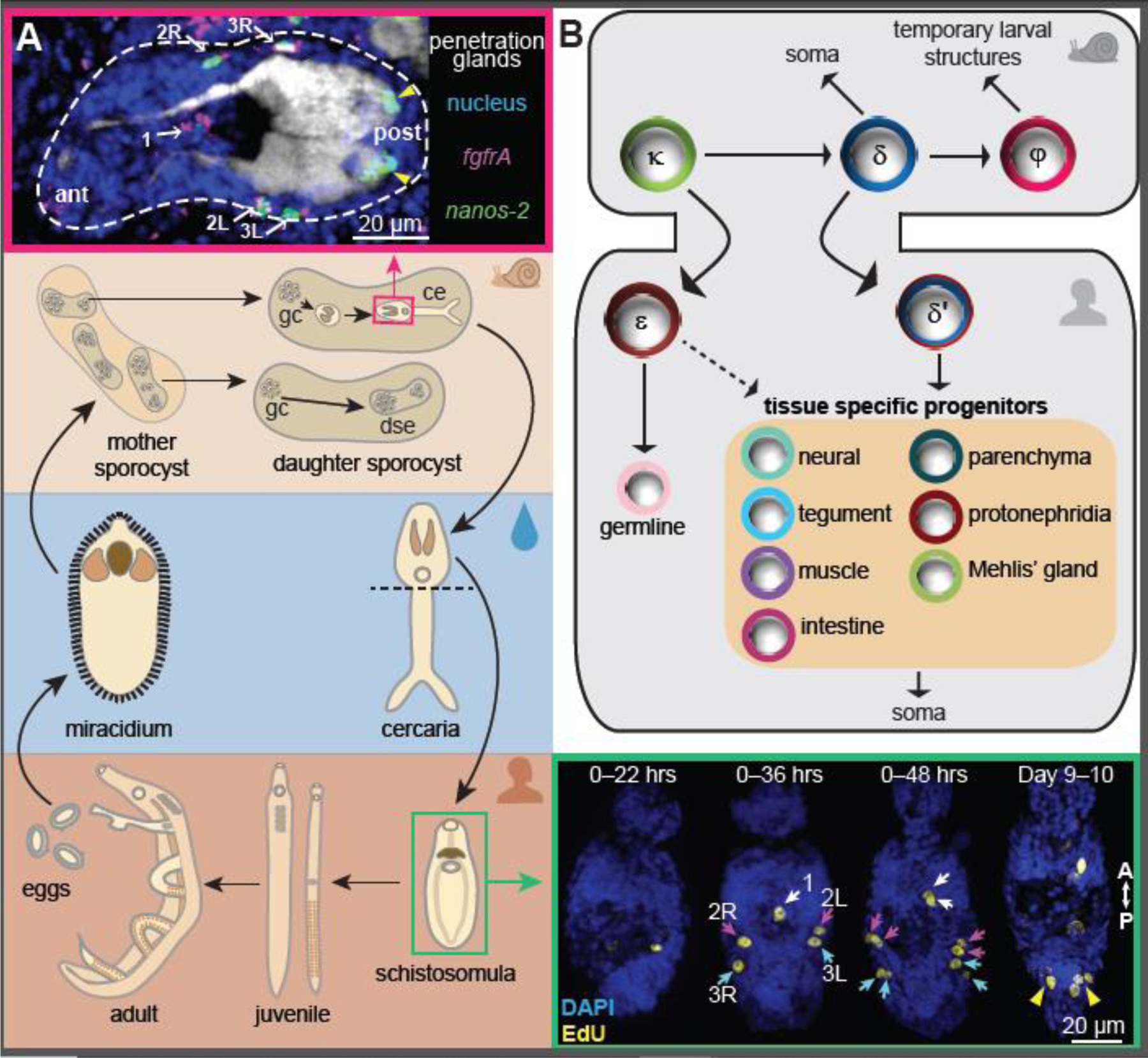
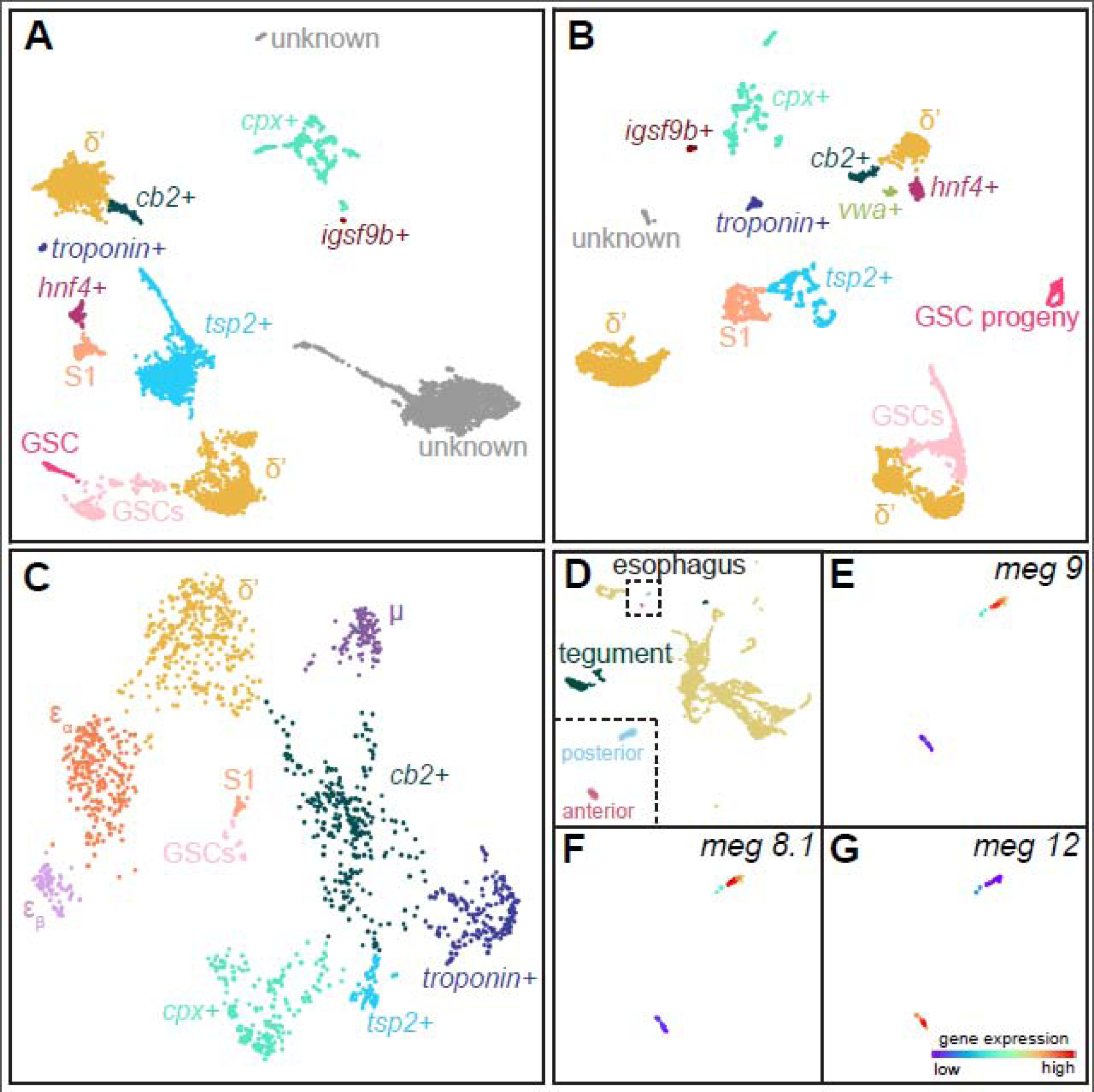
Schistosomes cause one of the most devastating neglected tropical diseases, schistosomiasis. Their transmission is accomplished through a complex life cycle with two obligate hosts and requires multiple radically different body plans specialized for infecting and reproducing in each host. Recent single-cell transcriptomic studies on several schistosome body plans provide a comprehensive map of their cell types, which include stem cells and their differentiated progeny along an intricate developmental hierarchy. This progress not only extends our understanding of the basic biology of the schistosome life cycle but can also inform new therapeutic and preventive strategies against the disease, as blocking the development of specific cell types through genetic manipulations has shown promise in inhibiting parasite survival, growth, and reproduction.
血吸虫引发了最具破坏性的被忽视热带病之一——血吸虫病。它们通过一个涉及两个必需宿主的复杂生命周期来完成传播,并且需要多个截然不同的身体结构,这些结构专门用于在每个宿主中进行感染和繁殖。最近针对几种血吸虫身体结构的单细胞转录组学研究提供了其细胞类型的全面图谱,其中包括干细胞及其沿着复杂发育层级分化的后代。这一进展不仅扩展了我们对血吸虫生命周期基本生物学的理解,还能为针对该疾病的新治疗和预防策略提供依据,因为通过基因操作阻断特定细胞类型的发育已显示出抑制寄生虫存活、生长和繁殖的潜力。