Alabed Sedra, Zhou Heping, Sariyer Ilker K, Chang Sulie L
Institute of NeuroImmune Pharmacology, Seton Hall University, South Orange, NJ 07079, USA.
Department of Biological Sciences, Seton Hall University, South Orange, NJ 07079, USA.
Int J Mol Sci. 2021 Apr 30;22(9):4781. doi: 10.3390/ijms22094781.
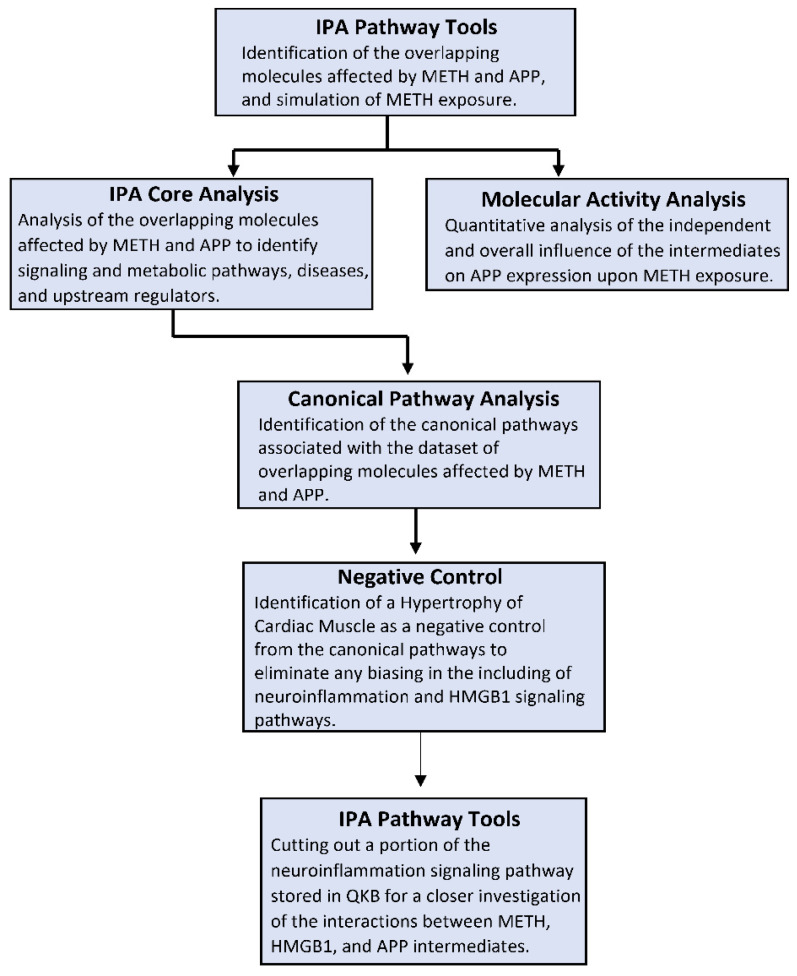
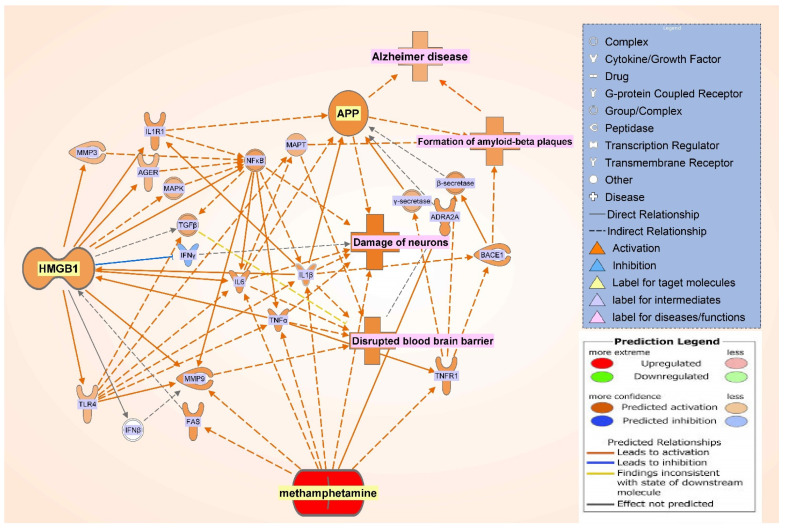
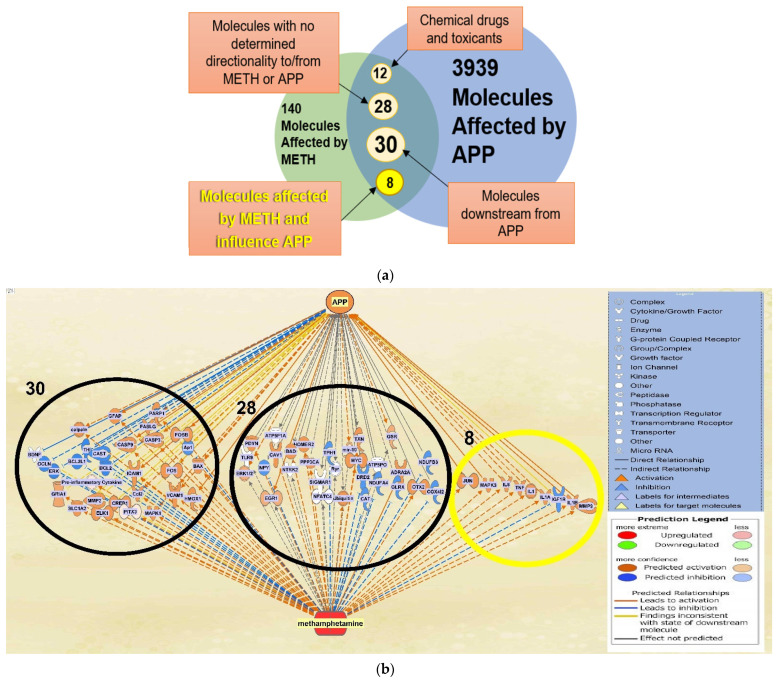
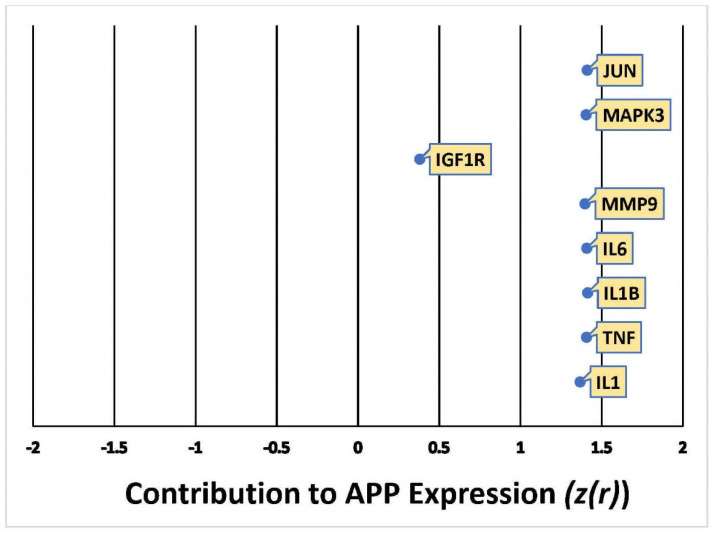
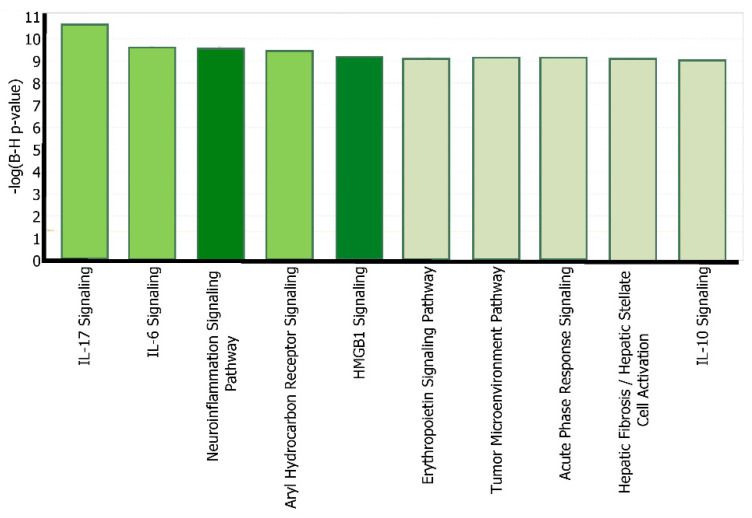
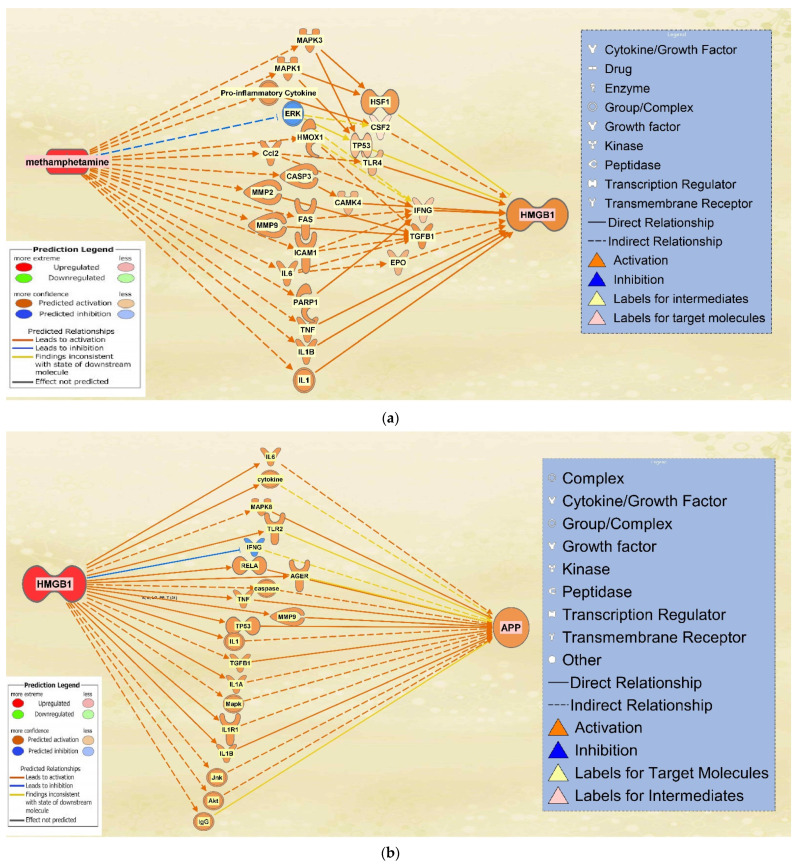
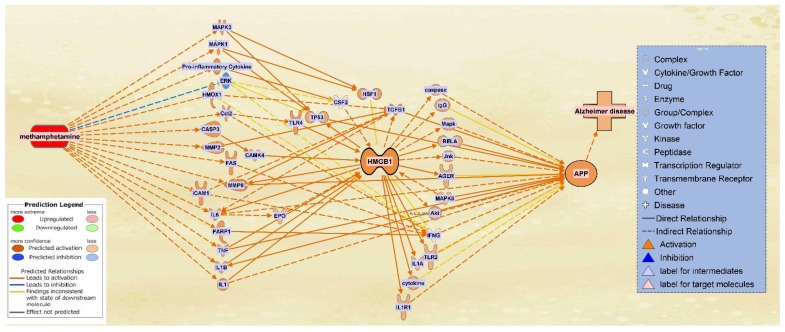
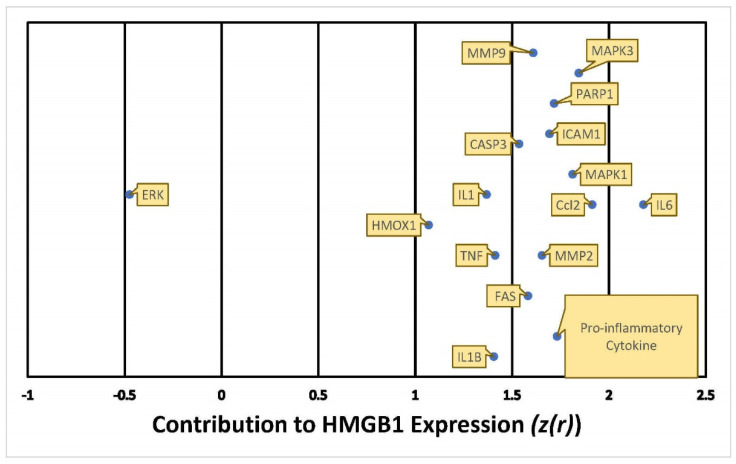
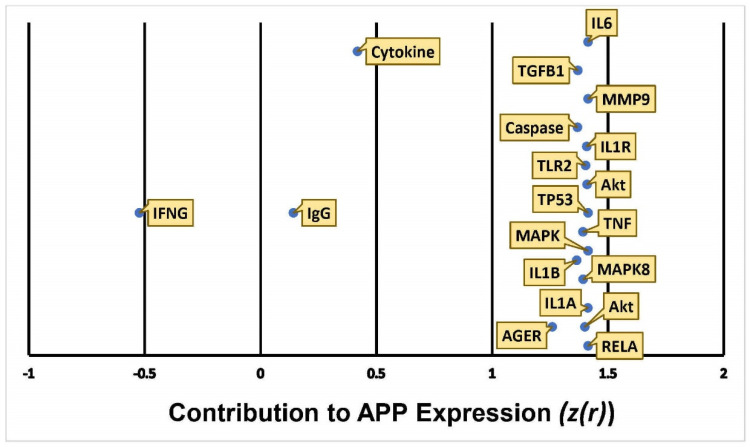
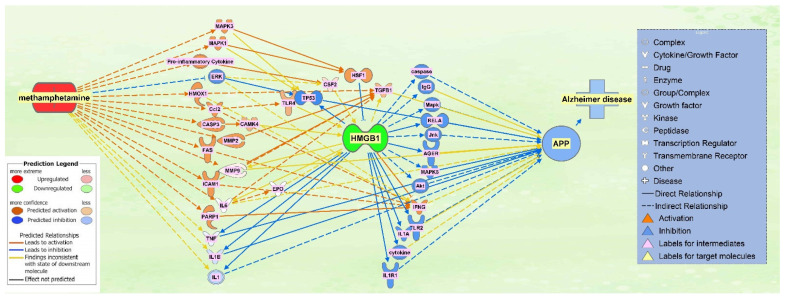
The deposition of amyloid-beta (Aβ) through the cleavage of amyloid-beta precursor protein (APP) is a biomarker of Alzheimer's disease (AD). This study used QIAGEN Ingenuity Pathway Analysis (IPA) to conduct meta-analysis on the molecular mechanisms by which methamphetamine (METH) impacts AD through modulating the expression of APP. All the molecules affected by METH and APP were collected from the QIAGEN Knowledge Base (QKB); 78 overlapping molecules were identified. Upon simulation of METH exposure using the "Molecule Activity Predictor" feature, eight molecules were found to be affected by METH and exhibited activation relationships on APP expression at a confidence of = 0.000453 (Z-score = 3.51, two-tailed). Core Analysis of these eight molecules identified High Mobility Group Box protein 1 (HMGB1) signaling pathway among the top 5 canonical pathways with most overlap with the 8-molecule dataset. Simulated METH exposure increased APP expression through HMGB1 at a confidence of < 0.00001 (Z-score = 7.64, two-tailed). HMGB1 is a pathogenic hallmark in AD progression. It not only increases the production of inflammatory mediators, but also mediates the disruption of the blood-brain barrier. Our analyses suggest the involvement of HMGB1 signaling pathway in METH-induced modulation of APP as a potential casual factor of AD.
通过淀粉样前体蛋白(APP)的裂解产生的β-淀粉样蛋白(Aβ)沉积是阿尔茨海默病(AD)的生物标志物。本研究使用QIAGEN Ingenuity通路分析(IPA)对甲基苯丙胺(METH)通过调节APP表达影响AD的分子机制进行荟萃分析。从QIAGEN知识库(QKB)中收集所有受METH和APP影响的分子;共鉴定出78个重叠分子。使用“分子活性预测器”功能模拟METH暴露后,发现有8个分子受METH影响,并在置信度为=0.000453(Z分数=3.51,双侧)时与APP表达呈现激活关系。对这8个分子的核心分析确定,高迁移率族蛋白B1(HMGB1)信号通路是与8分子数据集重叠最多的前5条典型通路之一。模拟METH暴露通过HMGB1增加APP表达,置信度<0.00001(Z分数=7.64,双侧)。HMGB1是AD进展中的一个致病标志。它不仅增加炎症介质的产生,还介导血脑屏障的破坏。我们的分析表明,HMGB1信号通路参与了METH诱导的APP调节,这可能是AD的一个潜在致病因素。