Universidade Federal do Vale São Francisco (UNIVASF), Paulo Afonso, BA, Brazil.
Universidade Federal do Vale São Francisco (UNIVASF), Paulo Afonso, BA, Brazil.
Braz J Otorhinolaryngol. 2022 Sep-Oct;88(5):794-802. doi: 10.1016/j.bjorl.2021.04.001. Epub 2021 Apr 25.
SARS-CoV-2 is the pathogen of COVID-19. The virus is composed of the spike, membrane and envelope. On physiological smell, odoriferous substances bind to proteins secreted by sustentacular cells in order to be processed by olfactory receptor neurons. Olfactory disorder is one of the main manifestations of COVID-19, however, research is still required to clarify the mechanism involved in SARS-CoV-2 induced anosmia.
This article aims to analyze current scientific evidence intended to elucidate the pathophysiological relationship between COVID-19 and the cause of olfactory disorders.
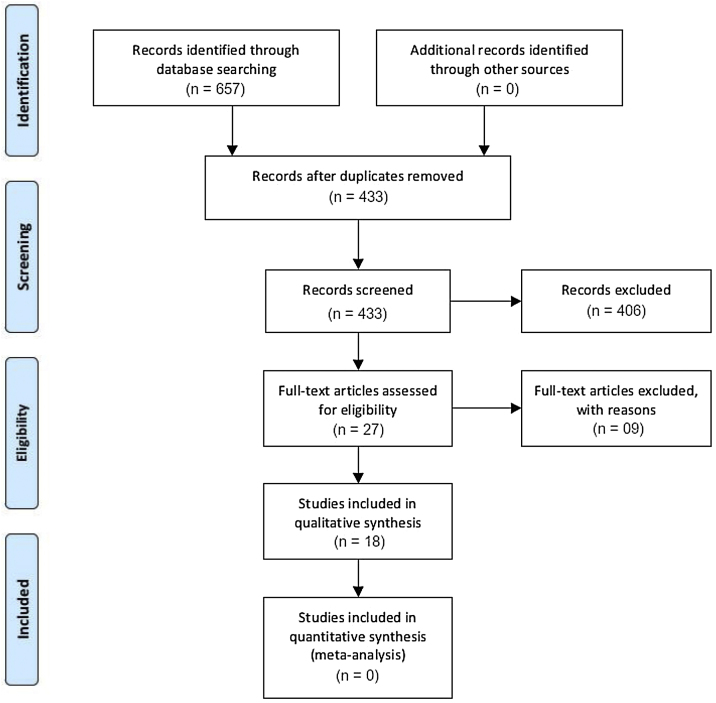
Pubmed, Embase, Scopus and ScienceDirect were used to compose this article. The research was conducted on November 24th, 2020. Original articles with experimental studies in human, animal and in vitro, short communications, viewpoint, published in the English language and between 2019 and 2020 were included, all related to the pathophysiological relationship between olfactory disorders and COVID-19 infection.
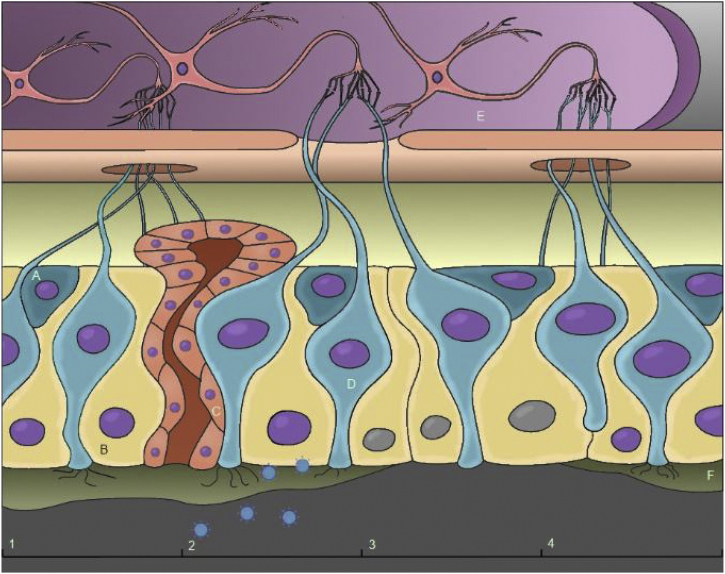
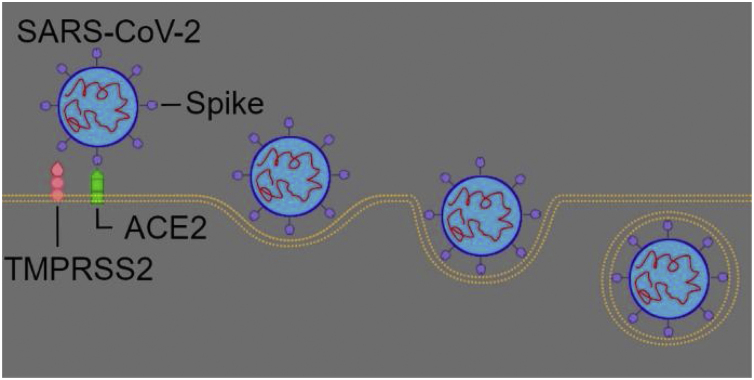
Both human cell receptors ACE2 and TMPRSS2 are essential for the SARS-CoV-2 entrance. These receptors are mostly present in the olfactory epithelium cells, therefore, the main hypothesis is that anosmia is caused due to damage to non-neuronal cells which, thereafter, affects the normal olfactory metabolism. Furthermore, magnetic resonance imaging studies exhibit a relationship between a reduction on the neuronal epithelium and the olfactory bulb atrophy. Damage to non-neuronal cells explains the average recovery lasting a few weeks. This injury can be exacerbated by an aggressive immune response, which leads to damage to neuronal cells and stem cells inducing a persistent anosmia. Conductive anosmia is not sufficient to explain most cases of COVID-19 induced anosmia.
Olfactory disorders such as anosmia and hyposmia can be caused by COVID-19, the main mechanism is associated with olfactory epithelium damage, targeting predominantly non-neuronal cells. However, neuronal cells can also be affected, worsening the condition of olfactory loss.
SARS-CoV-2 是 COVID-19 的病原体。该病毒由刺突、膜和包膜组成。在生理气味方面,气味物质与支持细胞分泌的蛋白质结合,以便被嗅觉受体神经元处理。嗅觉障碍是 COVID-19 的主要表现之一,但仍需要研究来阐明 SARS-CoV-2 引起嗅觉丧失的机制。
本文旨在分析当前旨在阐明 COVID-19 与嗅觉障碍原因之间病理生理关系的科学证据。
使用 Pubmed、Embase、Scopus 和 ScienceDirect 来组成本文。研究于 2020 年 11 月 24 日进行。纳入了原始研究,包括人类、动物和体外的实验研究、短通讯、观点,发表在英语语言中,且发表于 2019 年至 2020 年之间,所有这些都与嗅觉障碍和 COVID-19 感染之间的病理生理关系有关。
人类细胞受体 ACE2 和 TMPRSS2 对 SARS-CoV-2 的进入都是必不可少的。这些受体主要存在于嗅觉上皮细胞中,因此,主要的假设是嗅觉丧失是由于非神经元细胞的损伤引起的,进而影响正常的嗅觉代谢。此外,磁共振成像研究显示神经元上皮和嗅球萎缩之间存在相关性。非神经元细胞的损伤解释了平均持续数周的恢复。这种损伤可以被强烈的免疫反应加剧,导致神经元细胞和干细胞受损,引起持续的嗅觉丧失。传导性嗅觉丧失不足以解释大多数 COVID-19 引起的嗅觉丧失。
嗅觉障碍,如嗅觉丧失和嗅觉减退,可能是由 COVID-19 引起的,主要机制与嗅觉上皮损伤有关,主要针对非神经元细胞。然而,神经元细胞也可能受到影响,使嗅觉丧失的情况恶化。