Wang Chao, Fiering Steven N, Steinmetz Nicole F
Department of NanoEngineering, University of California, San Diego, La Jolla, CA 92093, USA.
Department of Microbiology and Immunology and Norris Cotton Cancer Center, Dartmouth University, Lebanon, NH 03756, USA.
Adv Ther (Weinh). 2019 May;2(5). doi: 10.1002/adtp.201900003. Epub 2019 Feb 25.
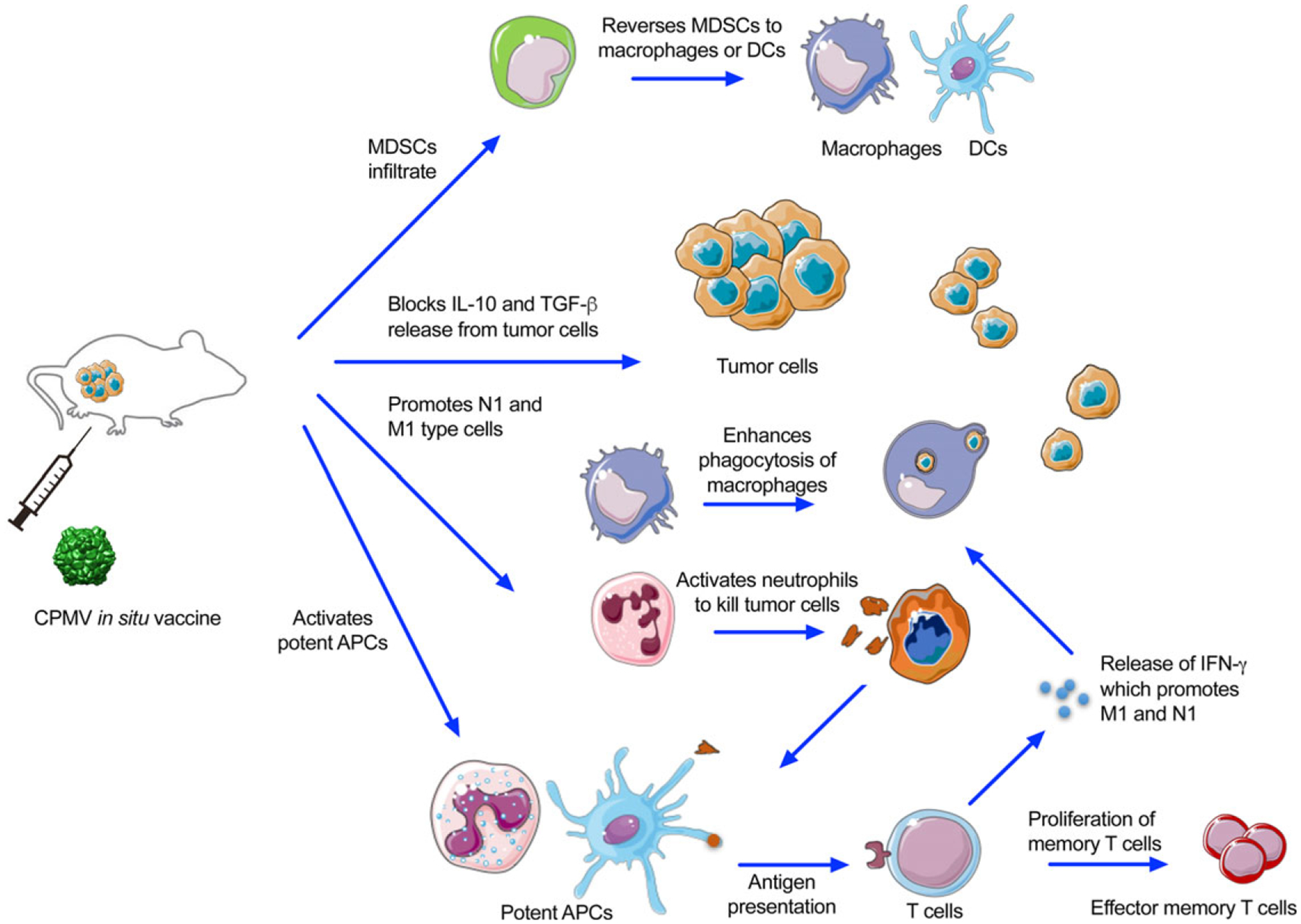
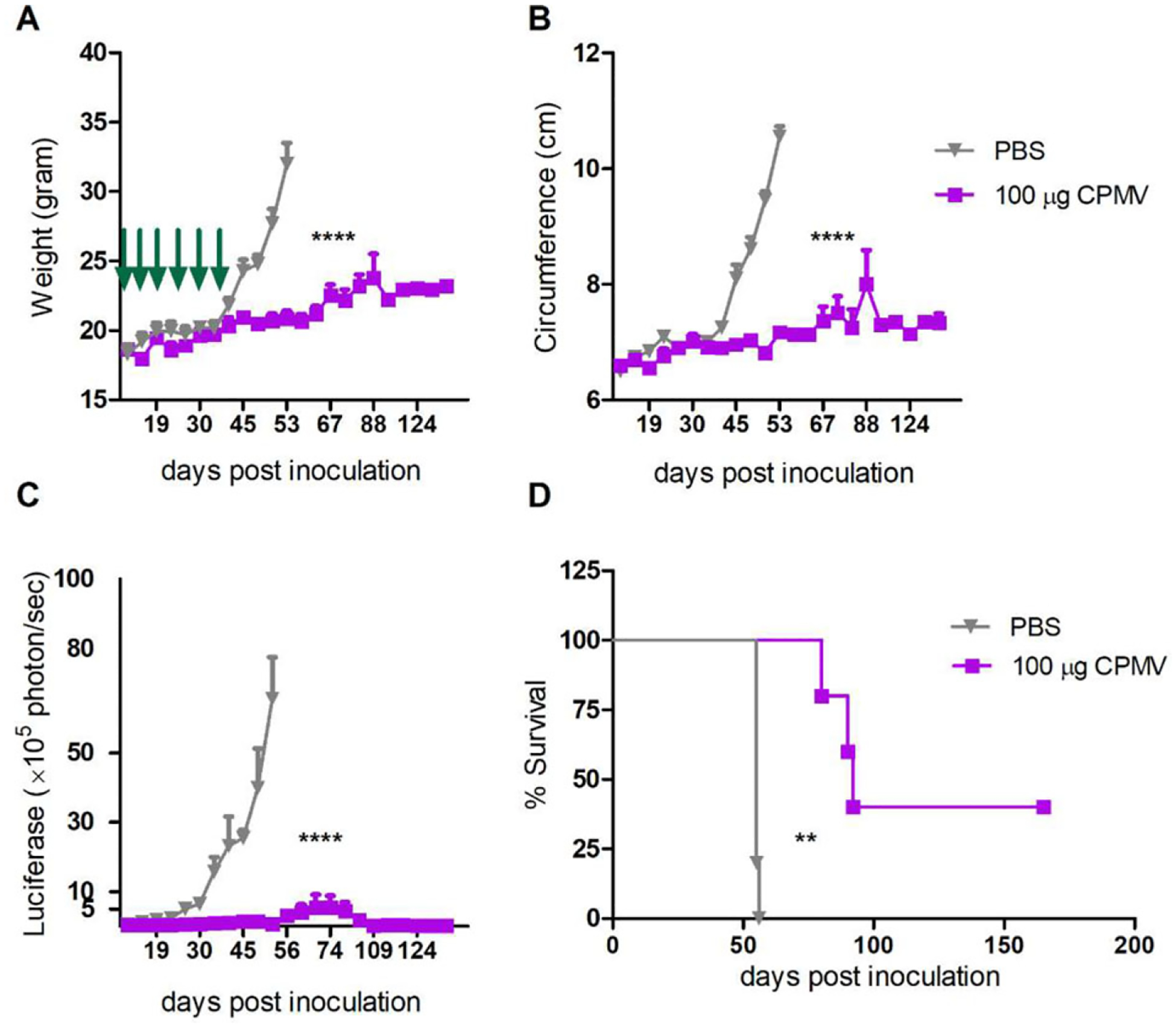
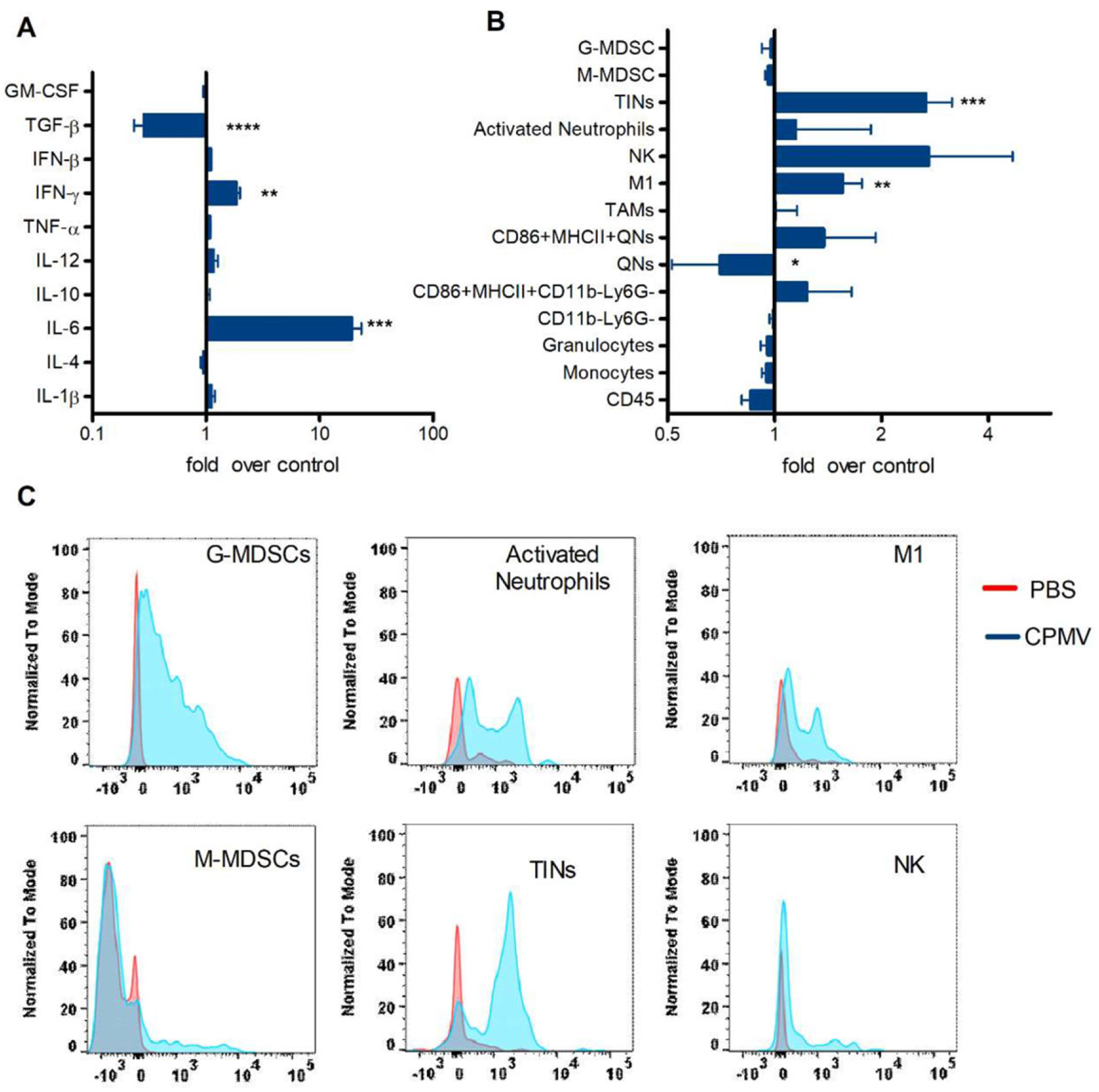
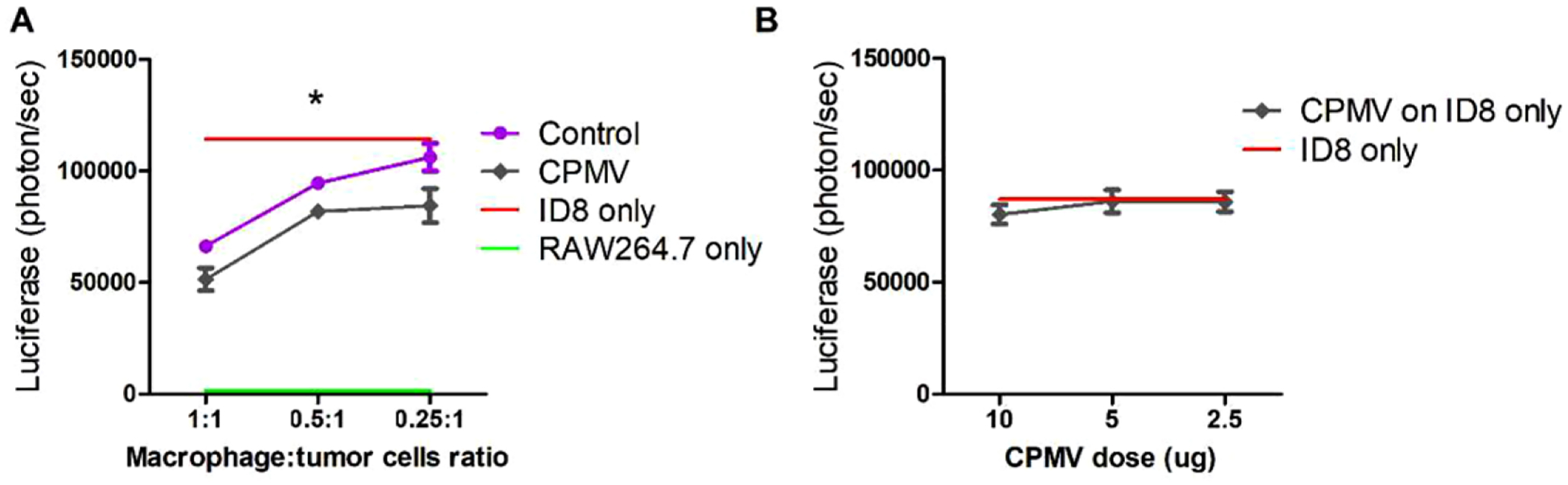
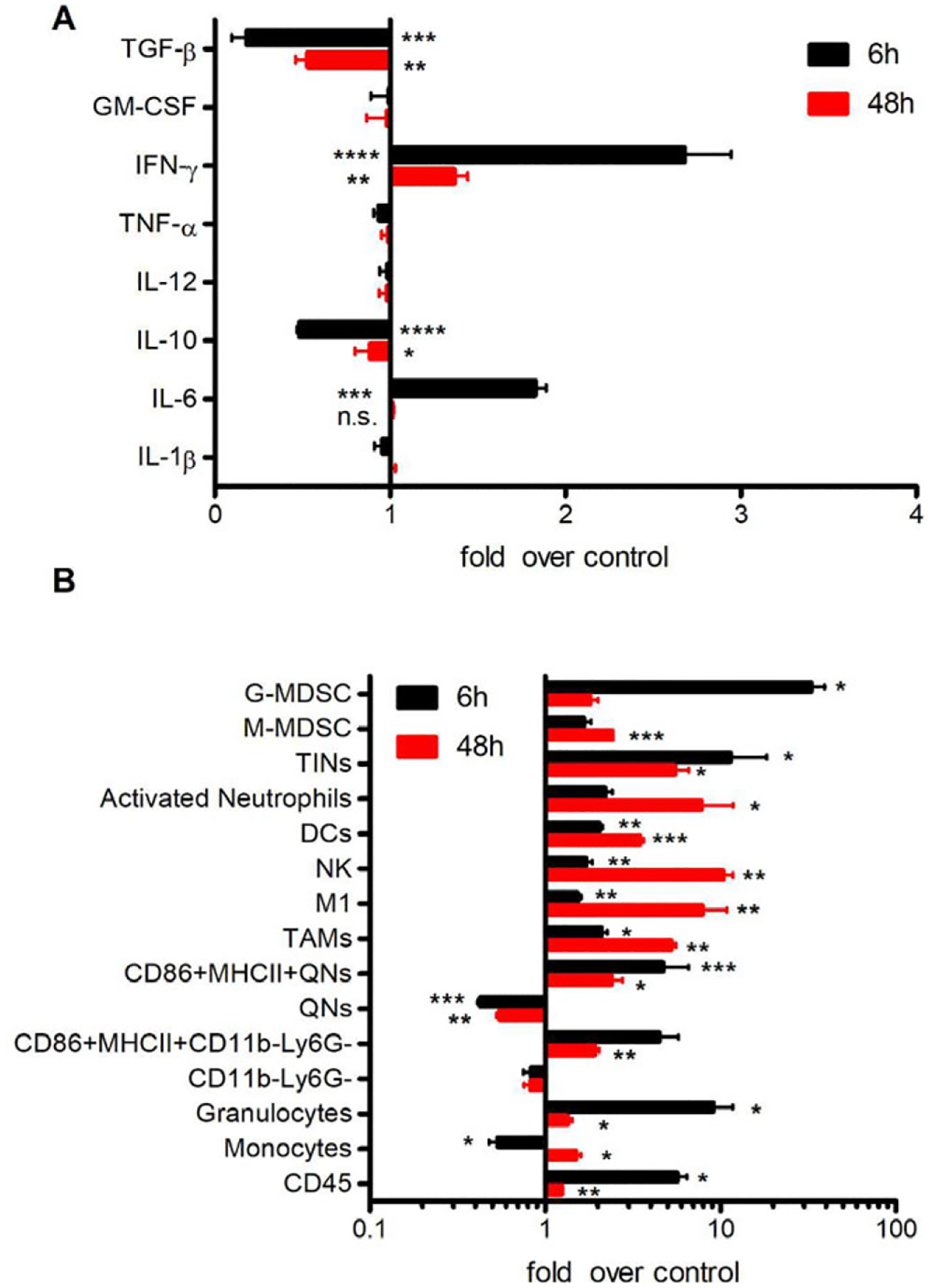
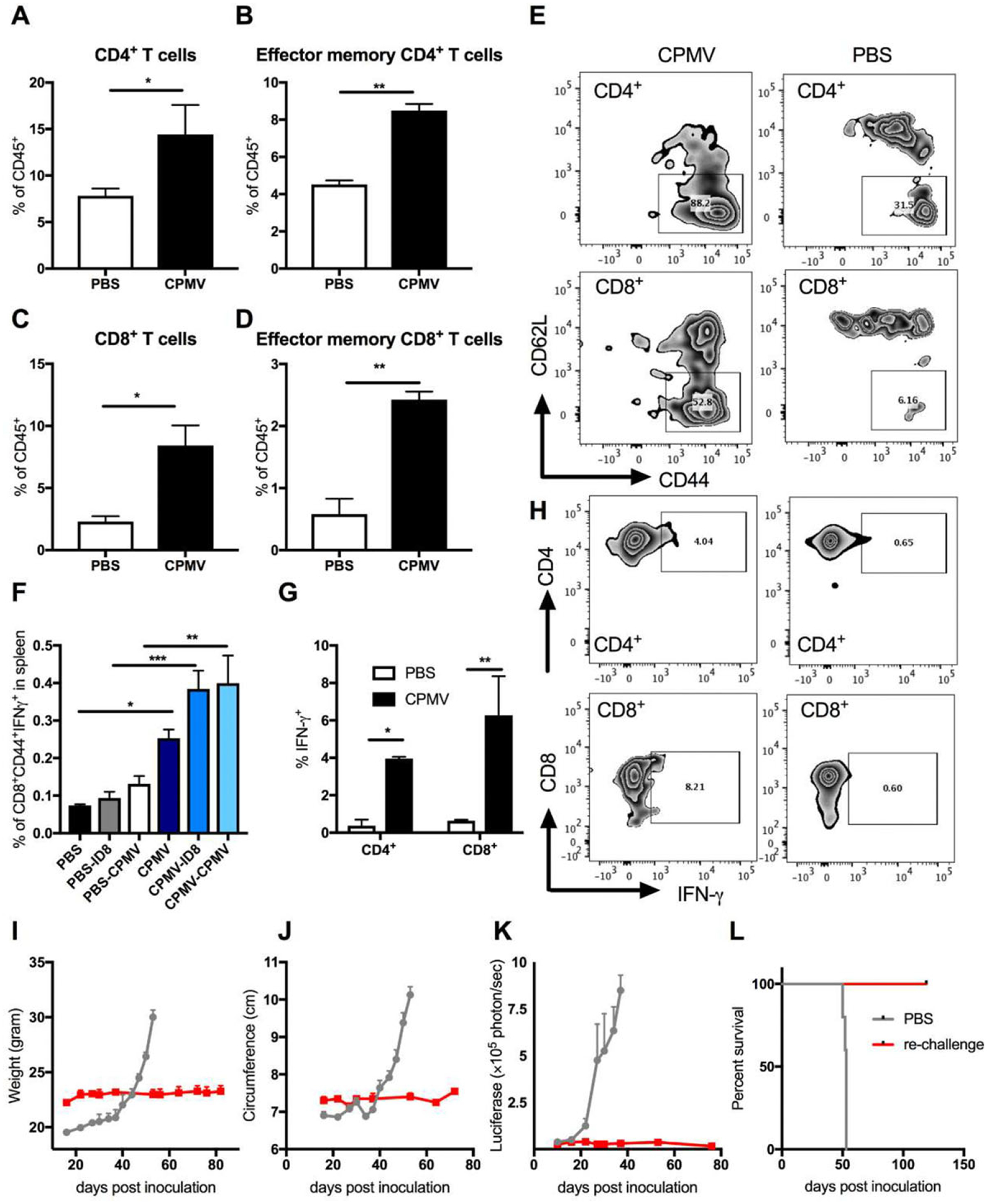
Cowpea mosaic virus (CPMV) is a promising platform nanotechnology with applications as a cancer therapeutic. To understand the therapeutic potential of CPMV in more detail, its antitumor mechanisms are investigated using a syngeneic immunocompetent murine orthotopic ovarian cancer model (ID8-Defb29/Vegf-A). CPMV treatment in situ promotes tumor regression and prevents tumor recurrence. Although CPMV does not kill tumor cells directly, it promotes an intra-tumoral cytokine response which induces pre-existing myeloid cells to break immunotolerance and initiate antitumor responses. The upregulation of interleukin-6 and interferon- as well as the downregulation of IL-10 and transforming growth factor are observed, associated with activation and repolarization of tumor-associated macrophages and neutrophils to an anti-tumor phenotype. Furthermore, the in situ administration of CPMV recruits dendritic cells and natural killer cells to the tumor site, and induces the expression of costimulatory molecules on CD11b myeloid cells. By converting immunosuppressive myeloid cells into potent antigen-presenting cells, in situ CPMV treatment significantly improves effector and memory CD4 and CD8 T cell responses and promoted systemic tumor-specific cytotoxic CD8 T cell activity. CPMV in situ immunotherapy induces significant tumor control in an aggressive ovarian tumor model by coordinating innate and adaptive immune responses involving neutrophils, macrophages, and T cells.
豇豆花叶病毒(CPMV)是一种很有前景的用于纳米技术平台的物质,可作为癌症治疗剂。为了更详细地了解CPMV的治疗潜力,利用同基因免疫活性小鼠原位卵巢癌模型(ID8-Defb29/Vegf-A)研究其抗肿瘤机制。原位CPMV治疗可促进肿瘤消退并预防肿瘤复发。虽然CPMV不会直接杀死肿瘤细胞,但它能促进肿瘤内细胞因子反应,诱导预先存在的髓样细胞打破免疫耐受并启动抗肿瘤反应。观察到白细胞介素-6和干扰素上调以及白细胞介素-10和转化生长因子下调,这与肿瘤相关巨噬细胞和中性粒细胞激活并重新极化到抗肿瘤表型有关。此外,原位给予CPMV可将树突状细胞和自然杀伤细胞募集到肿瘤部位,并诱导CD11b髓样细胞上共刺激分子的表达。通过将免疫抑制性髓样细胞转化为有效的抗原呈递细胞,原位CPMV治疗可显著改善效应性和记忆性CD4和CD8 T细胞反应,并促进全身性肿瘤特异性细胞毒性CD8 T细胞活性。原位CPMV免疫疗法通过协调涉及中性粒细胞、巨噬细胞和T细胞的先天性和适应性免疫反应,在侵袭性卵巢肿瘤模型中实现显著的肿瘤控制。