Key Laboratory of Tropical Marine Bio-resources and Ecology and Guangdong Provincial Key Laboratory of Applied Marine Biology, South China Sea Institute of Oceanology, Chinese Academy of Sciences, Guangzhou, China.
Innovation Academy of South China Sea Ecology and Environmental Engineering, Chinese Academy of Sciences, Guangzhou, China.
Nat Ecol Evol. 2021 Jul;5(7):927-938. doi: 10.1038/s41559-021-01448-6. Epub 2021 May 10.
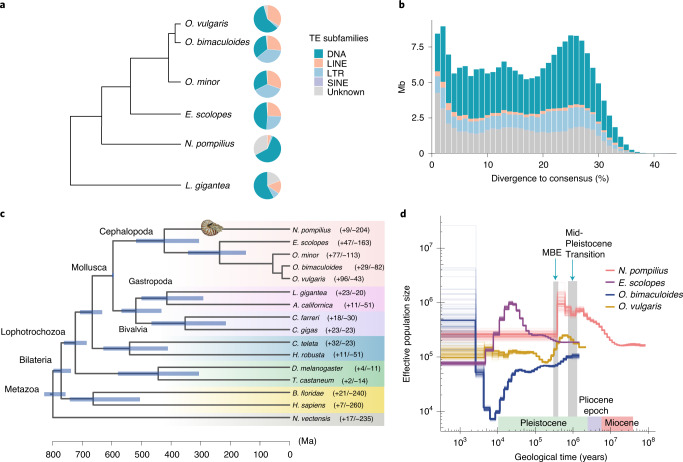
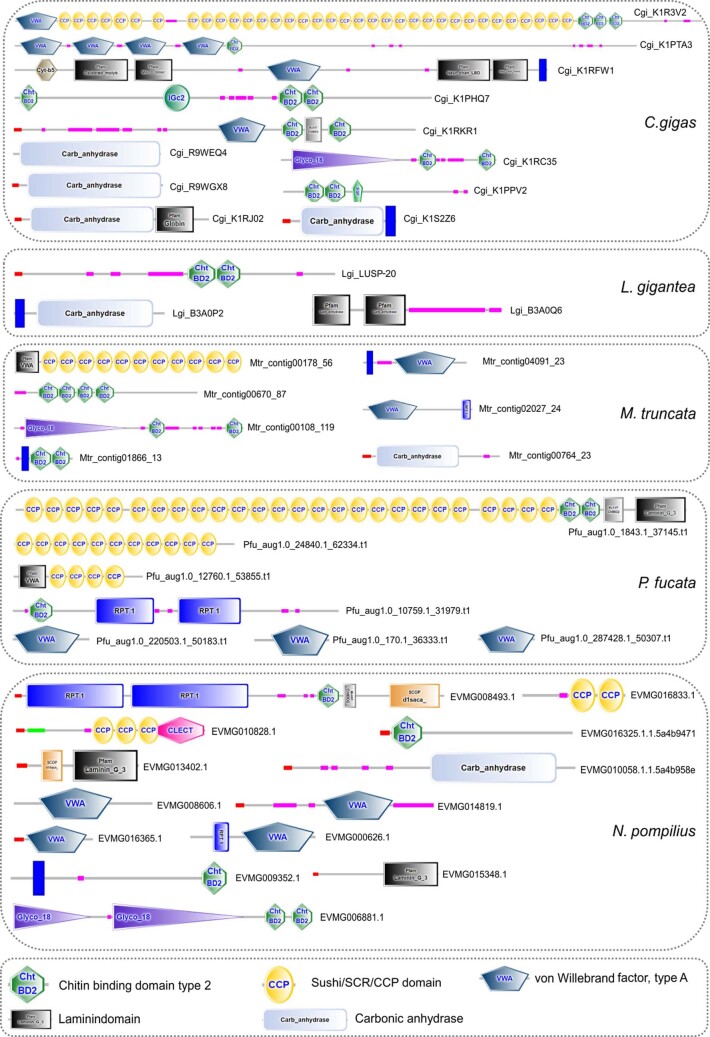
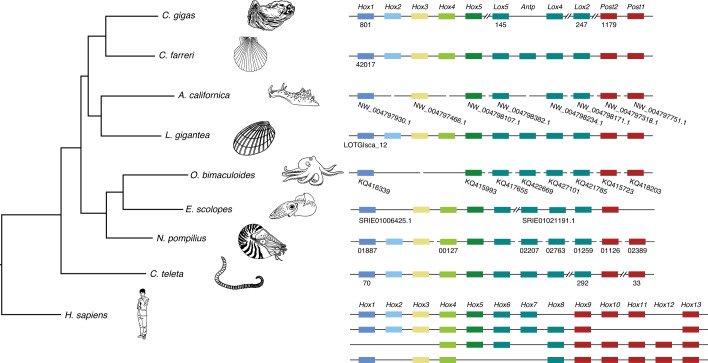
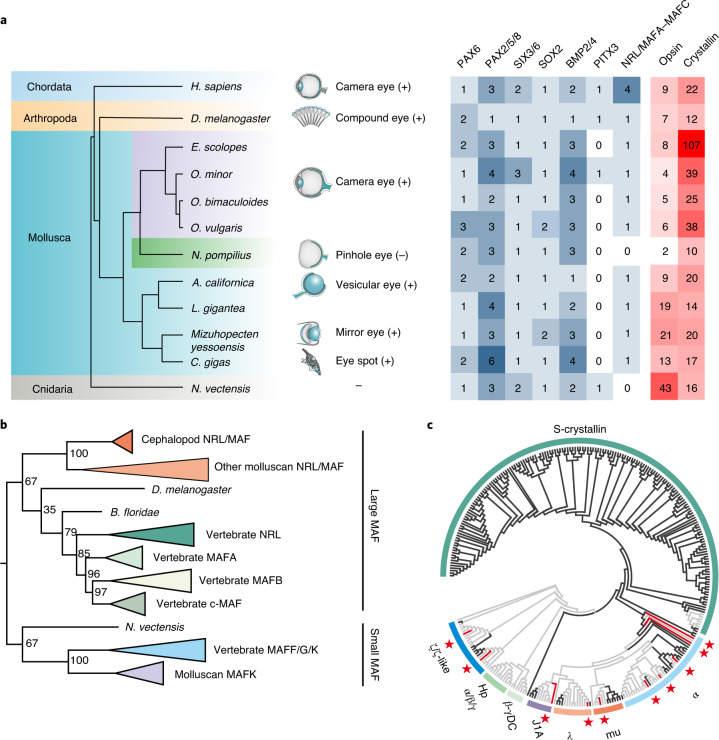
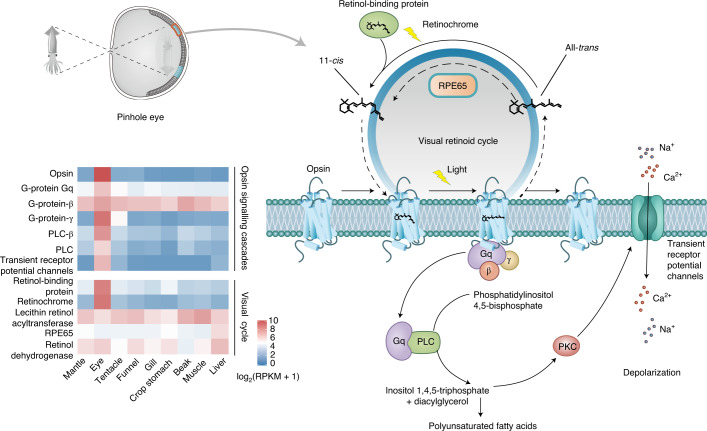
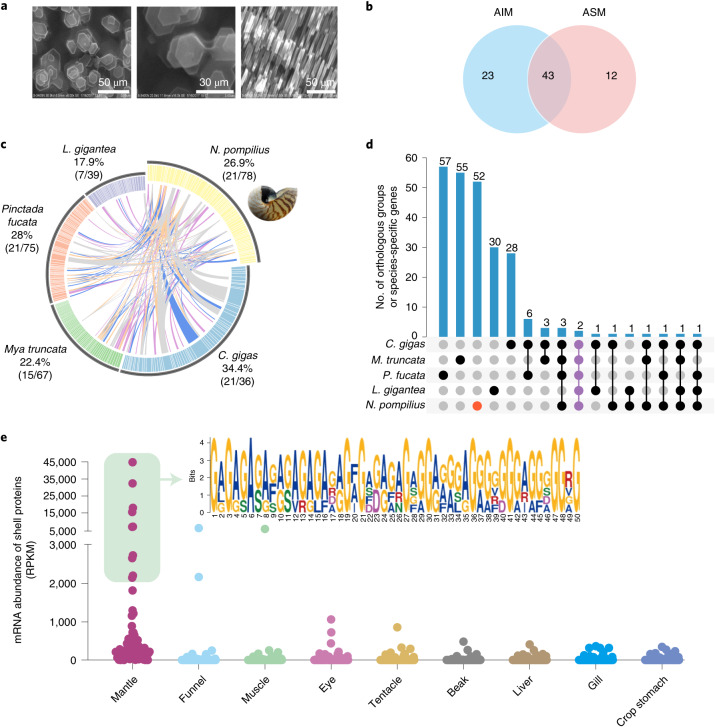
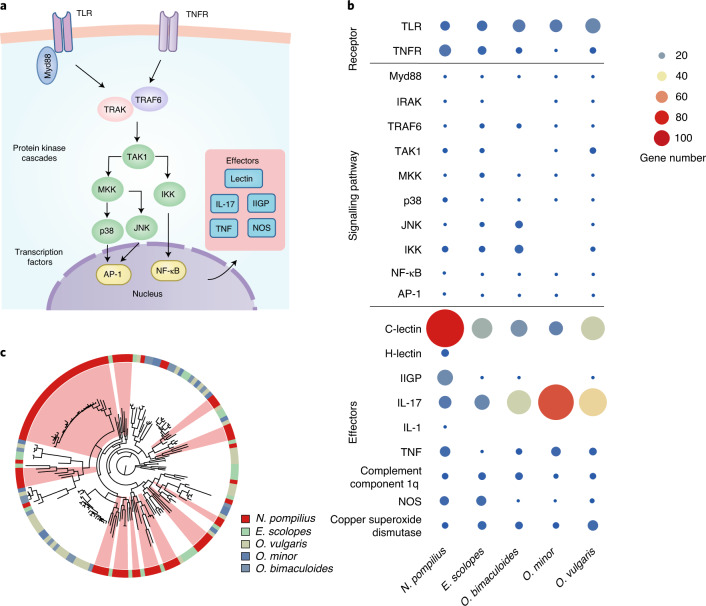
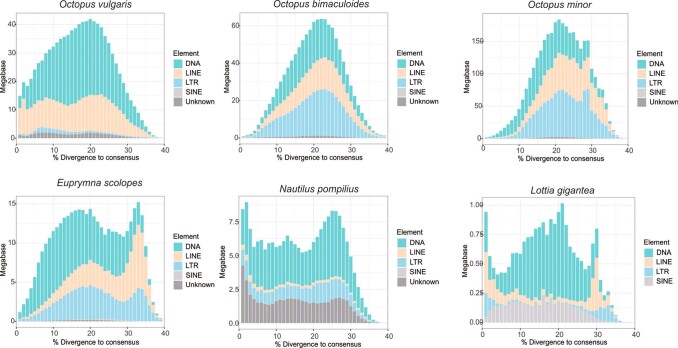
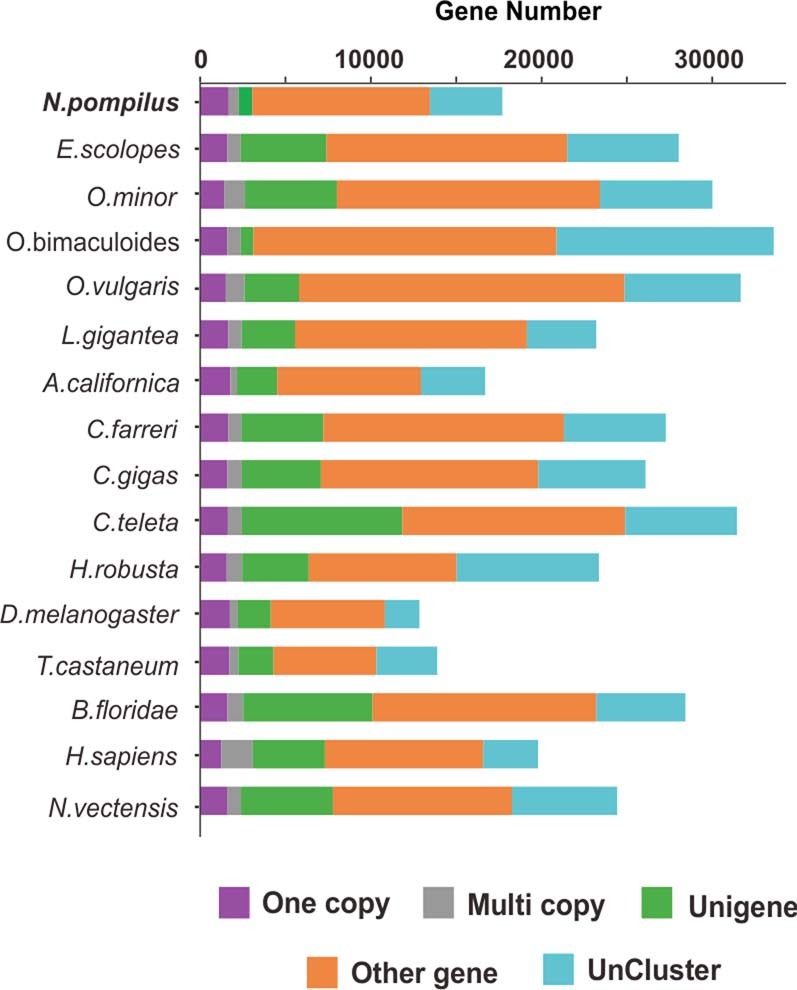
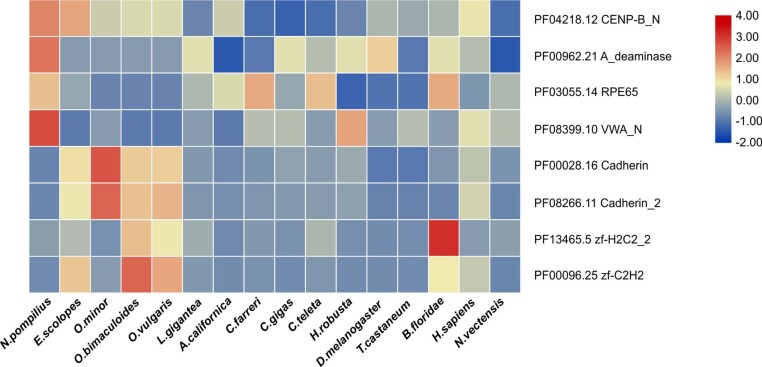
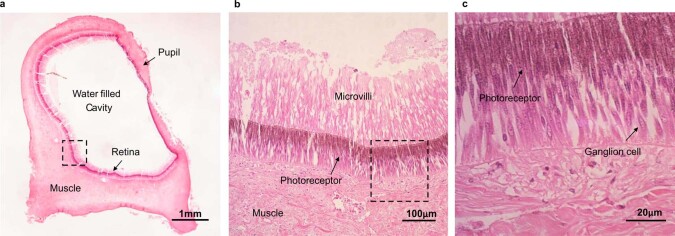
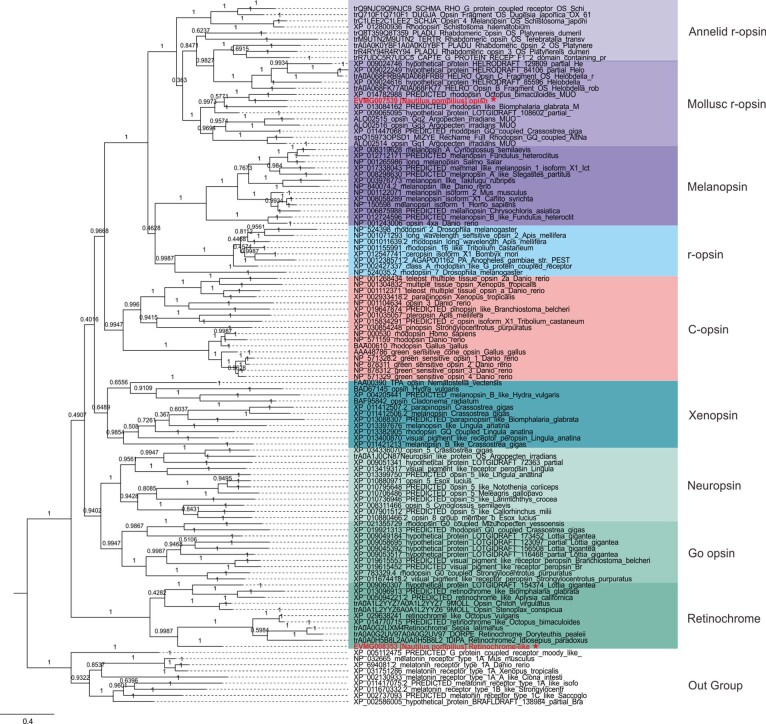
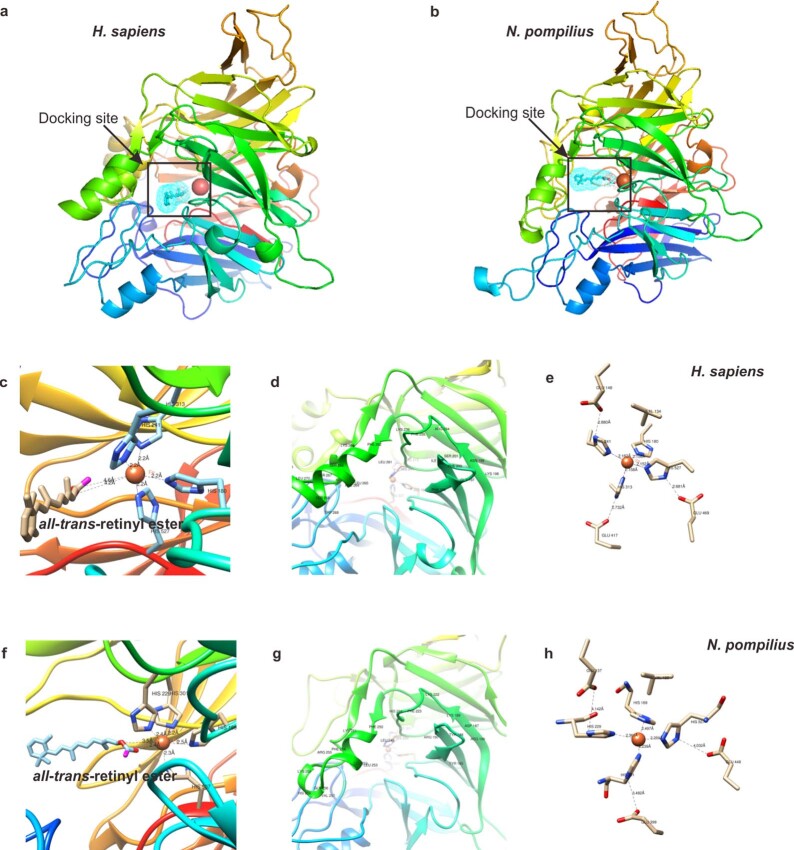
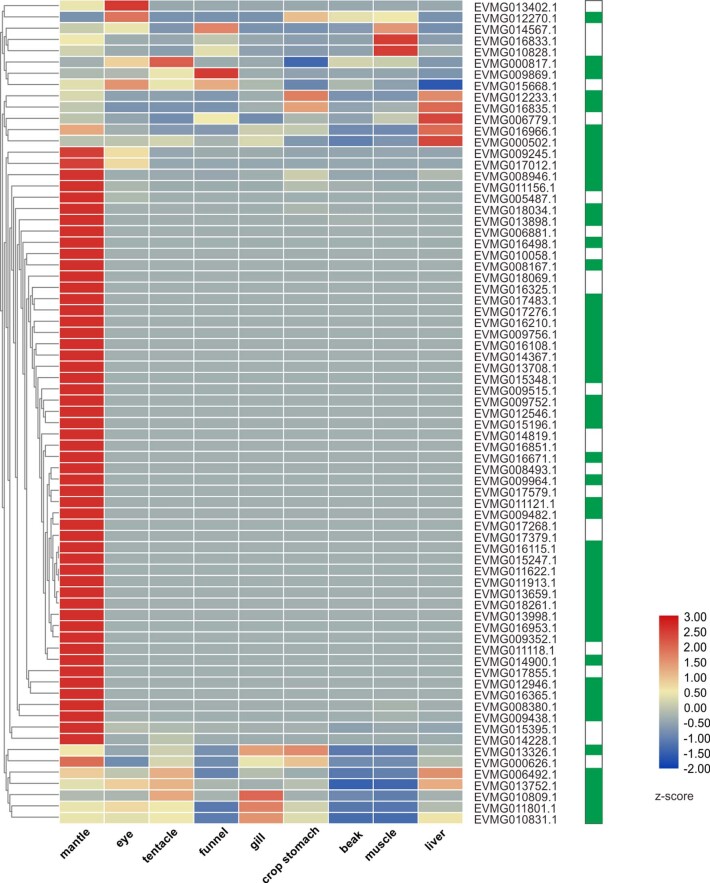
Nautilus is the sole surviving externally shelled cephalopod from the Palaeozoic. It is unique within cephalopod genealogy and critical to understanding the evolutionary novelties of cephalopods. Here, we present a complete Nautilus pompilius genome as a fundamental genomic reference on cephalopod innovations, such as the pinhole eye and biomineralization. Nautilus shows a compact, minimalist genome with few encoding genes and slow evolutionary rates in both non-coding and coding regions among known cephalopods. Importantly, multiple genomic innovations including gene losses, independent contraction and expansion of specific gene families and their associated regulatory networks likely moulded the evolution of the nautilus pinhole eye. The conserved molluscan biomineralization toolkit and lineage-specific repetitive low-complexity domains are essential to the construction of the nautilus shell. The nautilus genome constitutes a valuable resource for reconstructing the evolutionary scenarios and genomic innovations that shape the extant cephalopods.
鹦鹉螺是现存唯一的远古头足纲生物。它在头足纲的系统发生中独一无二,对于理解头足类动物的进化创新至关重要。在这里,我们呈现了完整的鹦鹉螺基因组,作为头足类动物创新的基础基因组参考,例如针孔眼和生物矿化。鹦鹉螺的基因组紧凑、最小化,编码基因较少,在已知头足类动物的非编码和编码区域中进化速度都较慢。重要的是,包括基因丢失、特定基因家族的独立收缩和扩张以及它们相关的调控网络在内的多种基因组创新,可能塑造了鹦鹉螺针孔眼的进化。保守的软体动物生物矿化工具包和谱系特异性重复低复杂度结构域是构建鹦鹉螺壳的必要条件。鹦鹉螺基因组是重建塑造现存头足类动物的进化场景和基因组创新的宝贵资源。