Moyles I R, Heffernan J M, Kong J D
Department of Mathematics and Statistics, York University, Toronto, Canada.
Centre for Disease Modelling (CDM), York University, Toronto, Canada.
R Soc Open Sci. 2021 Feb 24;8(2):201770. doi: 10.1098/rsos.201770.
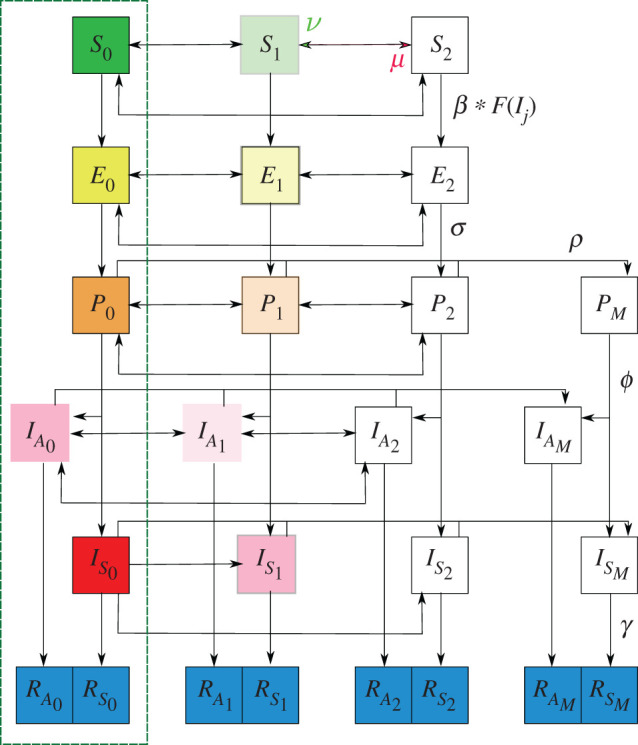
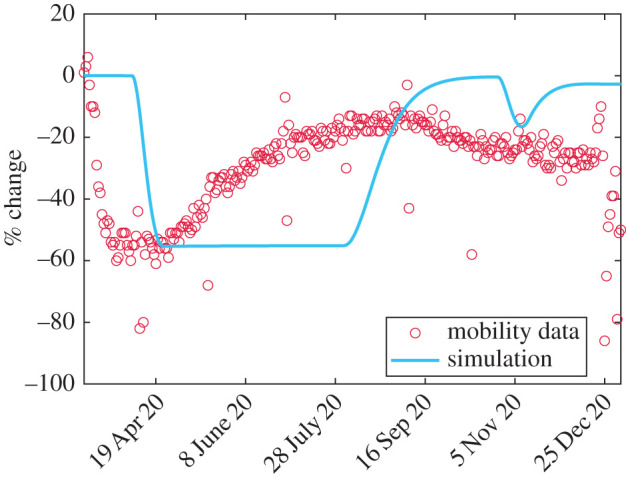
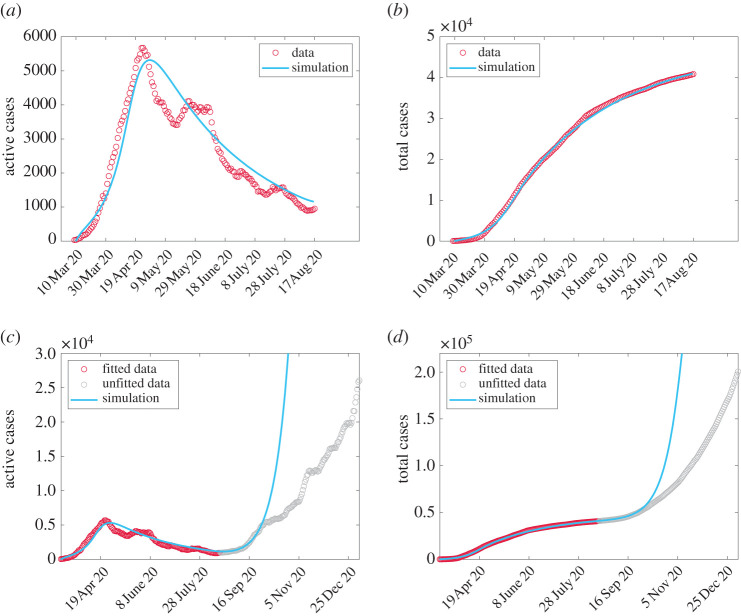
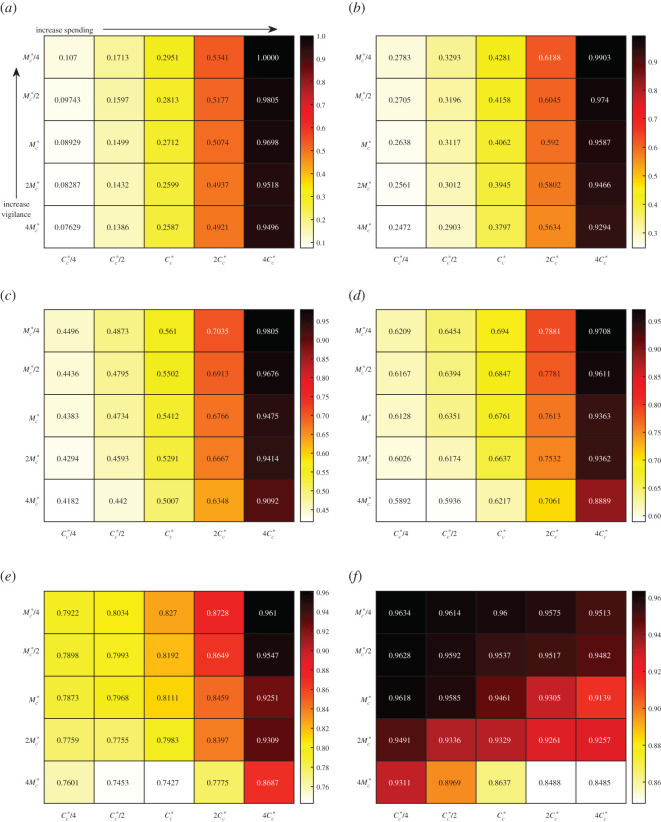
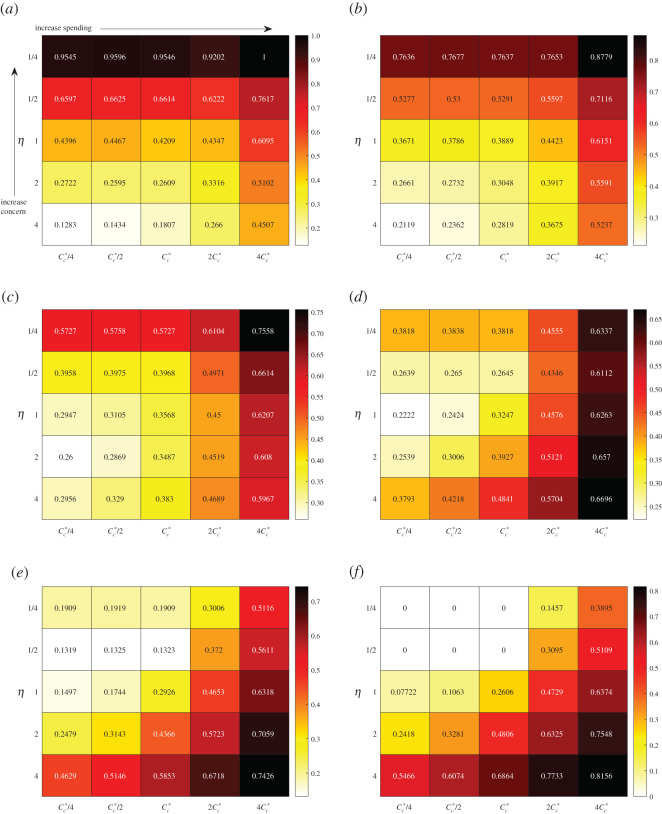
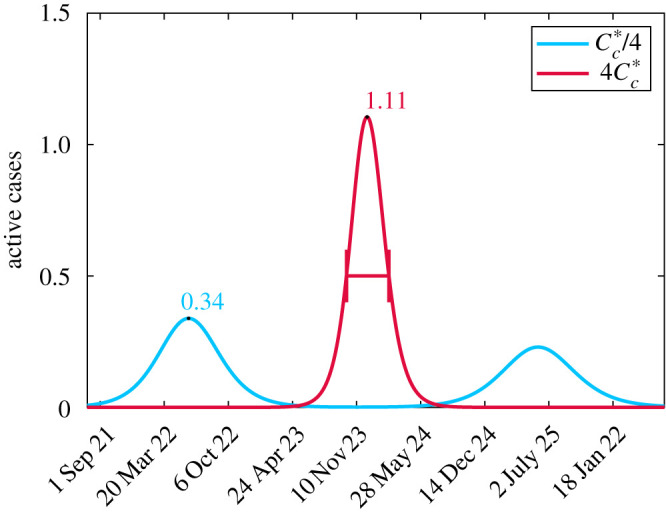
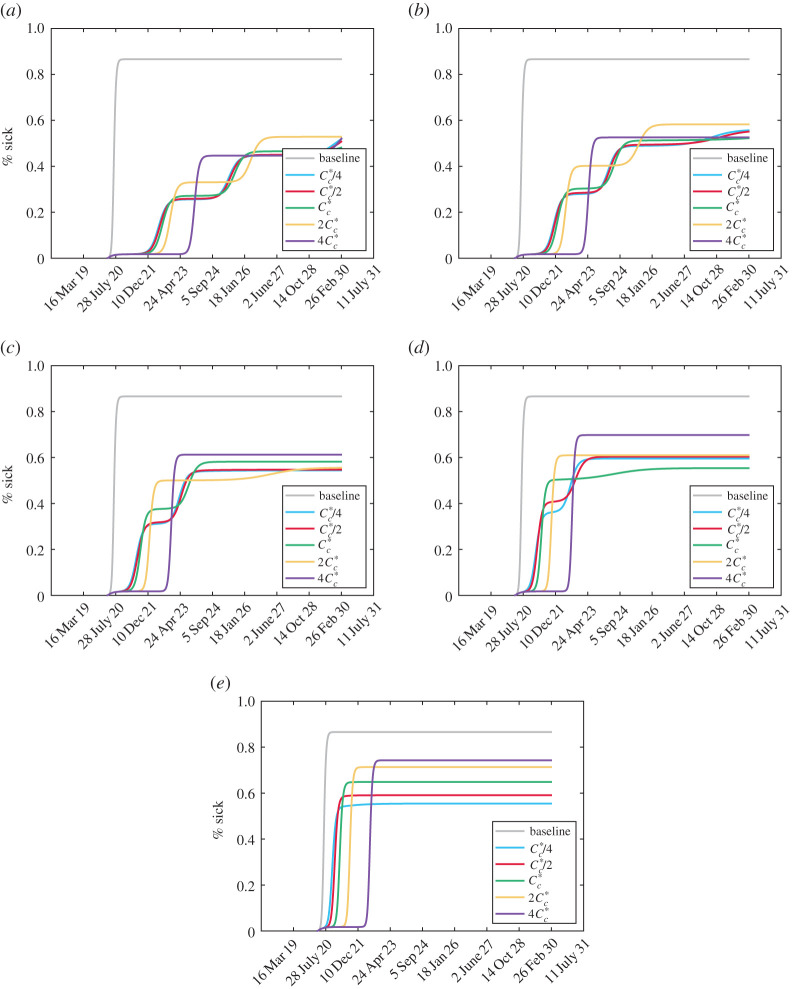
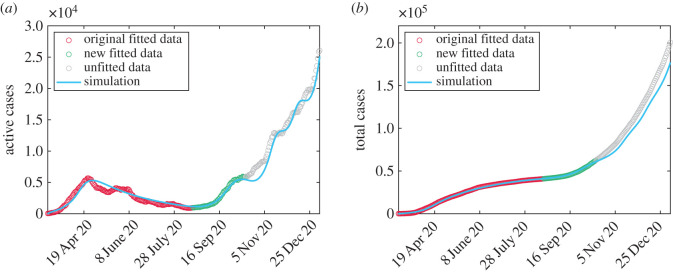
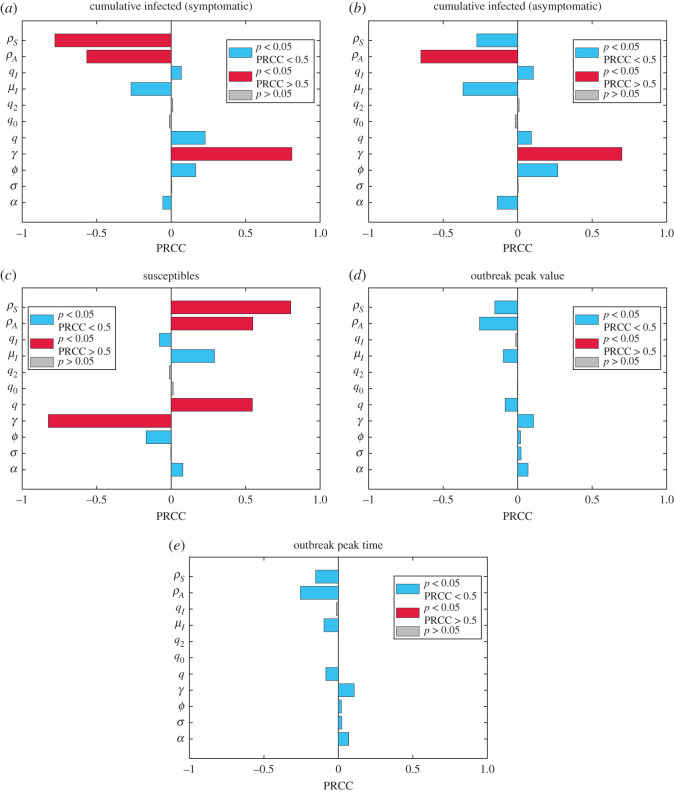
A mathematical model of COVID-19 is presented where the decision to increase or decrease social distancing is modelled dynamically as a function of the measured active and total cases as well as the perceived cost of isolating. Along with the cost of isolation, we define an overburden healthcare cost and a total cost. We explore these costs by adjusting parameters that could change with policy decisions. We observe that two disease prevention practices, namely increasing isolation activity and increasing incentive to isolate do not always lead to optimal health outcomes. We demonstrate that this is due to the fatigue and cost of isolation. We further demonstrate that an increase in the number of lock-downs, each of shorter duration can lead to minimal costs. Our results are compared with case data in Ontario, Canada from March to August 2020 and details of expanding the results to other regions are presented.
本文提出了一种新冠病毒疾病(COVID-19)的数学模型,其中,根据测量的活跃病例数和总病例数以及感知到的隔离成本,动态模拟增加或减少社交距离的决策。除了隔离成本,我们还定义了医疗负担过重成本和总成本。我们通过调整可能随政策决策而变化的参数来探究这些成本。我们观察到,两种疾病预防措施,即增加隔离活动和增加隔离激励措施,并不总是能带来最佳健康结果。我们证明,这是由于隔离的疲劳和成本所致。我们进一步证明,增加封锁次数,且每次封锁持续时间较短,可以使成本降至最低。我们将研究结果与加拿大安大略省2020年3月至8月的病例数据进行了比较,并展示了将结果扩展到其他地区的细节。