Barker Richard, Costes Sylvain V, Miller Jack, Gebre Samrawit G, Lombardino Jonathan, Gilroy Simon
Department of Botany, University of Wisconsin-Madison, Madison, WI, USA.
Space Biosciences Division, NASA Ames Research Center, Mountain View, CA, USA.
NPJ Microgravity. 2021 May 11;7(1):15. doi: 10.1038/s41526-021-00143-x.
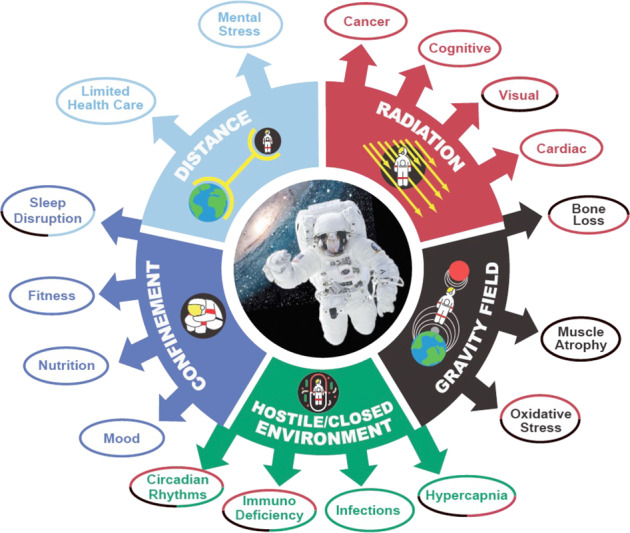
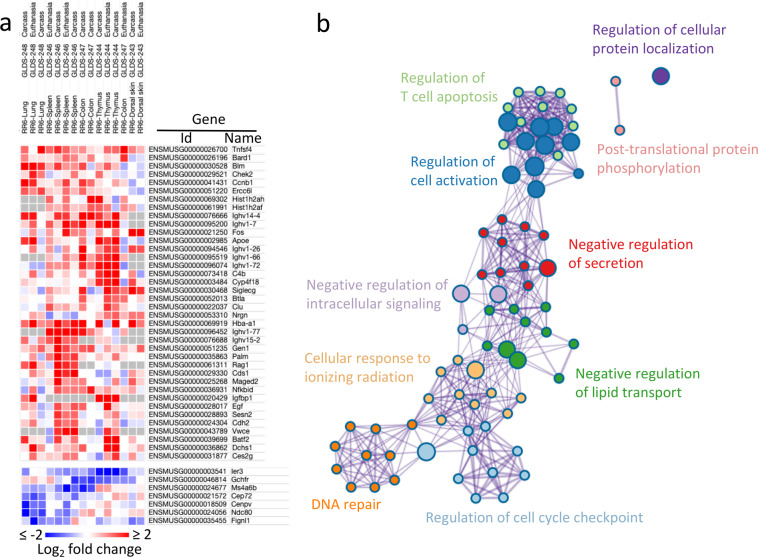
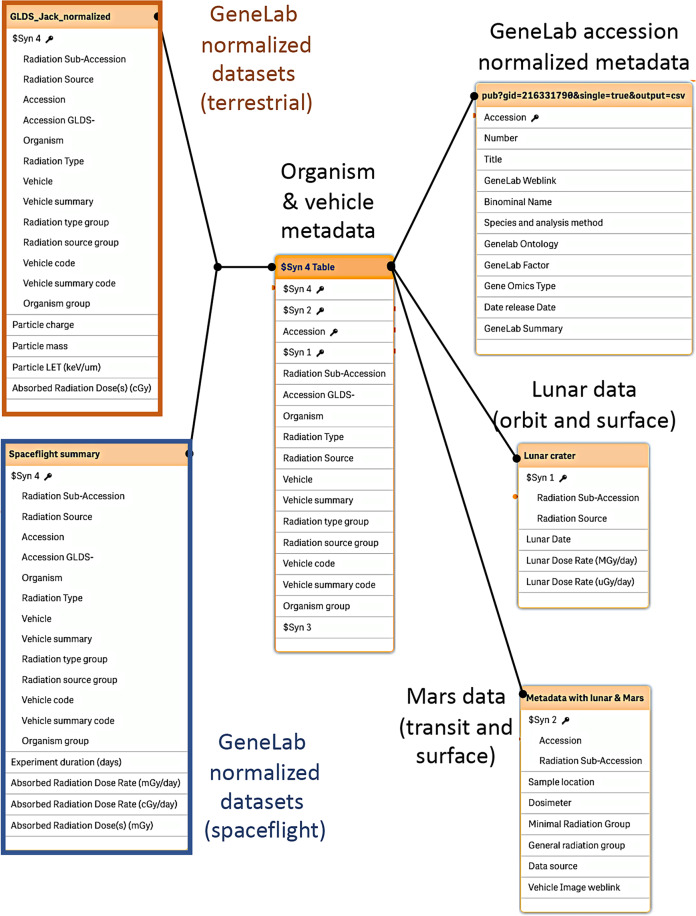
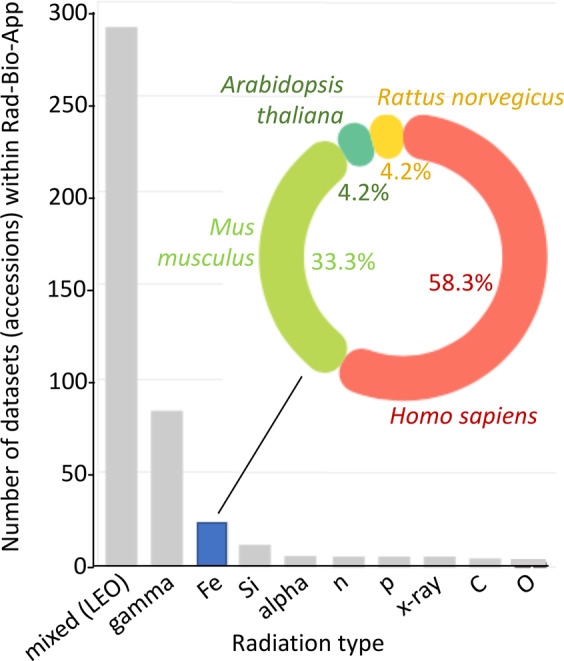
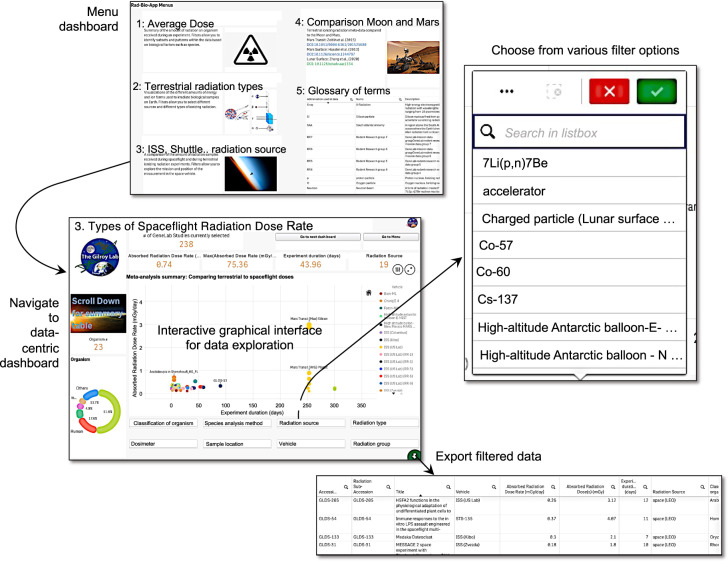
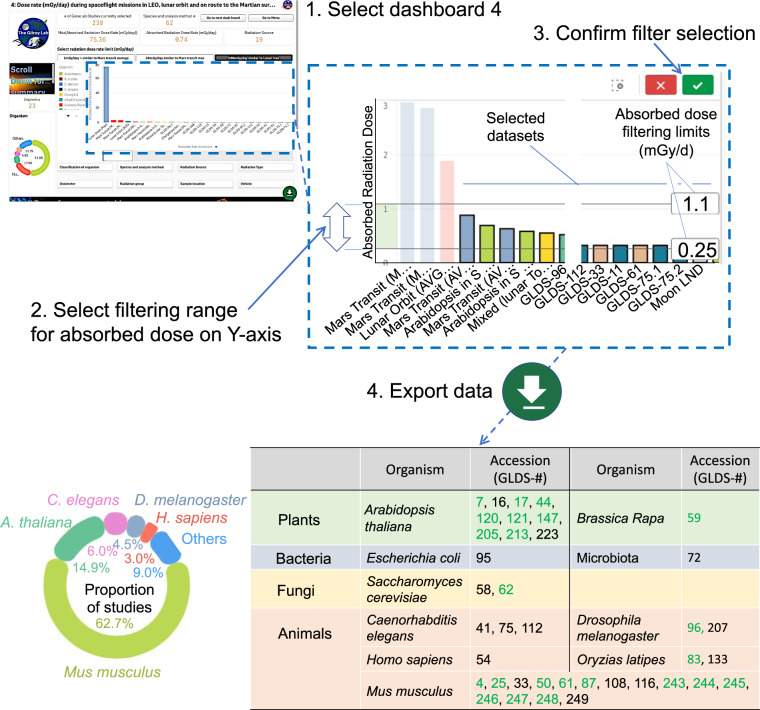
In addition to microgravity, spaceflight simultaneously exposes biology to a suite of other stimuli. For example, in space, organisms experience ionizing radiation environments that significantly differ in both quality and quantity from those normally experienced on Earth. However, data on radiation exposure during space missions is often complex to access and to understand, limiting progress towards defining how radiation affects organisms against the unique background of spaceflight. To help address this challenge, we have developed the Rad-Bio-App. This web-accessible database imports radiation metadata from experiments archived in NASA’s GeneLab data repository, and then allows the user to explore these experiments both in the context of their radiation exposure and through their other metadata and results. Rad-Bio-App provides an easy-to-use, graphically-driven environment to enable both radiation biologists and non-specialist researchers to visualize, and understand the impact of ionizing radiation on various biological systems in the context of spaceflight.
除了微重力外,太空飞行还会使生物体同时受到一系列其他刺激。例如,在太空中,生物体所经历的电离辐射环境在质量和数量上都与地球上通常经历的环境有显著差异。然而,太空任务期间的辐射暴露数据往往难以获取和理解,这限制了我们在确定辐射如何在太空飞行这一独特背景下影响生物体方面取得的进展。为了应对这一挑战,我们开发了Rad-Bio-App。这个可通过网络访问的数据库从美国国家航空航天局基因实验室数据存储库中存档的实验中导入辐射元数据,然后允许用户在辐射暴露的背景下以及通过其他元数据和结果来探索这些实验。Rad-Bio-App提供了一个易于使用的、图形驱动的环境,使辐射生物学家和非专业研究人员都能够可视化并理解电离辐射在太空飞行背景下对各种生物系统的影响。