Overbey Eliah G, Saravia-Butler Amanda M, Zhang Zhe, Rathi Komal S, Fogle Homer, da Silveira Willian A, Barker Richard J, Bass Joseph J, Beheshti Afshin, Berrios Daniel C, Blaber Elizabeth A, Cekanaviciute Egle, Costa Helio A, Davin Laurence B, Fisch Kathleen M, Gebre Samrawit G, Geniza Matthew, Gilbert Rachel, Gilroy Simon, Hardiman Gary, Herranz Raúl, Kidane Yared H, Kruse Colin P S, Lee Michael D, Liefeld Ted, Lewis Norman G, McDonald J Tyson, Meller Robert, Mishra Tejaswini, Perera Imara Y, Ray Shayoni, Reinsch Sigrid S, Rosenthal Sara Brin, Strong Michael, Szewczyk Nathaniel J, Tahimic Candice G T, Taylor Deanne M, Vandenbrink Joshua P, Villacampa Alicia, Weging Silvio, Wolverton Chris, Wyatt Sarah E, Zea Luis, Costes Sylvain V, Galazka Jonathan M
Department of Genome Sciences, University of Washington, Seattle, WA 98195, USA.
Logyx, LLC, Mountain View, CA 94043, USA.
iScience. 2021 Mar 26;24(4):102361. doi: 10.1016/j.isci.2021.102361. eCollection 2021 Apr 23.
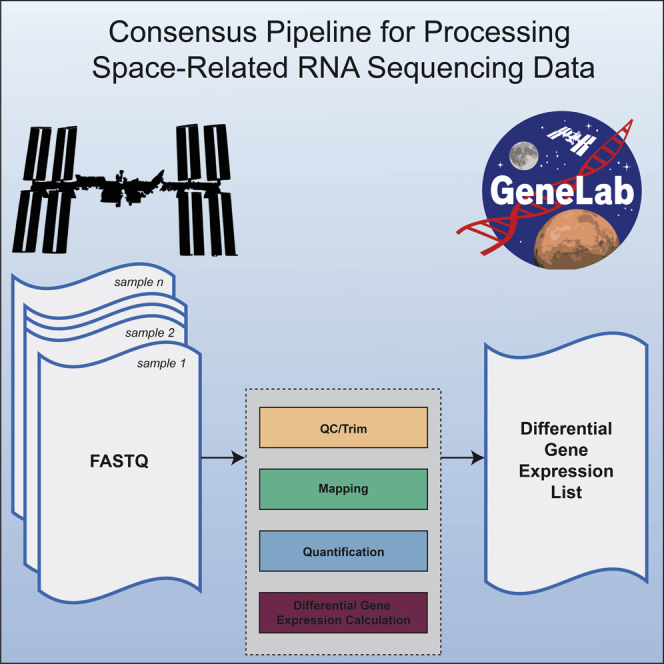
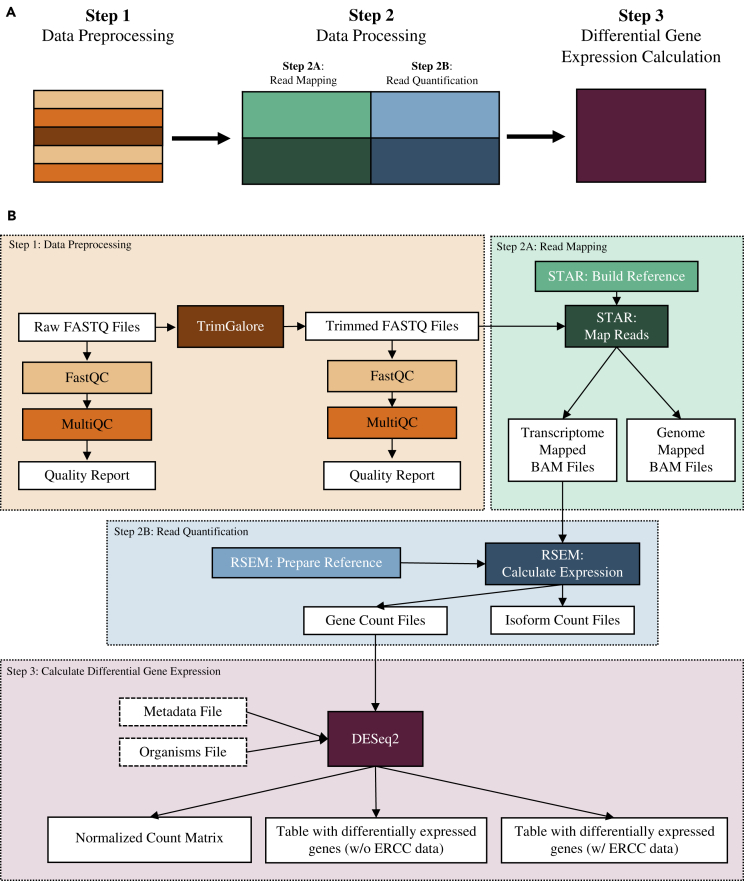
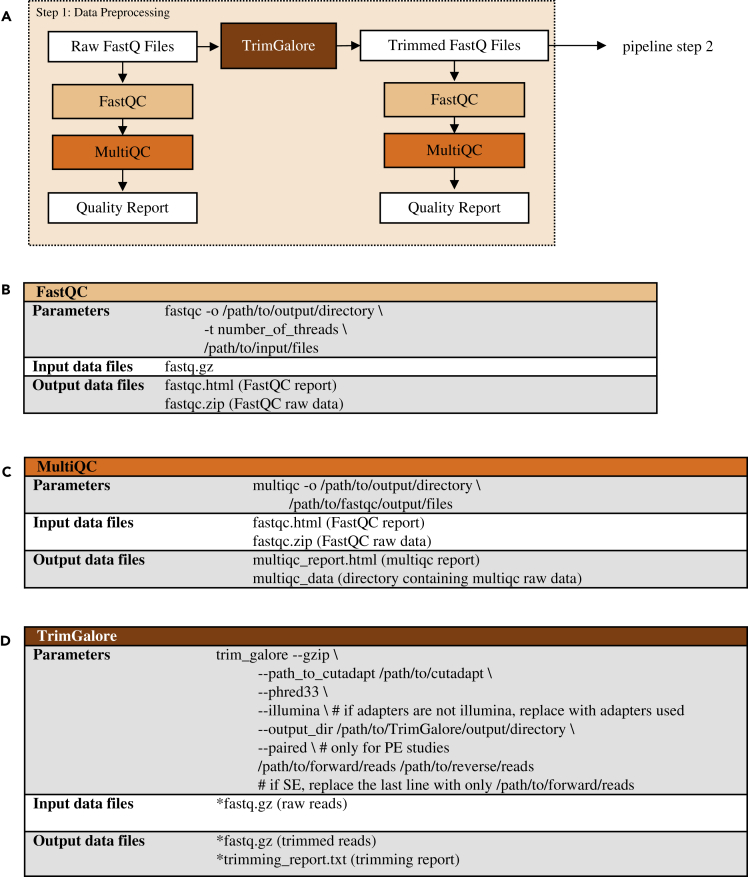
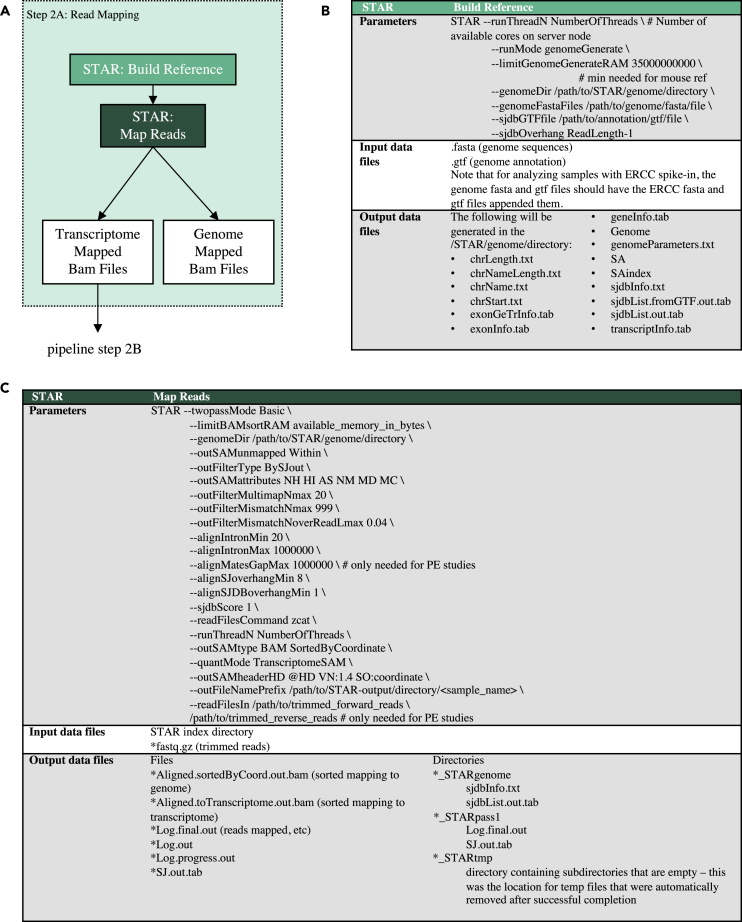
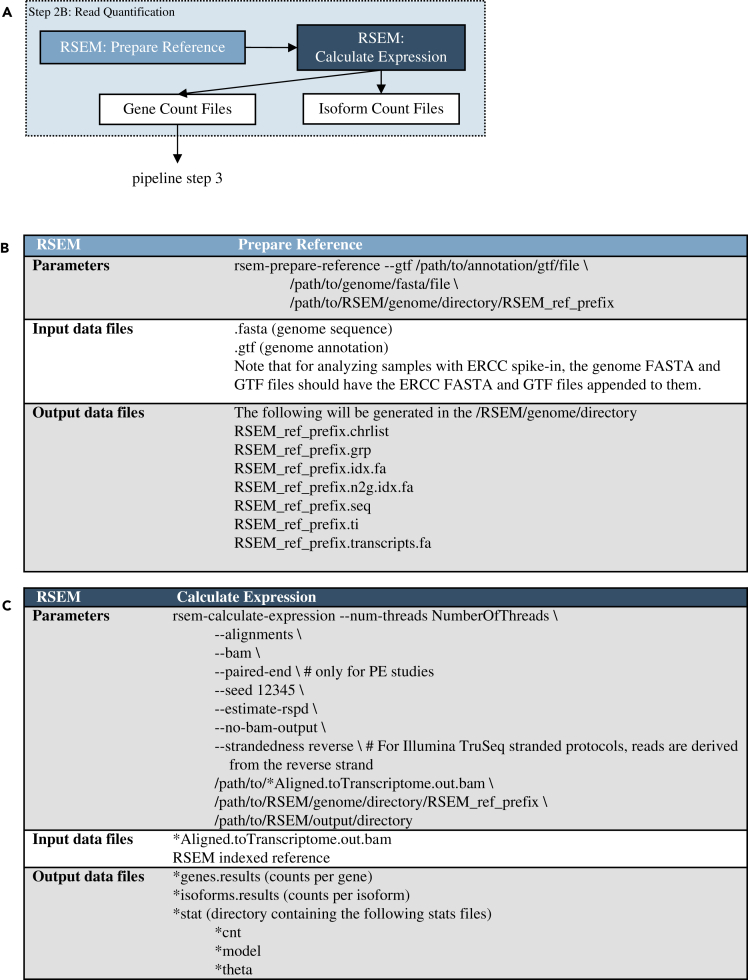
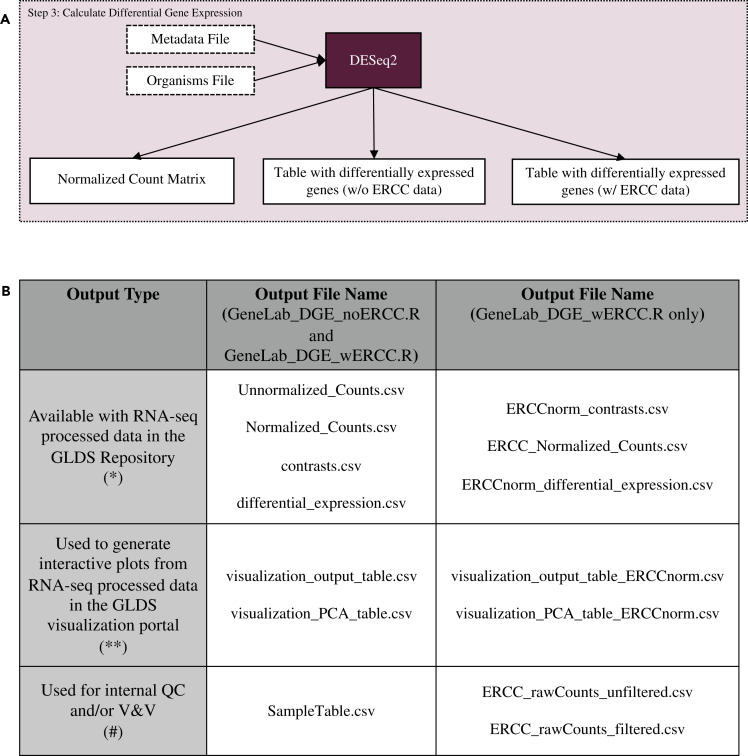
With the development of transcriptomic technologies, we are able to quantify precise changes in gene expression profiles from astronauts and other organisms exposed to spaceflight. Members of NASA GeneLab and GeneLab-associated analysis working groups (AWGs) have developed a consensus pipeline for analyzing short-read RNA-sequencing data from spaceflight-associated experiments. The pipeline includes quality control, read trimming, mapping, and gene quantification steps, culminating in the detection of differentially expressed genes. This data analysis pipeline and the results of its execution using data submitted to GeneLab are now all publicly available through the GeneLab database. We present here the full details and rationale for the construction of this pipeline in order to promote transparency, reproducibility, and reusability of pipeline data; to provide a template for data processing of future spaceflight-relevant datasets; and to encourage cross-analysis of data from other databases with the data available in GeneLab.
随着转录组技术的发展,我们能够量化宇航员和其他暴露于太空飞行的生物体基因表达谱的精确变化。美国国家航空航天局基因实验室(NASA GeneLab)及其相关分析工作组(AWG)的成员已经开发出一种用于分析来自太空飞行相关实验的短读长RNA测序数据的共识流程。该流程包括质量控制、读段修剪、比对和基因定量步骤,最终检测出差异表达基因。这个数据分析流程及其使用提交到基因实验室的数据执行的结果,现在都可以通过基因实验室数据库公开获取。我们在此展示构建此流程的全部细节和基本原理,以提高流程数据的透明度、可重复性和可重用性;为未来与太空飞行相关的数据集的数据处理提供模板;并鼓励将来自其他数据库的数据与基因实验室中的可用数据进行交叉分析。