Hernansanz Iglesias Francisco, Martori Cañas Joan Carles, Limón Ramírez Esther, Alavedra Celada Clara, Blay Pueyo Carles
INSTITUT CATALA DE LA SALUT (ICS), EAP Nord, Sabadell, Spain.
University of Vic - University of Central Catalonia, Spain.
Int J Integr Care. 2021 Apr 19;21(2):4. doi: 10.5334/ijic.5496.
Characterize subgroups of Complex Chronic Patients (CCPs) with cluster analysis from the general practitioner's perspective.
Cross-sectional population-based study.
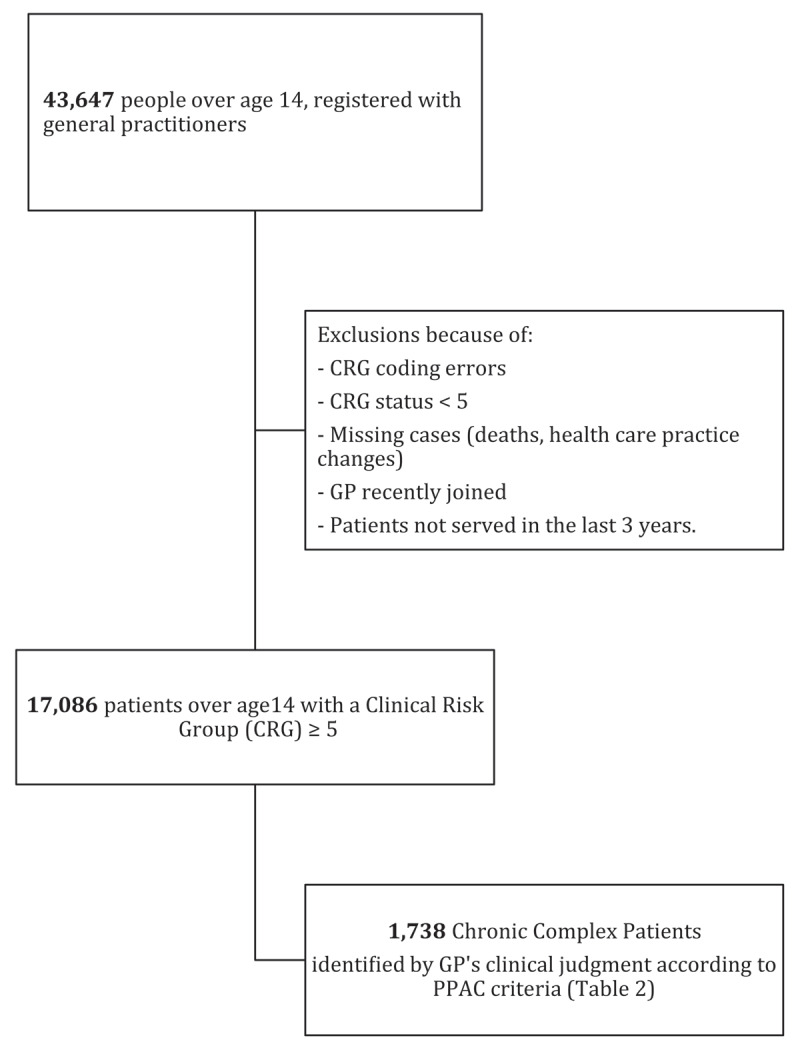
Three Primary Care urban centres for a reference population of 43,647 inhabitants over 14 years old in Sabadell, Catalonia, Spain.
Complexity is defined by the independent clinical judgment of general practitioners with the aid of complexity domains (both clinical and social). We used a Two-Step Cluster method to identify relevant subgroups of CCPs.
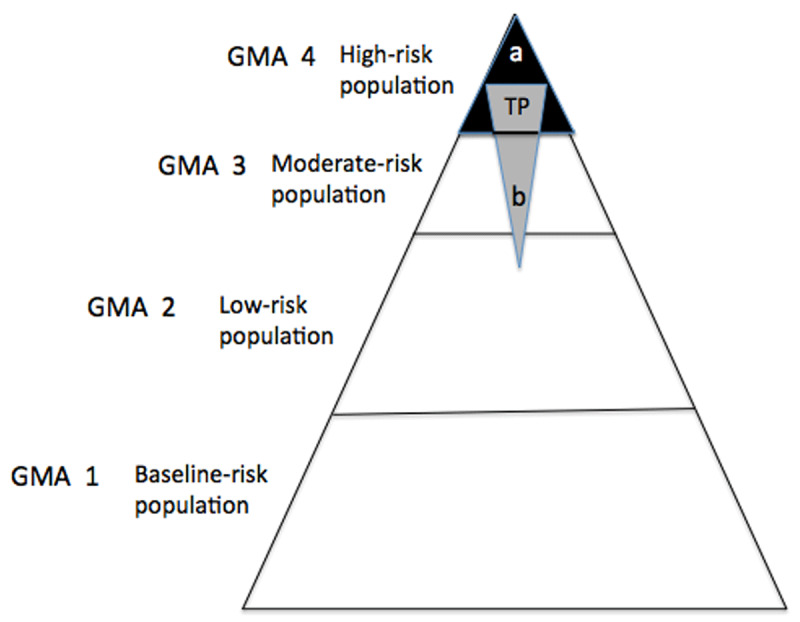
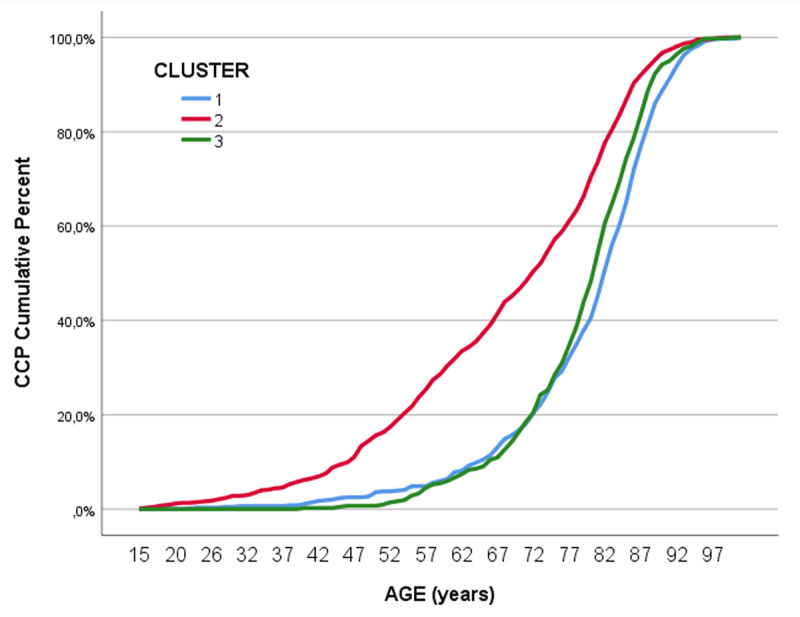
Three relevant subgroups were identified. The first one was mainly managed by primary care professionals, and 63% of its CCPs belonged to the high-risk stratum of the Adjusted Morbidity Groups (GMA). The second subgroup included younger patients than the other two clusters, and showed the highest ratios of social deprivation and severe mental disease; 48% of its CCPs belonged to the high-risk stratum of the GMA. A third cluster included patients who belonged to the high-risk stratum of the GMA. Their age was similar to that of the patients in the first cluster, but they showed the highest values in the following areas: (i) risk of admission; (ii) proportion of advanced chronic disease and limited-life prognosis; (iii) functional loss and (iv) geriatric syndromes, along with special uncertainty in decision-making and clinical management.
Characterization of CCPs shows clearly distinct profiles of needs, which provides an improved epidemiological picture by identifying clusters of patients who are likely to benefit from targeted interventions.
从全科医生的角度,通过聚类分析对复杂慢性病患者(CCP)亚组进行特征描述。
基于人群的横断面研究。
西班牙加泰罗尼亚萨瓦德尔的三个初级保健城市中心,针对43647名14岁以上居民的参考人群。
复杂性由全科医生借助复杂性领域(包括临床和社会领域)进行独立临床判断来定义。我们使用两步聚类法来识别CCP的相关亚组。
识别出三个相关亚组。第一个亚组主要由初级保健专业人员管理,其63%的CCP属于调整后发病组(GMA)的高危层。第二个亚组的患者比其他两个聚类中的患者更年轻,且社会剥夺和严重精神疾病的比例最高;其48%的CCP属于GMA的高危层。第三个聚类包括属于GMA高危层的患者。他们的年龄与第一个聚类中的患者相似,但在以下方面表现出最高值:(i)入院风险;(ii)晚期慢性病和有限生命预后的比例;(iii)功能丧失;(iv)老年综合征,以及决策和临床管理方面的特殊不确定性。
CCP的特征描述显示出明显不同的需求概况,通过识别可能从有针对性干预中受益的患者聚类,提供了更完善的流行病学情况。