Shen Yijing, Xie Yaoyao, Yu Xiuchong, Zhang Shuangshuang, Wen Qiuyan, Ye Guoliang, Guo Junming
Department of Gastroenterology, The Affiliated Hospital of Medical School, Ningbo University, Ningbo 315020, China.
Department of Biochemistry and Molecular Biology, and Zhejiang Key Laboratory of Pathophysiology, School of Medicine, Ningbo University, Ningbo 315211, China.
J Cancer. 2021 Apr 2;12(11):3230-3238. doi: 10.7150/jca.51567. eCollection 2021.
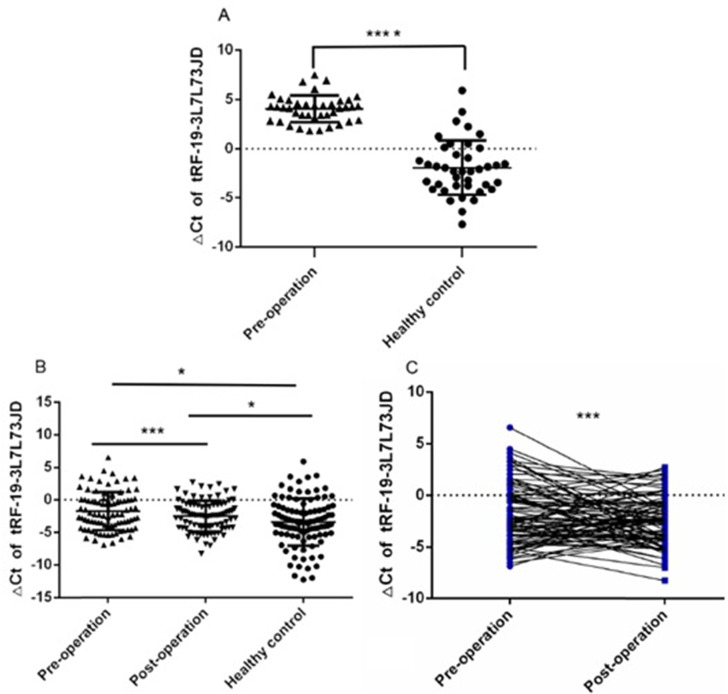
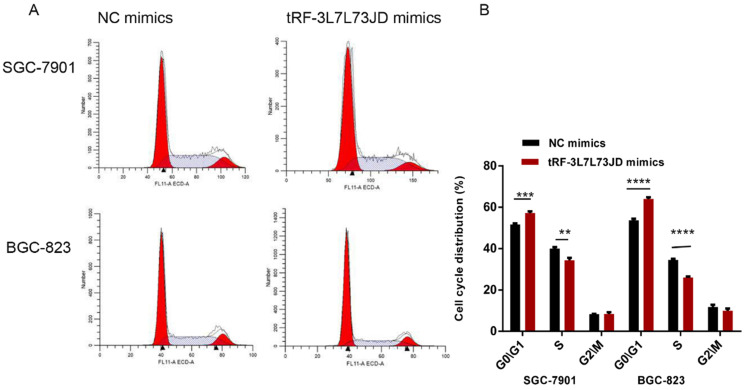
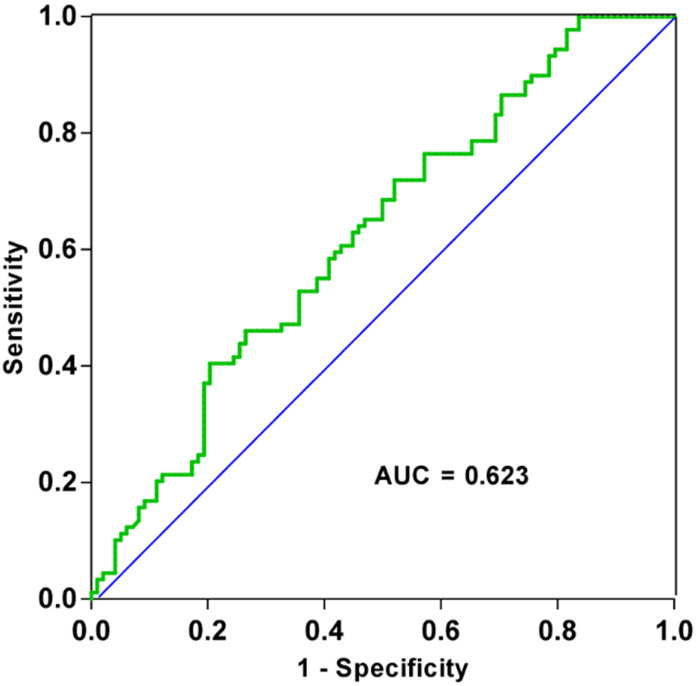
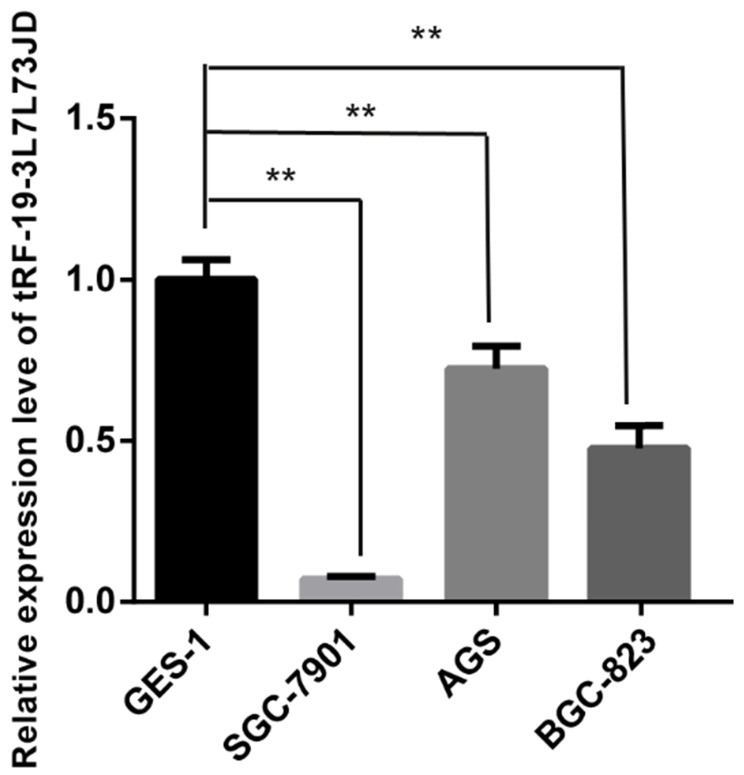
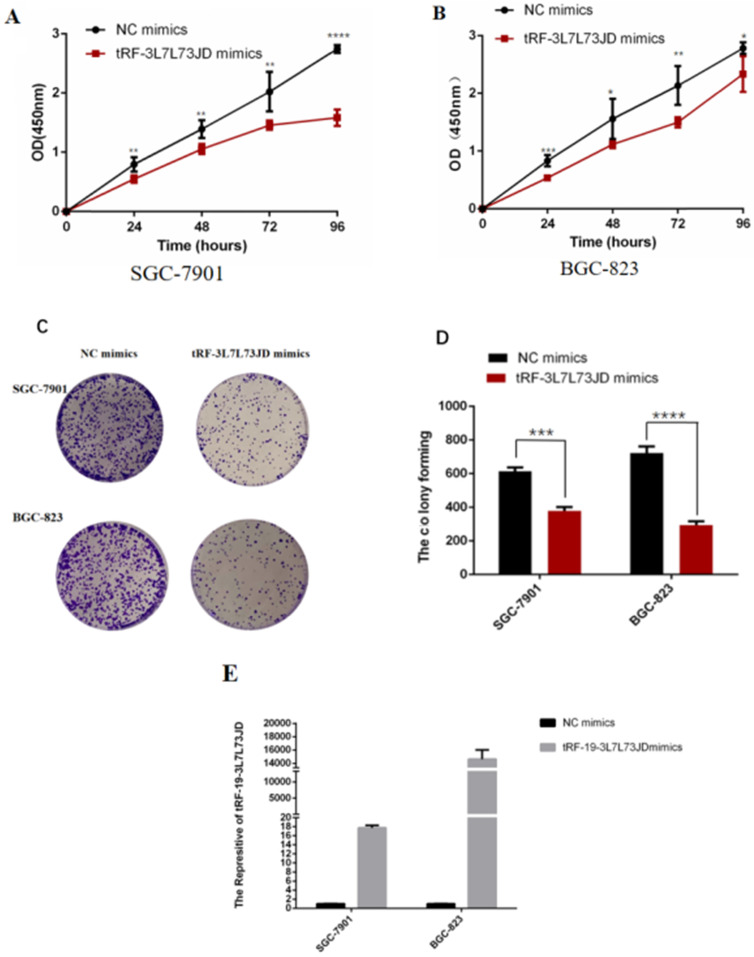
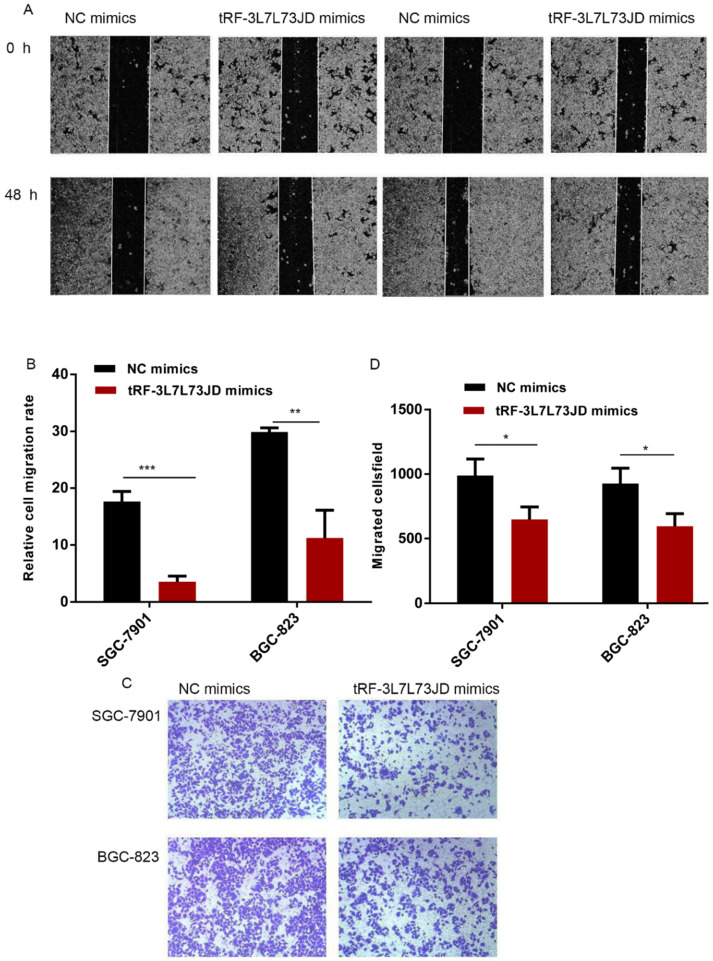
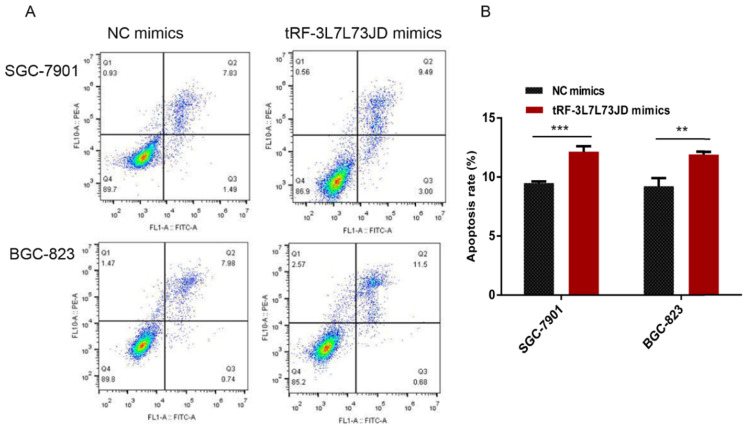
Medicine has made great progress, but gastric cancer is still one of the most common malignant tumors worldwide. tRNA-derived fragments (tRFs), a type of small non-coding RNA, have been found to play important roles in cancers. Due to an abundance of modifications, tRFs have the potential to serve as cancer biomarkers. However, the relationship between tRFs and gastric cancer is still largely unclear. We have identified a new tRF, tRF-19-3L7L73JD, found to be expressed at a lower level in gastric cancer patients than healthy controls. Our study aims to explore the diagnostic value of tRF-19-3L7L73JD screening in gastric cancer and to investigate its effects on the growth of gastric cancer cells. Using quantitative reverse transcription-polymerase chain reaction, we identified tRF-3L7L73JD as differentially expressed in plasma from gastric cancer patients compared to healthy controls. We measured tRF-3L7L73JD levels in plasma from 40 gastric cancer patients and healthy controls. Furthermore, we tested another cohort containing 89 gastric cancer patients and 98 healthy controls to validate our findings. Next, we analyzed the relationship between levels of tRF-19-3L7L73JD in plasma and clinicopathological data of gastric cancer patients, and then evaluated the effects of tRF-19-3L7L73JD on gastric cancer cell growth. Cell proliferation was measured by the Cell Counting Kit-8 and clone formation experiments after transfer with tRF-19-3L7L73JD mimics. The changes in cell migration ability were explored through the scratch and Transwell experiments. Finally, we explored changes in apoptosis and cell cycle by flow cytometry. : tRF-19-3L7L73JD showed lower expression in the tested gastric cancer patients. In the validation cohort tRF-19-3L7L73JD was also expressed at low levels in the pre-operative plasma group compared with healthy plasma and post-operative plasma groups. Additionally, a comparison of gastric cancer cell lines with normal gastric epithelial cell lines produced the same result. We found that tRF-19-3L7L73JD expression in patients was related to tumor size. The area under the curve (AUC) was 0.6230, with sensitivity and specificity of 0.4045 and 0.7959, respectively. Cellular function studies revealed that tRF-19-3L7L73JD inhibited cell proliferation and migration, induced apoptosis, and arrested cells at G/G phases, suggesting it may suppress the development of gastric cancer. : The results suggest that tRF-19-3L7L73JD may be useful as a biomarker of gastric cancer.
医学已取得了巨大进步,但胃癌仍是全球最常见的恶性肿瘤之一。tRNA衍生片段(tRFs)是一类小的非编码RNA,已发现其在癌症中发挥重要作用。由于存在大量修饰,tRFs有潜力作为癌症生物标志物。然而,tRFs与胃癌之间的关系仍很大程度上不清楚。我们鉴定出一种新的tRF,即tRF-19-3L7L73JD,发现其在胃癌患者中的表达水平低于健康对照。我们的研究旨在探讨tRF-19-3L7L73JD筛查在胃癌中的诊断价值,并研究其对胃癌细胞生长的影响。通过定量逆转录-聚合酶链反应,我们鉴定出tRF-3L7L73JD在胃癌患者血浆中与健康对照相比存在差异表达。我们测量了40例胃癌患者和健康对照血浆中的tRF-3L7L73JD水平。此外,我们测试了另一个包含89例胃癌患者和98例健康对照的队列以验证我们的发现。接下来,我们分析了血浆中tRF-19-3L7L73JD水平与胃癌患者临床病理数据之间的关系,然后评估了tRF-19-3L7L73JD对胃癌细胞生长的影响。在用tRF-19-3L7L73JD模拟物转染后,通过细胞计数试剂盒-8和克隆形成实验测量细胞增殖。通过划痕实验和Transwell实验探索细胞迁移能力的变化。最后,我们通过流式细胞术探索细胞凋亡和细胞周期的变化。:tRF-19-3L7L73JD在测试的胃癌患者中表达较低。在验证队列中,与健康血浆组和术后血浆组相比,术前血浆组中tRF-19-3L7L73JD也低水平表达。此外,胃癌细胞系与正常胃上皮细胞系的比较产生了相同的结果。我们发现患者中tRF-19-3L7L73JD的表达与肿瘤大小有关。曲线下面积(AUC)为0.6230,敏感性和特异性分别为0.4045和0.7959。细胞功能研究表明,tRF-19-3L7L73JD抑制细胞增殖和迁移,诱导细胞凋亡,并使细胞停滞在G/G期,表明它可能抑制胃癌的发展。:结果表明,tRF-19-3L7L73JD可能作为胃癌的生物标志物有用。