Department of Electronics and Computer Engineering, Chonnam National University, Gwangju, South Korea.
Department of Forensic Medicine, Chonnam National University, Gwangju, South Korea.
PLoS One. 2021 May 12;16(5):e0251388. doi: 10.1371/journal.pone.0251388. eCollection 2021.
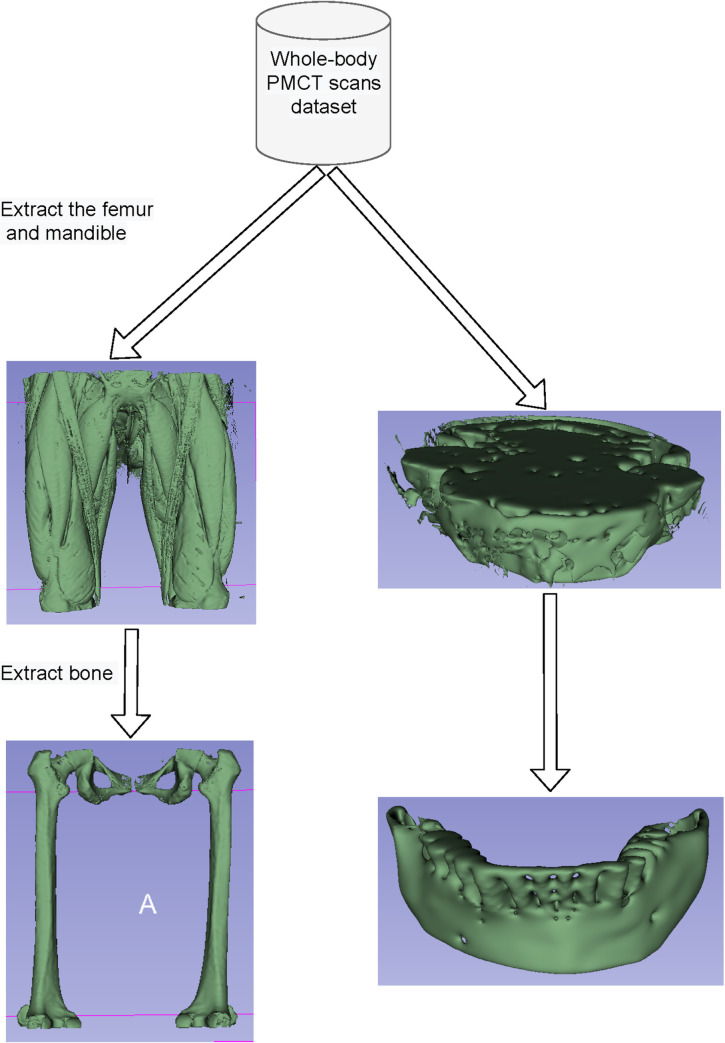
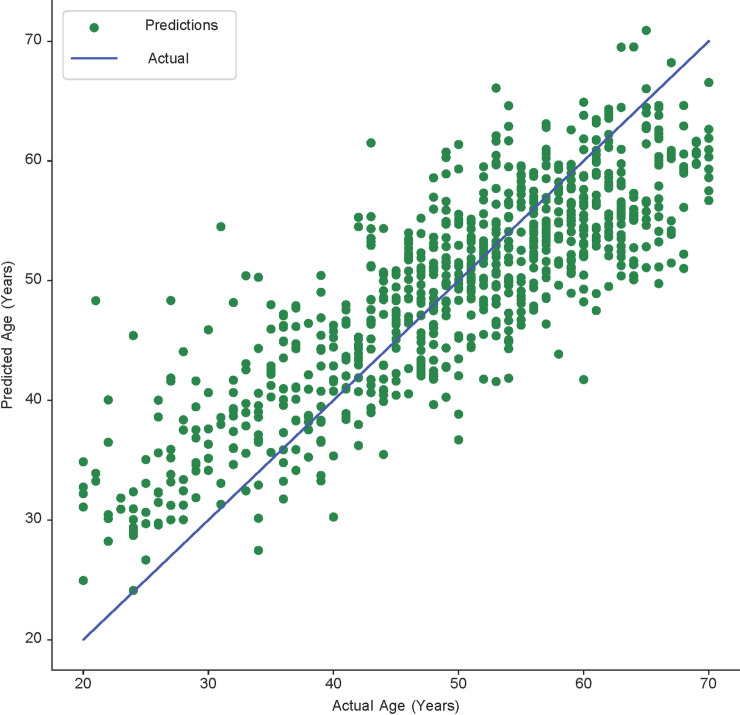
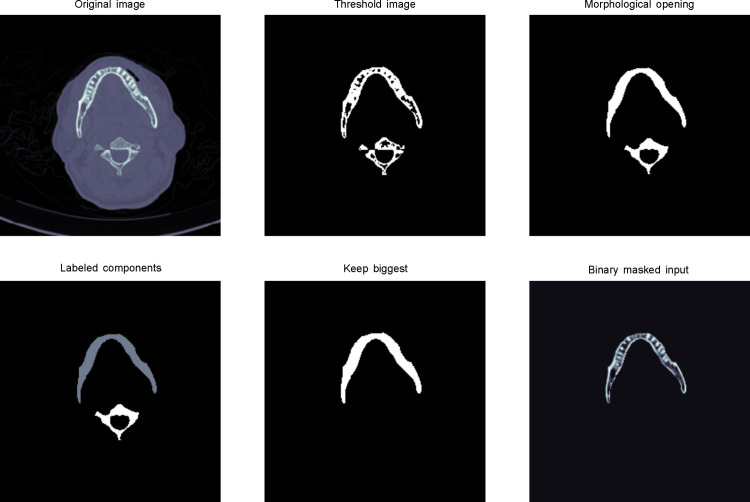
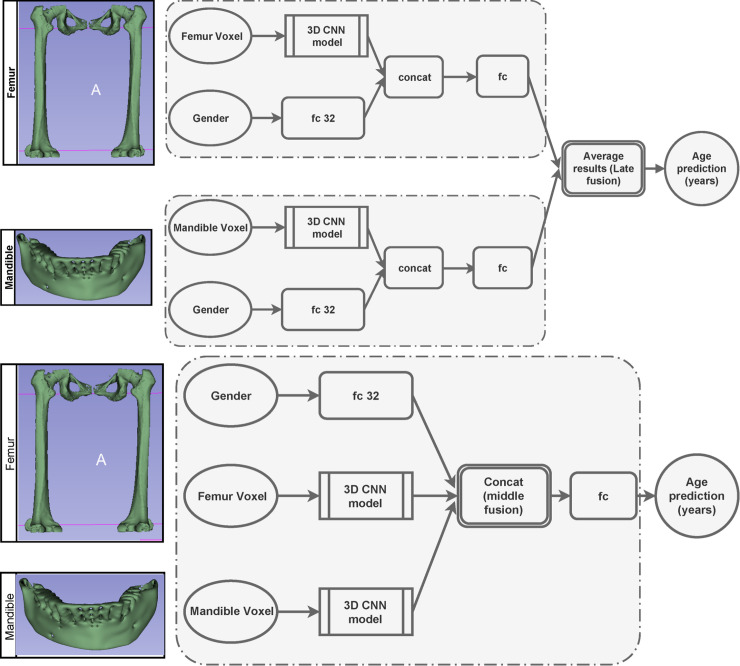
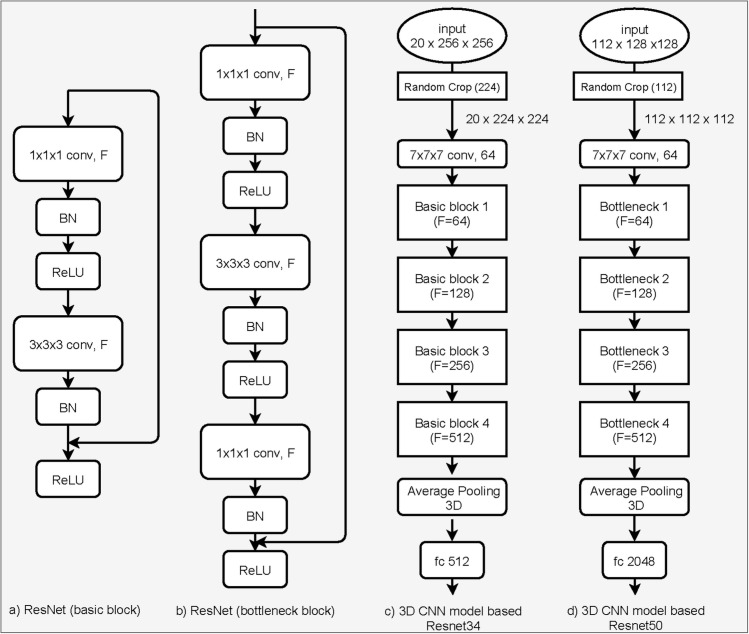
Age assessment has attracted increasing attention in the field of forensics. However, most existing works are laborious and requires domain-specific knowledge. Modern computing power makes it is possible to leverage massive amounts of data to produce more reliable results. Therefore, it is logical to use automated age estimation approaches to handle large datasets. In this study, a fully automated age prediction approach was proposed by assessing 3D mandible and femur scans using deep learning. A total of 814 post-mortem computed tomography scans from 619 men and 195 women, within the age range of 20-70, were collected from the National Forensic Service in South Korea. Multiple preprocessing steps were applied for each scan to normalize the image and perform intensity correction to create 3D voxels that represent these parts accurately. The accuracy of the proposed method was evaluated by 10-fold cross-validation. The initial cross-validation results illustrated the potential of the proposed method as it achieved a mean absolute error of 5.15 years with a concordance correlation coefficient of 0.80. The proposed approach is likely to be faster and potentially more reliable, which could be used for age assessment in the future.
年龄评估在法医学领域越来越受到关注。然而,大多数现有工作都很繁琐,需要特定领域的知识。现代计算能力使得利用大量数据来产生更可靠的结果成为可能。因此,使用自动化年龄估计方法来处理大型数据集是合乎逻辑的。在这项研究中,我们提出了一种完全自动化的年龄预测方法,通过使用深度学习评估 3D 下颌骨和股骨扫描来实现。从韩国国家法医服务中心收集了总共 814 例来自 619 名男性和 195 名女性的死后计算机断层扫描,年龄在 20-70 岁之间。对每个扫描进行了多个预处理步骤,以归一化图像并进行强度校正,创建准确表示这些部位的 3D 体素。该方法的准确性通过 10 倍交叉验证进行评估。初步交叉验证结果表明了该方法的潜力,因为它实现了 5.15 年的平均绝对误差和 0.80 的一致性相关系数。该方法可能更快且更可靠,未来可用于年龄评估。