Darawshy Fares, Abu Rmeileh Ayman, Kuint Rottem, Berkman Neville
Institute of Pulmonary Medicine, Hadassah-Hebrew University Medical Center, Jerusalem, Israel
Institute of Pulmonary Medicine, Hadassah-Hebrew University Medical Center, Jerusalem, Israel.
Eur Respir Rev. 2021 May 11;30(160). doi: 10.1183/16000617.0374-2020. Print 2021 Jun 30.
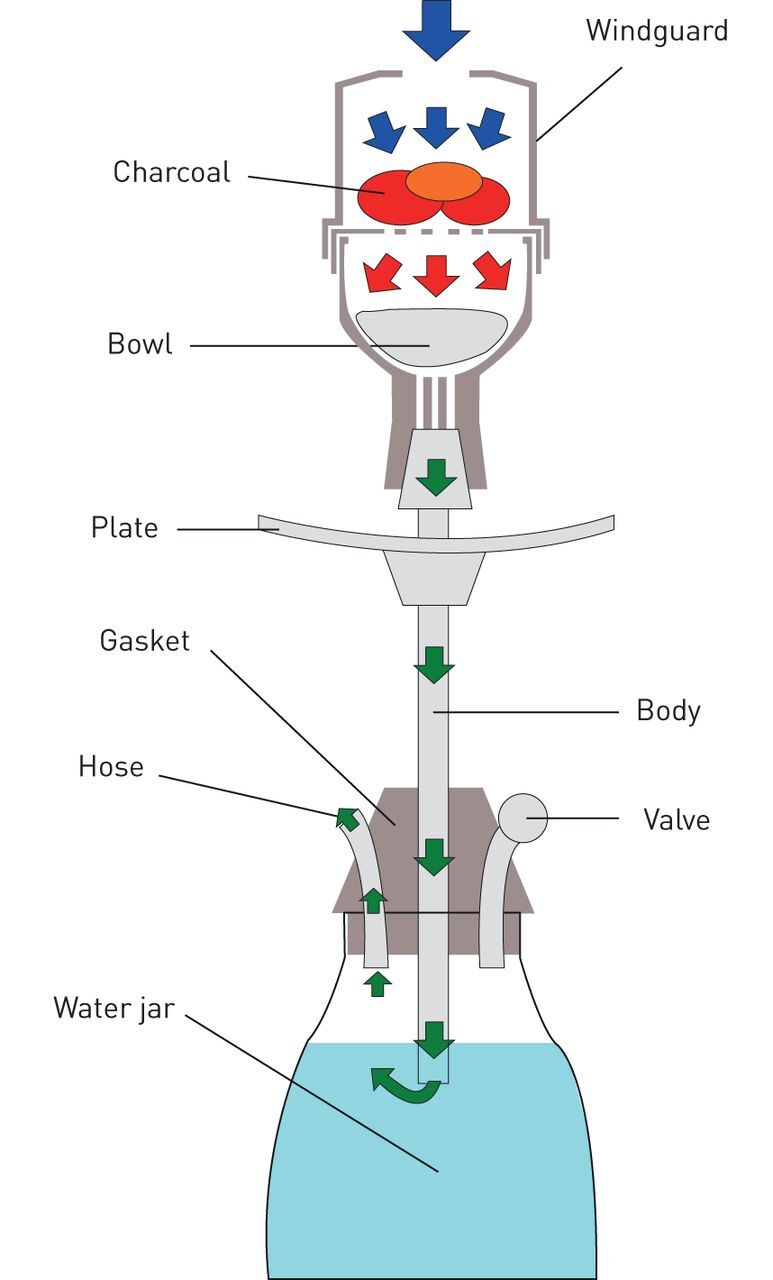
Waterpipe smoking is an old form of tobacco smoking, originating in Persia and the Middle East. The popularity of the waterpipe is increasing worldwide, particularly among young adults, and there are widespread misconceptions regarding its negative health effects. The inhaled smoke of the waterpipe contain several toxic and hazardous materials including nicotine, tar, polyaromatic hydrocarbons and heavy metals, all of which are proven to be related to lung diseases and cancer. Regular waterpipe smoking is associated with respiratory symptoms, a decrease in pulmonary function and increased risk for lung disease such as COPD. Additional negative health effects include increased risk for arterial stiffness, ischaemic heart disease and several cancer types including lung cancer. This review summarises the negative health effects of waterpipe smoking, with emphasis on cardiorespiratory complications. Increased awareness and knowledge amongst healthcare professionals will hopefully help identify waterpipe smokers and promote patient education. Applying World Health Organization (WHO) regulations will provide a synergistic effect in reducing waterpipe use and associated disease.
水烟吸食是一种古老的吸烟方式,起源于波斯和中东地区。水烟在全球范围内的受欢迎程度正在上升,尤其是在年轻人中,并且人们对其负面健康影响存在广泛的误解。水烟吸食所吸入的烟雾含有多种有毒有害物质,包括尼古丁、焦油、多环芳烃和重金属,所有这些都已被证明与肺部疾病和癌症有关。经常吸食水烟会导致呼吸道症状、肺功能下降以及患慢性阻塞性肺疾病等肺部疾病的风险增加。其他负面健康影响还包括动脉僵硬度增加、缺血性心脏病以及包括肺癌在内的多种癌症类型的风险增加。本综述总结了水烟吸食的负面健康影响,重点关注心肺并发症。提高医疗专业人员的认识和知识水平有望有助于识别水烟吸食者并促进患者教育。应用世界卫生组织(WHO)的规定将在减少水烟使用及相关疾病方面产生协同效应。