Hartman Sheri J, Dillon Lindsay W, LaCroix Andrea Z, Natarajan Loki, Sears Dorothy D, Owen Neville, Dunstan David W, Sallis James F, Schenk Simon, Allison Matthew, Takemoto Michelle, Herweck Alexandra M, Nguyen Bao, Rosenberg Dori E
Hebert Wertheim School of Public Health, University of California, San Diego, La Jolla, CA, United States.
Moores Cancer Center, University of California, San Diego, La Jolla, CA, United States.
JMIR Res Protoc. 2021 May 13;10(5):e28684. doi: 10.2196/28684.
Many older adults spend the majority of their waking hours sitting, which increases their risk of chronic diseases. Given the challenges that many older adults face when engaging in moderate-to-vigorous physical activity, understanding the health benefits of decreasing sitting time and increasing the number of sit-to-stand transitions is needed to address this growing public health concern.
The aim of this 3-arm randomized controlled trial is to investigate how changes in sitting time and brief sit-to-stand transitions impact biomarkers of healthy aging and physical, emotional, and cognitive functioning compared with a healthy attention control arm.
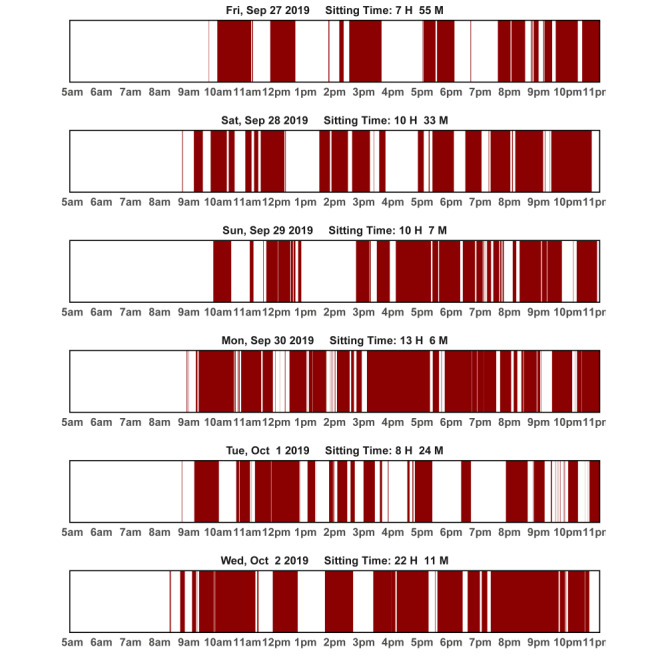
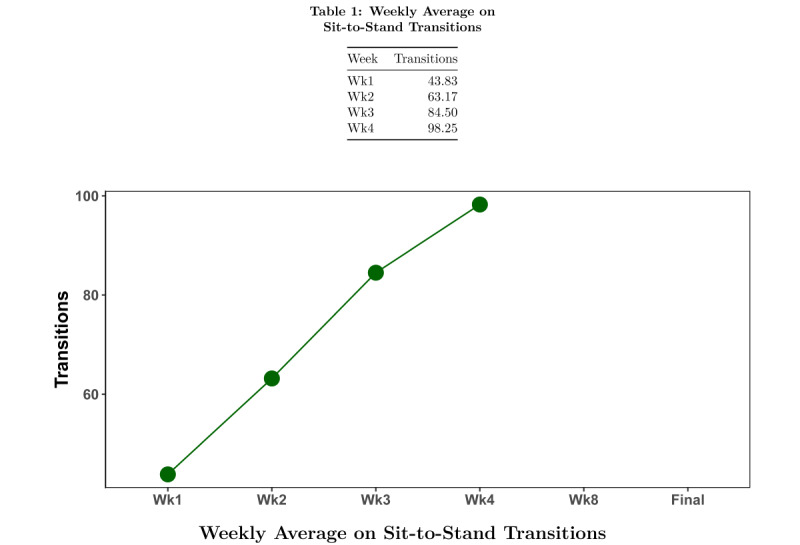
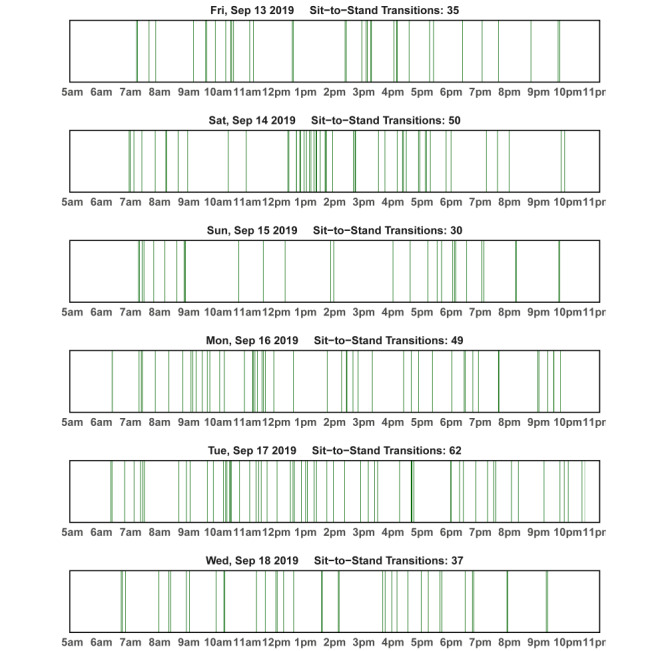
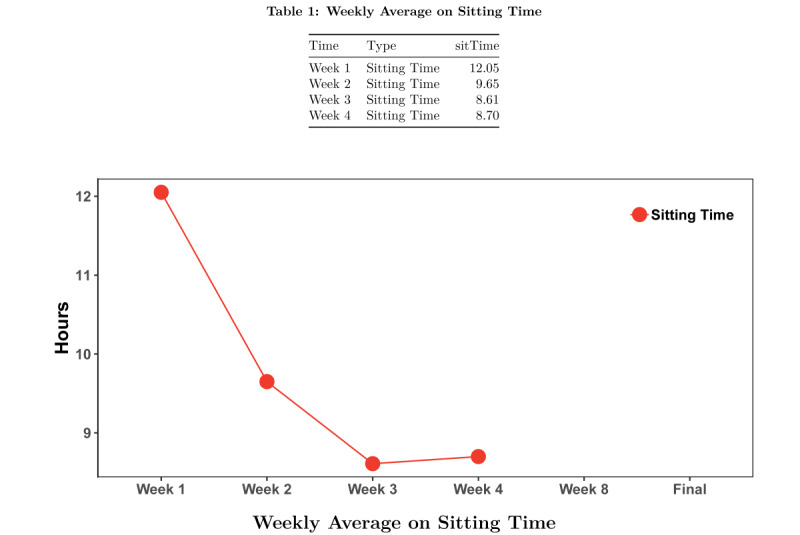
Sedentary and postmenopausal women (N=405) will be recruited and randomly assigned to 1 of the 3 study conditions for 3 months: healthy living attention control (Healthy Living), reduce sitting time (Reduce Sitting), and increase sit-to-stand transitions (Increase Transitions). Assessments conducted at baseline and 3 months included fasting blood draw, blood pressure, anthropometric measurements, physical functioning, cognitive testing, and 7 days of a thigh-worn accelerometer (activPAL) and a hip-worn accelerometer (ActiGraph). Blood-based biomarkers of healthy aging included those associated with glycemic control (glycated hemoglobin, fasting plasma insulin and glucose, and homeostatic model assessment of insulin resistance).
Recruitment began in May 2018. The intervention is ongoing, with data collection expected to continue through the end of 2022.
The Rise for Health study is designed to test whether 2 different approaches to interrupting sitting time can improve healthy aging in postmenopausal women. Results from this study may inform the development of sedentary behavior guidelines and interventions to reduce sitting time in older adults.
ClinicalTrials.gov NCT03473145; https://clinicaltrials.gov/ct2/show/NCT03473145.
INTERNATIONAL REGISTERED REPORT IDENTIFIER (IRRID): DERR1-10.2196/28684.
许多老年人醒着的大部分时间都坐着,这增加了他们患慢性病的风险。鉴于许多老年人在进行中度至剧烈体育活动时面临挑战,有必要了解减少久坐时间和增加坐立转换次数对健康的益处,以应对这一日益严重的公共卫生问题。
这项三臂随机对照试验的目的是研究与健康注意力控制组相比,久坐时间的变化和短暂的坐立转换如何影响健康衰老的生物标志物以及身体、情绪和认知功能。
招募久坐且绝经后的女性(N = 405),并将她们随机分配到三种研究条件中的一种,为期3个月:健康生活注意力控制组(健康生活组)、减少久坐时间组(减少久坐组)和增加坐立转换次数组(增加转换组)。在基线和3个月时进行的评估包括空腹抽血、血压、人体测量、身体功能、认知测试,以及佩戴在大腿上的加速度计(activPAL)和佩戴在臀部的加速度计(ActiGraph)记录的7天数据。健康衰老的血液生物标志物包括与血糖控制相关的指标(糖化血红蛋白、空腹血浆胰岛素和葡萄糖,以及胰岛素抵抗的稳态模型评估)。
招募工作于2018年5月开始。干预正在进行中,预计数据收集将持续到2022年底。
健康提升研究旨在测试两种不同的中断久坐时间的方法是否能改善绝经后女性的健康衰老状况。这项研究的结果可能为制定久坐行为指南和减少老年人久坐时间的干预措施提供参考。
ClinicalTrials.gov NCT03473145;https://clinicaltrials.gov/ct2/show/NCT03473145。
国际注册报告识别码(IRRID):DERR1-10.2196/28684。