Division of Endocrinology, Diabetes and Metabolism, Department of Medicine, University of Miami Miller School of Medicine, Miami, FL, United States.
Front Endocrinol (Lausanne). 2021 Apr 27;12:663022. doi: 10.3389/fendo.2021.663022. eCollection 2021.
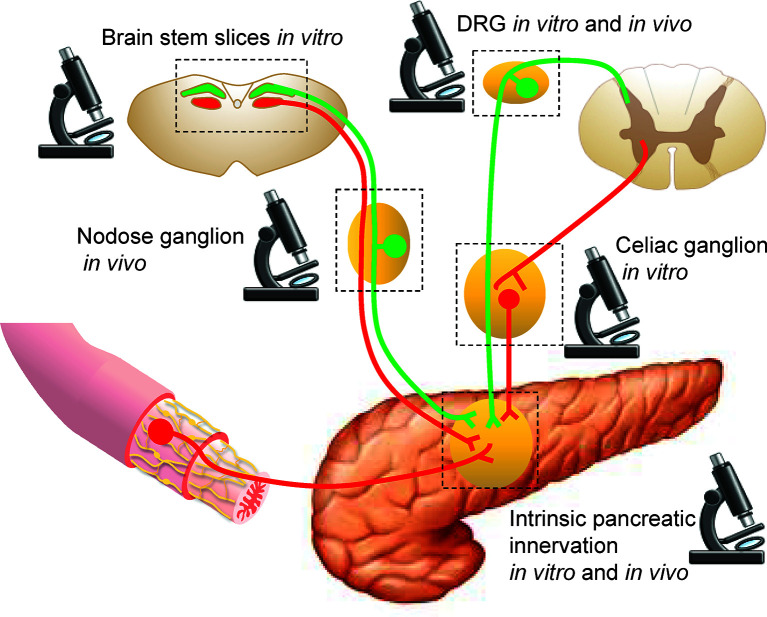
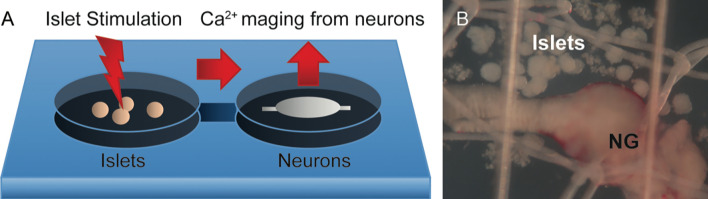
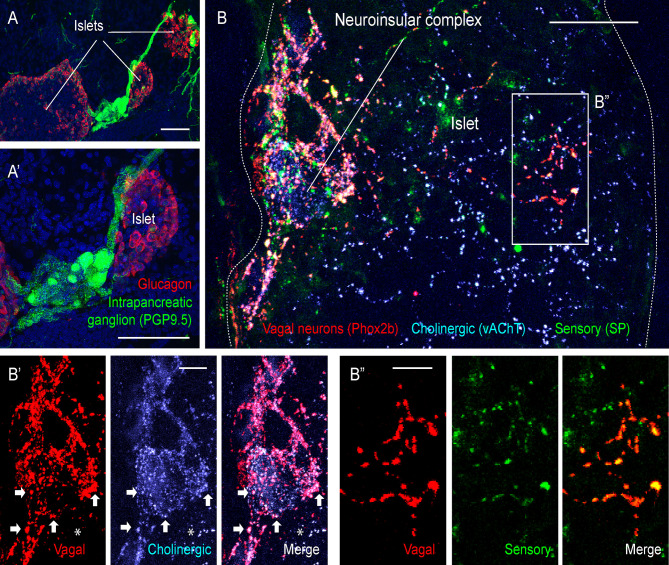
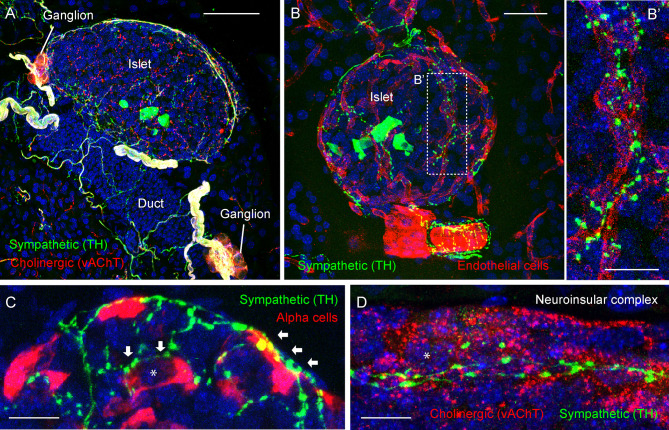
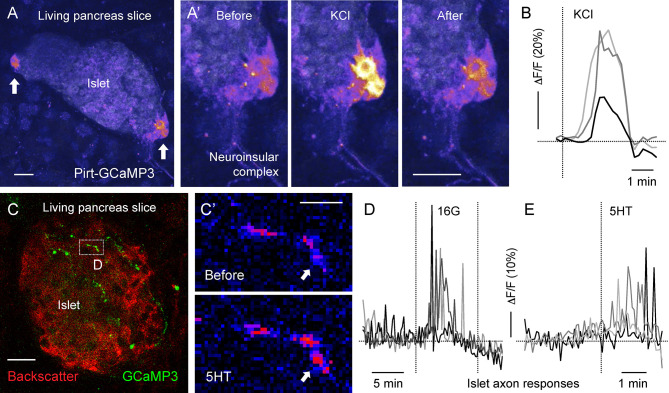
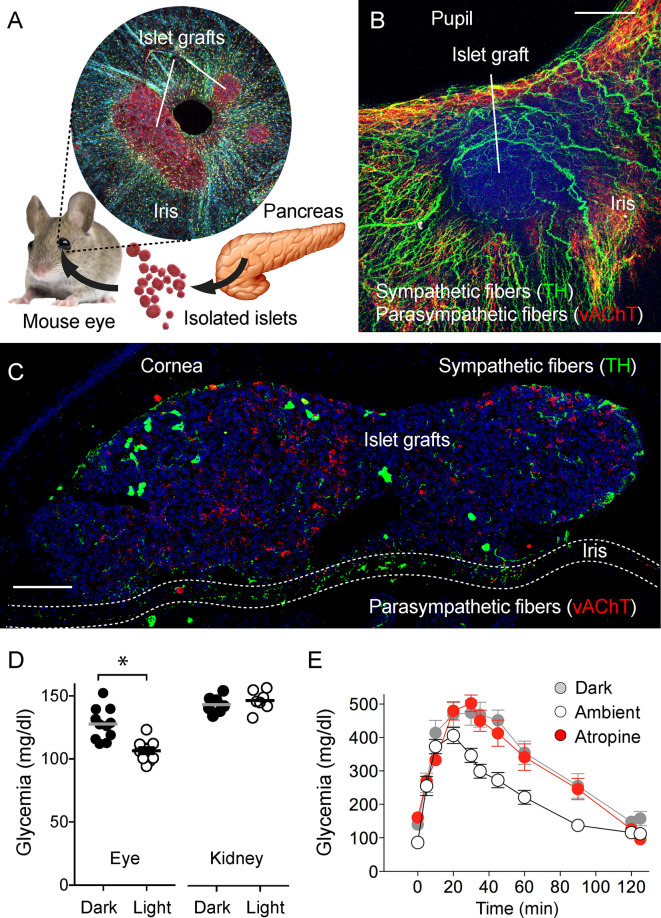
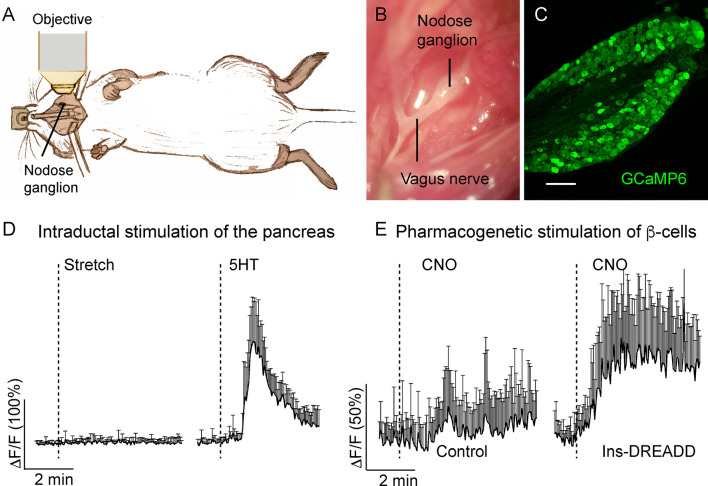
At the time of Ivan Pavlov, pancreatic innervation was studied by looking at pancreas secretions in response to electrical stimulation of nerves. Nowadays we have ways to visualize neuronal activity in real time thanks to advances in fluorescent reporters and imaging techniques. We also have very precise optogenetic and pharmacogenetic approaches that allow neuronal manipulations in a very specific manner. These technological advances have been extensively employed for studying the central nervous system and are just beginning to be incorporated for studying visceral innervation. Pancreatic innervation is complex, and the role it plays in physiology and pathophysiology of the organ is still not fully understood. In this review we highlight anatomical aspects of pancreatic innervation, techniques for pancreatic neuronal labeling, and approaches for imaging pancreatic innervation and .
在伊万·巴甫洛夫 (Ivan Pavlov) 的时代,人们通过观察电刺激神经时胰腺分泌物的反应来研究胰腺神经支配。如今,由于荧光报告基因和成像技术的进步,我们有了实时可视化神经元活动的方法。我们还有非常精确的光遗传学和遗传药理学方法,可以非常特异性地进行神经元操作。这些技术进步已被广泛用于研究中枢神经系统,并且刚刚开始被用于研究内脏神经支配。胰腺神经支配很复杂,其在器官生理学和病理生理学中的作用尚不完全清楚。在这篇综述中,我们强调了胰腺神经支配的解剖学方面、胰腺神经元标记的技术以及胰腺神经支配成像的方法。