Bulut Hatice, Gölgeli Meltem, Atay Fatihcan M
Department of Mathematics, TOBB University of Economics and Technology, Ankara, Turkey.
Department of Mathematics, Bilkent University, Ankara, Turkey.
Nonlinear Dyn. 2021;105(1):957-969. doi: 10.1007/s11071-021-06320-7. Epub 2021 May 11.
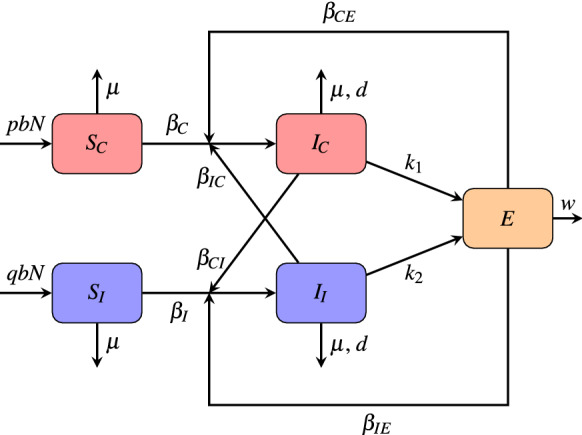
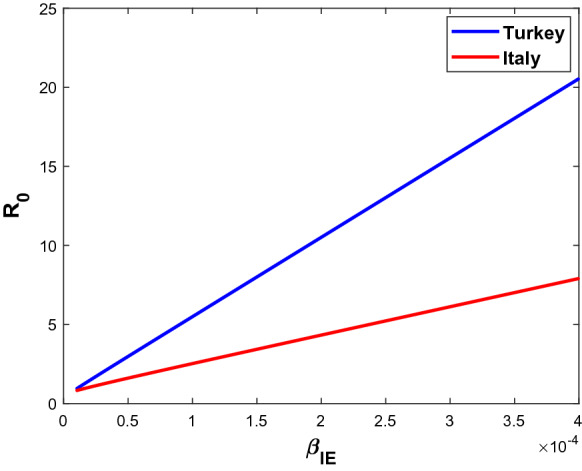
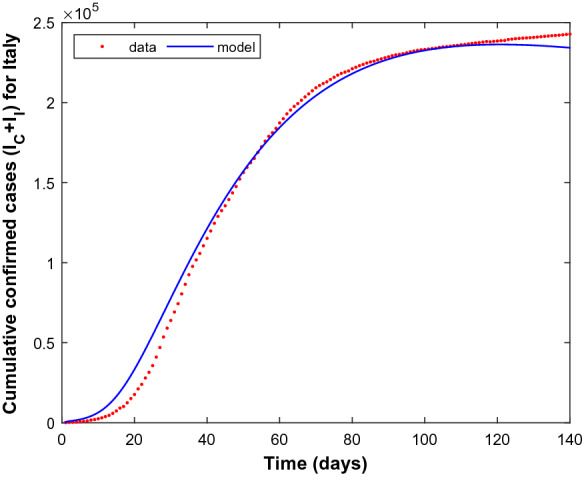
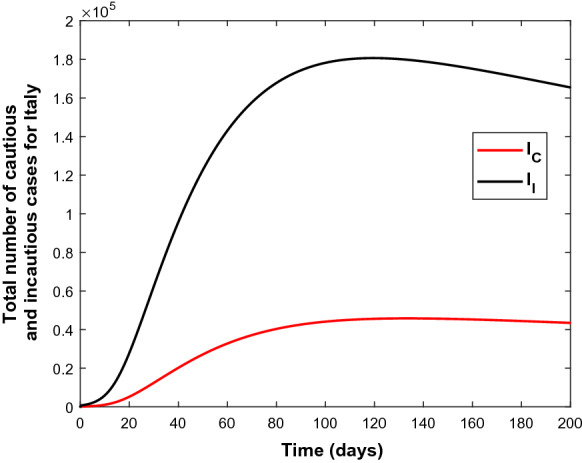
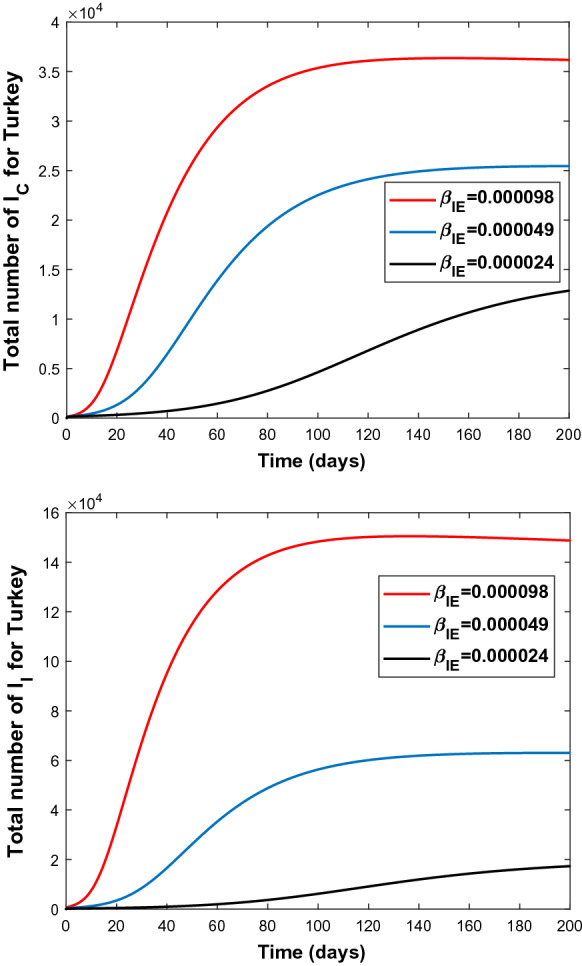
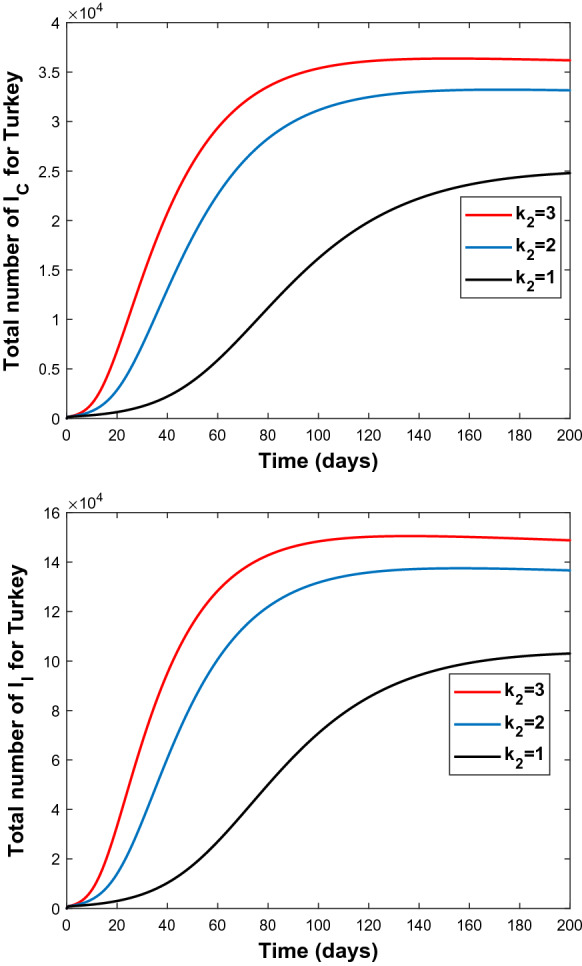
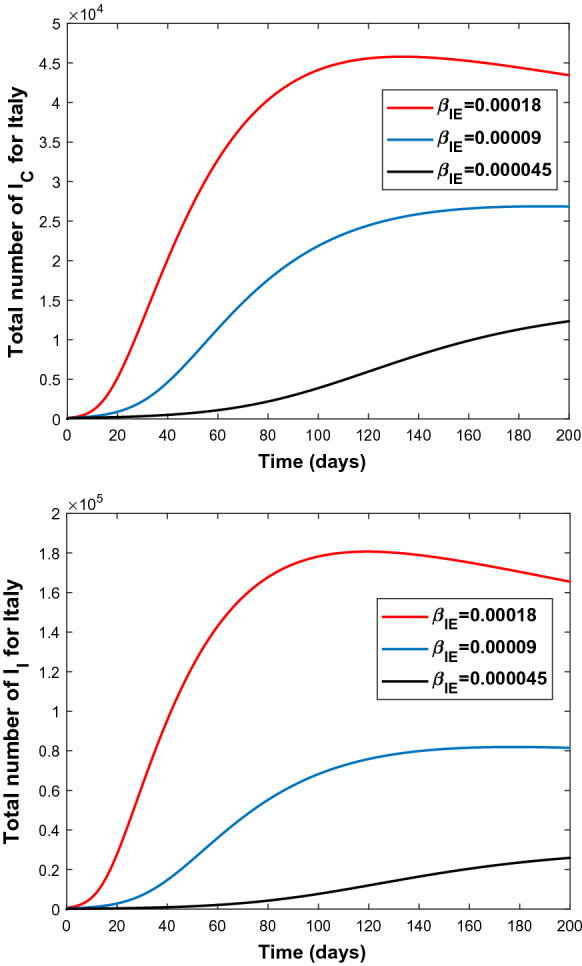
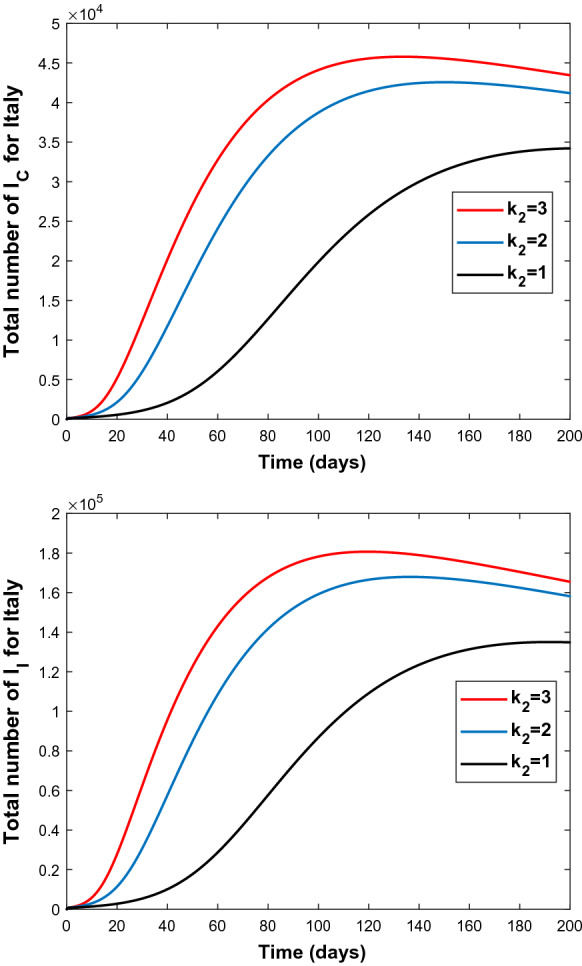
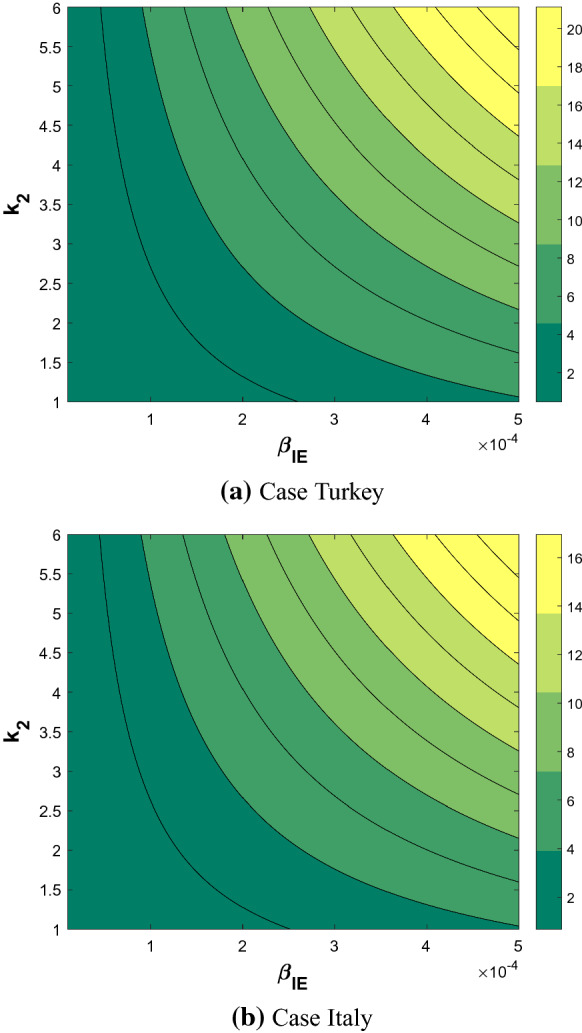
Although policy makers recommend or impose various standard measures, such as social distancing, movement restrictions, wearing face masks and washing hands, against the spread of the SARS-CoV-2 pandemic, individuals follow these measures with varying degrees of meticulousness, as the perceptions regarding the impending danger and the efficacy of the measures are not uniform within a population. In this paper, a compartmental mathematical model is presented that takes into account the importance of personal (as evidenced, for example, by personal hygiene habits and carefully following the rules) during the COVID-19 pandemic. Two countries, Turkey and Italy, are studied in detail, as they share certain social commonalities by their Mediterranean cultural codes. A mathematical analysis of the model is performed to find the equilibria and their local stability, focusing on the transmission parameters and investigating the sensitivity with respect to the parameters. Focusing on the (assumed) viral exposure rate, possible scenarios for the spread of COVID-19 are examined by varying the viral exposure of incautious people to the environment. The presented results emphasize and quantify the importance of personal cautiousness in the spread of the disease.
尽管政策制定者推荐或强制实施各种标准措施,如社交距离、行动限制、佩戴口罩和洗手,以对抗SARS-CoV-2大流行的传播,但由于人群中对即将到来的危险和这些措施有效性的认知并不统一,个体遵守这些措施的细致程度各不相同。本文提出了一个分区数学模型,该模型考虑了在COVID-19大流行期间个人因素(例如个人卫生习惯和严格遵守规则所体现的)的重要性。对土耳其和意大利这两个国家进行了详细研究,因为它们受地中海文化规范影响,有某些社会共性。对该模型进行数学分析以找到平衡点及其局部稳定性,重点关注传播参数并研究对这些参数的敏感性。以(假设的)病毒暴露率为重点,通过改变粗心人群对环境的病毒暴露情况,研究了COVID-19传播的可能情形。给出的结果强调并量化了个人谨慎在疾病传播中的重要性。