Hu Tianqing, Khishe Mohammad, Mohammadi Mokhtar, Parvizi Gholam-Reza, Taher Karim Sarkhel H, Rashid Tarik A
College of Computer Science and Technology, Henan Polytechnic University, Jiaozuo City, Henan Province, China.
Department of Electronic Engineering Imam Khomeini Marine Science University, Nowshahr, Iran.
Biomed Signal Process Control. 2021 Jul;68:102764. doi: 10.1016/j.bspc.2021.102764. Epub 2021 May 11.
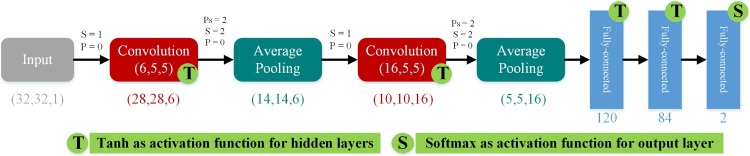
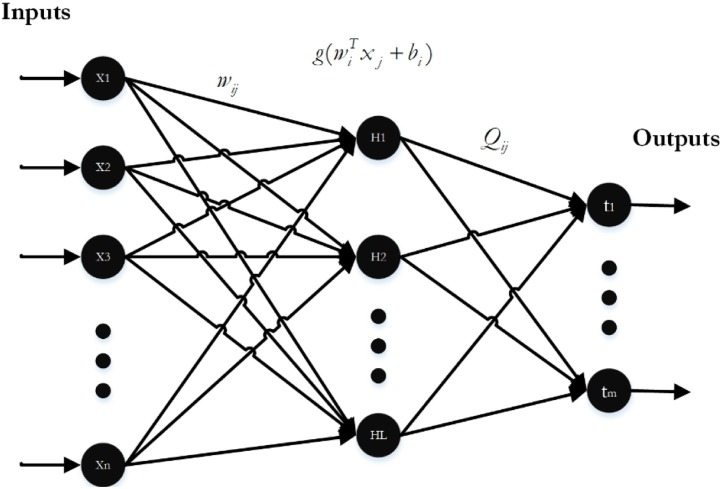
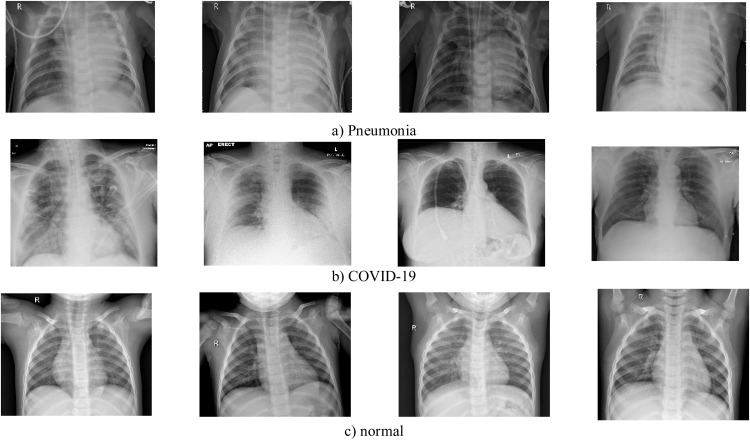
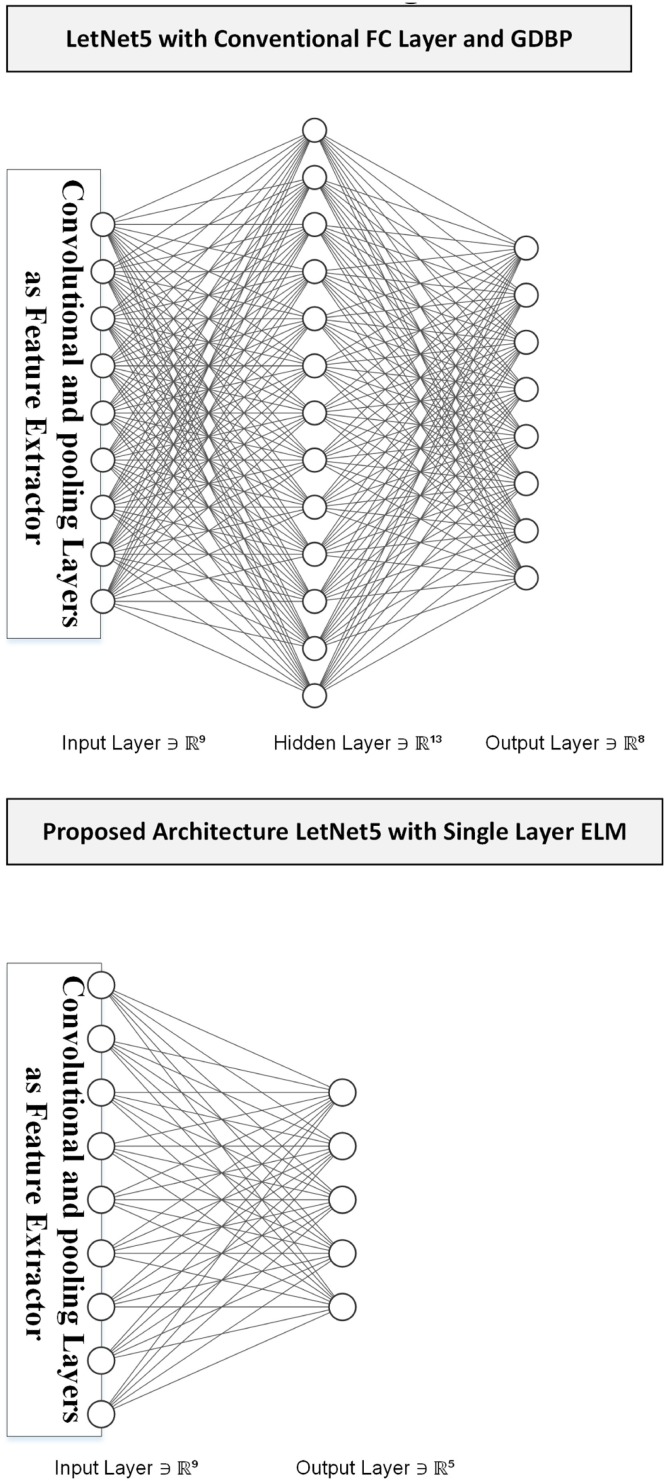
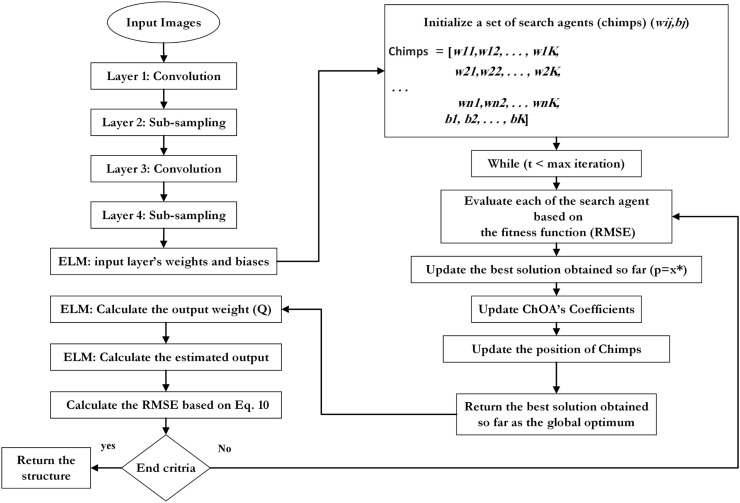
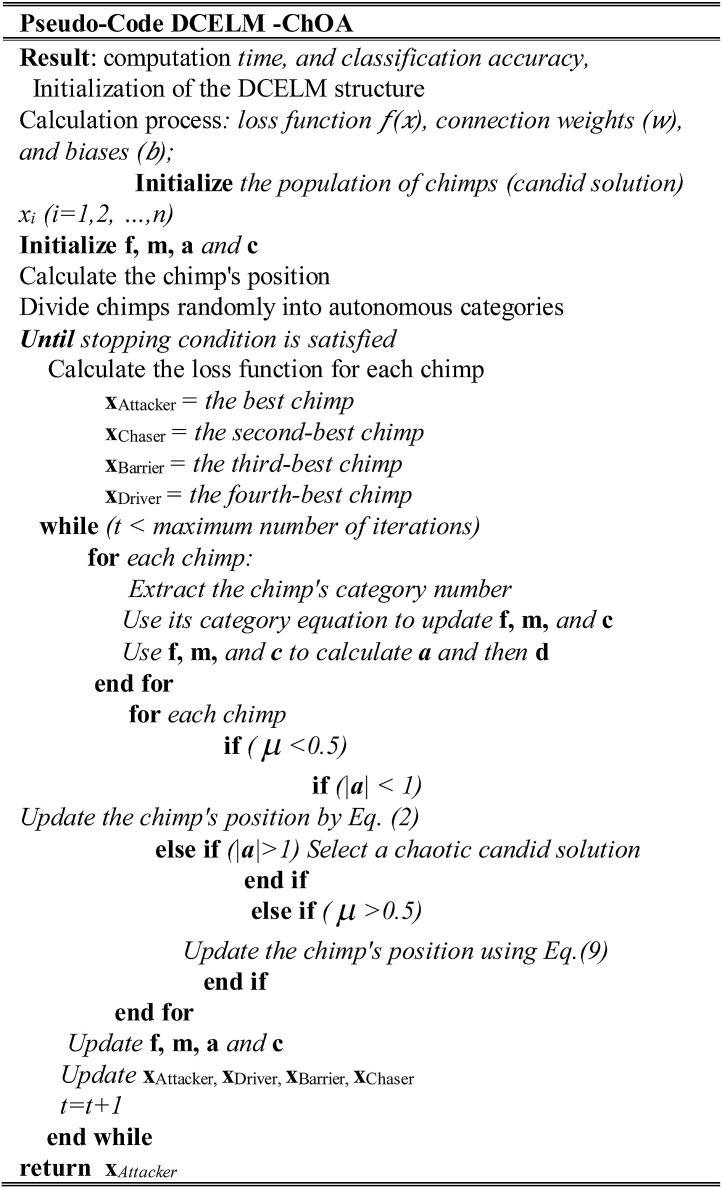
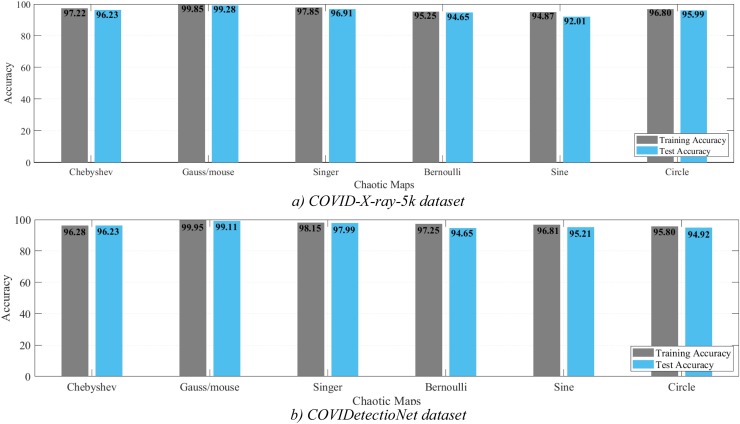
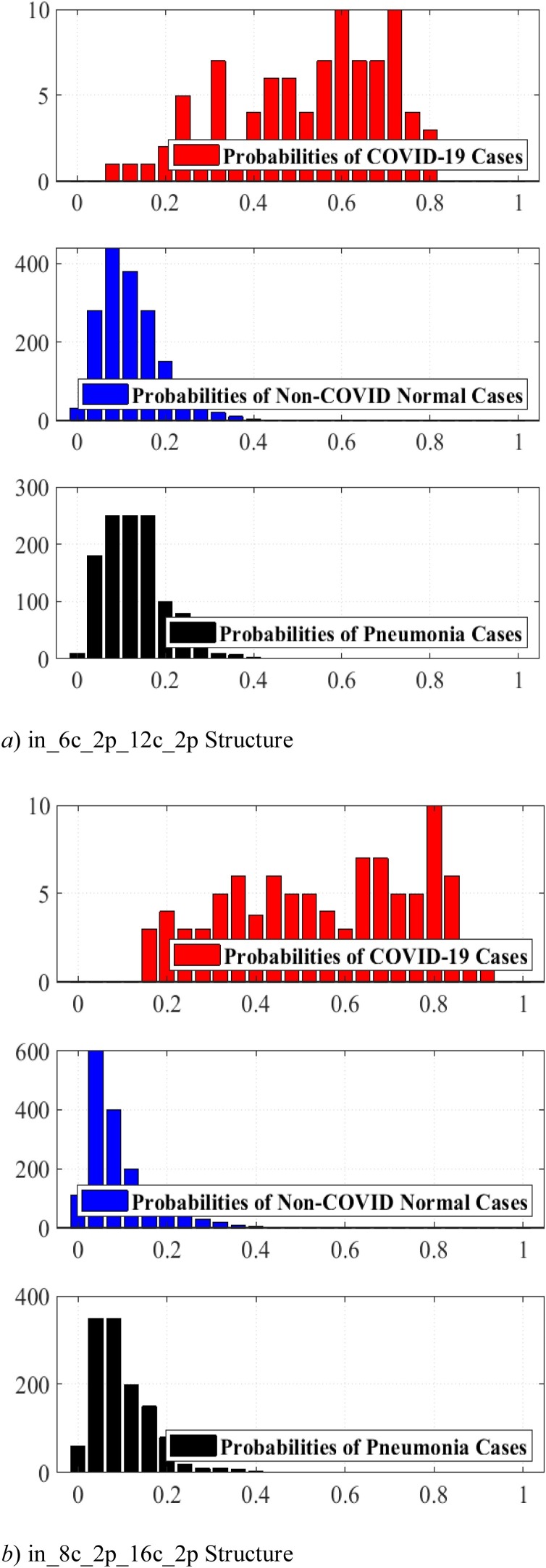
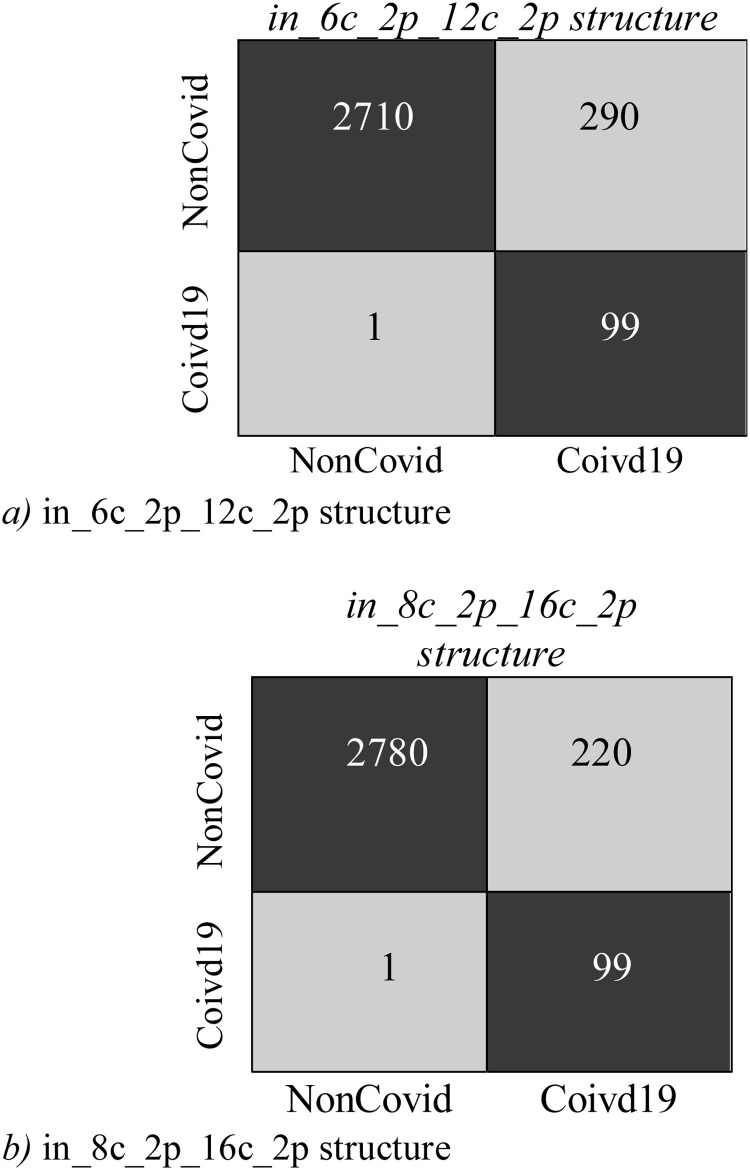
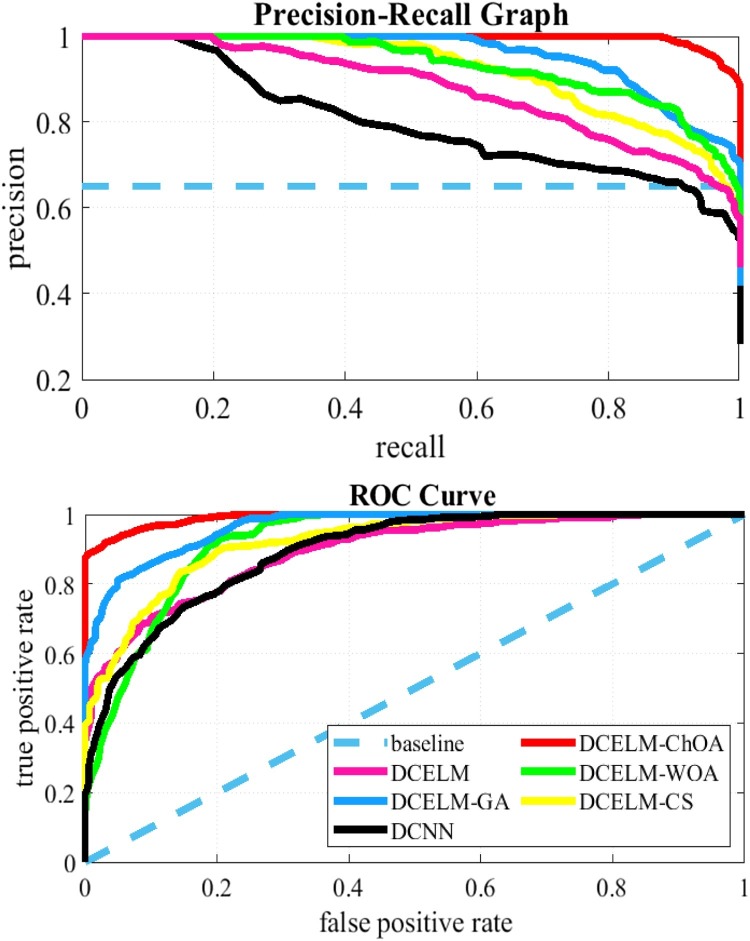
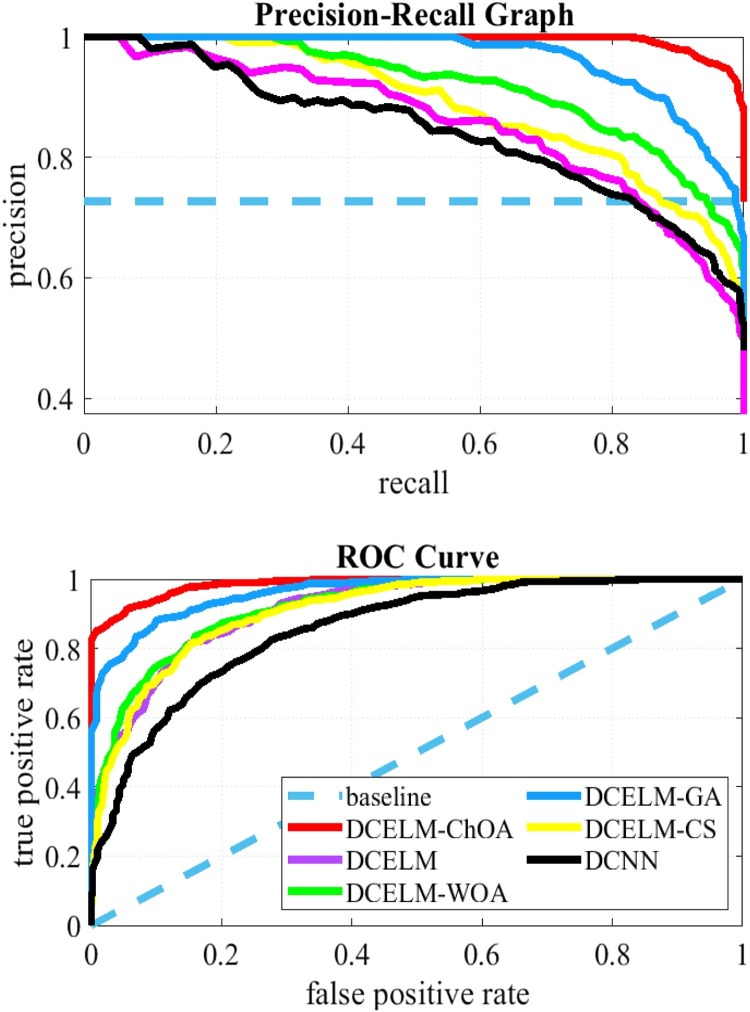
Real-time detection of COVID-19 using radiological images has gained priority due to the increasing demand for fast diagnosis of COVID-19 cases. This paper introduces a novel two-phase approach for classifying chest X-ray images. Deep Learning (DL) methods fail to cover these aspects since training and fine-tuning the model's parameters consume much time. In this approach, the first phase comes to train a deep CNN working as a feature extractor, and the second phase comes to use Extreme Learning Machines (ELMs) for real-time detection. The main drawback of ELMs is to meet the need of a large number of hidden-layer nodes to gain a reliable and accurate detector in applying image processing since the detective performance remarkably depends on the setting of initial weights and biases. Therefore, this paper uses Chimp Optimization Algorithm (ChOA) to improve results and increase the reliability of the network while maintaining real-time capability. The designed detector is to be benchmarked on the and datasets, and the results are verified by comparing it with the classic DCNN, Genetic Algorithm optimized ELM (GA-ELM), Cuckoo Search optimized ELM (CS-ELM), and Whale Optimization Algorithm optimized ELM (WOA-ELM). The proposed approach outperforms other comparative benchmarks with 98.25 % and 99.11 % as ultimate accuracy on the and datasets, respectively, and it led relative error to reduce as the amount of 1.75 % and 1.01 % as compared to a convolutional CNN. More importantly, the time needed for training deep ChOA-ELM is only 0.9474 milliseconds, and the overall testing time for 3100 images is 2.937 s.
由于对新冠病毒病例快速诊断的需求不断增加,利用放射图像对新冠病毒进行实时检测已成为当务之急。本文介绍了一种用于胸部X光图像分类的新型两阶段方法。深度学习(DL)方法无法涵盖这些方面,因为训练和微调模型参数会消耗大量时间。在这种方法中,第一阶段用于训练一个作为特征提取器的深度卷积神经网络(CNN),第二阶段使用极限学习机(ELM)进行实时检测。极限学习机的主要缺点是在应用图像处理时需要大量隐藏层节点才能获得可靠且准确的检测器,因为检测性能显著依赖于初始权重和偏差的设置。因此,本文使用黑猩猩优化算法(ChOA)来改善结果并提高网络的可靠性,同时保持实时能力。所设计的检测器将在[具体数据集1]和[具体数据集2]数据集上进行基准测试,并通过与经典深度卷积神经网络(DCNN)、遗传算法优化的极限学习机(GA - ELM)、布谷鸟搜索优化的极限学习机(CS - ELM)以及鲸鱼优化算法优化的极限学习机(WOA - ELM)进行比较来验证结果。所提出的方法在[具体数据集1]和[具体数据集2]数据集上分别以98.25%和99.11%的最终准确率优于其他比较基准,与卷积CNN相比,相对误差分别降低了1.75%和1.01%。更重要的是,训练深度ChOA - ELM所需的时间仅为0.9474毫秒,对3100张图像的整体测试时间为2.937秒。