Genes, Development and Disease group, Cancer Cell Biology Programme, Centro Nacional de Investigaciones Oncológicas (CNIO, Madrid, Spain.
Melanoma group, Molecular Oncology Programme, Centro Nacional de Investigaciones Oncológicas (CNIO, Madrid, Spain.
Exp Dermatol. 2021 Nov;30(11):1662-1674. doi: 10.1111/exd.14390. Epub 2021 May 28.
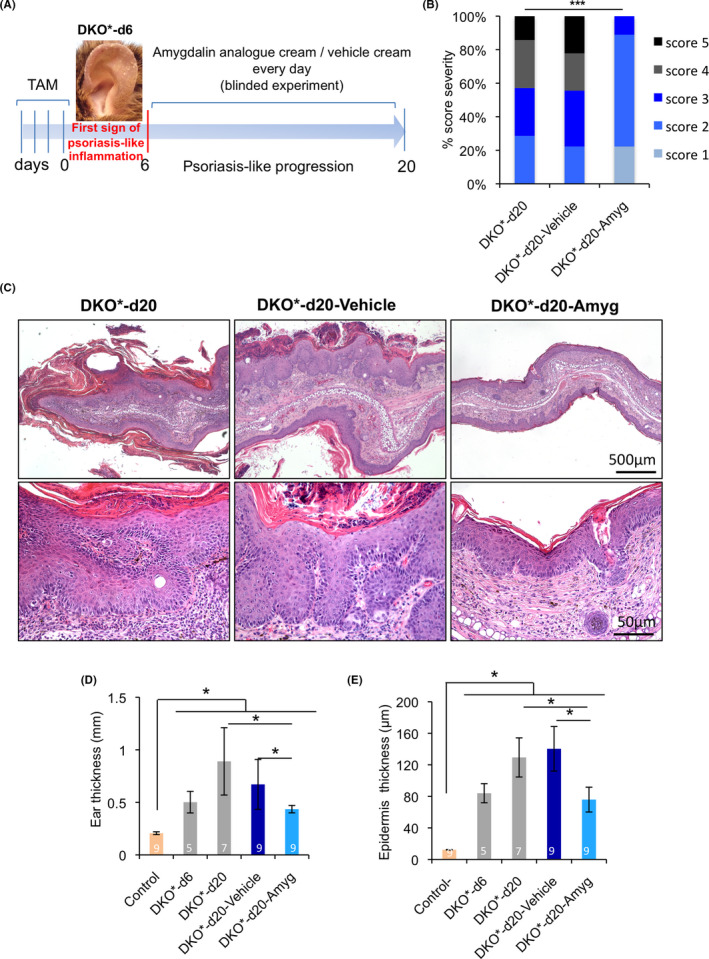
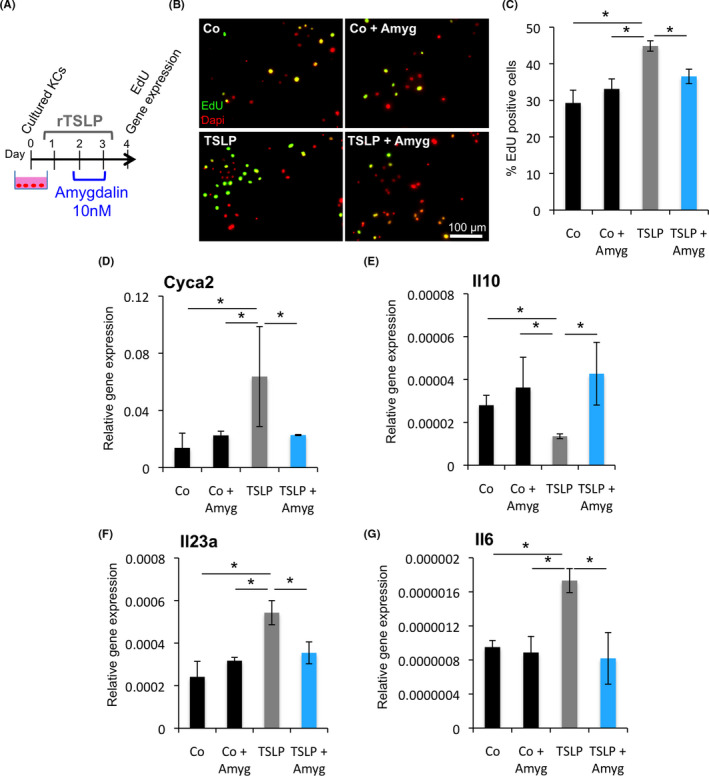
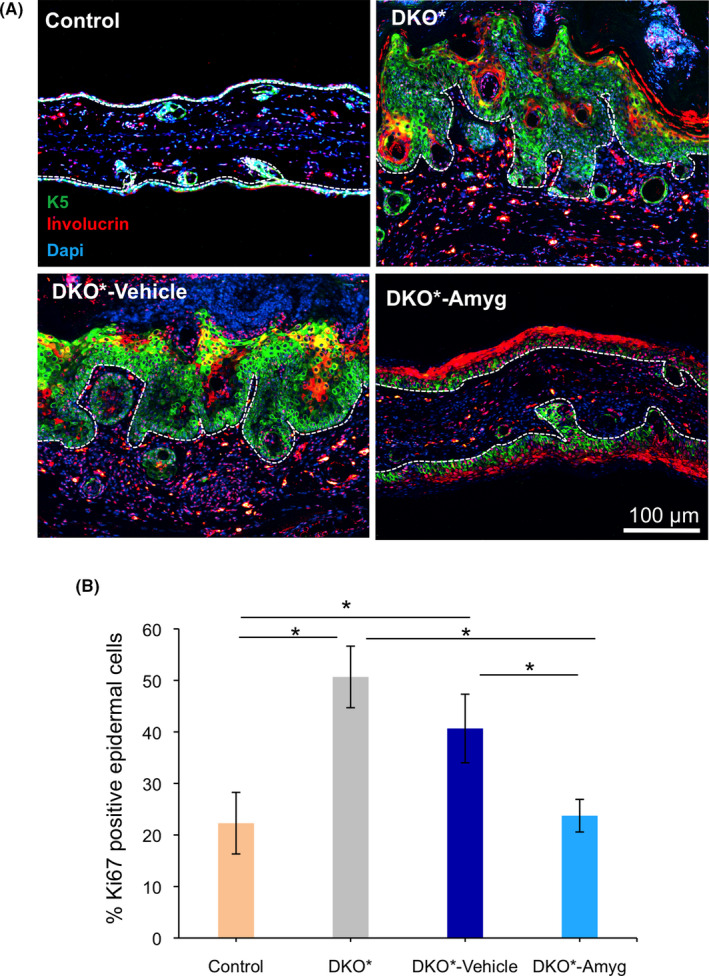
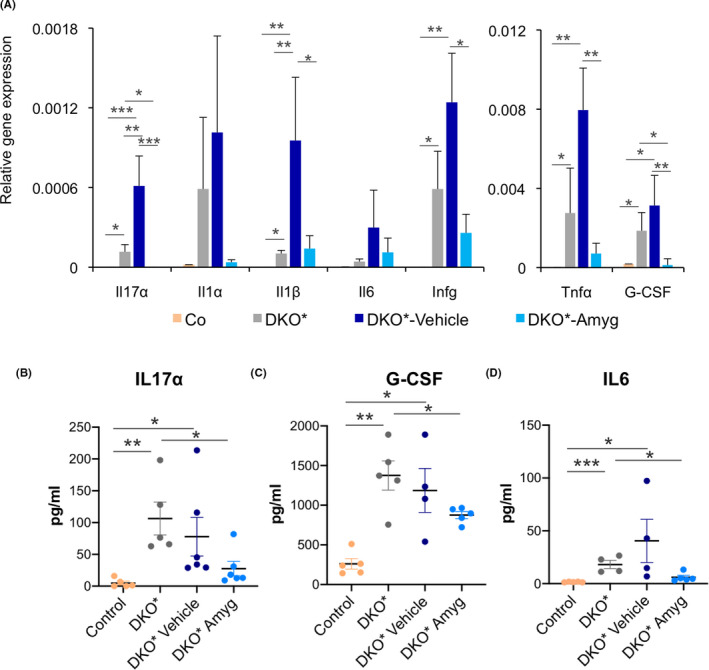
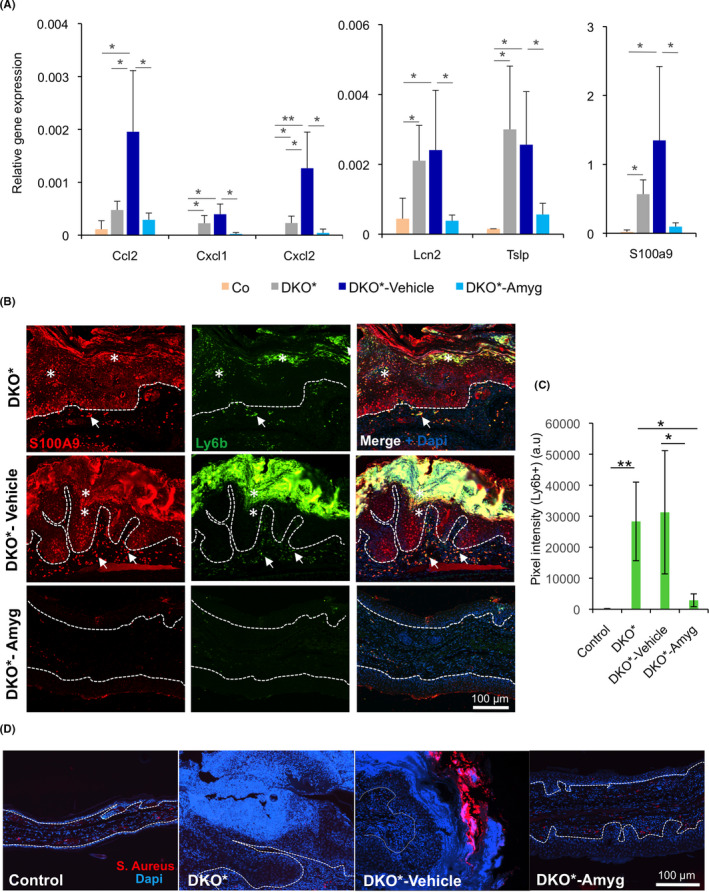
Psoriasis is a chronic inflammatory skin disease without cure. Systemic and biological therapies are the most effective treatments for patients with severe psoriasis. However, these drugs can cause serious side effects from extended use. Safe and effective topical drugs are needed to decrease psoriatic plaques and reduce the risk of adverse effects. Amygdalin analogues are stable small molecules that showed benefits in psoriasis xenografts to immune-deficient mice by systemic application. However, whether topical application of these amygdalin analogues could reduce the progression of the psoriatic phenotype in an immune-competent organism is unknown. Here, we analyse the efficiency of topical application of an amygdalin analogue cream on a well-established genetic and immune-competent mouse model of psoriasis. Topical application of an amygdalin analogue cream ameliorates psoriasis-like disease in mice, reduces epidermal hyperplasia and skin inflammation. Amygdalin analogue treatment leads to reduced expression of local pro-inflammatory cytokines, but systemic pro-inflammatory cytokines that are highly expressed in psoriasis patients such as IL-17A, IL6 or G-CSF are also decreased. Furthermore, expression of important mediators of psoriasis initiation and epidermal hyperplasia, such as TNFa, S100A9 and TSLP, is decreased in lesional epidermis after amygdalin analogue treatment. In conclusion, we show that amygdalin analogue reduces the proliferative capacity of psoriasis-like stimulated keratinocytes and their inflammatory response in vivo and in vitro. These results suggest that topical application of amygdalin analogues may represent a safe and effective treatment for psoriasis.
银屑病是一种慢性炎症性皮肤病,无法治愈。对于严重的银屑病患者,系统治疗和生物制剂治疗是最有效的治疗方法。然而,这些药物长期使用可能会引起严重的副作用。因此,需要安全有效的局部药物来减少银屑病斑块,降低不良反应的风险。杏仁苦甙类似物是稳定的小分子,通过全身应用于免疫缺陷小鼠的银屑病异种移植模型中显示出益处。然而,局部应用这些杏仁苦甙类似物是否能在免疫功能正常的机体中减缓银屑病表型的进展尚不清楚。在这里,我们分析了局部应用杏仁苦甙类似物乳膏在已建立的遗传和免疫功能正常的银屑病小鼠模型中的疗效。局部应用杏仁苦甙类似物乳膏可改善小鼠的银屑病样疾病,减少表皮增生和皮肤炎症。杏仁苦甙类似物治疗可降低局部促炎细胞因子的表达,但也可降低在银屑病患者中高度表达的全身性促炎细胞因子,如 IL-17A、IL6 或 G-CSF。此外,在杏仁苦甙类似物治疗后,病变表皮中银屑病起始和表皮过度增生的重要介质,如 TNFa、S100A9 和 TSLP 的表达也降低。总之,我们表明杏仁苦甙类似物可降低银屑病样刺激角质形成细胞的增殖能力及其体内和体外的炎症反应。这些结果表明,局部应用杏仁苦甙类似物可能是一种安全有效的银屑病治疗方法。