Malcom Randall VA Medical Center, Gainesville, FL, USA.
Department of Applied Physiology and Kinesiology, University of Florida, Gainesville, FL, USA.
Sci Rep. 2021 May 17;11(1):10394. doi: 10.1038/s41598-021-89465-0.
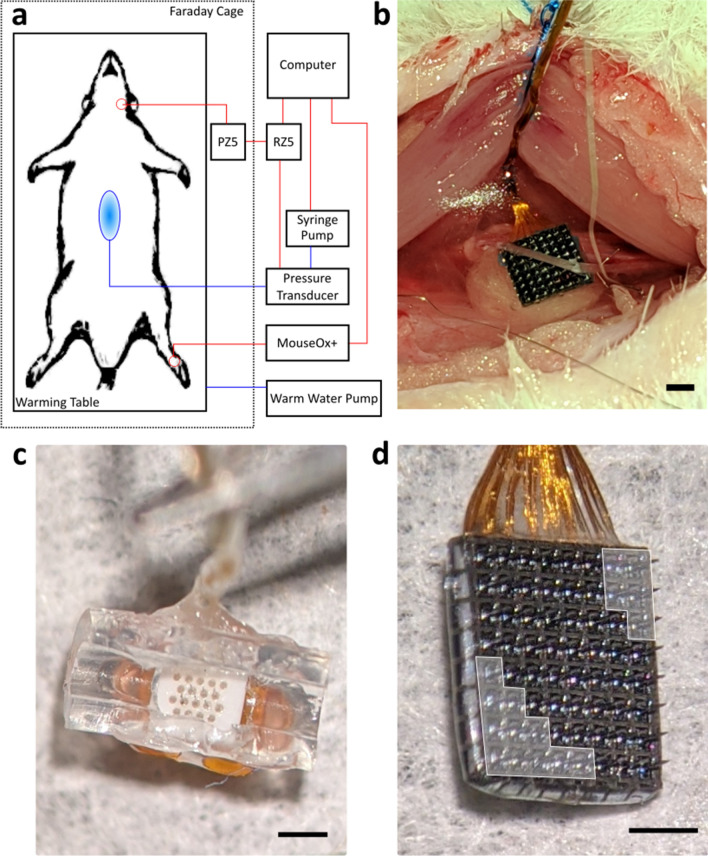
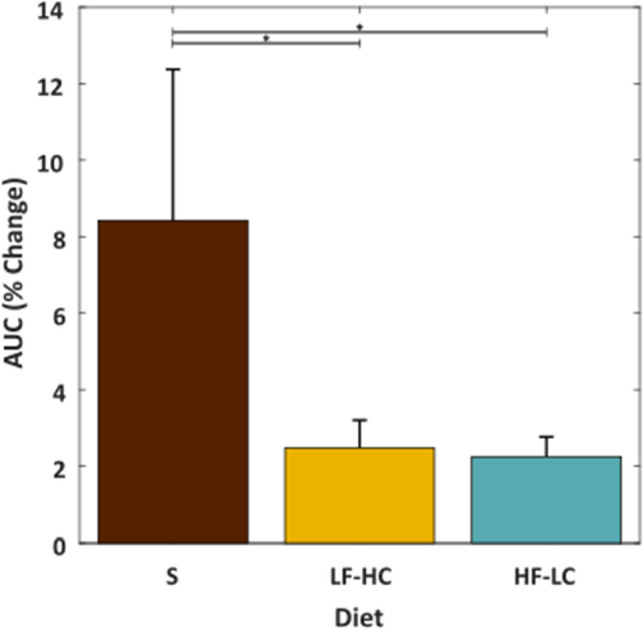
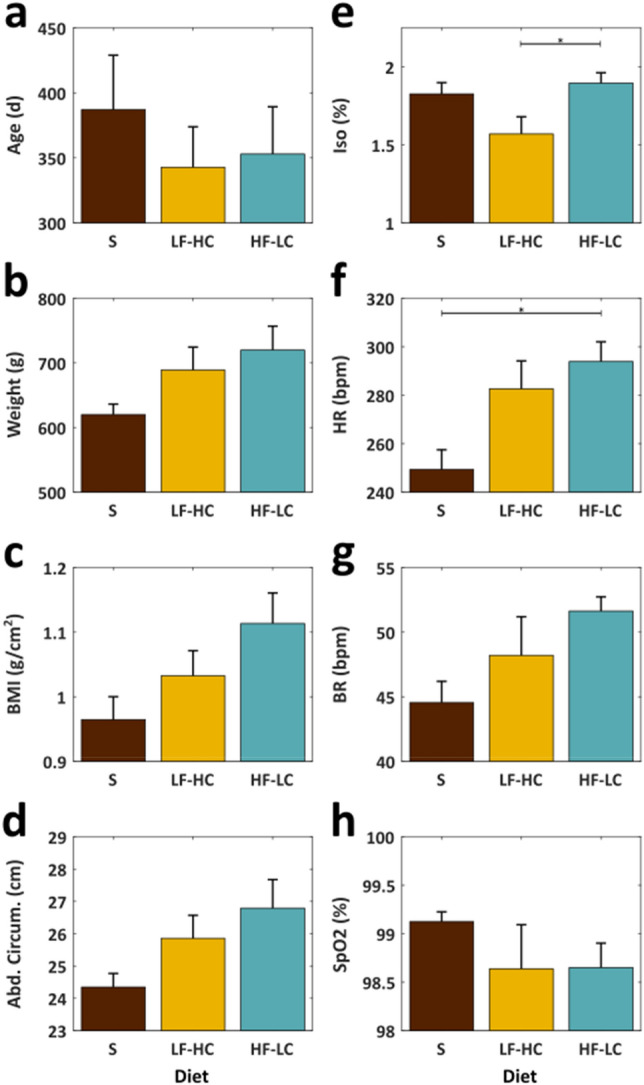
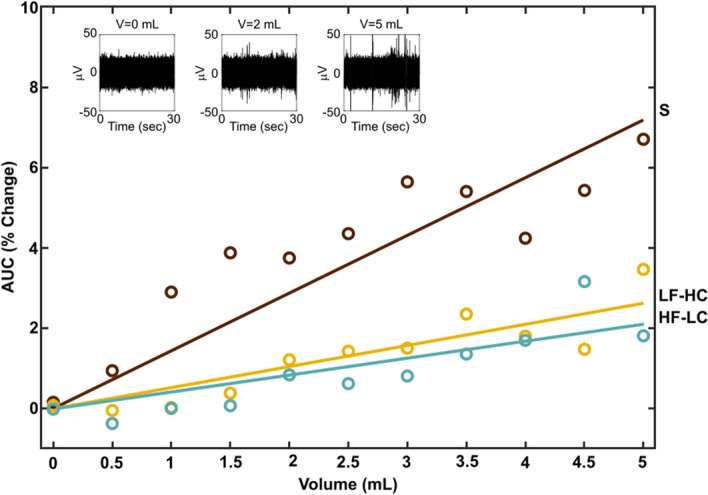
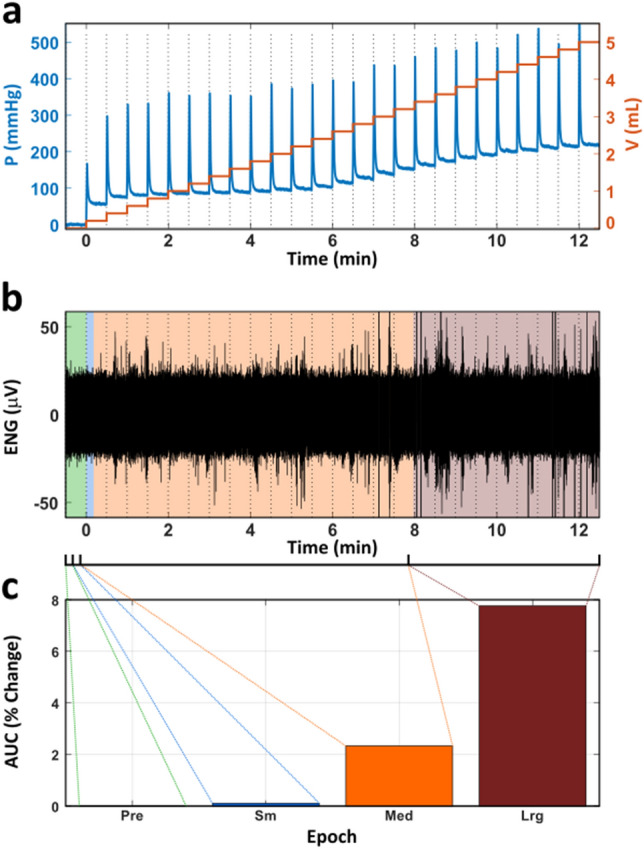
Obesity remains prevalent in the US. One potential treatment is vagus nerve stimulation (VNS), which activates the sensory afferents innervating the stomach that convey stomach volume and establish satiety. However, current VNS approaches and stimulus optimization could benefit from additional understanding of the underlying neural response to stomach distension. In this study, obesity-prone Sprague Dawley rats consumed a standard, high-carbohydrate, or high-fat diet for several months, leading to diet-induced obesity in the latter two groups. Under anesthesia, the neural activity in the vagus nerve was recorded with a penetrating microelectrode array while the stomach was distended with an implanted balloon. Vagal tone during distension was compared to baseline tone prior to distension. Responses were strongly correlated with stomach distension, but the sensitivity to distension was significantly lower in animals that had been fed the nonstandard diets. The results indicate that both high fat and high carbohydrate diets impair vagus activity.
肥胖在美国仍然普遍存在。一种潜在的治疗方法是迷走神经刺激(VNS),它可以激活支配胃的感觉传入神经,传递胃容量并建立饱腹感。然而,目前的 VNS 方法和刺激优化可以从对胃扩张的潜在神经反应的进一步理解中受益。在这项研究中,肥胖易感的 Sprague Dawley 大鼠连续数月食用标准、高碳水化合物或高脂肪饮食,导致后两组出现饮食诱导的肥胖。在麻醉下,用穿透性微电极阵列记录迷走神经的神经活动,同时用植入的气囊扩张胃。将扩张期间的迷走神经张力与扩张前的基线张力进行比较。反应与胃扩张强烈相关,但在接受非标准饮食的动物中,对扩张的敏感性显著降低。结果表明,高脂肪和高碳水化合物饮食都会损害迷走神经活动。