Center for Neural Repair and Rehabilitation (Shriners Hospitals of Pediatric Research Center), Lewis Katz School of Medicine, Temple University, Philadelphia, PA 19140, USA; Department of Anatomy and Cell Biology, Lewis Katz School of Medicine, Temple University, Philadelphia, PA 19140, USA.
The Solomon Snyder Department of Neuroscience, Johns Hopkins University School of Medicine, Baltimore, MD 21025, USA; The Chica and Heinz Schaller Research Group, Institute for Anatomy and Cell Biology, Heidelberg University, 69120 Heidelberg, Germany; Interdisciplinary Center for Neurosciences, Heidelberg University, 69120 Heidelberg, Germany.
Cell Rep. 2021 May 18;35(7):109147. doi: 10.1016/j.celrep.2021.109147.
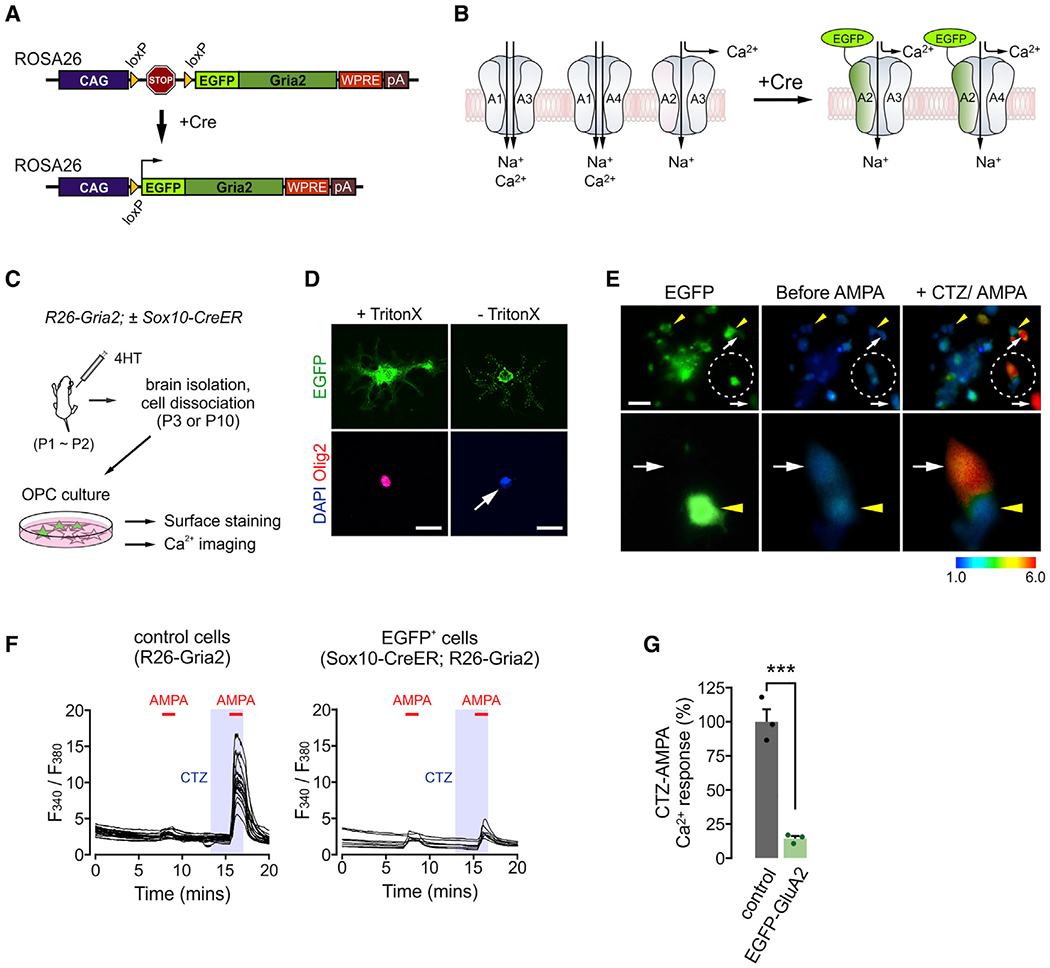
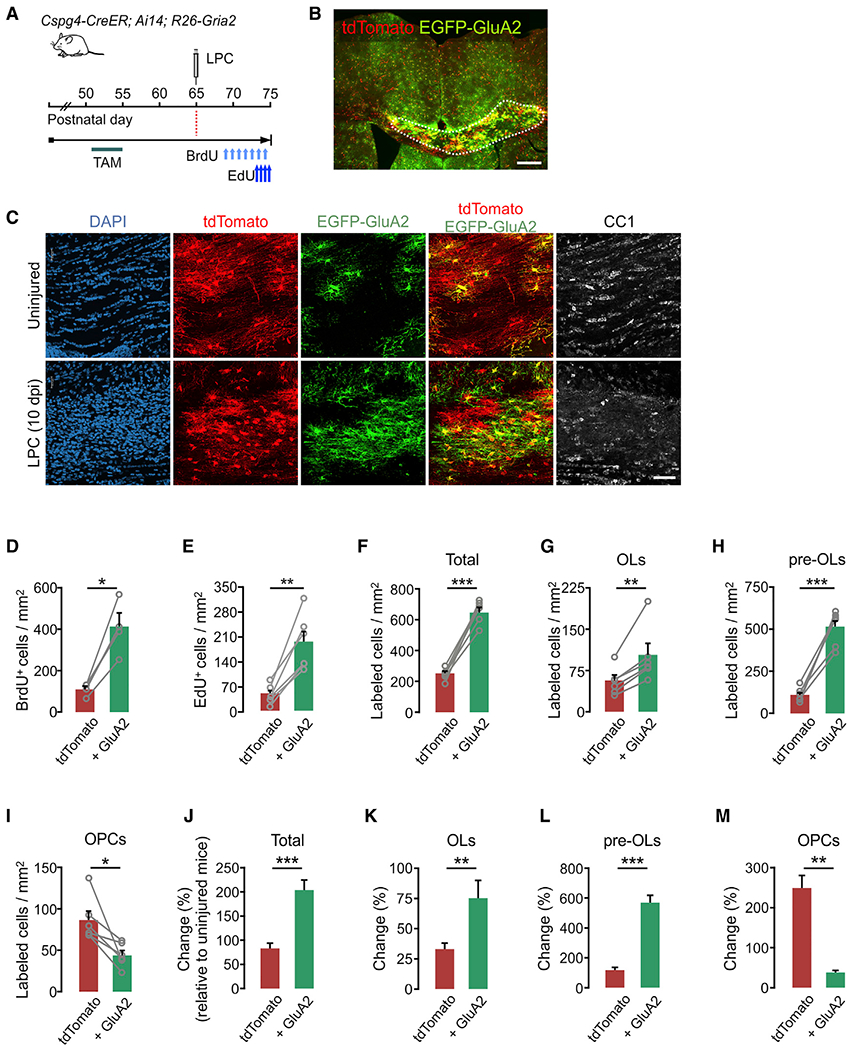
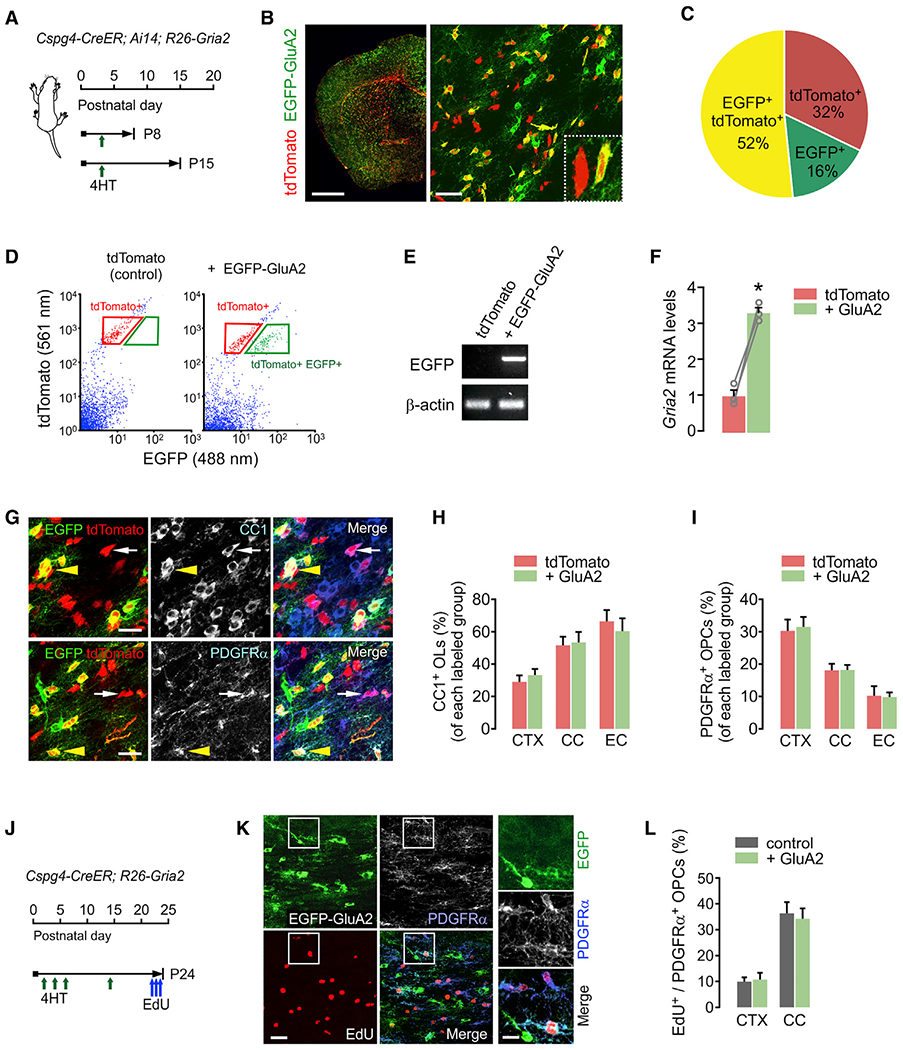
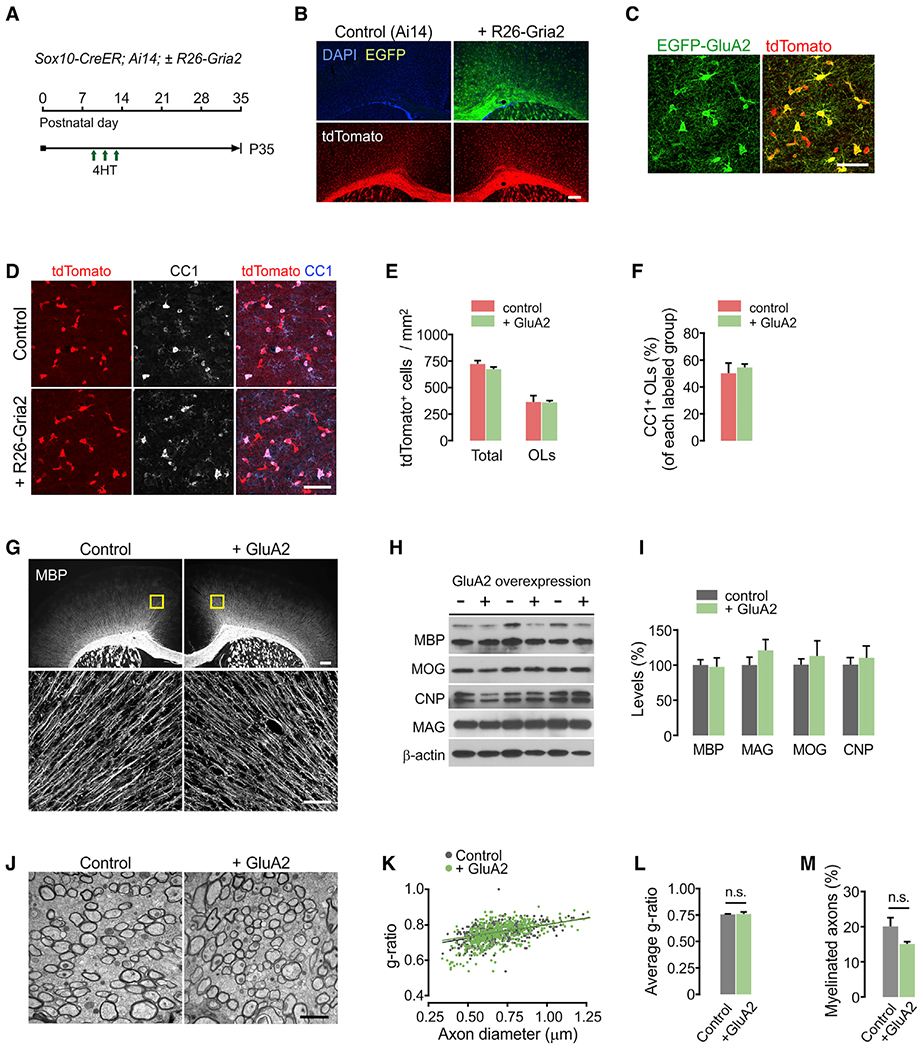
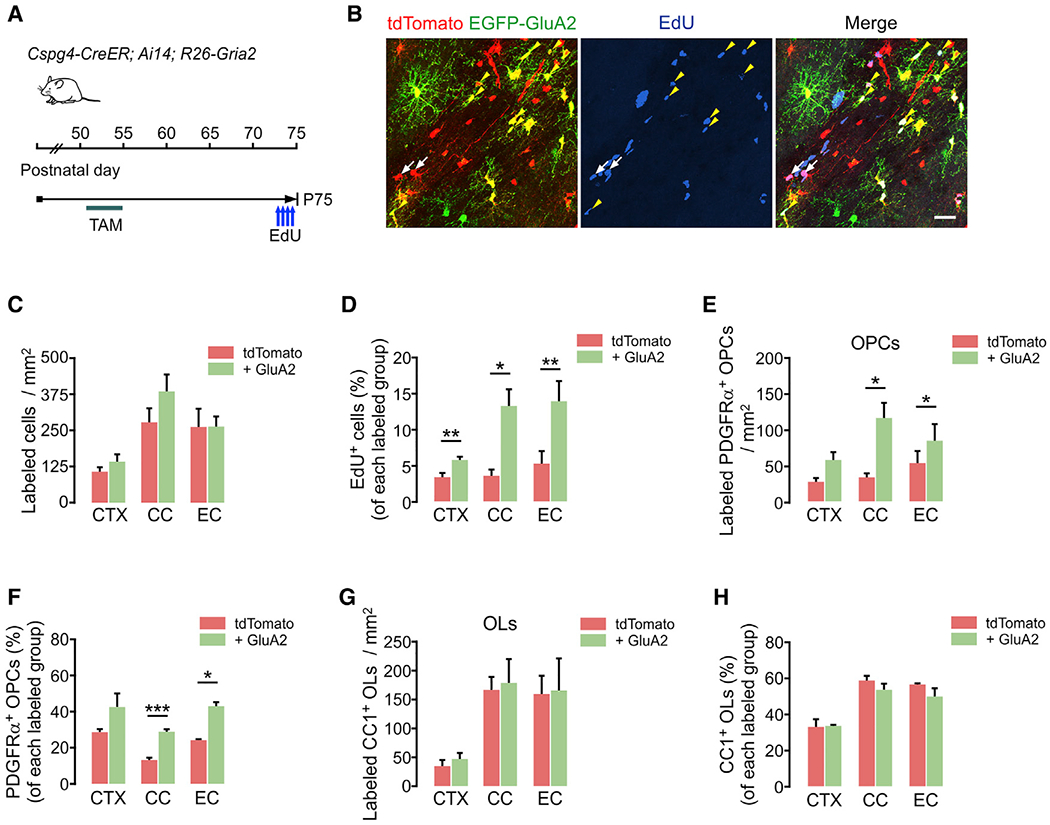
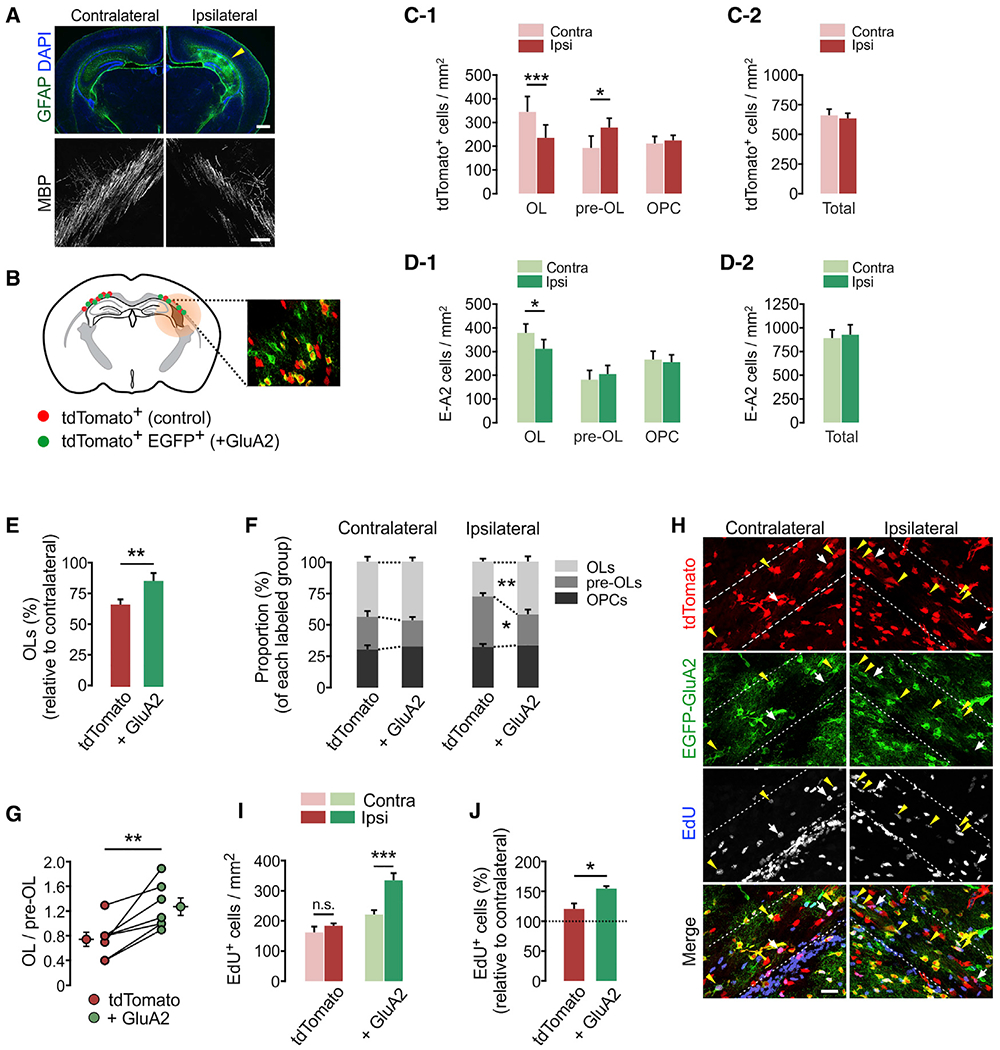
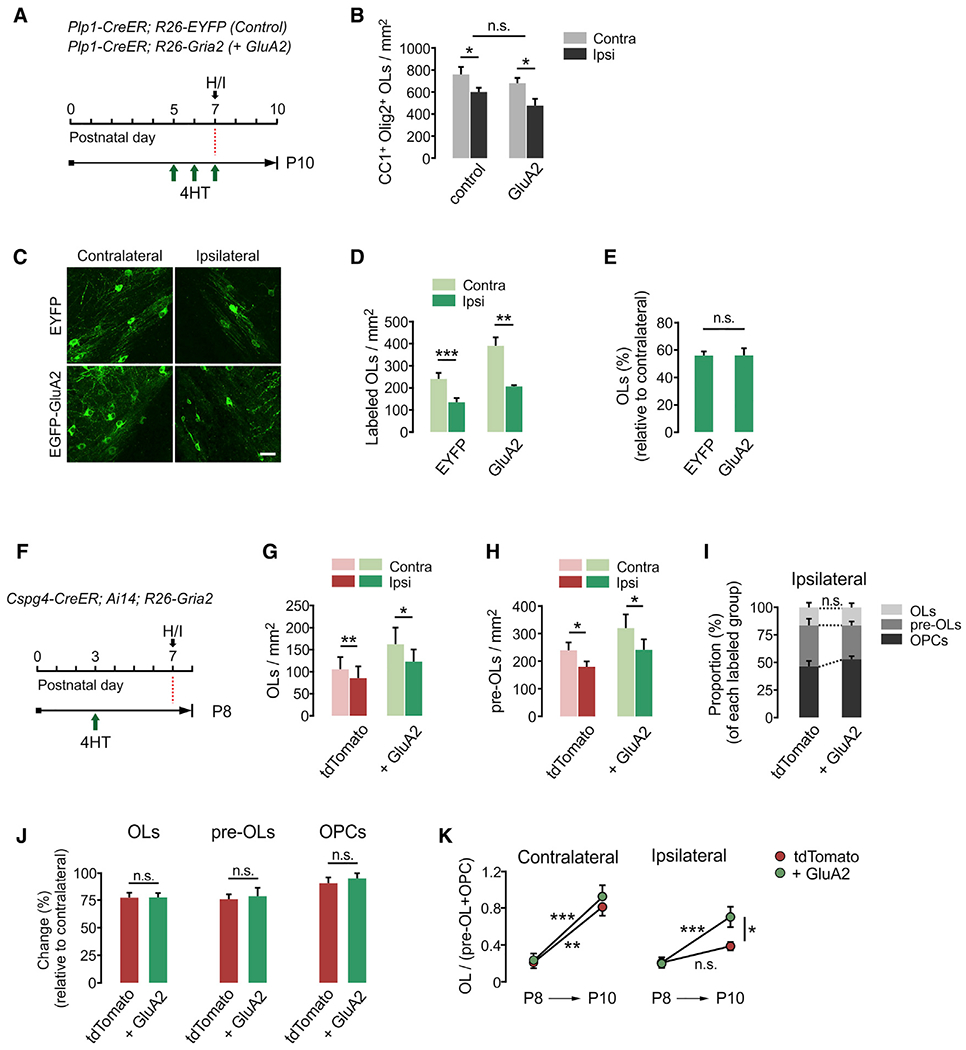
Oligodendrocyte precursor cells (OPCs) are essential for developmental myelination and oligodendrocyte regeneration after CNS injury. These progenitors express calcium-permeable AMPA receptors (AMPARs) and form direct synapses with neurons throughout the CNS, but the roles of this signaling are unclear. To enable selective alteration of the properties of AMPARs in oligodendroglia, we generate mice that allow cell-specific overexpression of EGFP-GluA2 in vivo. In healthy conditions, OPC-specific GluA2 overexpression significantly increase their proliferation in an age-dependent manner but did not alter their rate of differentiation into oligodendrocytes. In contrast, after demyelinating brain injury in neonates or adults, higher GluA2 levels promote both OPC proliferation and oligodendrocyte regeneration, but do not prevent injury-induced initial cell loss. These findings indicate that AMPAR GluA2 content regulates the proliferative and regenerative behavior of adult OPCs, serving as a putative target for better myelin repair.
少突胶质前体细胞 (OPC) 是中枢神经系统损伤后发育性髓鞘形成和少突胶质细胞再生所必需的。这些前体细胞表达钙通透性 AMPA 受体 (AMPAR),并与中枢神经系统中的神经元形成直接突触,但这种信号的作用尚不清楚。为了能够选择性地改变少突胶质细胞中 AMPAR 的特性,我们生成了允许在体内细胞特异性过表达 EGFP-GluA2 的小鼠。在健康条件下,OPC 特异性 GluA2 过表达以年龄依赖的方式显著增加其增殖,但不会改变其分化为少突胶质细胞的速度。相比之下,在新生儿或成年期发生脱髓鞘脑损伤后,更高的 GluA2 水平促进 OPC 增殖和少突胶质细胞再生,但不能防止损伤诱导的初始细胞丢失。这些发现表明 AMPAR GluA2 含量调节成年 OPC 的增殖和再生行为,可作为更好的髓鞘修复的潜在靶点。