Department of Anaesthesiology, Mengcheng County No. 1 People's Hospital, Mengcheng, 233500, Anhui Province, P. R. China.
BMC Anesthesiol. 2021 May 20;21(1):156. doi: 10.1186/s12871-021-01373-y.
Remimazolam besylate is a newer benzodiazepine with characteristics of quick onset of effects, short maintenance and recovery times without accumulation in tissues. This trial was conducted to confirm the efficacy and safety of remimazolam besylate versus propofol during hysteroscopy.
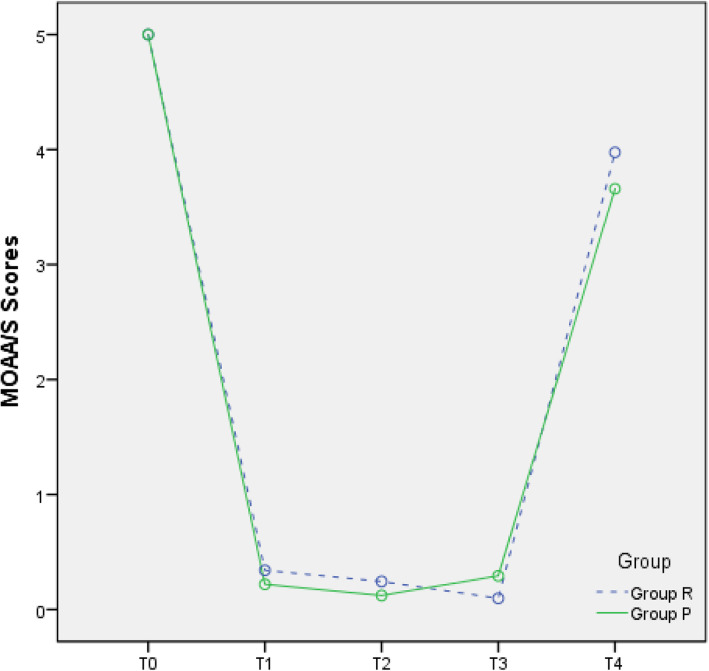
Patients undergoing hysteroscopy were randomly assigned to either the remimazolam (Group R) or the propofol group (Group P). Group R was administered an induction dose of 0.2 mg/kg and a maintenance dosage of 1.0 mg/kg/h. In Group P, propofol was started at 1.5-2.0 mg/kg and then maintained at 3.0-6.0 mg/kg/h. After remimazolam besylate or propofol induction, remifentanil was infused using a target-controlled infusion system with a target concentration of 1.5 ng/ml and titrated during the procedure. The incidence rates of injection pain, low oxygen saturation (SpO) and adverse effects in both groups were compared.
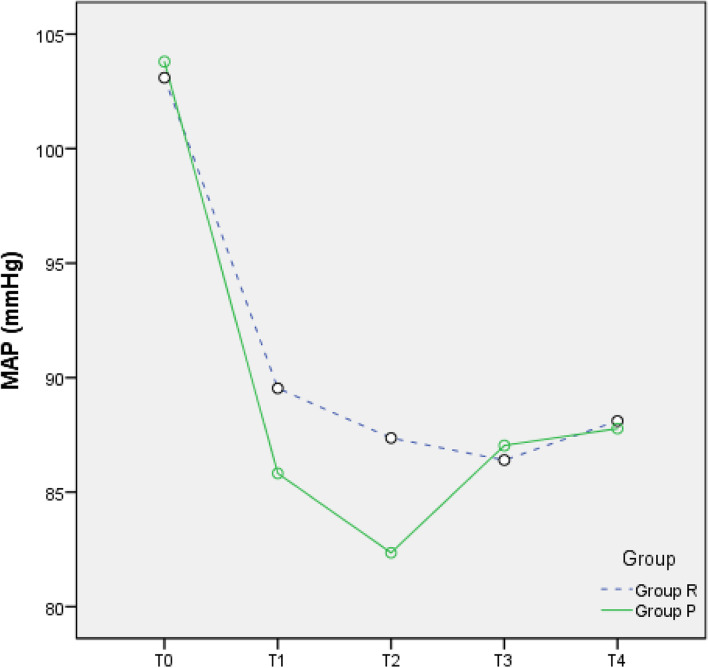
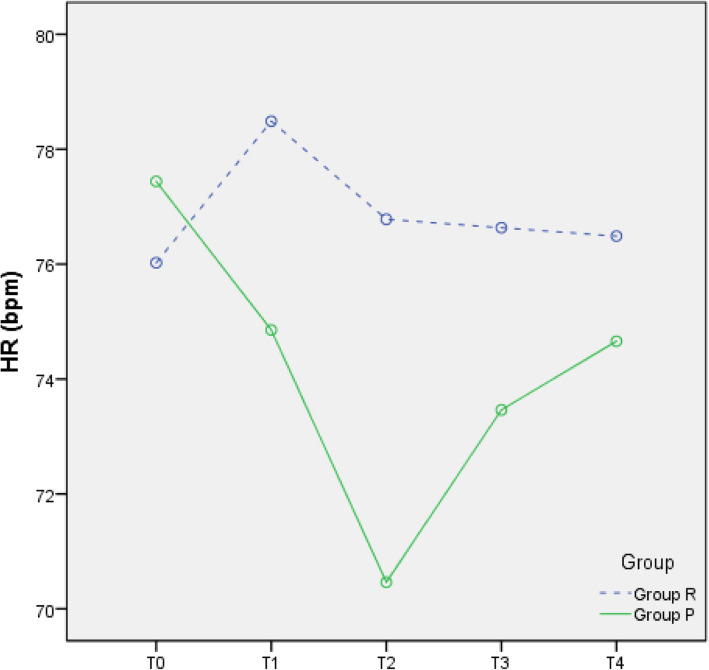
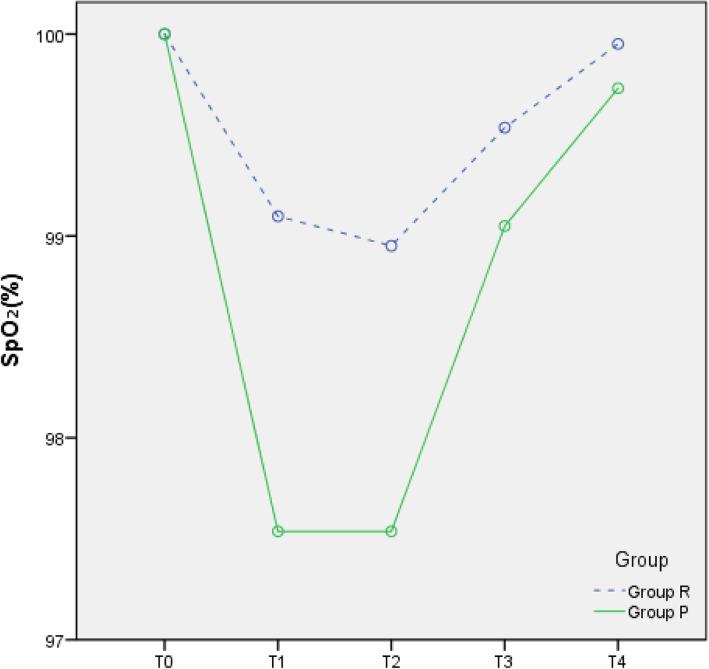
Eighty-two patients were included in this study. The incidence of adverse events in Group R (3.7%) was significantly lower than that in Group P (36.6%) (p < 0.001). The incidence of injection pain in Group P (80.5%) was much higher than that in Group R (2.4%) (p < 0.001). The incidence of other adverse events, such as low SpO, bradycardia, and hypotension in Group R was lower than that in Group P (p < 0.05).
Remimazolam besylate proves to be a safer alternative for anesthesia during hysteroscopy. Moreover, adverse events caused by propofol, such as low SpO and injection pain, are largely avoided.
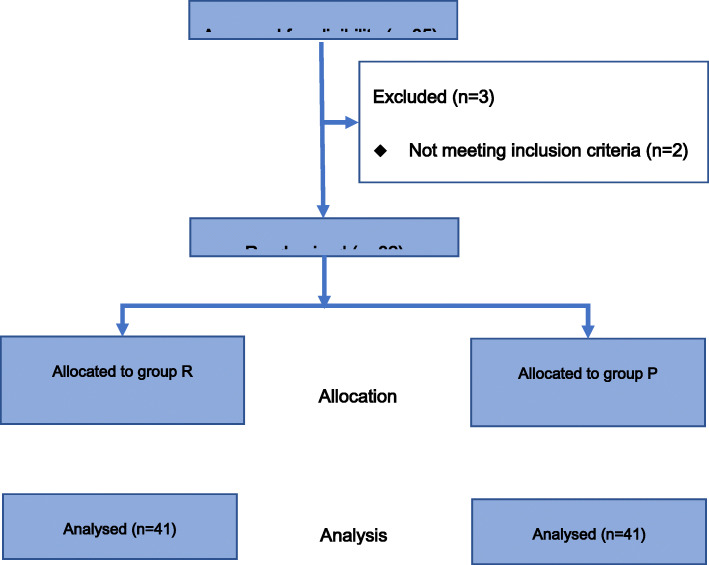
This study was approved by the Clinical Research Ethics Committee of Mengcheng County No. 1 People's Hospital (2020MYL20003) and registered at http://www.chictr.org.cn (15/09/2020, ChiCTR-2000038252 ). The study protocol followed the CONSORT guidelines. The study protocol was performed in the relevant guidelines.
甲磺酸瑞马唑仑是一种新型苯二氮䓬类药物,具有起效迅速、作用维持和恢复时间短、组织无蓄积等特点。本试验旨在确认甲磺酸瑞马唑仑在宫腔镜检查中的疗效和安全性优于丙泊酚。
接受宫腔镜检查的患者被随机分配至甲磺酸瑞马唑仑组(R 组)或丙泊酚组(P 组)。R 组给予 0.2mg/kg 的诱导剂量和 1.0mg/kg/h 的维持剂量。P 组以 1.5-2.0mg/kg 起始,然后以 3.0-6.0mg/kg/h 维持。在给予甲磺酸瑞马唑仑或丙泊酚诱导后,采用靶控输注系统输注瑞芬太尼,靶浓度为 1.5ng/ml,并在手术过程中进行滴定。比较两组患者注射痛、低氧饱和度(SpO)和不良反应的发生率。
本研究共纳入 82 例患者。R 组(3.7%)不良反应发生率明显低于 P 组(36.6%)(p<0.001)。P 组(80.5%)注射痛发生率明显高于 R 组(2.4%)(p<0.001)。R 组 SpO 降低、心动过缓、低血压等其他不良反应发生率低于 P 组(p<0.05)。
甲磺酸瑞马唑仑在宫腔镜检查麻醉中是一种更安全的选择。此外,丙泊酚引起的不良反应,如 SpO 降低和注射痛,在很大程度上得以避免。
本研究经蒙城县第一人民医院临床研究伦理委员会批准(2020MYL20003),并在 http://www.chictr.org.cn 上注册(2020 年 9 月 15 日,ChiCTR-2000038252)。研究方案遵循 CONSORT 指南。研究方案符合相关指南。