Swets Benjamin, Fuchs Susanne, Krivokapić Jelena, Petrone Caterina
Grand Valley State University, Allendale, MI, United States.
Leibniz-Zentrum Allgemeine Sprachwissenschaft, Berlin, Germany.
Front Psychol. 2021 May 7;12:655516. doi: 10.3389/fpsyg.2021.655516. eCollection 2021.
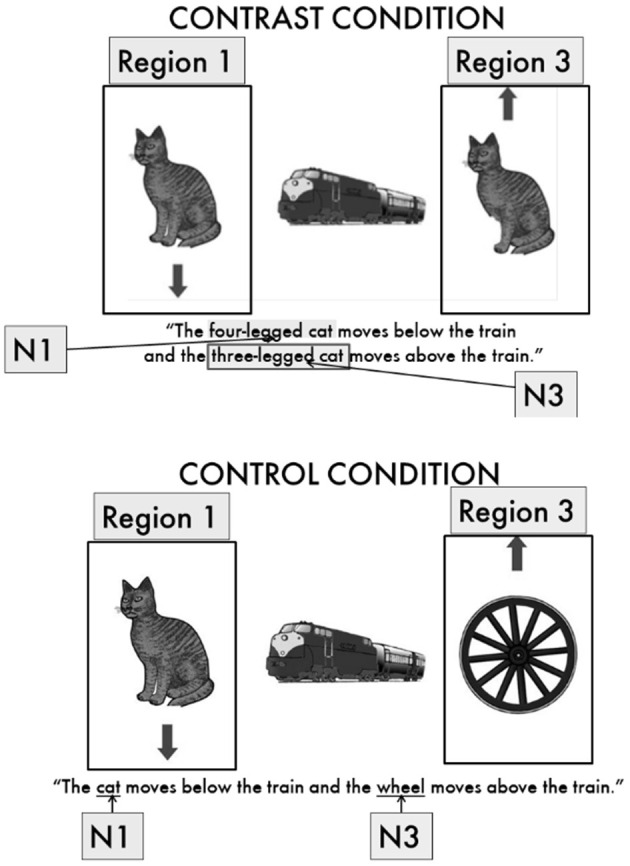
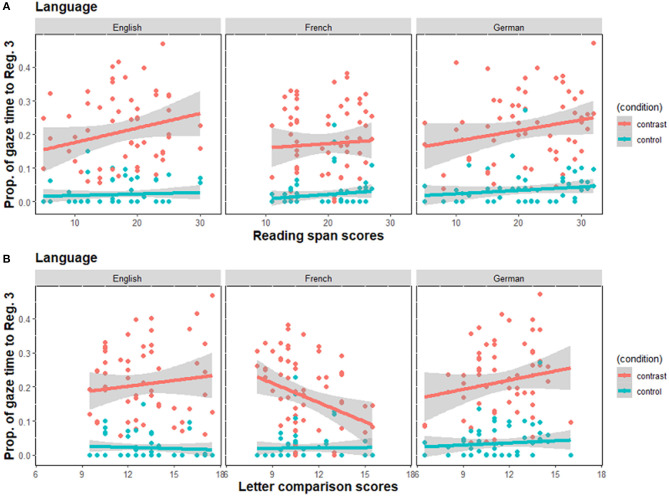
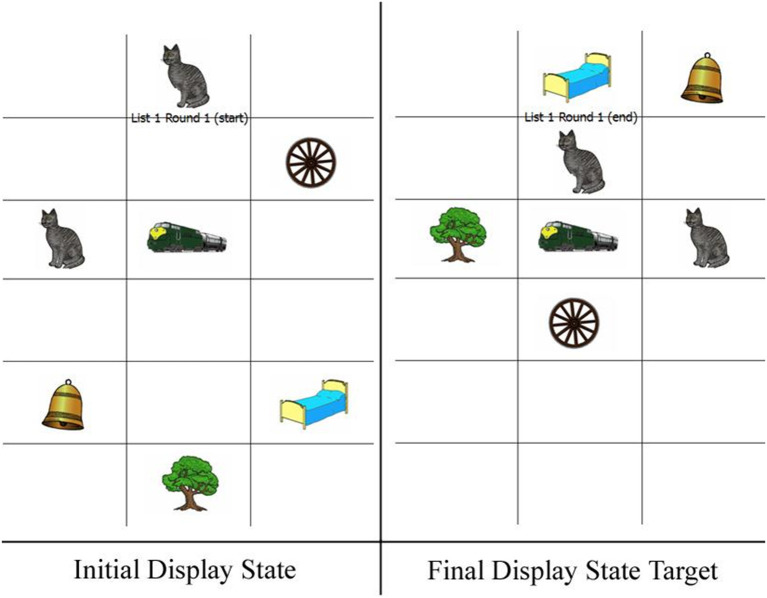
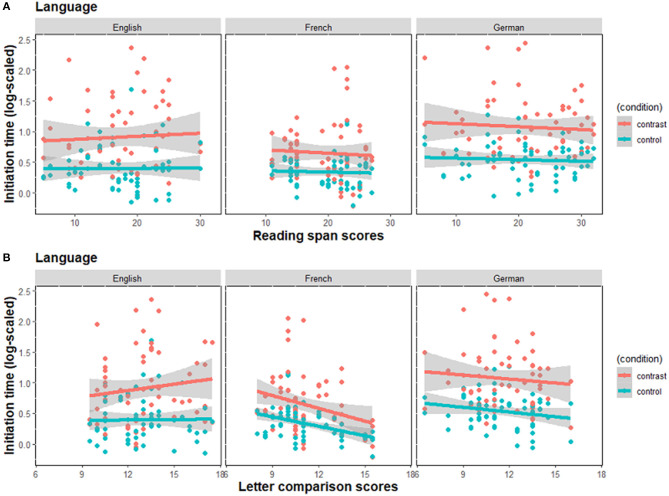
Although previous research has shown that there exist individual and cross-linguistic differences in planning strategies during language production, little is known about how such individual differences might vary depending on which language a speaker is planning. The present series of studies examines individual differences in planning strategies exhibited by speakers of American English, French, and German. Participants were asked to describe images on a computer monitor while their eye movements were monitored. In addition, we measured participants' working memory capacity and speed of processing. The results indicate that in the present study, English and German were planned less incrementally (further in advance) prior to speech onset compared to French, which was planned more incrementally (not as far in advance). Crucially, speed of processing predicted the scope of planning for French speakers, but not for English or German speakers. These results suggest that the different planning strategies that are invoked by syntactic choices available in different languages are associated with the tendency for speakers to rely on different cognitive support systems as they plan sentences.
尽管先前的研究表明,在语言生成过程中,计划策略存在个体差异和跨语言差异,但对于这些个体差异如何因说话者所计划使用的语言不同而有所变化,我们却知之甚少。本系列研究考察了美国英语、法语和德语使用者在计划策略上的个体差异。参与者被要求描述电脑屏幕上的图像,同时他们的眼动被监测。此外,我们测量了参与者的工作记忆容量和处理速度。结果表明,在本研究中,与法语相比,英语和德语在言语开始前的计划增量较少(提前得更远),而法语的计划增量较多(提前得没那么远)。至关重要的是,处理速度预测了法语使用者的计划范围,但对英语或德语使用者则不然。这些结果表明,不同语言中可用的句法选择所引发的不同计划策略,与说话者在计划句子时依赖不同认知支持系统的倾向有关。