Anesthesia Center for Critical Care Research of the Department of Anesthesia, Critical Care and Pain Medicine, Massachusetts General Hospital, Boston, MA, USA.
Harvard Medical School, Boston, MA, USA.
Nat Commun. 2021 May 25;12(1):3108. doi: 10.1038/s41467-021-23363-x.
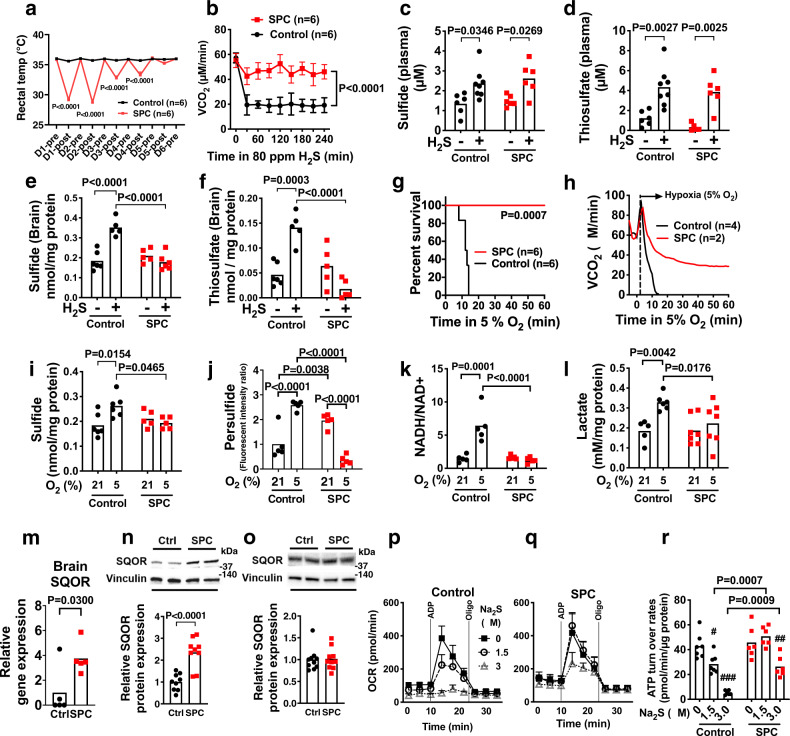
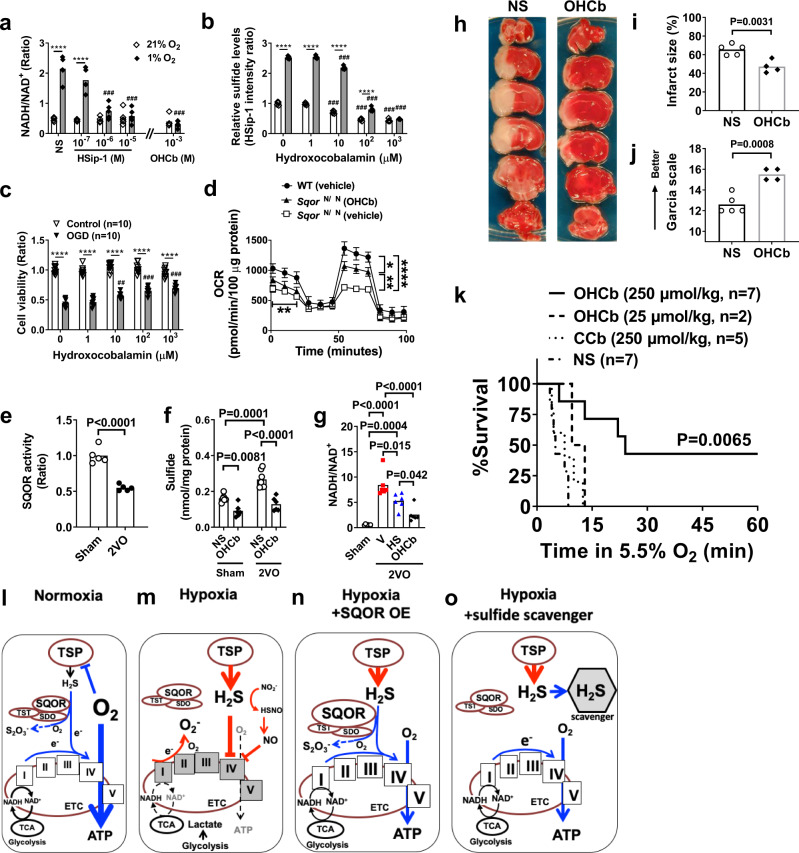
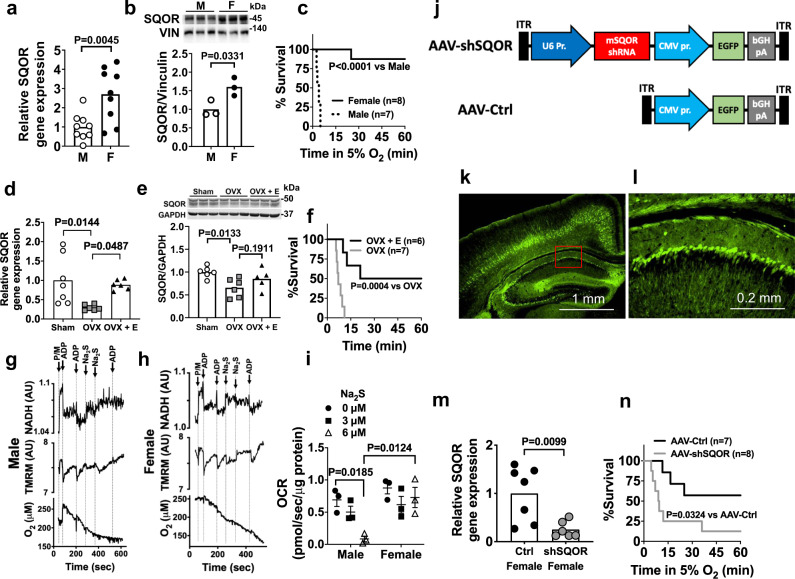
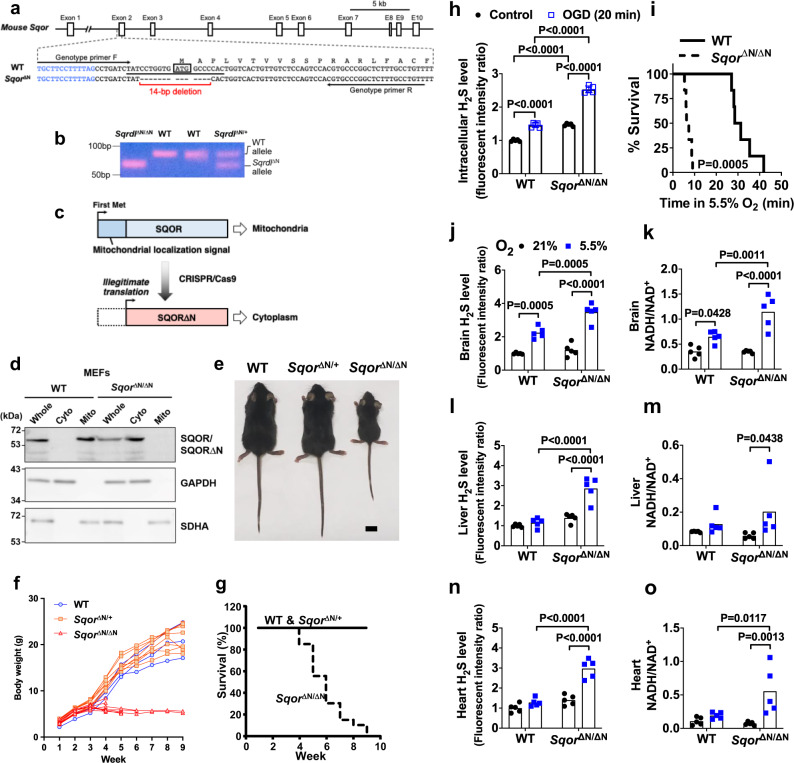
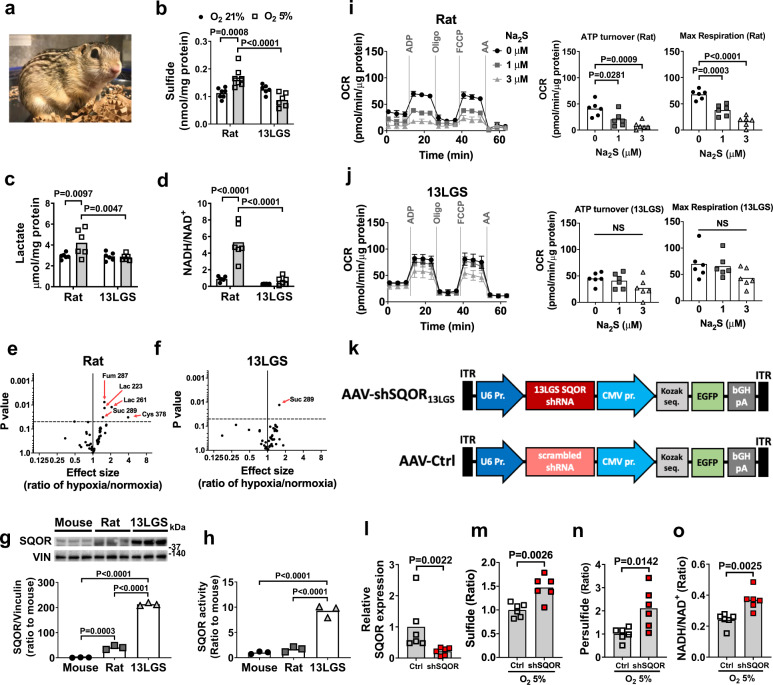
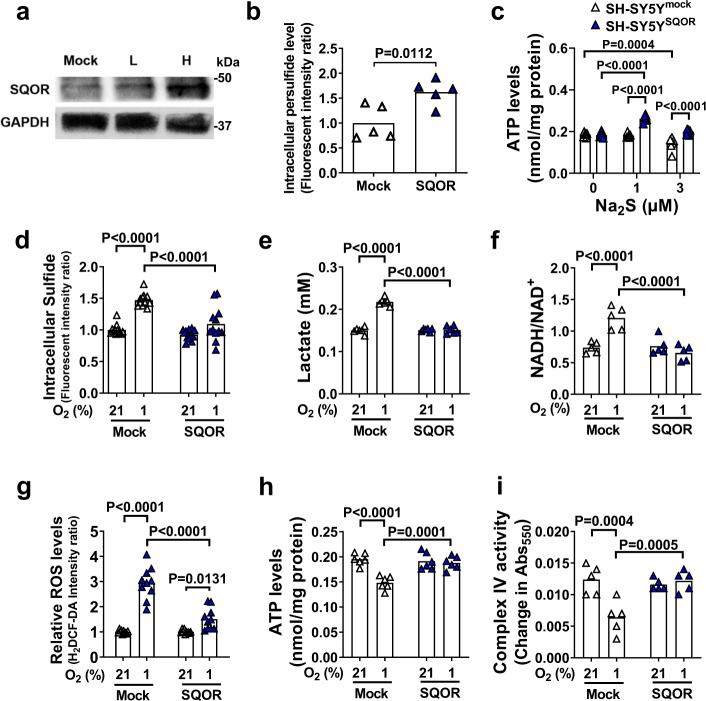
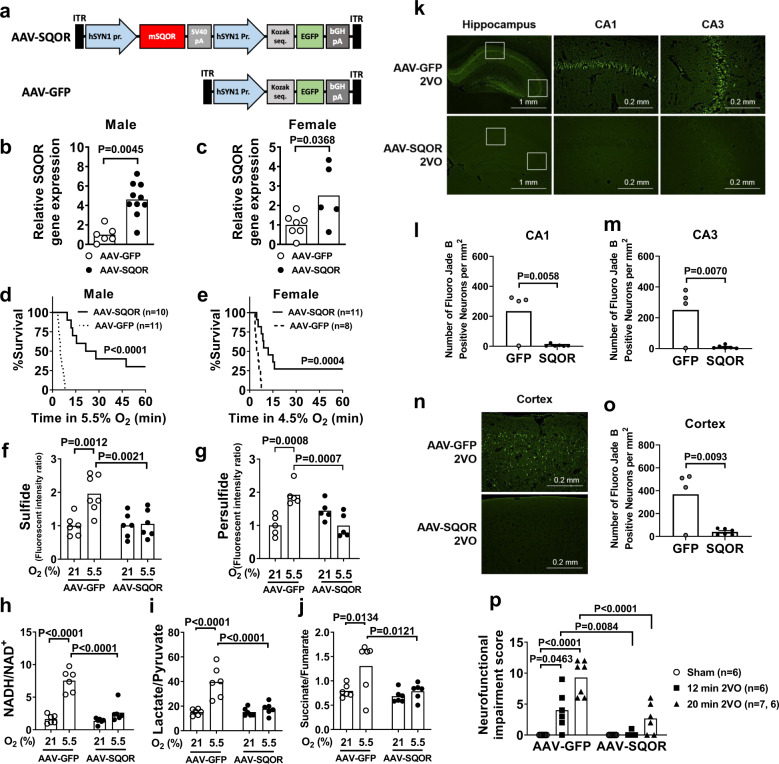
The mammalian brain is highly vulnerable to oxygen deprivation, yet the mechanism underlying the brain's sensitivity to hypoxia is incompletely understood. Hypoxia induces accumulation of hydrogen sulfide, a gas that inhibits mitochondrial respiration. Here, we show that, in mice, rats, and naturally hypoxia-tolerant ground squirrels, the sensitivity of the brain to hypoxia is inversely related to the levels of sulfide:quinone oxidoreductase (SQOR) and the capacity to catabolize sulfide. Silencing SQOR increased the sensitivity of the brain to hypoxia, whereas neuron-specific SQOR expression prevented hypoxia-induced sulfide accumulation, bioenergetic failure, and ischemic brain injury. Excluding SQOR from mitochondria increased sensitivity to hypoxia not only in the brain but also in heart and liver. Pharmacological scavenging of sulfide maintained mitochondrial respiration in hypoxic neurons and made mice resistant to hypoxia. These results illuminate the critical role of sulfide catabolism in energy homeostasis during hypoxia and identify a therapeutic target for ischemic brain injury.
哺乳动物的大脑对缺氧非常敏感,但大脑对缺氧的敏感性的机制尚不完全清楚。缺氧会诱导硫化氢的积累,硫化氢是一种抑制线粒体呼吸的气体。在这里,我们发现在小鼠、大鼠和自然耐缺氧的地松鼠中,大脑对缺氧的敏感性与硫化物:醌氧化还原酶 (SQOR) 的水平和硫化物的代谢能力成反比。沉默 SQOR 会增加大脑对缺氧的敏感性,而神经元特异性 SQOR 表达则可以防止缺氧引起的硫化物积累、生物能量衰竭和缺血性脑损伤。将 SQOR 从线粒体中排除不仅会增加大脑对缺氧的敏感性,还会增加心脏和肝脏对缺氧的敏感性。硫化物的药理学清除作用维持了缺氧神经元中的线粒体呼吸,使小鼠对缺氧具有抗性。这些结果阐明了在缺氧期间硫化物代谢在能量平衡中的关键作用,并确定了缺血性脑损伤的治疗靶点。