Siddiqi Ahmed, Horan Timothy, Molloy Robert M, Bloomfield Michael R, Patel Preetesh D, Piuzzi Nicolas S
Cleveland Clinic Foundation, Department of Orthopedics Cleveland, Ohio, USA.
Philadelphia College of Osteopathic Medicine, Department of Orthopedics, Philadelphia, Pennsylvania, USA.
EFORT Open Rev. 2021 Apr 1;6(4):252-269. doi: 10.1302/2058-5241.6.200071. eCollection 2021 Apr.
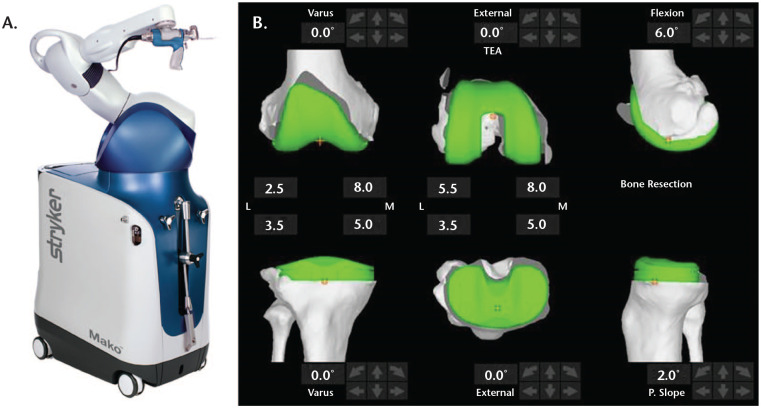
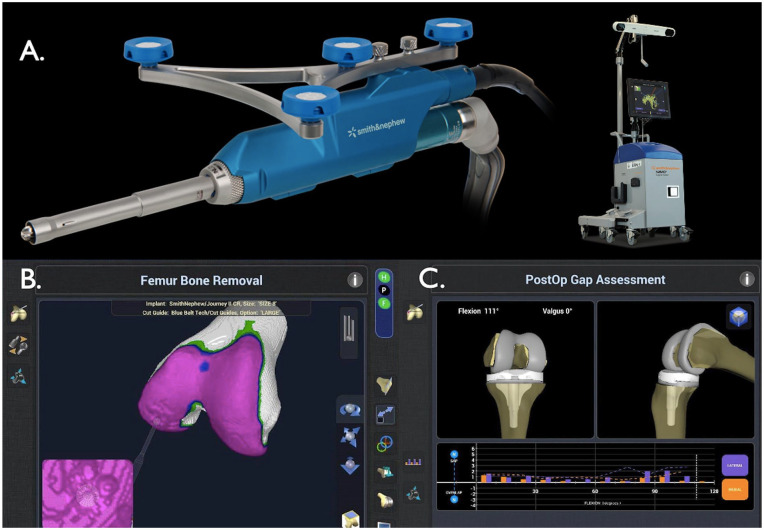
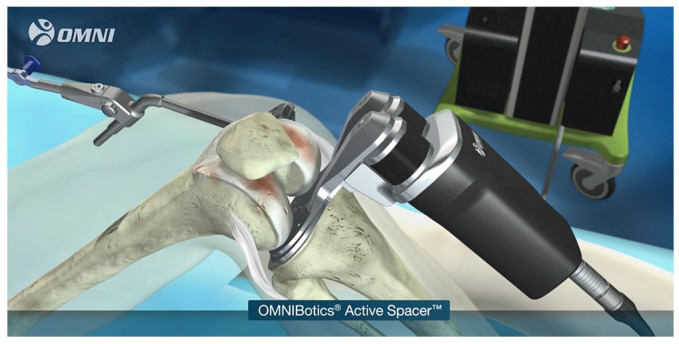
Robotic-assisted total knee arthroplasty (RA-TKA) has shown improved reproducibility and precision in mechanical alignment restoration, with improvement in early functional outcomes and 90-day episode of care cost savings compared to conventional TKA in some studies. However, its value is still to be determined.Current studies of RA-TKA systems are limited by short-term follow-up and significant heterogeneity of the available systems.In today's paradigm shift towards an increased emphasis on quality of care while curtailing costs, providing value-based care is the primary goal for healthcare systems and clinicians. As robotic technology continues to develop, longer-term studies evaluating implant survivorship and complications will determine whether the initial capital is offset by improved outcomes.Future studies will have to determine the value of RA-TKA based on longer-term survivorships, patient-reported outcome measures, functional outcomes, and patient satisfaction measures. Cite this article: 2021;6:252-269. DOI: 10.1302/2058-5241.6.200071.
机器人辅助全膝关节置换术(RA-TKA)在恢复机械对线方面已显示出更高的可重复性和精确性,在一些研究中,与传统全膝关节置换术(TKA)相比,其早期功能结局有所改善,且90天护理费用有所节省。然而,其价值仍有待确定。目前关于RA-TKA系统的研究受到短期随访以及现有系统显著异质性的限制。在当今更加注重医疗质量同时削减成本的范式转变中,提供基于价值的医疗是医疗系统和临床医生的首要目标。随着机器人技术不断发展,评估植入物生存率和并发症的长期研究将确定初始成本是否能因改善的结局而得到弥补。未来的研究将不得不基于长期生存率、患者报告的结局指标、功能结局和患者满意度指标来确定RA-TKA的价值。引用本文:2021;6:252 - 269。DOI:10.1302/2058 - 5241.6.200071。